
To withstand Singapore’s extreme heat and humidity, a car odour spray must rely on active chemical neutralisers rather than heavy masking fragrances, and use fast-drying, low-residue carriers (like alcohol- or solvent-based formulations) rather than heavy water-based or oil-heavy mixtures. When cabin temperatures frequently exceed 60°C in outdoor parking lots, standard masking sprays quickly evaporate, leaving behind a sticky, cloying residue that can trap moisture and worsen musty smells. Choosing the right spray requires understanding how these formulations interact with tropical conditions and applying them safely to protect your vehicle’s interior surfaces.
How Heat and Humidity Degrade Car Odour Sprays
When parked under the direct tropical sun in Singapore, a car’s interior acts like a greenhouse. Temperatures can rapidly climb, causing volatile organic compounds in standard air fresheners to vaporise at an accelerated rate. This rapid evaporation means that instead of a sustained, controlled release of active ingredients, the spray’s contents flash off almost immediately, leaving the cabin unprotected against lingering odours shortly after application.
Singapore’s relative humidity often hovers around 80% or higher. When you spray a water-heavy product inside a humid cabin, the air is already saturated with moisture, which severely slows down the drying process. Instead of evaporating cleanly, the liquid droplets settle onto fabric seats, carpets, and headliners, remaining damp for extended periods. This trapped moisture creates an ideal breeding ground for microscopic mold, mildew, and bacteria, which ultimately generates a sour, musty smell that defeats the purpose of the spray.
Products mentioned in this guide
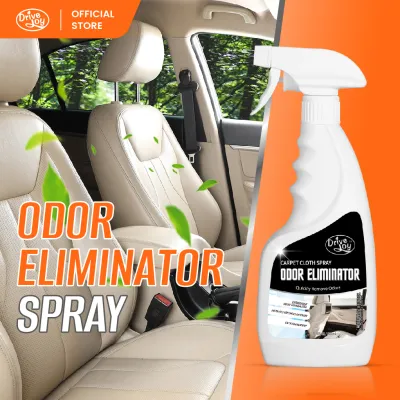
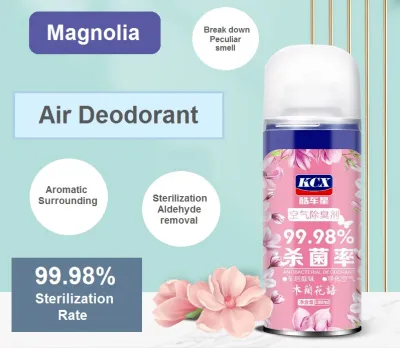
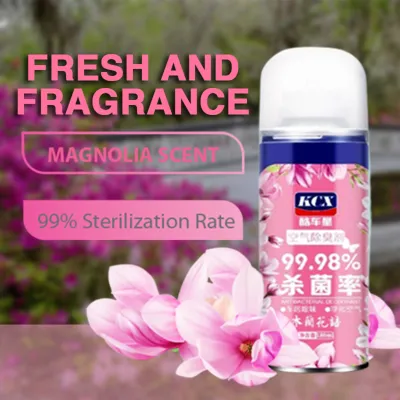
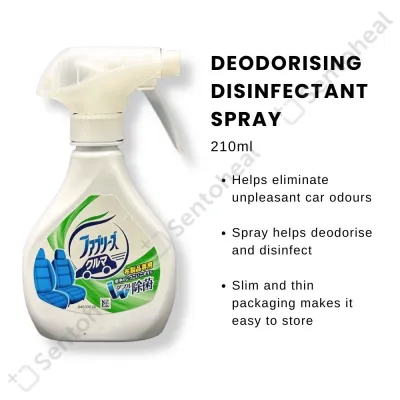
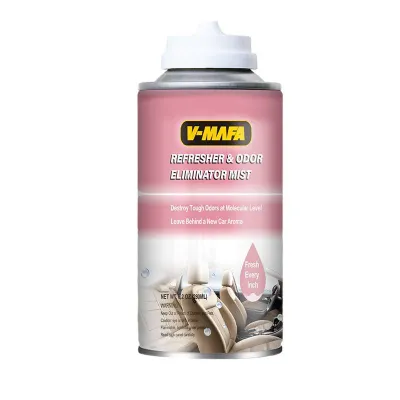
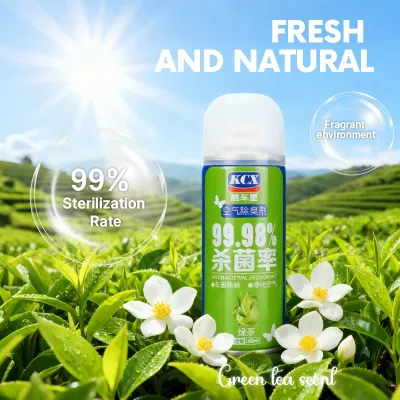

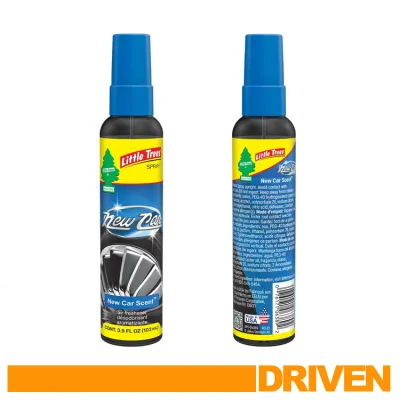
Prices are valid at publication and may change. Please refer to the product page for the latest price.
Sunlight streaming through the windshield and side windows carries intense ultraviolet (UV) radiation. UV rays can break down the molecular bonds of both synthetic fragrances and active odour-eliminating compounds. This chemical degradation not only neutralises the effectiveness of the spray but can also alter the chemical structure of the remaining liquid, sometimes transforming a pleasant scent into an unpleasant, chemical-heavy odour or causing the liquid to discolour interior fabrics.
Evaluating Formulation Types for Tropical Climates
Masking agents merely cover up bad smells with heavy, concentrated perfumes. In a hot, enclosed car, these heavy fragrances can become incredibly cloying, sweet, and overwhelming, often mixing with the underlying sweat, food, or damp odours to create a highly unpleasant cabin environment. True odour neutralisers, on the other hand, contain active compounds that chemically bind to, encapsulate, or break down the odour-causing molecules. This eliminates the root cause of the smell, allowing you to maintain a neutral, fresh cabin without relying on heavy, heat-sensitive perfumes.

Water-based sprays are common and generally gentle, but their slow drying time in high humidity makes them problematic for tropical climates. Alcohol- or solvent-based carriers evaporate much faster, even when the air is humid. This rapid evaporation prevents the liquid from soaking deep into cushions and creating damp pockets. However, solvent-based sprays must be used with caution, as they can be harsher on sensitive interior plastics, adhesives, and leather if misapplied.
Aerosol propellants deliver a highly pressurised, ultra-fine mist that disperses evenly throughout the cabin air. This fine particle size helps the active ingredients suspend in the air longer to neutralise airborne odours. However, the propellants used in aerosols can sometimes leave a fine, sticky film on nearby hard surfaces if sprayed too closely. Manual pump sprays produce larger droplets that fall out of the air quickly. While they do not carry the same pressurised storage risks as aerosols, they require more careful targeting to avoid leaving wet patches on fabrics.
Reading Labels and Packaging for Climate Suitability
Because Singapore’s outdoor parking lots expose vehicles to extreme thermal stress, reading the safety warnings on aerosol cans is critical. Most pressurised aerosols carry explicit warnings against storing them in environments exceeding 50°C. In a closed car parked under direct sunlight, dashboard temperatures can easily surpass this threshold, posing a genuine risk of canister expansion, leakage, or rupture. Always check the label for storage instructions and flammability warnings before deciding where to keep the product.
Look for products that explicitly state they are residue-free, fast-drying, or non-greasy. To verify these claims, inspect the ingredient list for heavy natural oils, essential oils, or waxes. While these ingredients might sound appealing for a natural scent, they do not dry cleanly in hot, humid conditions. Instead, they remain semi-liquid, attracting dust and pollen, and leaving a sticky residue on your car’s interior surfaces.
Formulations with high oil concentrations can be particularly damaging to modern car interiors. When exposed to high heat, these oils can migrate, smear across glossy plastics, and leave a stubborn film on infotainment screens and instrument clusters. This film not only ruins the aesthetic of your cabin but can also cause distracting glare on the dashboard and windshield, compromising your visibility while driving.
Safe Application and Interior Protection
Before applying any car odour spray, it is highly beneficial to cool down the interior. If the car has been parked in the sun, roll down the windows, turn on the air conditioning, and let the hot air escape. Applying a spray to scorching-hot surfaces causes the liquid carrier to flash-evaporate instantly, preventing the active ingredients from properly bonding with the target fabrics and leading to uneven, ineffective distribution.
When applying the spray, target porous textile surfaces like floor mats, carpets, and fabric headliners, as these are where odour-causing molecules typically cling. Strictly avoid spraying the product directly onto leather seats, steering wheels, infotainment screens, or sensitive dashboard plastics. The chemical carriers, solvents, or fragrances in the spray can strip the protective coatings off leather, cloud clear plastics, and damage sensitive electronic sensors or anti-glare screen coatings.
After spraying, do not immediately seal the car and walk away. Allow the air conditioning to run on fresh-air intake mode, or keep the doors open for a few minutes. This ventilation helps clear out excess humidity introduced by the spray, allows propellants or solvent vapours to dissipate safely, and ensures that the interior dries completely without trapping concentrated chemical fumes in an enclosed space.
Frequently Asked Questions (FAQ)
Can I leave aerosol car odour sprays in a parked car under the sun?
No, you should not leave pressurised aerosol cans inside a car parked under direct sunlight in Singapore. The interior temperature of a parked vehicle can quickly rise well above 50°C, which exceeds the safe storage limit printed on most aerosol products. This extreme heat causes the pressure inside the can to build up, creating a risk of rupture or explosion that can damage your car’s interior. If you must keep an odour spray in your vehicle, choose a non-pressurised pump spray, or store the aerosol in a shaded, cooler area like the boot, or remove it from the vehicle entirely when parking outdoors.
Why does my car smell worse after using an odour spray in humid weather?
This usually happens when a masking spray is used instead of a true odour neutraliser, or when the spray is applied to damp fabrics. In high humidity, the heavy perfume molecules in a masking spray mix with existing musty odours, sweat, and trapped moisture in your carpets or upholstery, creating a sour, cloying, and highly unpleasant scent. Additionally, if the spray adds more moisture to already damp floor mats without drying properly, it can accelerate the growth of mold and mildew. To prevent this, always address the root cause of the odour—such as drying out wet carpets or cleaning spills—before applying a fast-drying, neutralising spray.

Community discussion
Share your experience or ask a question. Comments are reviewed before publication.