
To protect a Tesla Model 3 from Singapore’s intense tropical sun and sudden monsoon downpours, a car cover must feature a multi-layered construction that balances heat reflection with moisture ventilation. The ideal cover requires a highly reflective outer layer to block ultraviolet rays, a waterproof yet breathable middle membrane to prevent trapped humidity, and a soft, non-abrasive inner lining to safeguard the paint and glass roof. Additionally, practical EV-specific features like a dedicated charging port flap and secure wind straps are essential for daily usability and stability.
Selecting the right cover involves understanding how these materials interact with local weather conditions. A generic plastic tarp will often cause more harm than good by trapping heat and moisture against the vehicle’s clear coat. By focusing on specialized fabric specifications and a tailored fit, you can preserve your vehicle’s exterior finish and reduce the thermal load on its cabin systems.
Understanding the Climate Impact on Your Tesla Model 3
Singapore’s tropical climate presents a challenging combination of high UV index levels, extreme ambient heat, and frequent, heavy rainfall. The Tesla Model 3 features an expansive glass roof and extensive rubber window seals, both of which are highly susceptible to environmental wear. Prolonged exposure to intense ultraviolet radiation can accelerate the degradation of these rubber seals, causing them to dry out, crack, and eventually lose their weatherproofing capabilities. The vehicle’s clear coat paint is also vulnerable to UV-induced oxidation, which gradually dulls the gloss finish.
Products mentioned in this guide
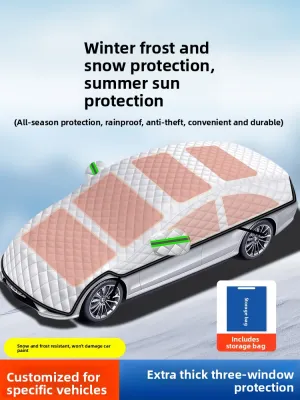
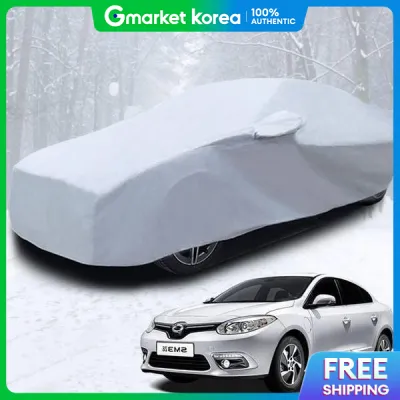
Prices are valid at publication and may change. Please refer to the product page for the latest price.
Extreme solar heat buildup inside the cabin does more than just make the seats uncomfortable. It triggers the vehicle’s Cabin Overheat Protection system, which automatically runs the air conditioning or fan to keep interior temperatures safe. While this protects the synthetic leather seats and dashboard trim from cracking, it continuously draws power from the high-voltage battery, reducing your parked range. A reflective cover mitigates this by stopping solar energy before it penetrates the glass roof.
Moisture management is the other critical challenge in high-humidity environments. Sudden tropical downpours can quickly saturate a vehicle, and if the moisture becomes trapped under a non-breathable cover as the sun emerges, it creates a humid greenhouse effect. This trapped condensation can lead to osmotic blistering in the paint, accelerate mold growth in the cabin filters, and leave stubborn hard water spots on the glass and bodywork that require professional paint correction to remove.
UV Protection and Heat Reflection Features
When evaluating a car cover for solar protection, the outer material’s ability to reflect light is paramount. Light-colored fabrics, particularly silver, white, or highly reflective metallic finishes, are highly effective at bouncing solar radiation away from the vehicle’s surface. These materials prevent the cover itself from absorbing heat, keeping the air gap between the fabric and your car significantly cooler than dark-colored alternatives.

Look closely at product specifications for UV-resistant coatings or fabrics treated with UV inhibitors. Multi-layer polyester or polyurethane covers that incorporate an outer aluminum film or a specialized reflective coating offer excellent block rates against both UVA and UVB rays. These treated fabrics act as a physical barrier, preventing the sun’s rays from reaching the sensitive clear coat and the expansive glass roof of your Model 3.
It is important to distinguish between basic water-resistant tarps and purpose-built automotive sun shields designed for prolonged outdoor exposure. Basic tarps often lack UV stabilizers, meaning they will rapidly degrade, become brittle, and flake under constant sun exposure. High-quality covers will explicitly state their UV protection capabilities or material composition, such as high-density polyethylene (HDPE) or woven polyester with a reflective polyurethane coating, ensuring long-term durability.
Waterproofing vs. Breathability: Managing Heavy Rain and Humidity
In a tropical climate characterized by sudden monsoons, waterproofing alone is insufficient. A completely waterproof cover that lacks ventilation will trap rising ground moisture and condensation underneath, holding it directly against your car’s paint. The key to effective protection is finding a cover that balances water resistance with high breathability.
Advanced car covers achieve this balance by utilizing micro-porous membranes. These specialized middle layers feature pores that are small enough to block liquid water droplets from passing through from the outside, yet large enough to allow water vapor and humidity to escape from underneath. This ensures that any moisture that does find its way under the cover, whether from ground evaporation or residual dampness, can evaporate naturally into the air.
To handle heavy tropical rain, check the cover’s water resistance specifications, such as its hydrostatic head rating or the presence of water-repellent coatings. Sealed, double-stitched, or heat-welded seams are also crucial, as standard stitched seams can allow water to seep through the needle holes during prolonged downpours. A high-quality cover will keep the bulk of the rainwater off the vehicle while allowing the paint underneath to breathe.
Avoid cheap vinyl or single-layer plastic covers at all costs. These materials are entirely non-breathable and will trap moisture against the clear coat. Over time, this trapped moisture can cause chemical reactions that lead to paint clouding, oxidation, and accelerated mold growth inside the cabin vents and door seals, turning a protective accessory into a hazard for your vehicle’s exterior.
Fit, Security, and EV-Specific Design Elements
A proper fit is critical for both physical protection and safety. Universal-fit covers are often too loose, leaving excess fabric that can flap violently in strong winds. This constant movement acts like sandpaper, rubbing trapped dust and grit against your Tesla’s paint and glass roof, leading to fine scratches and swirl marks. A loose cover can also act as a sail, potentially lifting off the vehicle entirely during a storm.
A custom-fit cover tailored specifically for the Tesla Model 3 contours perfectly around the side mirrors, hood, and rear deck. Elasticized hems at the front and rear help keep the cover snug against the lower body panels, preventing wind from getting underneath. This snug fit minimizes fabric movement, protecting the paintwork even during gusty monsoon winds.
Security features are essential for keeping the cover in place during inclement weather. Look for covers equipped with heavy-duty belly straps that buckle underneath the vehicle, adjustable tie-down straps for the wheels, and reinforced grommets. These securing mechanisms ensure the cover remains firmly attached to the car, preventing it from shifting or blowing away during sudden squalls.
For electric vehicles, convenience is key to maintaining a daily routine. A high-quality Model 3 cover should feature a built-in charging port access flap. This allows you to plug in your charger without having to remove the entire cover, keeping the rest of the vehicle protected while charging. Ensure the flap seals tightly with hook-and-loop fasteners or zippers when not in use to prevent water ingress.
Maintenance and Cleaning in High-Humidity Conditions
Proper maintenance of both your vehicle and the cover is necessary to prevent accidental damage. Always inspect the surface of your Tesla Model 3 before applying the cover. Even a thin layer of dust, pollen, or road grit can cause micro-scratches if pressed and rubbed by the cover’s inner lining. If the car is dirty, it is safer to leave it uncovered until you can wash it.
Clean the cover regularly according to the manufacturer’s instructions to maintain its protective properties. Most high-quality covers can be cleaned while installed on the car by spraying them with a hose and gently wiping them down with a soft brush or microfiber cloth and mild, pH-neutral soap. Avoid harsh detergents, bleach, or fabric softeners, as these chemicals can strip away water-repellent coatings and degrade the UV-resistant fibers.
Never store a wet or damp cover in its storage bag. If you remove the cover after a rainstorm, allow it to dry completely in a well-ventilated area before folding it. Storing a wet cover will lead to mold, mildew, and unpleasant odors, which can easily transfer to your vehicle’s exterior upon the next application. Regular inspections of the cover’s inner lining for trapped debris will also help ensure long-term paint protection.
Frequently Asked Questions (FAQ)
Can I put a car cover on my Tesla Model 3 while it is still wet?
No, you should avoid putting a car cover on a wet vehicle. Trapping water between the cover and the paint can lead to hard water spots, paint clouding, and mold growth. Always dry the vehicle with a clean microfiber towel or wait for it to dry completely before applying the cover, unless the manufacturer explicitly states the cover is designed to disperse standing water.
Will a car cover scratch the glass roof or paint of my Model 3?
A high-quality cover with a soft, non-abrasive inner lining, such as fleece or microfiber, will not scratch the glass roof or paint on its own. However, scratches occur when dirt, dust, or grit is trapped between the cover and the vehicle’s surface. Ensuring both the car and the cover’s lining are clean before application is the best way to prevent abrasion.
Do I need a custom-fit cover, or will a universal size work for the Model 3?
A custom-fit cover is highly recommended for the Tesla Model 3. Universal covers tend to fit loosely, which allows wind to get underneath and cause the fabric to flap against the paint, potentially causing scratches. A custom-fit cover stays secure, protects the lower panels, and often includes specific features like mirror pockets and a charging port flap.
Community discussion
Share your experience or ask a question. Comments are reviewed before publication.