
To protect a Honda Jazz from Singapore’s intense tropical climate, the ideal car cover must feature a highly reflective outer layer to block intense ultraviolet (UV) rays, a breathable micro-porous membrane to release trapped humidity, and a tailored hatchback fit that prevents wind-induced paint abrasion. Because the Honda Jazz is a compact hatchback with a distinct sloping bonnet and vertical rear profile, generic “one-size-fits-all” covers often sag, trapping water or flapping violently during sudden afternoon downpours. Selecting the right cover requires looking past generic marketing buzzwords and focusing on verified material specifications, secure fastening systems, and proper paint-safe lining materials.
How Singapore's Climate Affects Your Honda Jazz's Exterior
The combination of near-equatorial sunlight and high relative humidity creates a harsh environment for automotive finishes. When parked outdoors in open-air surface car parks, your Honda Jazz is subjected to intense UV radiation. This exposure accelerates the oxidation of the clear coat, leading to premature fading, chalking, and paint degradation over time.
Inside the cabin, solar heat buildup can warp dashboard plastics, dry out upholstery, and degrade rubber door seals. The compact cabin of a hatchback like the Jazz tends to trap heat quickly, making the interior temperature skyrocket when left unprotected in the midday sun.
Products mentioned in this guide
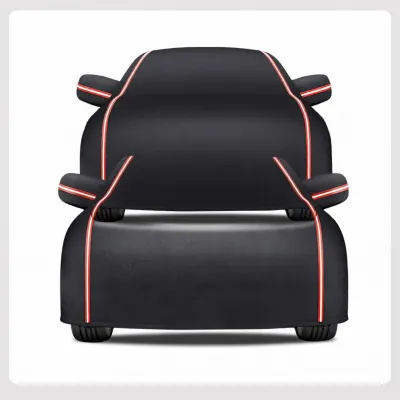

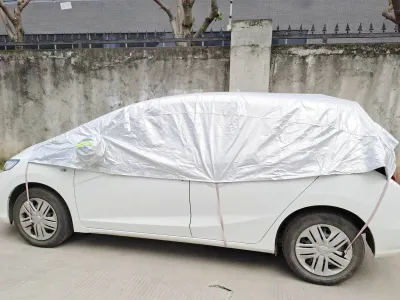

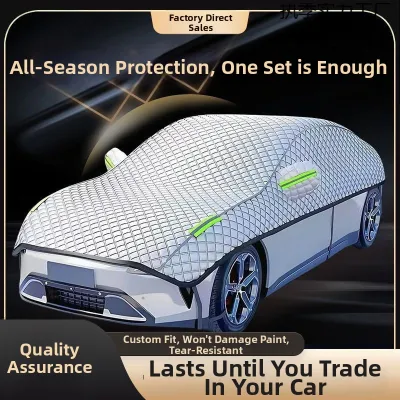
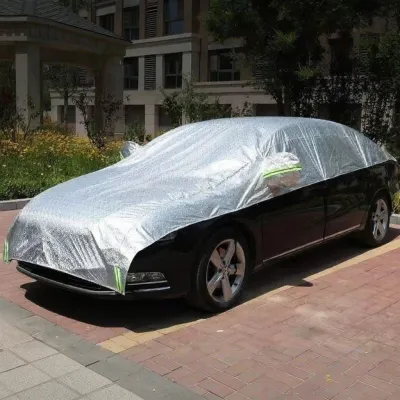
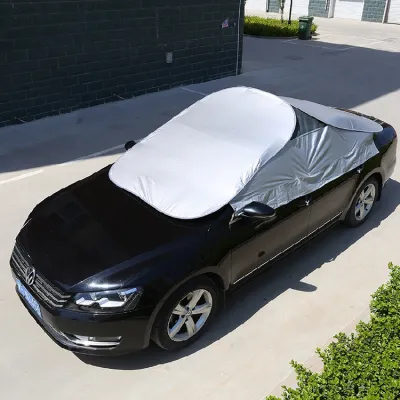
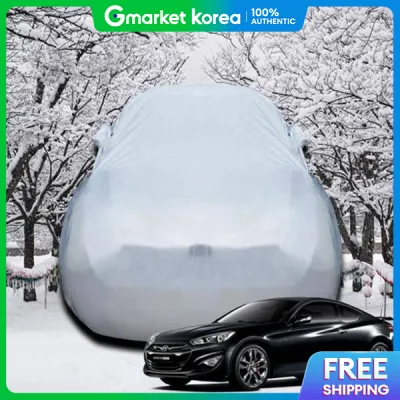
Prices are valid at publication and may change. Please refer to the product page for the latest price.
Furthermore, the frequent transition from scorching heat to sudden, heavy downpours introduces rapid thermal shock. Rainwater can pool on flat surfaces like the roof and bonnet. If a non-breathable cover is used, this rainwater evaporates from the ground and gets trapped underneath as water vapor. The resulting greenhouse effect under the cover creates a hot, humid microclimate that promotes mold growth on interior surfaces and can cause the clear coat to blister or turn cloudy.
Key Fabric Features for UV and Heat Defense
To combat intense solar radiation, look for multi-layer fabrics engineered specifically for heat reflection. The outermost layer should ideally feature a reflective silver or aluminum-coated polyurethane finish. This reflective surface bounces solar radiation away from the vehicle rather than absorbing it, lowering the temperature of the air trapped between the cover and the car body.

Beneath this reflective outer shell, the cover must have a soft, non-abrasive inner lining. Materials such as spunbond polypropylene, cotton fleece, or high-density microfiber are excellent choices. This soft layer acts as a cushion, preventing the cover from scratching the delicate clear coat of your Honda Jazz when putting it on or taking it off.
When shopping, avoid relying on vague claims like “100% sunproof.” Instead, check the manufacturer’s product specifications for verified Ultraviolet Protection Factor (UPF) ratings or specific UV-resistant material certifications. High-quality covers will explicitly state their UV resistance levels or detail the number of protective layers engineered into the fabric to block both UVA and UVB rays.
Balancing Waterproofing and Breathability for Tropical Rain
Finding the right balance between waterproofing and breathability is the most critical step when choosing a cover for Singapore’s tropical climate. A completely waterproof, tarp-like material (such as heavy PVC or vinyl) might keep rain off the car, but it also seals moisture inside. In high-humidity environments, moisture from the damp ground or air condensation will rise and become trapped under a non-breathable cover, leading to paint damage and mold.
Instead, look for water-resistant, breathable fabrics. These materials utilize advanced micro-porous coatings or specialized membranes. The pores in these membranes are small enough to block liquid water droplets from passing through from the outside, yet large enough to allow water vapor molecules to escape from the inside.
When reviewing product specification sheets, look for terms like “breathable membrane” or “micro-porous technology.” A high-quality breathable cover allows your Honda Jazz to “breathe,” ensuring that any condensation or moisture that accumulates underneath can evaporate naturally as the ambient temperature rises after a rainstorm.
Ensuring a Secure, Custom Fit for the Jazz Hatchback
The Honda Jazz has a unique, aerodynamic hatchback silhouette with a steeply raked windscreen and a flat, vertical rear end. Because of this distinct profile, universal-fit covers designed for standard sedans or larger SUVs will not fit properly. A universal cover will likely be too loose around the rear bumper, creating pockets where wind can enter and lift the cover, or where rainwater can pool and weigh down the fabric.
A custom-fit or semi-custom hatchback-specific cover is highly recommended. These are tailored to match the specific dimensions of the Honda Jazz. Before purchasing, always verify your vehicle’s exact model year and generation (such as the GD, GE, GK, or GR series) against the manufacturer’s sizing chart, as dimensions and body shapes have evolved over different generations.
To keep the cover secure during sudden monsoon winds, look for robust fastening mechanisms. Elasticized front and rear hems help the cover snuggle tightly under the bumpers. Additionally, integrated tie-down straps that buckle underneath the chassis, along with reinforced grommets for optional cable locks, are essential to prevent the cover from flapping or blowing away. Built-in mirror pockets and a dedicated antenna patch further ensure a snug, tailored fit that minimizes fabric movement against the paint.
Daily Usage and Maintenance to Protect Your Paint
Even the highest-quality car cover can cause damage if used incorrectly. Before covering your Honda Jazz, perform a quick pre-cover inspection. Ensure the car’s exterior is completely clean and free of dust, grit, or bird droppings. If you place a cover over a dirty car, the wind will cause the fabric to rub the trapped dirt particles against the paint, acting like sandpaper and causing fine swirl marks.
Additionally, always allow your vehicle to cool down completely after driving before putting on the cover. Placing a fabric cover over a hot exhaust pipe or engine bay poses a safety hazard and can melt or damage the cover’s material. Ensure the cover is secured in a way that does not block visibility or create hazards if parked in shared residential spaces.
When removing the cover, do not drag it across the paint. Instead, fold it carefully from the sides toward the center, rolling it up from front to back. This method keeps the dirty outer surface of the cover from coming into contact with the clean inner lining, preserving its protective qualities for the next use. Store the folded cover in a dedicated storage bag in a cool, dry place.
To maintain the cover’s protective coatings, clean it periodically according to the manufacturer’s instructions. Avoid using harsh chemical solvents, bleach, or standard laundry detergents, as these can strip away the water-resistant and UV-reflective coatings. Instead, wash the cover while it is installed on the car using plain water or a mild, manufacturer-approved car wash soap, then rinse thoroughly and allow it to air dry completely.
Frequently Asked Questions (FAQ)
Can I cover my Honda Jazz while the paint is still wet?
No, you should never cover your vehicle while the paint is wet or damp. Covering a wet car traps moisture directly against the clear coat. Under the hot Singapore sun, this trapped water can heat up rapidly, causing moisture to penetrate the paint layers, which leads to unsightly cloudy patches, blistering, or clear coat failure. Always dry your Honda Jazz thoroughly with a clean microfiber towel before applying the cover.
Will strong winds cause the cover to scratch my car?
A loose-fitting cover can flap in strong winds, causing the inner lining to rub against the paint and create micro-scratches. To prevent this, ensure you choose a custom-fit cover that matches your Honda Jazz’s specific dimensions. Always secure the under-car tie-down straps tightly and ensure the elastic hems are tucked securely under the bumpers. Keeping both the car’s paint and the cover’s inner lining clean is also vital to eliminate abrasive dirt particles.
How do I clean the cover without ruining its protective coatings?
To clean the cover safely, avoid machine washing or using harsh detergents. The best method is to hose down the cover with clean water while it is fitted on your clean vehicle. For stubborn dirt, use a soft sponge and a highly diluted, mild car wash soap recommended by the cover manufacturer. Rinse the cover thoroughly to remove all soap residue, and let it air dry completely on the vehicle before folding and storing it.
Community discussion
Share your experience or ask a question. Comments are reviewed before publication.