
Quick Answer: Navigating Fragrance Choices in Tropical Climates
When driving in Singapore, the combination of intense tropical sunlight and high humidity creates a challenging environment for any car air freshener. No single format universally outperforms the others; instead, the effectiveness of your chosen fragrance depends heavily on your daily parking habits, cabin ventilation, and the physical stability of the product itself. The primary challenges in this climate are accelerated evaporation, potential melting of gel structures, and liquid leakage from expanding oils. Rather than focusing on specific brand rankings, finding a reliable solution requires understanding how different physical formats react to heat and humidity. By focusing on structural traits, safety boundaries, and careful label checks, you can maintain a pleasant cabin environment without risking damage to your vehicle’s interior surfaces.
How Extreme Cabin Temperatures Alter Fragrance Performance
To understand why car air fresheners deplete so quickly in tropical climates, it helps to look at the physics of evaporation. When a vehicle is parked outdoors under direct sunlight—such as in an open-air surface carpark—the cabin acts as a greenhouse. Solar radiation passes through the windshield and windows, heating the dashboard, seats, and steering wheel. This trapped heat can easily push interior cabin temperatures past 60°C within an hour. For fragrance oils and gels, this extreme heat dramatically increases molecular kinetic energy, causing the active scent compounds to volatilize at an accelerated rate. A product designed to last up to six weeks in a temperate climate may dry up or lose its potency in less than three weeks under these conditions.

High relative humidity, which consistently averages above 80% in Singapore, further complicates fragrance performance. Moisture-sensitive mediums, such as paper-based cards or porous wooden diffusers, absorb water vapor from the cabin air. This absorbed moisture can saturate the material, altering its structural integrity and interfering with the release of the fragrance. Instead of a clean, dry scent throw, the moisture-laden medium may release a weakened aroma or, in extreme cases, cause the embedded oils to emulsify and drip onto interior surfaces. Understanding these environmental factors is the first step in choosing a format that can withstand daily exposure to heat and moisture.
Products mentioned in this guide
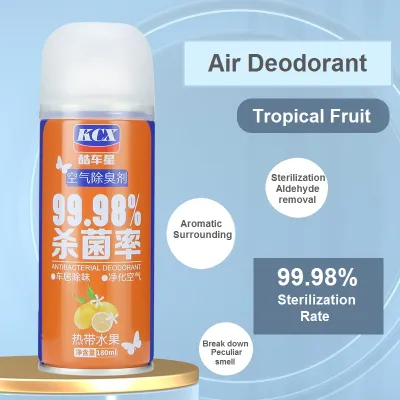

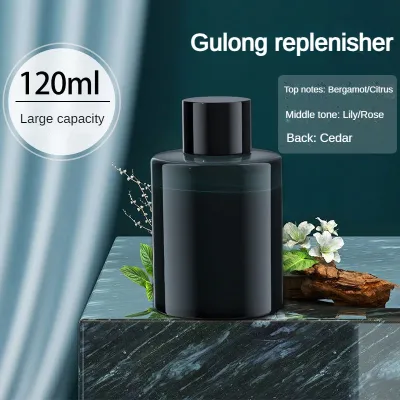

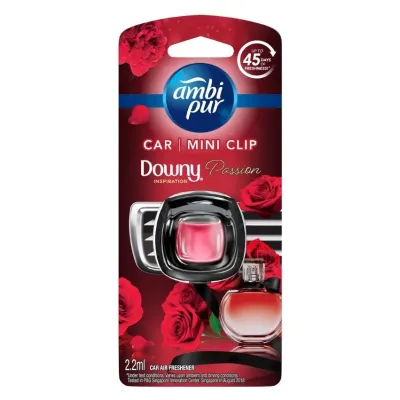
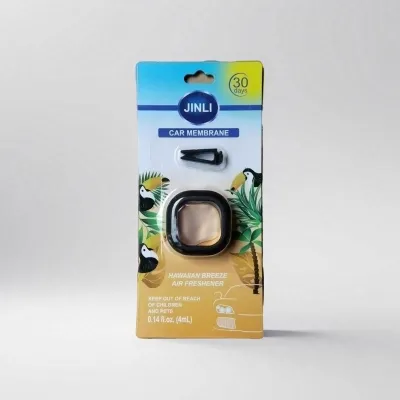
Prices are valid at publication and may change. Please refer to the product page for the latest price.
Evaluating Air Freshener Formats for Tropical Conditions
Selecting the right air freshener requires evaluating how different physical states—liquids, gels, solids, and aerosols—behave when placed in specific areas of your car. Because cabin temperatures vary depending on where you park and how often you run the air conditioning, matching the format to your specific driving routine is essential. Before making a purchase, always cross-reference product labels for maximum operating temperatures and look for explicit “spill-proof” or “leak-resistant” designs to protect your vehicle’s interior.
Liquid, Gel, and Oil-Based Formats
Liquid diffusers, vent clips, and gel-based air fresheners are popular for their consistent and adjustable scent release, but they require careful management in hot climates. Under high heat, semi-solid gels can break down and liquefy, while liquid oils expand within their glass or plastic housings. If the container lacks a robust seal or is subjected to rapid temperature swings, this expansion can force the liquid out of its vents or seams, leading to leaks.
To minimize these risks, prioritize formats that utilize semi-permeable membranes or solid gel blocks housed in spill-proof containers. If you prefer liquid vent clips, ensure the mounting mechanism is compatible with your car’s air vents and keeps the unit perfectly upright. Avoid tilting the clip, as this can cause the concentrated oil to come into direct contact with the plastic vent louvers. Because heat accelerates oil evaporation, make it a habit to inspect these units weekly for any signs of container warping, cracking, or rapid fluid loss.
Solid, Paper, and Wood-Based Formats
Hanging paper cards, fiber pads, and wooden diffusers offer a low-risk alternative because they do not contain free-flowing liquids that can spill or melt. This makes them highly stable options for drivers who frequently park in unsheltered areas. However, because these dry mediums rely on open-air exposure to release their scent, they are highly susceptible to rapid depletion when exposed to the intense heat of a parked car.
A common mistake is hanging a paper card directly in the path of a cold air-conditioning vent. When the cold air from the vent meets the warm, humid air inside the cabin, localized condensation can form on the paper. This moisture can cause the card to sag, degrade, or bleed dye and fragrance oils onto the surrounding dashboard or console. To prevent this, look for solid or paper formats that feature adjustable plastic housings or sliding covers. These designs allow you to manually restrict the exposed surface area, preserving the fragrance when the car is parked and extending its overall lifespan.
Aerosol and Pressurized Spray Formats
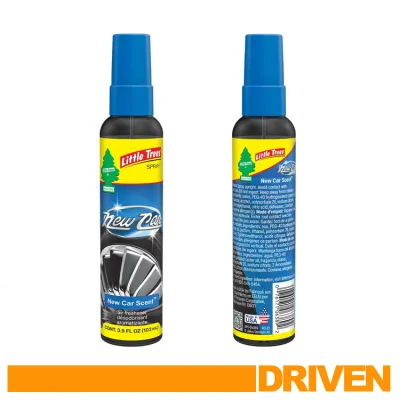
Pressurized aerosol cans and trigger sprays are excellent for rapid odor elimination, but they present significant safety hazards if stored incorrectly in a tropical climate. A pressurized can left on a dashboard, rear parcel shelf, or door pocket exposed to direct sunlight can quickly reach temperatures that exceed its structural safety limits, risking a sudden rupture or explosion.
To ensure safety, always read and follow the manufacturer’s warning labels regarding storage temperatures. Most pressurized containers specify a maximum safe temperature of 50°C, which is easily exceeded inside a closed vehicle parked outdoors. If you use aerosol sprays, store them in the glove compartment, under the seat away from direct sunlight, or remove them from the vehicle entirely when parking in open-air lots for extended periods. Trigger-operated, non-pressurized sprays are a safer alternative, though they should still be stored in a cool, dark place to prevent the liquid formula from degrading.
Safety Boundaries and Interior Protection
The concentrated oils and organic solvents used in car air fresheners can be highly corrosive to automotive interior materials. If a leak or spill occurs, these chemicals can strip the soft-touch matte coatings off dashboards, melt or warp plastic trim, and leave permanent stains on leather or fabric upholstery. Preventing this damage requires strict adherence to safe placement guidelines and immediate cleanup protocols.
When installing any air freshener, observe the following safety boundaries:
- Avoid Direct Sunlight: Never place liquid, gel, or plastic-housed air fresheners on top of the dashboard or near the windshield where solar heat is most intense.
- Keep Clear of Airbags: Do not mount or hang any product on or near airbag deployment zones, including the steering wheel hub, passenger-side dashboard panels, and side pillars.
- Ensure Secure Mounting: Verify that vent clips grip the louvers tightly and that adhesive pads are rated for high-temperature automotive use so they do not slide off when the cabin heats up.
If a spill does occur, act quickly to minimize damage. Immediately blot the liquid with a clean, dry microfiber cloth to prevent it from spreading or soaking into the material. Avoid using harsh household detergents, rubbing alcohol, or multi-purpose solvents, as these can react with the fragrance chemicals and accelerate the damage to your interior. Instead, use a dedicated automotive interior cleaner that is safe for the specific material—whether vinyl, plastic, or leather—and follow the manufacturer’s instructions for application and removal.
How to Read Labels and Specifications for Climate Suitability
Finding an air freshener that performs reliably in Singapore’s climate requires looking past appealing scents and examining the technical details on the packaging. Responsible manufacturers provide clear guidance on how their products behave under different environmental conditions, which can help you make an informed choice.
When evaluating product labels, look for the following indicators:
- Temperature Limits: Check for explicit statements regarding heat resistance or maximum operating temperatures (such as "stable up to 60°C").
- Spill-Proof Certifications: Look for terms like "leak-resistant membrane," "solid gel technology," or "spill-proof design" to ensure the product won't leak if tilted.
- Ingredient Transparency: Opt for brands that list their primary ingredients or carrier bases, as water-based gels or high-purity synthetic oils often exhibit better thermal stability than low-grade solvent mixtures.
- Expiration and Manufacture Dates: Avoid buying old stock, as prolonged storage in warm warehouse conditions can degrade the chemical bonds of the fragrance oils, leading to premature scent loss or separation before you even open the package.
By focusing on these physical and technical characteristics rather than generic marketing claims like “long-lasting,” you can select a car air freshener that delivers consistent performance while keeping your vehicle’s interior safe from chemical damage.
Frequently Asked Questions (FAQ)
Does parking in the shade significantly extend the life of a car air freshener?
Yes, parking in shaded areas, such as multi-storey or basement carparks, helps extend the lifespan of your car air freshener by reducing peak cabin temperatures. When a vehicle is shielded from direct sunlight, the greenhouse effect is minimized, which slows down the evaporation rate of fragrance oils and gels. However, because ambient humidity and baseline tropical temperatures remain high even in the shade, fragrance depletion will still occur faster than in temperate climates, though at a more controlled rate than in open-air parking.
Are natural essential oil diffusers safer for hot cars than synthetic fragrances?
Not necessarily. While natural essential oils do not contain synthetic solvents, they are still highly volatile organic compounds that can degrade, oxidize, and lose their original scent profile when exposed to high heat and UV light. Furthermore, natural oils can be just as corrosive to dashboard plastics and leather coatings as synthetic alternatives if a leak occurs. Safety in a hot car depends on the physical stability of the container and delivery mechanism rather than whether the fragrance source is natural or synthetic.

Community discussion
Share your experience or ask a question. Comments are reviewed before publication.