
Navigating Singapore’s multi-storey carparks and Housing & Development Board (HDB) parking garages can be a daily test of patience and precision. Tight spiral ramps, narrow concrete pillars, and compact parking bays leave very little margin for error. While traditional driving skills are essential, a 360 car camera system provides the active visual assistance needed to maneuver safely through these challenging spaces. By combining feeds from multiple lenses into a seamless bird’s-eye view, these systems help you spot low-lying obstacles, high curbs, and tight corners before they cause costly cosmetic damage to your vehicle.
Why Standard Dash Cams Fall Short in Compact Parking Spaces
Standard dash cams are excellent for recording traffic incidents, but they are fundamentally passive devices. A typical front-facing or dual-lens dash cam captures a wide view of the road ahead and behind, yet it remains blind to the immediate surroundings of your vehicle’s body. When you are negotiating a tight turn on a narrow ramp, the critical areas of concern are your front bumper corners, side mirrors, and rear quarter panels.
These blind spots are where most parking mishaps occur. A standard camera cannot show you how close your left front wheel is to a high curb or whether your rear bumper is about to scrape against a concrete pillar. Active visual assistance requires a real-time, top-down perspective that translates the physical space around your car into an intuitive digital display. Without this unified view, drivers must rely entirely on guesswork and physical mirrors, which often fail to reveal low-lying hazards like parking curbs or short bollards.
Products mentioned in this guide

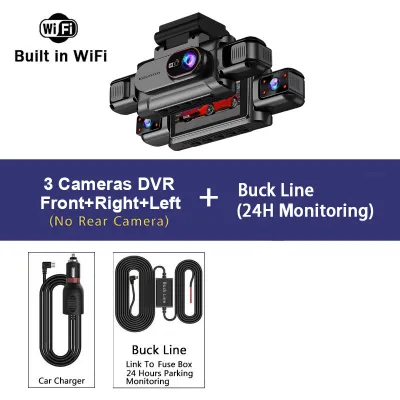
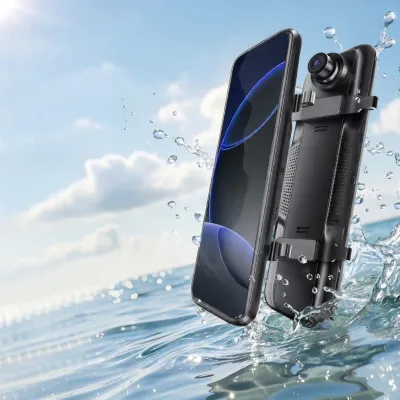
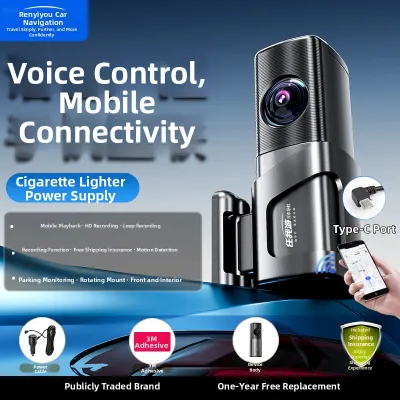

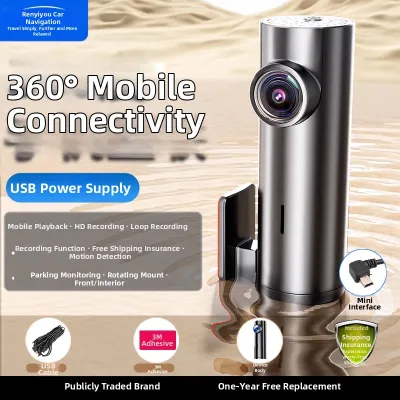
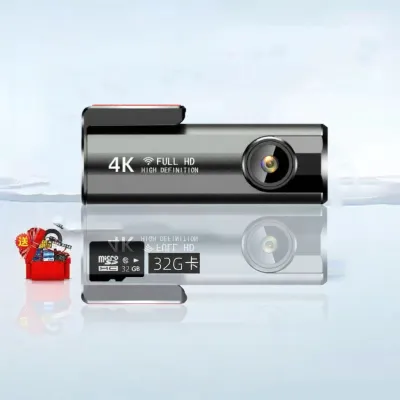
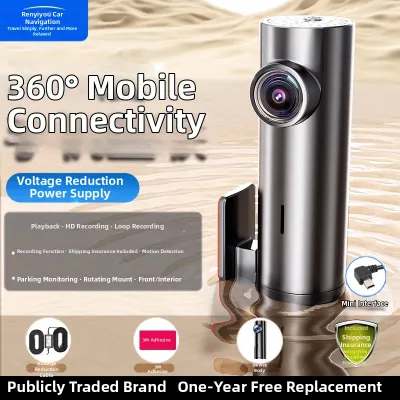
Prices are valid at publication and may change. Please refer to the product page for the latest price.
Essential Features for Navigating Narrow Lanes and Tight Bays
Selecting the right 360 car camera involves evaluating how well the system translates real-world obstacles onto your dashboard screen. Not all surround-view systems perform equally under the demanding conditions of Singapore’s indoor and underground parking facilities.

Lens Field of View and Image Stitching Quality
The foundation of any reliable 360 car camera system is its optical hardware. A complete setup typically utilizes four ultra-wide-angle lenses mounted on the front grille, under each side mirror, and near the rear license plate. When evaluating these systems, check the manufacturer’s specifications for the individual field of view of each lens. A wider angle ensures that there are no gaps in coverage where obstacles can hide.
However, raw coverage is only half the battle. The system’s control unit must stitch these four separate video feeds into a single, cohesive bird’s-eye perspective. High-quality stitching algorithms smoothly blend the overlapping edges, preventing visual blind spots at the corners of your vehicle. You should verify that the system provides accurate distance rendering. Extreme fisheye distortion can make objects appear much farther away than they actually are, leading to misjudgments when backing into a tight HDB parking bay.
Low-Light Performance and System Startup Speed
Many multi-storey garages and basement carparks in Singapore suffer from dim, uneven lighting. To navigate these areas safely, your camera system must feature excellent low-light performance. Look for image sensors designed to handle high dynamic range and low-light environments, which help clarify dark corners and prevent glare from bright overhead fluorescent lights.
System responsiveness is another critical factor. A 360 camera is of little use if you have already completed your maneuver before the screen turns on. Check the system’s boot time to ensure it activates immediately when you start your vehicle. Furthermore, the system should trigger instantly when you shift into reverse or activate your turn signals, providing real-time visual feedback without lag. Finally, ensure the display screen offers adequate brightness and anti-glare properties so that the feed remains visible even when transitioning from bright tropical sunlight into a dark garage.
Vehicle Compatibility and Installation Safety Checks
Before purchasing any aftermarket 360 car camera kit, you must perform thorough compatibility and safety checks. These systems integrate deeply with your vehicle’s electrical architecture, meaning improper installation can lead to severe safety hazards or voided manufacturer warranties.
Always consult your vehicle owner’s manual and the camera manufacturer’s compatibility documentation. You must verify that the camera system is compatible with your vehicle’s specific model, year, and existing infotainment interface. Some systems require aftermarket head units, while others can integrate with factory screens using specialized interface modules.
The physical installation process is highly complex. It involves mounting cameras securely on the exterior, routing cables through door panels, weather stripping, and the dashboard, and tapping into the vehicle’s electrical system. Specifically, the system must connect to the reverse light circuit and turn signal wires to trigger the appropriate camera views automatically.
Because of the safety risks associated with automotive electrical work, DIY installation is generally not recommended unless you possess professional-grade tools and expertise. Incorrect wiring can interfere with critical safety systems, such as airbags, parking sensors, or the vehicle’s main electronic control unit. If you encounter any ambiguity during the planning phase, stop immediately and seek the services of a qualified automotive electrician. A professional installation ensures that all wiring is safely fused, routed away from moving parts, and properly calibrated for accurate image stitching.
Practical Usage Tips for Multi-Storey Garages and HDB Carparks
Once your 360 car camera system is safely installed and calibrated, maximizing its utility requires regular maintenance and smart operational habits. Singapore’s tropical climate presents unique challenges that can affect camera performance over time.
The high humidity, frequent heavy downpours, and road dust common in Singapore can quickly coat your camera lenses with dirt, water spots, or condensation. Make it a habit to inspect and clean the lenses regularly. Use a soft microfiber cloth and a gentle, lens-safe cleaner to wipe away debris. Avoid using abrasive materials or harsh household chemicals, which can scratch the optical coatings and permanently degrade image clarity.
Familiarize yourself with the system’s settings to customize the viewing angles for different driving scenarios. For instance, when navigating tight spiral ramps, a side-view or front-corner view can help you monitor your distance from the outer wall. When parallel parking along narrow streets, switching to a dedicated curb-side view prevents curb rash on your alloy wheels.
Finally, remember that a 360 car camera is an assistive tool, not a replacement for fundamental driving habits. Always use your physical side mirrors, rearview mirror, and over-the-shoulder checks as your primary means of spatial awareness. Cameras can have minor blind spots, calibration shifts, or lag. Relying on a combination of physical observation and digital assistance provides the safest and most reliable way to park in any tight space.
Frequently Asked Questions (FAQ)
Can I install a 360 camera on an older vehicle without factory parking sensors?
Yes, you can retrofit a 360 car camera system on older vehicles that lack factory-installed parking sensors. If your vehicle does not have a modern dashboard screen, you can install an aftermarket head unit or use a standalone display monitor dedicated to the camera feed. Regardless of the display method, professional calibration is essential. Because older vehicles lack integrated sensor data, the camera system relies entirely on precise physical alignment and software calibration to stitch the four camera feeds into an accurate surround-view image.
Will the camera system drain my car battery if parked for long periods?
It depends on how the system is wired. If the camera is connected to an ignition-switched power source, it will turn off completely when the engine is shut down, posing no risk of battery drain. However, if you configure the system to run in parking mode for continuous surveillance, it will draw power from your vehicle’s battery while parked. To prevent a dead battery, always use a dedicated hardwire kit equipped with an adjustable low-voltage cutoff feature. This safety mechanism automatically disconnects power to the camera if your car battery’s voltage drops below a safe threshold, ensuring you can always start your vehicle.
Community discussion
Share your experience or ask a question. Comments are reviewed before publication.