
The Short Answer: Which Method Should You Choose?
Choosing the right paint care routine can be challenging given the wide array of options in the Chemical Guys product lineup. To make an informed decision, you must first understand the fundamental difference between paint correction and paint protection. Polish is a corrective treatment designed to level your clear coat and remove imperfections; it does not provide any protective qualities. In contrast, wax and ceramic coatings are protective layers designed to shield your paint from environmental damage.
If you are looking for a warm, deep, traditional “wet” look, an exceptionally forgiving application process, and a lower upfront investment of time, a classic car wax is your best option. However, you must be prepared to reapply it every few months to maintain its protective qualities. If you prioritize maximum durability, extreme water-beading (hydrophobic) performance, and robust chemical resistance against harsh weather, a ceramic coating is the superior choice. This method requires a significant investment in meticulous surface preparation, but it rewards you with long-lasting protection. For the ultimate finish, the ideal routine involves polishing the paint first to eliminate defects, followed by the application of either a wax or a ceramic coating to lock in and protect that perfected surface.
Clarifying the Roles: Polish vs. Paint Protection
A very common misconception among car owners is that polishing a vehicle provides long-term protection against the elements. It is highly common to hear people say they are going to “polish their car to protect it from the rain.” Within the Chemical Guys paint care ecosystem, however, polishes and protectants serve diametrically opposed functions. Understanding where each product fits into your detailing workflow is essential to achieving a flawless finish while avoiding unnecessary clear coat wear.
Products mentioned in this guide
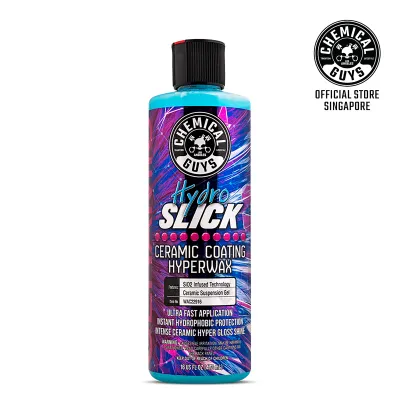
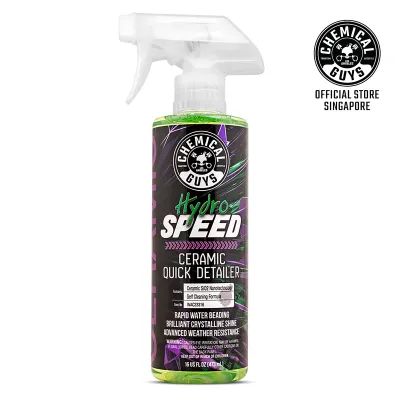
Prices are valid at publication and may change. Please refer to the product page for the latest price.

Polishes are formulated with specialized, microscopic abrasives or chemical cleansing agents. Their primary purpose is to physically alter the surface of your vehicle’s clear coat to eliminate imperfections. They do not leave behind a durable, protective film. Instead, they act as a corrective step that prepares the surface for a dedicated protectant. Attempting to use a polish as a final protective layer will leave your vehicle’s paint completely vulnerable to environmental damage.
What Polish Actually Does to Your Clear Coat
To understand how a polish works, you must picture your vehicle’s clear coat under a microscope. Over time, daily driving, improper washing techniques, and environmental exposure create microscopic scratches, swirl marks, oxidation, and etched water spots. These imperfections act like tiny valleys in the clear coat, scattering light in multiple directions and causing the paint to look dull, hazy, and faded.
When you apply a polish—whether by hand with an applicator pad or using a dual-action machine polisher—the microscopic abrasives gently shave down the high points of the clear coat until they are level with the bottom of the scratches. This mechanical leveling process restores a perfectly flat, smooth surface. When light hits this corrected clear coat, it reflects evenly, restoring optical clarity, depth, and a brilliant gloss. However, because this process physically removes a tiny fraction of your clear coat, it must be performed with care and only when necessary to correct visible defects. Always check your vehicle’s original paint specifications and consult the product label to ensure the polish is safe for your specific clear coat type.
Why Polish Must Be Followed by a Protectant
Because the polishing process relies on physical abrasives to level the clear coat, it completely strips away any pre-existing wax, sealant, or road film. Once you finish polishing, your vehicle’s paint is in a completely bare, raw, and exposed state. Without an immediate follow-up step, the naked clear coat is highly vulnerable to rapid UV degradation, oxidation, acid rain etching, and bonding by airborne contaminants.
Applying a dedicated protectant, such as a wax or a ceramic coating, immediately after polishing is an absolute necessity. This step seals the microscopic pores of the freshly corrected clear coat, creating a sacrificial barrier between the paint and the environment. The protectant locks in the high-gloss, defect-free finish you achieved during the polishing phase, preventing new contaminants from embedding themselves directly into the paintwork. Skipping this step means your hard work during the polishing stage will quickly be undone by daily environmental exposure.
Chemical Guys Wax: Deep Shine and Accessible Application
Car wax remains one of the most popular and time-tested methods of protecting automotive paint. Within the Chemical Guys product line, waxes are available in various formulations, primarily categorized into natural carnauba waxes and advanced synthetic wax blends. Natural carnauba wax, derived from the leaves of the Brazilian palm tree, is highly prized by detailing enthusiasts for its unique visual properties. It delivers a signature warm, deep, and incredibly rich “wet look” shine that makes dark paint colors, especially black and deep red, look exceptionally vibrant. Synthetic waxes, often referred to as sealants, utilize man-made polymers to provide a slightly brighter, more reflective gloss while offering enhanced durability.
One of the greatest advantages of using a wax is its highly forgiving and user-friendly application process. Applying a wax does not require a highly controlled environment or professional-grade equipment. You can easily apply liquid or paste wax by hand using a foam applicator pad, working in small sections, or use a dual-action polisher on a low speed setting. Once the product is spread in a thin, even layer, you simply wait for it to haze—following the precise timing and instructions detailed on the specific product label—and then buff it off effortlessly with a clean, high-quality microfiber towel. If you accidentally apply too much or leave it on slightly too long, the residue can still be removed relatively easily without damaging the underlying paint.
However, traditional waxes have clear limitations when it comes to long-term durability. Because wax sits as a temporary sacrificial layer on top of the paint, it is highly susceptible to environmental degradation. High ambient temperatures, intense solar radiation, and frequent car washes with standard shampoos will gradually break down the wax barrier. For car owners, it is critical to check the specific product label for the manufacturer’s exact durability claims, as real-world longevity can vary significantly based on your local climate and how frequently the vehicle is exposed to rain and road grime.
In terms of protection, a quality wax provides adequate shielding against basic environmental hazards. It helps block harmful UV rays that cause paint fading and oxidation, and it creates a slick surface that helps shed light dust and rainwater. However, wax offers very limited resistance against harsh chemicals, strong detergents, bird droppings, or industrial fallout. Acidic substances can easily eat through a thin layer of wax, potentially etching the clear coat underneath if not cleaned off immediately.
Chemical Guys Ceramic Coating: Long-Term Protection and Gloss
Ceramic coatings represent the modern pinnacle of paint protection technology, utilizing silicon dioxide (SiO2) to create a semi-permanent barrier. Unlike traditional waxes that simply sit on top of the paint, ceramic coatings are engineered to form a chemical bond with the clear coat at a molecular level. Chemical Guys offers a range of ceramic options, from professional-grade, highly concentrated liquid coatings to user-friendly hybrid ceramic spray sealants. The visual finish delivered by a ceramic coating is distinctly different from the warm glow of wax; it produces an incredibly sharp, hard, glass-like, and highly reflective shine that enhances the metallic flake and sharp body lines of modern vehicles.
The most celebrated characteristic of ceramic protection is its intense hydrophobic behavior. The SiO2 molecules create an extremely high water contact angle, causing water to bead up into tight droplets and sheet off the surface rapidly. This hydrophobic effect creates a self-cleaning surface, as rolling water droplets pick up and carry away loose dirt, dust, and road grime. Consequently, routine maintenance washes become significantly easier, requiring less physical scrubbing and reducing the risk of introducing wash-induced swirl marks. It also dramatically minimizes the occurrence of stubborn water spots after rain showers.
However, achieving these exceptional benefits requires a highly meticulous, multi-step preparation and application process. True ceramic coatings are completely unforgiving of poor surface preparation. Because the coating is optically clear and semi-permanent, any existing paint defects—such as swirl marks, light scratches, or oxidation—will be permanently sealed beneath the ceramic layer, making them highly visible. The application process demands that the vehicle undergo a thorough wash, clay bar decontamination, complete paint correction (polishing) to remove defects, and a final panel wipe with an alcohol-based prep spray to strip away any remaining polishing oils. The coating must then be applied in a clean, dust-free, and well-ventilated environment. It must be applied in small sections, leveled carefully to prevent “high spots” (dark, oily-looking patches where the product was applied too thickly), and allowed to cure completely undisturbed away from moisture for the duration specified by the manufacturer’s instructions. While hybrid ceramic sprays offer a much simpler spray-and-wipe application process, they trade off some of the extreme longevity found in concentrated ceramic coatings.
The durability and protection offered by a cured ceramic coating are vastly superior to traditional waxes. The bonded SiO2 layer provides robust resistance against UV radiation, oxidation, acid rain, tree sap, and highly acidic bird droppings. It is also highly resistant to chemical degradation, meaning it will not be stripped away by strong car wash soaps or road salts. To ensure you understand the expected lifespan and maintenance requirements of your specific ceramic product, always verify the details on the official product packaging, as durability can range from several months for hybrid sprays to multiple years for dedicated liquid coatings.
Head-to-Head Comparison: Wax vs. Ceramic Coating
To help you evaluate the practical trade-offs between these two primary paint protection methods, the following table outlines their core differences based on typical product characteristics within the brand’s catalog.
| Feature | Wax (Carnauba/Synthetic Blends) | Ceramic Coating (SiO2 Formulations) |
|---|---|---|
| Primary Benefit | Deep, warm shine and highly forgiving application | Long-term durability, chemical resistance, and self-cleaning |
| Visual Finish Characteristics | Warm, deep, "wet" look gloss | Sharp, highly reflective, glass-like shine |
| Application Difficulty | Low; easy to apply and buff by hand or machine | High; requires precise leveling and curing conditions |
| Surface Preparation Required | Basic wash and optional light decontamination | Intensive wash, claying, polishing, and panel wipe |
| Expected Durability | Weeks to a few months (highly dependent on product) | Months to years (highly dependent on product tier) |
| Routine Maintenance Effort | High; requires frequent reapplication to maintain protection | Low; easy routine washing with periodic booster sprays |
Ultimately, choosing between these two options comes down to your detailing philosophy and how much time you want to spend maintaining your vehicle. Traditional wax is ideal for the hands-on hobbyist who genuinely enjoys the regular, tactile ritual of detailing their car on a weekend and prefers a classic, warm aesthetic. Conversely, ceramic coatings are designed for the daily driver who wants highly resilient, low-maintenance protection that stands up to environmental abuse with minimal ongoing effort, accepting the higher initial investment of time and preparation.
How to Choose the Right Protection for Your Vehicle
Selecting the ideal protection method requires a realistic evaluation of your lifestyle, your local driving environment, your vehicle’s current paint condition, and your willingness to perform intensive prep work.
Choose Wax If: You find the process of detailing your car therapeutic, prefer a highly affordable entry point into paint protection, and love the classic, deep glow that carnauba wax provides on dark-colored paint. This is an excellent choice if you have a dedicated garage or a shaded driveway where you can comfortably apply the product every two to three months, and you do not mind the regular upkeep required to maintain that fresh-waxed look.
Choose Ceramic Coating If: You drive a daily commuter in a tropical climate like Singapore, where your vehicle is constantly subjected to intense, year-round UV radiation, extreme humidity, and sudden, heavy tropical downpours. The robust chemical and heat resistance of a ceramic coating is highly effective at preventing environmental etching under these harsh conditions. It is also the perfect choice if you want to minimize your weekly washing effort and prefer a long-term, “set-and-forget” barrier. However, you must be willing to either dedicate a full weekend to the rigorous multi-step preparation process or invest in professional paint correction before applying the coating.
Verify First If: Your vehicle’s paintwork exhibits visible defects such as swirl marks, holograms, oxidation, or deep scratches. Applying a semi-permanent ceramic coating directly over damaged paint will permanently lock in those imperfections, making them highly visible under direct sunlight and requiring abrasive compounding to remove later. Always perform a thorough inspection of your paint under strong, direct lighting. If defects are present, performing a comprehensive polishing step is an absolute requirement before applying any ceramic protectant.
Regardless of which protection method you select, maximizing its lifespan and performance depends heavily on your washing techniques. Always use safe washing practices, such as the two-bucket method equipped with grit guards, and select pH-neutral car shampoos designed specifically for automotive paint. Avoid using dirty wash mitts, abrasive towels, or harsh household detergents, as these will rapidly degrade both wax barriers and ceramic coatings. Always check the applied product’s label and your vehicle manufacturer’s instructions before starting any detailing work. If instructions conflict, the paint material is unidentified, or the use is not covered, stop and consult a qualified professional.
Frequently Asked Questions (FAQ)
Can I apply wax over a ceramic coating?
While it is physically possible to apply a traditional wax over a fully cured ceramic coating, it is generally not recommended. The wax layer will cover the ceramic coating, masking its superior hydrophobic, self-cleaning, and dirt-shedding properties with the less efficient shedding characteristics of the wax. Furthermore, because ceramic coatings are engineered to be extremely slick, traditional waxes cannot bond effectively to the surface, meaning the wax layer will wash away very quickly. If you want to enhance the gloss and extend the life of your ceramic coating, use a dedicated SiO2-based ceramic booster spray instead.
Do I need to polish my car before applying a ceramic coating?
Yes, polishing your car before applying a ceramic coating is highly recommended and often mandatory for optimal results. Ceramic coatings form a semi-permanent, optically clear chemical bond directly with your clear coat. Any swirl marks, scratches, or oxidation left on the paint will be locked beneath the glass-like ceramic layer, remaining visible for the entire lifetime of the coating. Polishing ensures the paint surface is perfectly smooth, clean, and free of defects, which maximizes both the visual gloss and the coating’s ability to bond securely to the clear coat.
How do I maintain a ceramic coating compared to wax?
Maintaining a wax finish requires periodic stripping of old, degraded wax layers and a full reapplication every few months, alongside standard washes. In contrast, maintaining a ceramic coating is less frequent but requires strict adherence to safe washing practices to preserve the SiO2 layer. You must wash the vehicle using pH-neutral car shampoos that do not contain added waxes, sealants, or gloss enhancers, as these can clog the microscopic pores of the ceramic coating and reduce its hydrophobic performance. Additionally, avoid automatic car washes with abrasive brushes, and periodically apply an SiO2 maintenance spray to rejuvenate the coating’s water-beading capabilities.
Community discussion
Share your experience or ask a question. Comments are reviewed before publication.