
Charcoal car air fresheners do work in Singapore’s intense tropical climate, but their performance is heavily influenced by the region’s relentless heat and high humidity. Unlike synthetic air fresheners that mask unpleasant smells with heavy perfumes, charcoal acts as a passive purifier, trapping odor molecules and excess moisture within its highly porous structure. However, the unique environmental conditions of Singapore mean these passive absorbers face a much tougher battle than they would in temperate climates.
When you park your vehicle in an open-air carpark under the afternoon sun, cabin temperatures can quickly soar. At the same time, relative humidity levels in Singapore frequently exceed 80 percent, filling the air with water vapor. This combination of extreme heat and moisture directly impacts how charcoal functions, determining how quickly it becomes saturated and how often you must maintain it to keep your cabin smelling fresh. Understanding these physical limitations is key to deciding if a charcoal absorber is the right choice for your vehicle.
How Heat and Humidity Affect Charcoal Absorption
To understand how charcoal performs in a tropical climate, it helps to look at the process of physical adsorption. Activated or bamboo charcoal contains millions of microscopic pores that act like a magnetic sponge. When air circulates through the vehicle cabin, odor-causing molecules, volatile organic compounds, and water vapor come into contact with the charcoal surface and become trapped inside these tiny cavities. This process does not rely on chemical reactions, making charcoal a stable, non-toxic option for interior air purification.
Products mentioned in this guide

![[SG] 500g Activated Bamboo Charcoal Bag Pouch Dehumidifier Deodorizer Car Household Remove Formaldehyde Freshener Bag](https://img.lazcdn.com/g/p/dda71344eefd8735ed7f9d3e072ae3e1.jpg_400x400q80.jpg_.webp)
![[✅SG Stock] Activated Carbon Bamboo Charcoal Bag Removing Odors Formaldehyde Car Household Air Freshener Bag Renovation Cleaning Air](https://img.lazcdn.com/g/p/057ef882d019f0aa2555529ee7f3752d.jpg_400x400q80.jpg_.webp)
Prices are valid at publication and may change. Please refer to the product page for the latest price.
However, Singapore’s high ambient humidity introduces a major obstacle known as competitive adsorption. Because the air is constantly thick with water vapor, the microscopic pores of the charcoal bag fill up with moisture molecules much faster than they can capture larger odor molecules. When the air is saturated with water, the charcoal essentially becomes waterlogged at a microscopic level. This leaves very few open pores available to trap the compounds responsible for musty aircon smells, spilled food, or damp carpets.
Extreme cabin heat further complicates this process. When a car is parked in direct sunlight, the interior temperature can easily rise to levels that cause the trapped molecules inside the charcoal to expand and escape. This phenomenon, known as desorption, can cause a fully saturated charcoal bag to release previously trapped odors back into the cabin air. Without regular maintenance to clear out the accumulated moisture and compounds, a charcoal air freshener in a hot car can quickly lose its effectiveness and even contribute to a stale cabin environment.
Choosing the Right Charcoal Air Freshener for Tropical Climates
Selecting an effective charcoal product for a vehicle in Singapore requires looking beyond basic marketing claims and focusing on material properties. The two most common options available on online marketplaces and in local automotive shops are bamboo charcoal and activated carbon. Bamboo charcoal is highly porous and excellent for general moisture regulation, making it a solid choice for combating the dampness that leads to mold. Activated carbon, which undergoes an additional high-temperature steam activation process, features an even higher surface area and smaller pore sizes, making it highly effective at targeting specific chemical odors and gaseous pollutants.

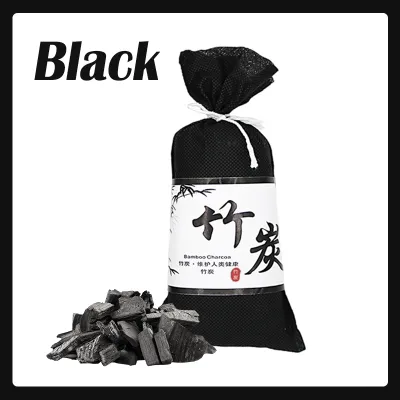
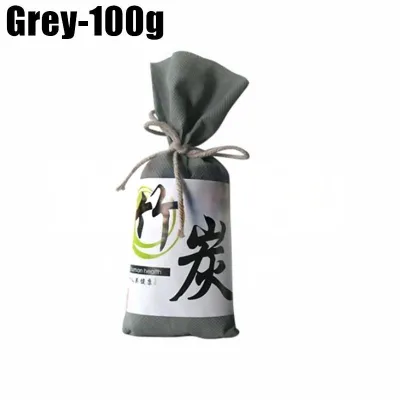
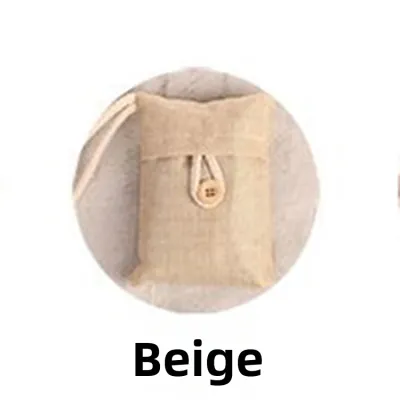
The packaging of the air freshener is just as critical as the material inside. Look for charcoal bags encased in highly breathable, tightly woven natural fabrics such as linen or cotton. These materials allow maximum airflow to pass through the charcoal while preventing fine black dust from leaking onto your car’s upholstery or dashboard. Avoid products housed in thick plastic containers with minimal ventilation holes, as these restrict air contact and severely limit the passive absorption process.
Net weight is another essential factor to consider when matching a product to your vehicle. A tiny pouch designed for a small drawer will not have enough surface area to purify the air in a spacious sports utility vehicle (SUV) or a family multi-purpose vehicle (MPV). For a standard sedan or hatchback in a high-humidity environment, look for bags with a net weight of at least 200 to 500 grams to ensure adequate coverage. Placing multiple smaller bags in different areas of the cabin can also help distribute the purification power more evenly.
When shopping, steer clear of charcoal products that are pre-infused with synthetic fragrances. While the combination of an absorber and a scent might seem convenient, these products often work against each other. The synthetic fragrance molecules can clog the charcoal’s pores, reducing its ability to absorb actual odors and moisture from the cabin. For the best results, choose pure, fragrance-free charcoal that focuses entirely on elimination rather than masking.
Optimal Placement and Maintenance in a Hot Car
To get the most out of a charcoal air freshener in Singapore’s climate, strategic placement is essential. You should position the bags in areas with natural air circulation, such as under the front seats, inside seatback pockets, or in the trunk space. Avoid placing the bags directly on top of the dashboard or in areas exposed to constant, direct sunlight during daily driving, as prolonged UV exposure can degrade the outer fabric bag over time. Additionally, keep them slightly away from direct air conditioning vents; placing them directly in the path of cold, dry air can cause the bag to dry out superficially without actually purifying the broader cabin air.
Because the high humidity will saturate the charcoal quickly, establishing a regular recharging routine is mandatory. Recharging is a simple process that involves taking the charcoal bags out of the vehicle and placing them in direct outdoor sunlight for at least two to three hours. The intense solar heat evaporates the trapped water vapor and causes the microscopic pores to release accumulated odor molecules, effectively resetting the charcoal’s absorption capacity. In Singapore’s climate, this recharging process should be performed at least once a month, or even fortnightly during the monsoon seasons when cabin moisture levels are exceptionally high.
While charcoal is highly durable, it does not last forever. Over time, certain heavy compounds and particulates become permanently lodged in the deepest pores, and solar recharging will no longer be sufficient to clear them. You can expect a high-quality charcoal bag to remain effective for about one to two years with regular monthly maintenance.
Clear physical signs will tell you when it is time to replace the bag entirely. If the cabin begins to retain a persistent musty smell even immediately after you have recharged the bag in the sun, the charcoal has likely reached its maximum saturation limit. Another warning sign is if the bag itself begins to feel heavy, damp, or emits a stale odor. When this occurs, the old charcoal can be cut open and recycled as a soil conditioner for household plants, and a fresh bag should be placed in the vehicle.
When to Consider Alternatives for Persistent Odors
While charcoal is an excellent tool for managing daily moisture and mild cabin mustiness, it is not a cure-all for severe interior issues. Passive absorption is a slow process that relies on natural air currents within the vehicle. If you are dealing with deep-seated odors from a major liquid spill, active mold growth in the air conditioning evaporator, or years of accumulated cigarette smoke, a charcoal bag alone will not solve the problem. These situations require identifying and eliminating the root source of the smell.
For comprehensive odor control, combine your use of charcoal bags with regular vehicle maintenance. This includes replacing your cabin air filter according to your vehicle manufacturer’s recommended schedule—typically every 10,000 to 15,000 kilometers, or more frequently if you regularly drive in dusty conditions. A clogged or moldy cabin air filter will continuously blow musty air into the cabin, rendering passive absorbers ineffective. Regularly vacuuming the carpets, wiping down leather surfaces with authorized interior cleaners, and cleaning up spills immediately will prevent odors from embedding into the fabric.
If a persistent, foul odor remains despite using charcoal and performing basic cleaning, it is highly advisable to consult a professional automotive detailing service. Professionals have access to specialized equipment, such as ozone generators, deep-extraction carpet shampooers, and aircon duct sanitizing tools, which can neutralize deep-seated bacteria and mold. Once the professional cleaning has restored the cabin to a neutral state, you can then reintroduce charcoal bags as a preventative measure to maintain that freshness and control daily moisture buildup.
Frequently Asked Questions (FAQ)
Can I leave charcoal air fresheners in the car overnight?
Yes, it is entirely safe to leave charcoal air fresheners in your vehicle overnight. Charcoal is a natural, non-toxic, and non-flammable material that does not pose any safety hazards when left unattended in a parked car. In fact, leaving the bags in the cabin overnight is highly beneficial, as they will continue to passively absorb moisture from the air while the vehicle is stationary. This continuous absorption helps lower the overall humidity inside the cabin, which can noticeably reduce the amount of morning condensation that forms on the inside of your windshield and windows.
Do charcoal bags eliminate the smell of food or smoke?
Charcoal bags can help reduce mild, lingering food smells over time, but they are generally not fast enough to eliminate strong, immediate odors from pungent foods or active cigarette smoke. Because charcoal relies on passive air circulation to trap molecules, it cannot keep up with the rapid release of heavy, particulate-laden odors. To address these strong smells, you must first remove the source, thoroughly clean any affected hard surfaces or fabrics, and ventilate the cabin by driving with the windows down. Once the bulk of the odor has been cleared, the charcoal bag can then be used to absorb any remaining faint traces.

Community discussion
Share your experience or ask a question. Comments are reviewed before publication.