
Choosing the right drying tool is one of the most critical decisions you can make for your vehicle’s exterior maintenance. Using the wrong material can quickly turn a clean car into a map of fine swirl marks and micro-scratches. For decades, the traditional leather chamois was the undisputed king of the wash bay, prized for its ability to pull water off panels leaving a dry surface. However, the rise of synthetic materials—specifically polyvinyl alcohol (PVA) and advanced microfiber weaves—has completely transformed the detailing landscape.
For most modern vehicles, high-quality microfiber is the safer and more versatile choice for drying paintwork due to its ability to trap residual dirt particles deep within its fibers. Chamois materials, especially synthetic PVA versions, remain highly efficient specialty tools for glass, mirrors, and rapid bulk water removal on perfectly clean surfaces. Understanding the physical properties, mechanical actions, and maintenance needs of these materials will help you protect your vehicle’s clear coat while achieving a spotless, streak-free finish.
Understanding Chamois: Natural Leather vs. Synthetic PVA
Traditional natural chamois is a type of porous leather made from the skin of sheep or lambs. Historically, this leather undergoes a specialized tanning process using marine oils, typically cod oil, which oxidizes within the skin to create an incredibly soft, open-pored material. This organic structure possesses a high affinity for water, making it a staple in classic automotive detailing for generations. When dragged across a flat panel, natural chamois relies on capillary action within its organic microscopic pores to lift and hold water, leaving a dry path behind it.
Products mentioned in this guide
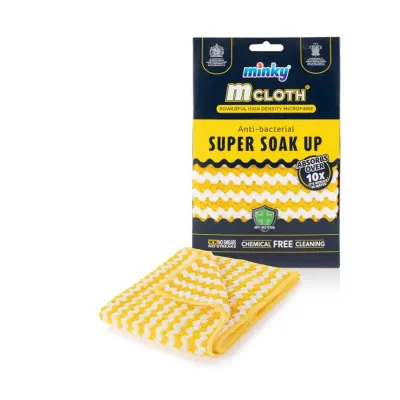
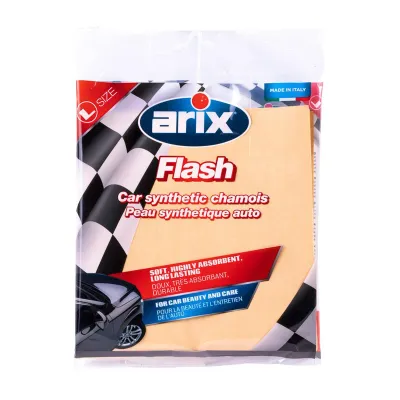
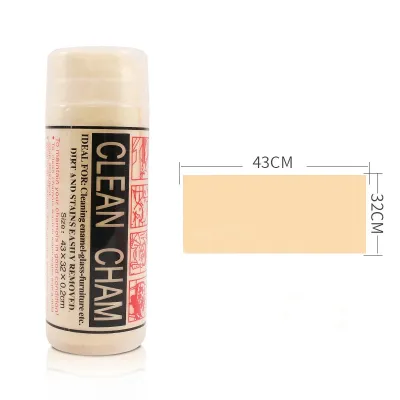
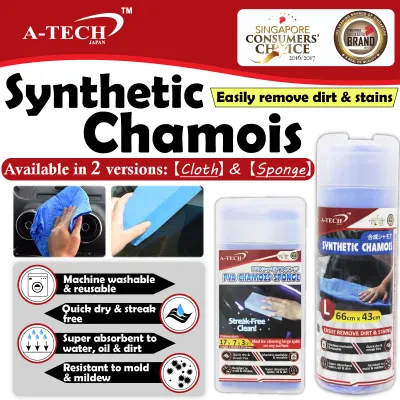
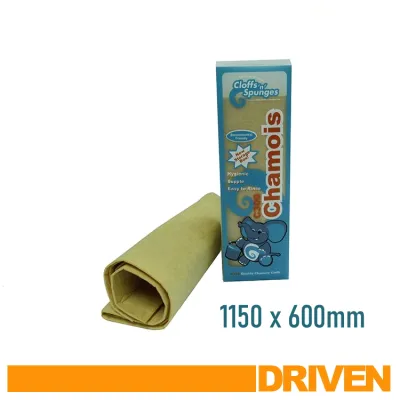
Prices are valid at publication and may change. Please refer to the product page for the latest price.
Modern detailing has largely shifted toward synthetic chamois, commonly referred to as PVA (polyvinyl alcohol) cloths. PVA is an open-cell, highly absorbent synthetic polymer engineered to mimic and exceed the water-retention capabilities of natural leather. Unlike natural leather, which can vary in thickness and quality, synthetic PVA chamois is uniform, highly durable, and resistant to the organic decomposition that can plague natural animal skins. It acts essentially like a dense, flat sponge that can absorb several times its dry weight in water through chemical water retention within its synthetic matrix.
Both natural and synthetic chamois are celebrated for their ability to leave a streak-free finish on flat panels and glass. Because they lay completely flat against the surface, they create a squeegee-like action that shears water off the vehicle. This flat contact area is highly effective at clearing large volumes of standing water quickly, making them a favorite among high-volume car washes and detailers working on flat, expansive panels.
How Microfiber Works for Car Drying
Microfiber is a synthetic textile engineered from a blend of polyester and polyamide fibers. Polyester provides the structural integrity, durability, and scrubbing power of the cloth, while polyamide is highly hydrophilic, giving the towel its exceptional water-absorbing properties. In premium automotive drying towels, you will typically see blends of 70% polyester and 30% polyamide (70/30) or 80% polyester and 20% polyamide (80/20), with the former generally offering superior softness and water absorption.

The secret to microfiber’s performance lies in its manufacturing process, where the ultra-fine strands are chemically or mechanically “split” during production. This splitting process divides a single fiber into multiple microscopic filaments that are a fraction of the width of a human hair. The split fibers create a star-shaped cross-section filled with tiny channels. These channels act like microscopic vacuums, using capillary force to draw water, dust, and microscopic debris up into the cloth rather than simply pushing them across the surface.
To suit different detailing tasks, manufacturers weave microfiber into distinct patterns, each behaving differently during the drying process:
- Waffle Weave: This texture features a recessed grid pattern resembling a kitchen waffle. The pockets in the weave reduce surface contact friction, allowing the towel to glide smoothly over glass and paint while trapping water in the recesses. It is highly efficient for light drying and glass cleaning.
- Twisted Loop: This modern design features long, twisted strands of microfiber stitched into dense loops. The twisted structure exposes more surface area of the polyamide fibers to the water, allowing the towel to absorb massive quantities of water rapidly without becoming saturated. This weave is ideal for heavy-duty, single-pass drying of entire vehicles.
- Plush Pile: These towels feature long, un-twisted, open-ended fibers that offer an incredibly soft feel. While excellent for buffing away waxes or quick detailers, they can occasionally become heavy and saturated more quickly than twisted loop towels when used for bulk drying.
Unlike traditional household cotton towels, which feature rounded, un-split organic fibers that push water around and shed lint, high-quality automotive microfiber is completely lint-free. The split synthetic fibers grab onto moisture and hold it securely within the fabric’s internal structure until the towel is washed or dried.
Chamois vs. Microfiber: Which Dries Better and Safer?
Comparing chamois and microfiber requires looking closely at how they interact with both water and the delicate clear coat of your vehicle. While both materials are highly effective at removing water, they do so using completely different physical mechanics, which directly impacts paint safety and user effort.
Absorbency and Water Capacity
Synthetic PVA chamois holds an exceptional amount of water relative to its thickness. When it becomes fully saturated, it can be wrung out by hand almost completely, returning to its highly absorbent state instantly. This means you can dry an entire vehicle with a single, relatively small PVA cloth simply by wringing it out periodically.
Heavyweight microfiber drying towels, particularly those utilizing a twisted loop weave, can hold a larger absolute volume of water in a single pass due to their sheer fabric mass. However, once a thick microfiber towel becomes fully saturated, it is incredibly difficult to wring out effectively by hand. To dry a large vehicle, you may need to swap to a second dry microfiber towel rather than attempting to wring out the first one.
Paint Safety and Scratch Risk
This is the most critical differentiator for modern clear-coat finishes. A chamois—whether natural leather or synthetic PVA—has a flat, smooth, non-porous surface. If even a single speck of road grit, dirt, or environmental fallout remains on your paint after washing, a chamois will trap that particle between its flat surface and the clear coat. As you drag the chamois across the panel, it drags the grit along with it, acting like fine sandpaper and creating micro-scratches, wash lines, and swirl marks.
Microfiber, by contrast, is inherently safer for automotive paint. The deep pile and microscopic channels of split microfiber allow tiny dirt particles to sink deep into the fabric, away from the paint surface. If you accidentally glide over a spot of missed dirt, the microfiber cushions the particle and traps it within the weave, minimizing the risk of dragging it across the clear coat.
Drying Speed and Technique
Using a chamois effectively requires a specific “blotting and dragging” technique. You must lay the cloth flat on the panel and pull it slowly toward you by its edges, or blot the surface to lift water without sliding. If the paint is completely dry, a chamois can “grab” or stick to the surface, making it difficult to slide and increasing physical strain.
Microfiber towels allow for a much more forgiving “gliding and absorbing” technique. Because of the reduced friction of weaves like the waffle weave or twisted loop, you can easily glide a large towel across the paint with minimal effort. You can also hold the towel by two corners and sweep it across hoods, roofs, and trunks, drying entire panels in seconds without the material sticking or binding.
Streaking and Lint
On glass, mirrors, and chrome, a clean synthetic PVA chamois is exceptionally good at leaving a streak-free, spot-free finish because it leaves no fibers behind. Microfiber is also lint-free, but if a microfiber towel is slightly dirty or saturated, it can leave behind micro-droplets of water that dry into tiny spots. For intricate trim pieces, badges, and grilles, microfiber easily conforms to complex shapes, whereas a stiff or flat chamois cannot easily reach into tight gaps.
| Feature | Natural Chamois | Synthetic Chamois (PVA) | Microfiber Drying Towel |
|---|---|---|---|
| Material Composition | Cod-oil tanned sheepskin | Polyvinyl Alcohol polymer | Polyester/Polyamide blend |
| Water Trapping Mechanism | Capillary action in organic pores | Chemical absorption in open cells | Capillary action in split fibers |
| Scratch Risk Profile | High (drags trapped grit) | Moderate to High (drags grit) | Low (absorbs grit into pile) |
| Wringing Efficiency | Moderate (requires care) | Excellent (wrings out easily) | Poor (difficult to wring by hand) |
| Best Use Case | Classic single-stage paint, glass | Glass, mirrors, bulk water removal | Modern clear coats, delicate trim |
How to Choose the Right Drying Towel for Your Needs
Selecting the right drying tool depends heavily on your vehicle’s paint type, your detailing habits, and your local environment. Always consult your vehicle’s care manual or any aftermarket coating documentation before selecting detailing tools, as specialized finishes like matte paint or ceramic coatings may have specific manufacturer-recommended drying protocols.
When to Choose Microfiber
Microfiber should be the primary drying tool for almost all modern vehicles featuring clear-coat paint systems. Because modern clear coats are relatively soft and highly susceptible to swirl marks, the safety margin provided by microfiber’s dirt-trapping pile is indispensable. It is the best choice for:
- Standard maintenance washes where minor dust or residual road film might still be present.
- Drying large vehicles like SUVs and vans, where a large twisted-loop towel can complete the job quickly without needing constant wringing.
- Enthusiasts who prefer the convenience of machine-washing and drying their detailing towels.
When to Choose Synthetic Chamois (PVA)
Synthetic PVA chamois is best utilized as a specialized, supplementary tool rather than a primary paint-drying cloth. Consider using a PVA chamois for:
- Drying glass surfaces, side mirrors, and chrome trim where a streak-free, lint-free finish is the highest priority.
- Performing rapid "water blading" on flat panels immediately after a rinse to remove the bulk of standing water before finishing the delicate paintwork with a plush microfiber towel.
- Quick clean-ups of large water spills on non-painted surfaces.
The Case Against Natural Chamois for Modern Paint
Natural leather chamois is generally discouraged for modern clear-coated vehicles. Beyond the high risk of scratching paint due to its flat profile, natural chamois requires a high level of maintenance to keep it soft. If allowed to dry out completely, it becomes stiff and brittle, and using it in this state can severely abrade paint. Additionally, the natural oils in the leather can sometimes leave a light residue that interferes with modern synthetic paint sealants or ceramic coatings.
Environmental Considerations
Your local climate plays a major role in how you store and use these materials. In high-humidity environments, such as Singapore, drying times are extended, and mold or mildew can quickly ruin damp textiles. Microfiber towels must be hung in well-ventilated, shaded areas to dry completely after washing to prevent sour mildew odors.
Conversely, a synthetic PVA chamois must be stored slightly damp inside its plastic canister to prevent it from drying into a rock-hard sheet. In a tropical, humid climate, storing a damp synthetic material in a sealed container creates a prime breeding ground for mold and bacteria if the cloth is not thoroughly cleaned and sanitized. If you choose to use a PVA chamois in a humid environment, you must ensure it is meticulously rinsed with clean water and periodically checked for any signs of biological growth.
Care and Maintenance: Keeping Your Drying Towels Safe for Paint
Improperly maintained drying tools are one of the leading causes of paint damage. Dirt, wax residues, and mineral deposits can accumulate in the fibers of your towels, turning once-safe materials into abrasive hazards. Following strict care protocols is essential to preserve the performance and safety of your drying gear.
Microfiber Care
To keep microfiber soft and effective, you must wash it correctly. Always wash microfiber towels separately from other fabrics, especially cotton towels, as microfiber will pull the lint right out of cotton and clog its split fibers.
Use a dedicated microfiber wash solution or a mild, liquid laundry detergent that is free of perfumes, dyes, and fabric softeners. Fabric softeners work by coating fibers with a thin layer of lubricating chemicals, which completely clogs the microscopic channels in microfiber, destroying its absorbency. Wash on a cold or warm cycle.
When drying, air-dry the towels in a clean, dust-free environment, or tumble dry them on the lowest heat setting. High heat will melt the polyester and polyamide fibers, turning the soft tips into hard, scratchy plastic edges that will ruin your vehicle’s paint.
Synthetic Chamois (PVA) Care
Synthetic PVA chamois requires the exact opposite storage method of microfiber. A PVA cloth must never dry out completely. If it dries out, it hardens into a stiff, cardboard-like state. Attempting to bend or unfold a dry PVA chamois can crack and ruin the material, and dragging a stiff chamois across paint will cause severe scratching.
After each use, rinse the PVA chamois thoroughly with clean, warm water to remove any trapped dirt or soap residues. Wring it out tightly so that it remains damp but not dripping wet. Fold it neatly and place it back inside its original plastic storage tube. If you notice a musty smell or mold spots developing, rinse the cloth in warm water mixed with a tiny drop of mild, non-bleach disinfectant, then rinse thoroughly with clean water before storing.
Natural Chamois Care
Natural leather chamois demands a highly labor-intensive maintenance routine. After use, you must wash it in lukewarm water using a mild, pH-neutral soap or a specialized leather cleaner. Never use harsh household detergents, degreasers, or hot water, as these will strip the natural oils from the leather, causing it to dry out, shrink, and crack.
Rinse the leather thoroughly in clean water, gently squeeze out the excess moisture (never wring or twist natural leather harshly), and stretch the skin back into its original shape. Hang it to dry naturally in a shaded, well-ventilated area away from direct sunlight or heating vents. Once dry, gently rub the leather against a clean, smooth surface to soften the fibers before storing it in a dry, dust-free drawer.
When to Replace Your Drying Tools
No drying tool lasts forever, and using a degraded cloth poses a direct threat to your vehicle’s finish. Inspect your tools regularly and replace them if you observe any of the following warning signs:
- Microfiber: Replace if the fibers become matted, stiff, or feel rough to the touch even after a proper wash. If the towel loses its absorbency or begins leaving streaks of water that do not evaporate quickly, it has reached the end of its service life.
- Synthetic Chamois (PVA): Replace if the material begins to tear, flake, or peel apart. If the cloth develops persistent black mold spots or deep stains that cannot be washed out, discard it to avoid transferring bacteria and mold to your vehicle.
- Natural Chamois: Replace if the leather becomes permanently stiff, brittle, thin in certain areas, or begins to shed small particles of leather dust onto the vehicle during use.
Frequently Asked Questions (FAQ)
Can I use a regular household bath towel to dry my car?
No, you should never use standard household cotton bath towels to dry your vehicle’s paint. Cotton bath towels are woven with large, rounded loops of un-split fiber that are designed to absorb water but lack the microscopic channels found in automotive microfiber. These cotton loops cannot trap residual dirt particles safely; instead, they press any leftover road grit directly against the clear coat, dragging it across the surface and creating severe swirl marks and scratches. Additionally, household cotton towels tend to shed significant amounts of lint, leaving your freshly washed car covered in tiny fibers.
Is a twisted loop microfiber towel better than a waffle weave for drying?
Twisted loop and waffle weave microfiber towels excel at different tasks. A twisted loop towel features long, dense, twisted fiber loops that offer a massive water capacity, making it the superior choice for drying large body panels quickly in a single pass. A waffle weave towel has less overall fabric mass and absorbency but features a low-profile, recessed grid design that glides with very low friction. This makes waffle weave towels highly effective for cleaning glass, mirrors, and performing final touch-ups without leaving streaks or water spots.
How do I safely soften a stiff synthetic chamois?
If your synthetic PVA chamois has dried out and hardened into a stiff board, do not attempt to force it open, bend it, or pull it apart, as this will tear and permanently damage the material. To safely restore its flexibility, submerge the hardened chamois completely in a bucket of clean, warm water. Allow it to soak undisturbed for several minutes. As the PVA polymer absorbs the water, it will gradually soften and regain its pliable, spongy texture. Once it is completely soft, gently wring out the excess water, and it is ready to be used safely on your vehicle.
Community discussion
Share your experience or ask a question. Comments are reviewed before publication.