
Quick Answer: What Actually Protects Your Car Paint?
Paint protection in Singapore’s intense climate requires understanding what each product actually does. Polish does not protect your car; it is an abrasive correction step that leaves the paint bare. For actual protection, ceramic sprays generally outlast traditional car waxes in high-heat and high-rain environments due to their robust chemical structure. However, the actual longevity of any protective layer under tropical conditions depends strictly on manufacturer label specifications, proper surface preparation, and observable water-beading behavior rather than fixed calendar dates.
Clarifying the Roles: Polish, Wax, and Ceramic Spray
To keep your car’s exterior in top condition, you must first distinguish between paint correction and paint protection. Many car owners mistakenly believe that polishing a car adds a protective layer. In reality, a polish is an abrasive or chemical cleaner designed to shave down microscopic layers of clear coat to remove oxidation, fine scratches, and swirl marks. Because polishing leaves the clear coat completely bare and vulnerable to environmental damage, you must always follow it with a dedicated protectant.

Traditional car wax serves as a classic sacrificial barrier. Whether formulated from natural carnauba or synthetic polymers, wax sits on top of the paint to provide a warm, deep gloss and basic water repellency. Carnauba wax, harvested from Brazilian palm trees, is highly prized for its deep aesthetic shine but has a relatively low melting point. Because wax does not form a chemical bond with the clear coat, it remains highly sensitive to heat and environmental friction.
Products mentioned in this guide
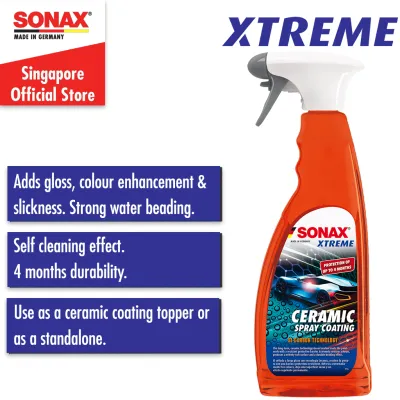
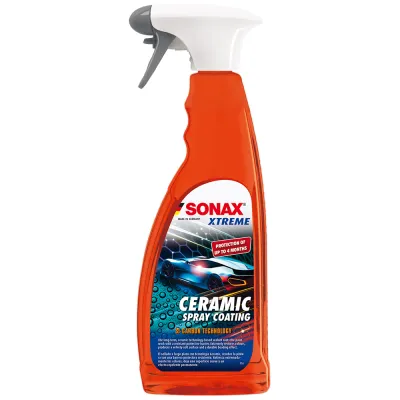
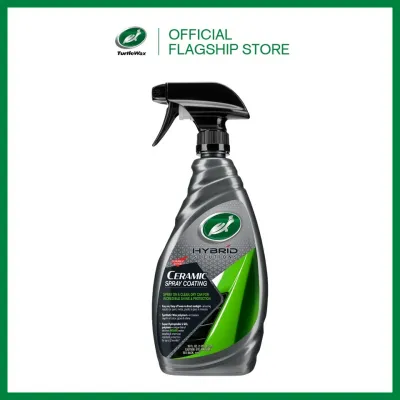
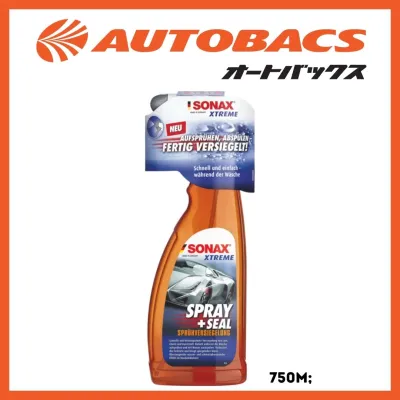
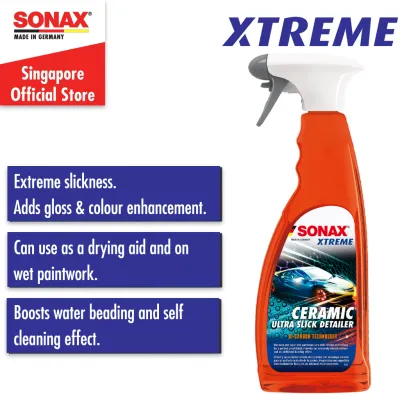
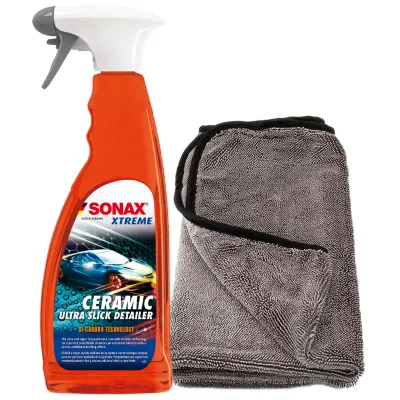
Prices are valid at publication and may change. Please refer to the product page for the latest price.
Ceramic sprays, including SiO2-based options like Sonax ceramic spray, represent a different class of protection. These products utilize silicon dioxide nanoparticles that chemically bond with the clear coat. This bonding process creates an inorganic, highly hydrophobic barrier that offers greater chemical resistance and durability compared to organic waxes. Instead of sitting loosely on the surface, the ceramic particles integrate with the paint to form a semi-permanent shield.
How Singapore's Tropical Climate Degrades Paint Protection
Singapore’s climate presents a unique set of challenges for any paint protection product. The intense, year-round ultraviolet (UV) radiation is the primary enemy of organic compounds. Traditional car waxes, which rely heavily on natural oils and weak polymer chains, degrade rapidly when exposed to constant high temperatures and direct sunlight, causing the protective layer to melt or evaporate far more quickly than it would in temperate climates.
Frequent and heavy monsoon rains compound this degradation. When rainwater mixes with atmospheric humidity, it creates a highly active environment for chemical breakdown. If a protective layer is poorly cured or lacks strong hydrophobic properties, the physical impact of heavy downpours can wash the protection away, leaving the paint exposed to moisture and promoting severe water spotting.
Furthermore, urban environments expose vehicles to aggressive contaminants such as industrial fallout, tree sap, and highly acidic bird droppings. Without a chemically resistant barrier, these substances can quickly penetrate the clear coat, causing permanent etching. Ceramic sprays excel here because their inorganic structure is far less reactive to acidic contaminants than traditional wax, helping to prevent permanent damage to the underlying paint.
Durability and Performance: Ceramic Spray vs. Car Wax
When deciding between a ceramic spray and a car wax, durability and maintenance effort are the key deciding factors. While marketing materials often promise months of protection, you should always check the manufacturer labels for tropical degradation caveats. In high-humidity regions, the actual lifespan of any product is significantly shorter than the maximum duration advertised for cooler, drier climates.
The hydrophobic behavior of these products also differs dramatically. Ceramic sprays typically offer much stronger water sheeting and tighter water-beading angles. This rapid shedding of water is crucial during sudden tropical downpours, as it prevents large pools of water from sitting on the hot hood and forming stubborn mineral deposits. This water-sheeting action also creates a self-cleaning effect, allowing light dirt to slide off the vehicle during rain.
However, this enhanced performance comes with a trade-off in application effort. Applying a ceramic spray requires meticulous surface preparation, including thorough washing, claying, and chemical decontamination to ensure the SiO2 particles can bond directly to the clear coat. Furthermore, ceramic sprays require strict curing conditions—typically requiring a shaded, low-humidity environment for several hours—whereas traditional paste or liquid waxes are highly forgiving and can be applied with minimal prep.
Maintenance and Reapplication Guide for High Humidity and Rain
To maximize the lifespan of your chosen protective layer, you must adopt safe washing techniques. Always use a pH-neutral car shampoo, as harsh alkaline or highly acidic detergents will rapidly strip away both waxes and ceramic sprays. Wash your vehicle in the shade using the two-bucket method to minimize physical friction and prevent swirl marks from being ground into the protective layer.
Rather than relying on a fixed calendar schedule, use visual inspection to determine when it is time to reapply your protectant. Observe how water behaves on the clean paint surface: if water beads lose their tight, round shape and begin to pool or sheet off very slowly, the protective layer has degraded and requires a fresh application. Regular inspection ensures you never leave your paint unprotected.
Avoid using harsh alkaline traffic film removers, abrasive polishes, or automatic car washes equipped with stiff plastic brushes. These mechanical and chemical stressors will quickly abrade the protective barrier, forcing you to prep and apply the product all over again. Instead, use dedicated microfiber drying towels to gently remove water after washing.
If you notice that your clear coat already exhibits severe oxidation, deep etching, or clear coat failure, stop and consult a professional detailer. Applying a ceramic spray or wax over damaged paint will not restore the finish and may lock in the defects, requiring professional correction to resolve.
Frequently Asked Questions (FAQ)
Can I apply ceramic spray over car wax?
No, you should not apply a ceramic spray over a layer of car wax. Ceramic sprays rely on a direct chemical bond with the bare clear coat to achieve their promised durability and performance. If you apply a ceramic spray over wax, the SiO2 particles will bond to the temporary wax layer instead of the paint, causing the ceramic protection to wash off as soon as the underlying wax degrades. Always strip away old wax before applying a ceramic spray.
Why does my paint still get water spots after applying ceramic spray?
While ceramic sprays create excellent hydrophobic properties that cause water to bead, they do not make your car completely immune to hard water spots. When rainwater or tap water beads up on a hot surface, the intense tropical sun can quickly evaporate the water, leaving behind concentrated mineral deposits. To prevent these minerals from etching into your coating or clear coat, you should dry your vehicle promptly after rain or park in a sheltered garage whenever possible.
Community discussion
Share your experience or ask a question. Comments are reviewed before publication.