
Maintaining your vehicle’s exterior in Singapore’s harsh tropical climate requires a clear understanding of the different paint care options available. While many car owners use the terms polishing, waxing, and ceramic coating interchangeably, these processes serve entirely different purposes. Choosing the wrong method can lead to wasted effort, unnecessary expenses, or even permanent damage to your car’s clear coat.
To protect your investment, you must distinguish between correction and protection. Polish is an abrasive treatment designed to restore paint clarity by removing defects, whereas wax and ceramic coatings are protective layers applied on top of the paint. Deciding which option suits your vehicle depends on your paint’s current condition, your budget, and how much time you can dedicate to routine maintenance.
Defining the Basics: What Polish, Wax, and Ceramic Coatings Actually Do
To prevent misuse and set realistic expectations for your detailing routine, it is essential to understand the fundamental function of each product. Using a product for the wrong purpose can result in poor performance or accidental paint damage.
Products mentioned in this guide
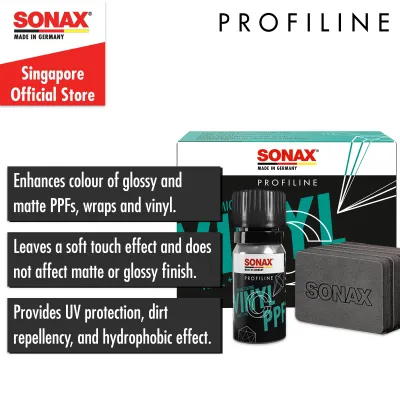
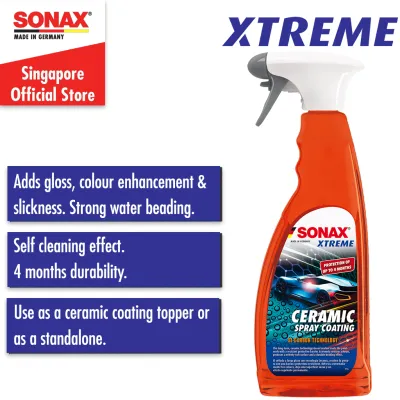
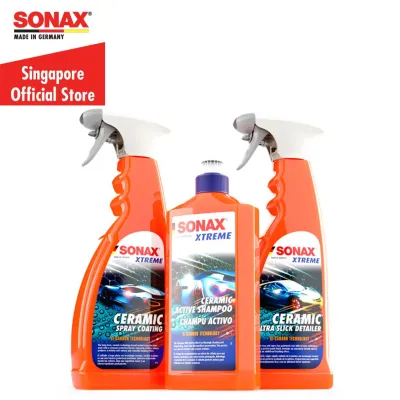
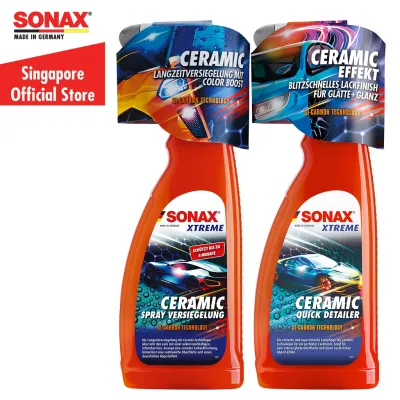
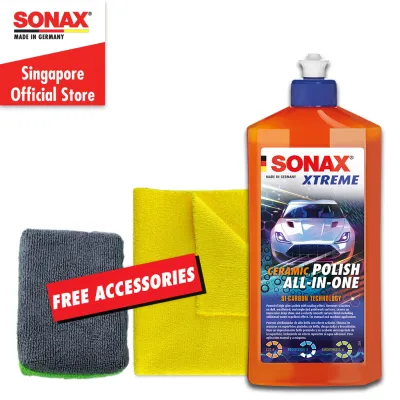
Prices are valid at publication and may change. Please refer to the product page for the latest price.
Polish is an abrasive compound designed specifically for defect removal and clear coat leveling. It is not a protectant and contains no protective waxes or polymers. Instead, polish physically removes a microscopic layer of your car’s clear coat to eliminate fine scratches, swirl marks, and oxidation, restoring a smooth, reflective surface. Applying polish to a clean car without following up with a protectant leaves the bare paint completely vulnerable to environmental damage.
Wax is a natural or synthetic sacrificial layer that provides gloss and short-term environmental shielding. Traditional waxes, often formulated with natural carnauba, sit on top of the paint surface to fill in minor imperfections and create a warm, deep shine. Synthetic waxes, often referred to as paint sealants, offer similar functionality but utilize man-made polymers to extend the lifespan of the protective barrier.
Ceramic coatings are silica-based liquid polymers that chemically bond to the vehicle’s clear coat to provide durable, long-term protection. Unlike wax, which simply sits on top of the paint, a ceramic coating cures and integrates with the surface. This chemical bond creates a semi-permanent, highly hydrophobic shield that repels water, dirt, and environmental contaminants far more effectively than traditional alternatives.
Comparing Protection, Durability, and Maintenance
Evaluating the longevity and upkeep of each option helps you choose a product that fits your lifestyle rather than relying on exaggerated marketing claims. Singapore’s intense ultraviolet radiation, frequent tropical downpours, and acidic bird droppings present a constant threat to automotive paint, making robust protection essential.

While wax provides a basic sacrificial layer, its resistance to harsh chemicals and high temperatures is limited. You must check specific product labels to understand the chemical resistance limits of your chosen wax or coating, as some may degrade quickly when exposed to strong alkaline cleaners or acidic environmental fallout. Ceramic coatings offer significantly higher chemical resistance, shielding the paint from environmental hazards that would easily strip away a standard wax.
Hydrophobic properties are particularly crucial in Singapore’s humid climate. Ceramic coatings excel at shedding water, which helps prevent dirt from adhering to the surface during sudden rainstorms. However, this high surface tension can sometimes lead to water spotting if rainwater is allowed to dry under the hot sun. The minerals in the water can bake onto the coating, requiring specialized water spot removes to clear without damaging the protective layer.
The expected lifespan of these treatments varies significantly based on environmental exposure and maintenance habits. A car parked daily in an open-air lot will experience faster degradation than one kept in a sheltered HDB multi-storey car park. To visually verify if your paint protection is degrading, observe how water behaves on the surface during a wash. If water flatlines or sheets slowly instead of forming tight, round beads, the protective layer has likely worn thin and requires maintenance or reapplication.
Application Process and Preparation Requirements
Applying paint protection requires careful preparation to avoid locking in defects or causing product failure. The success of any wax or ceramic coating depends almost entirely on the quality of the prep work performed beforehand.
Before applying either wax or a ceramic coating, a thorough decontamination process is mandatory. This involves washing the vehicle, using an iron remover to dissolve embedded metallic fallout, and running a clay bar over the surface to remove bonded contaminants. If you skip these steps, you risk trapping dirt beneath the protective layer, which can ruin the finish and prevent proper bonding.
Curing conditions are another critical factor, especially for ceramic coatings. Singapore’s high ambient humidity and warm temperatures can drastically alter the flashing time of a coating—the window of time you have to wipe away excess product before it hardens. Applying a coating in direct sunlight or high humidity can lead to “high spots,” which appear as dark, oily, or hazy patches that are difficult to remove once cured. A shaded, well-ventilated, and dust-free environment is essential for a successful application.
Knowing your limits is vital when attempting a DIY application. While applying wax is highly forgiving, ceramic coatings and machine polishing require a steady hand and experience. If your paint requires deep scratch removal, or if you lack a controlled indoor space to let a ceramic coating cure undisturbed for the recommended hours, it is best to stop and consult a professional detailer. Attempting advanced paint correction without a paint depth gauge can result in burning through the clear coat, which requires an expensive respray to fix.
Evaluating Costs and Long-Term Value
Understanding the financial commitment of each option involves looking beyond the initial purchase price. A basic bottle of car wax or polish is highly affordable, typically costing under S$30 to S$50, allowing for multiple DIY applications. In contrast, professional ceramic coating packages in Singapore can range from a few hundred to over a thousand S$. This higher upfront cost reflects the intensive labor required for professional paint correction, decontamination, and the application of professional-grade coatings in a climate-controlled booth.
There are also hidden maintenance costs to consider. To preserve a ceramic coating, you cannot simply run your car through a commercial automatic car wash, which can scratch the surface and degrade the coating with harsh chemicals. You will need to invest in pH-neutral car shampoos, dedicated maintenance toppers or booster sprays, and high-quality microfiber towels. Microfiber towels must be washed carefully and replaced regularly, as trapped dirt particles can easily scratch your protected paint.
Reapplication frequency ultimately dictates the total cost of ownership over several years. While a wax is cheap, it must be reapplied every few weeks or months to maintain protection, demanding significant time and effort. A ceramic coating, though expensive initially, can protect your vehicle for years when properly maintained, making it a highly cost-effective solution for long-term vehicle ownership.
Decision Framework: Which Paint Protection Fits Your Needs?
To choose the right path for your vehicle, evaluate your paint’s current condition, your lifestyle, and your detailing preferences.
Choose Polish if your car’s paint exhibits noticeable swirl marks, fine scratches, or a dull, oxidized appearance. Polishing is a corrective step, not a protective one, so you must always follow it with a wax, sealant, or ceramic coating to lock in the restored gloss and protect the bare clear coat.
Choose Wax if you enjoy spending your weekends caring for your car and prefer a warm, deep, organic gloss. Waxing is an excellent, low-risk option for enthusiasts who do not mind performing regular reapplication every few weeks to keep their vehicle looking its best.
Choose Ceramic Coating (such as Sonax ceramic products) if you want maximum durability, exceptional hydrophobic water-beading, and a slick surface that makes routine washing much faster and easier. This is the ideal choice for busy car owners who want long-term protection against Singapore’s intense UV rays and frequent rain without the need for constant reapplication.
Before making your final decision, verify the physical condition of your vehicle’s paint. If the clear coat is already failing—indicated by peeling, cracking, or white chalky patches—neither wax nor ceramic coating will restore or save it; the panel will require a professional respray. Additionally, if you are unsure about your paint’s thickness or if the car is parked permanently outdoors in high-exposure areas, consulting a professional detailer for a paint depth inspection is the safest way to prevent accidental damage.
Frequently Asked Questions (FAQ)
Can I apply a ceramic coating over existing wax?
No, you cannot apply a ceramic coating directly over an existing layer of wax or paint sealant. Ceramic coatings rely on forming a direct chemical bond with the silica molecules in your car’s clear coat. Wax acts as a physical barrier on top of the paint, which will prevent the ceramic coating from adhering properly, leading to premature failure and uneven protection. To prepare your vehicle for a ceramic coating, you must thoroughly strip away any existing wax using a dedicated wax-stripping shampoo, followed by a panel prep spray or a light polishing step to ensure a completely bare, clean surface.
Does polish remove ceramic coating?
Yes, polishing will mechanically remove a ceramic coating from your vehicle’s paint. Because polishes contain abrasive particles designed to level the clear coat, the friction and cutting action of the polish will quickly abrade and strip away the thin, cured ceramic layer. While this means you should avoid polishing a freshly coated car during routine maintenance, it is a necessary technique when you need to remove a failing or damaged coating. Polishing is the standard method used by detailers to strip old ceramic layers, correct severe water spotting, or prepare the paint surface for a brand-new coating application.

Community discussion
Share your experience or ask a question. Comments are reviewed before publication.