
Choosing the right paint care method for your vehicle requires understanding that there is no single, universally superior option. The ideal choice depends on your vehicle’s current paint condition, your budget, and your willingness to perform ongoing maintenance. While car polish is primarily a corrective treatment designed to remove surface imperfections, wax and ceramic coatings are protective layers that shield your paint from environmental damage. Understanding how these three products interact and differ is the first step toward maintaining a pristine, glossy finish on your vehicle.
Understanding the Core Differences
To keep your car looking its best, you must first distinguish between paint correction and paint protection. These terms are often used interchangeably by mistake, leading to improper application and disappointing results.
Car polish is an abrasive compound. Its primary purpose is not to protect your paint, but to restore it. When you apply polish, the microscopic abrasives gently shave down a tiny fraction of your vehicle’s clear coat. This process levels the surface, eliminating fine scratches, swirl marks, oxidation, and water spots. Because polish leaves the paint bare and unprotected, you must always apply a protective sealant, wax, or coating immediately afterward to prevent environmental damage.
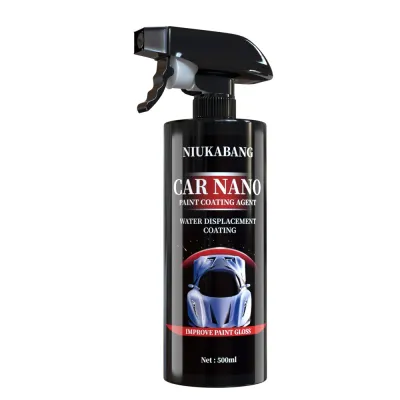
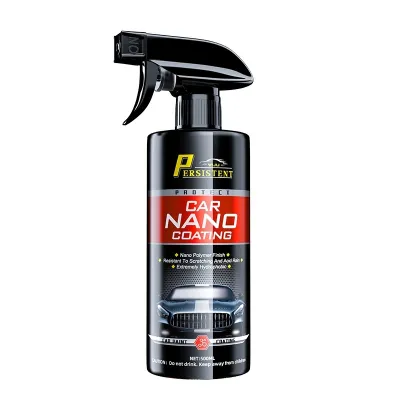
Products mentioned in this guide
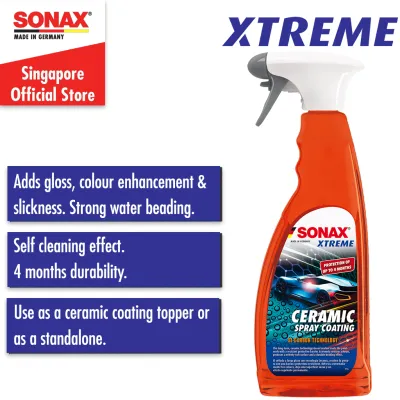
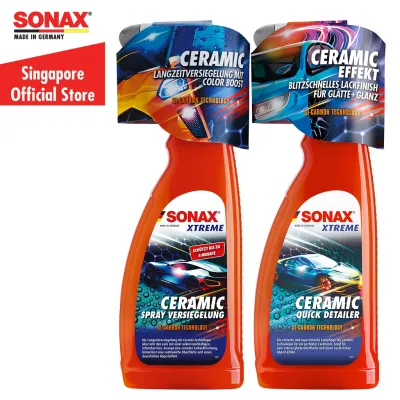
![[SG Stock]🇺🇸NO.1 Car Coating Spray Nano✅Ceramic Coating Spray Paint / Automotive Care Scratch Remover Repair Polish Wax Waterless Wash Waterproof Hydrophobic Spray汽车抛光镀膜剂](https://img.lazcdn.com/g/p/2bba12901b2bb2d755549c6a6f6bd75f.jpg_400x400q80.jpg_.webp)
![[SG In Stock]Car Ceramic Coating Automotive Coating Nano Car Care Polish 500ML Nano Ceramic Coating Spray/Automotive Care](https://img.lazcdn.com/g/p/83567248d0f46fa4511871a48952c5d4.jpg_400x400q80.jpg_.webp)
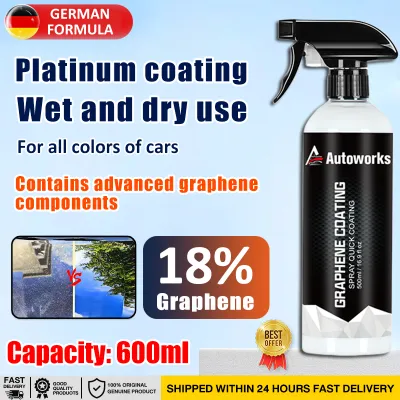
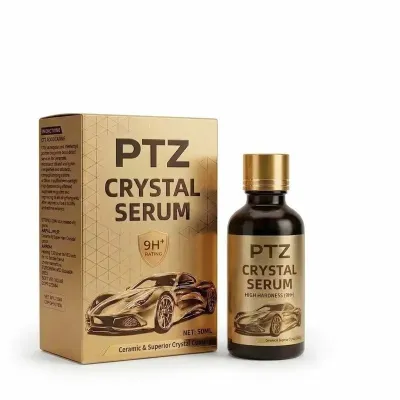
Prices are valid at publication and may change. Please refer to the product page for the latest price.
Car wax is a traditional sacrificial barrier that sits on top of your vehicle’s clear coat. It can be formulated from natural sources, such as carnauba wax derived from Brazilian palm trees, or synthetic polymers often referred to as paint sealants. Wax fills in microscopic paint imperfections to create a smooth, reflective surface that repels water and contaminants. However, because it merely sits on the surface without bonding chemically, it is highly susceptible to heat, UV rays, and harsh detergents.
Ceramic coating represents a more advanced chemical approach to paint protection. Typically formulated with silicon dioxide (SiO2) or titanium dioxide, these liquid polymers chemically bond with your vehicle’s factory clear coat on a molecular level. Once cured, a ceramic coating forms a semi-permanent, hydrophobic glass-like layer. This layer does not wash off easily and provides a durable shield against environmental contaminants, UV radiation, and light chemical etching.
Comparing Durability, Effort, and Maintenance
When deciding between these options, you must evaluate how much time and effort you are willing to invest initially and over the lifespan of the product. The durability of each method varies significantly based on environmental exposure, washing frequency, and product quality.

Traditional car wax offers temporary protection. In tropical climates with intense sun, high humidity, and frequent heavy downpours, a standard natural wax may only last a few weeks before degrading. Synthetic wax sealants generally offer better resilience, sometimes lasting a few months. Because of this limited lifespan, maintaining continuous protection with wax requires regular, recurring applications throughout the year.
Ceramic coatings offer vastly superior durability, often designed to last for multiple years when properly maintained. However, achieving this longevity requires an immense amount of preparation effort. Before applying a ceramic coating, the paint must be completely free of contaminants and defects. This preparation process involves a thorough wash, iron decontamination, clay bar treatment, machine polishing to correct defects, and a final isopropyl alcohol wipe to remove any remaining polishing oils. Any imperfections left on the paint will be locked beneath the semi-permanent ceramic layer.
Ongoing maintenance routines also differ between the two protective methods. Waxed vehicles are relatively easy to maintain but require frequent reapplication. Ceramic-coated vehicles require specific care to preserve their hydrophobic properties. You must use pH-neutral car shampoos, as highly acidic or alkaline cleaners can degrade the coating over time. Additionally, applying a dedicated ceramic maintenance topper every few months helps rejuvenate the hydrophobic top layer and extends the overall lifespan of the coating. To prevent scratching the coating, you should also avoid automatic drive-through car washes that use aggressive mechanical brushes.
Evaluating Costs and Implementation Routes
The financial investment and application complexity are major deciding factors for most vehicle owners. Understanding the cost structures of DIY versus professional application will help you choose a path that fits your budget and skill level.
DIY application is highly cost-effective. Off-the-shelf waxes, polishes, and consumer-grade ceramic coating kits are readily available at automotive care retailers. A basic DIY setup allows you to protect your vehicle for a fraction of the cost of a professional service. However, DIY ceramic coating carries significant risks. Ceramic coatings have specific “flash times”—the window of time the liquid polymer must sit on the paint before being buffed off. If you fail to level the coating within this window, it will cure unevenly, leaving unsightly “high spots” that appear as dark, cloudy, or rainbow-colored streaks. Removing cured high spots typically requires mechanical machine polishing.
Professional detailing services offer a risk-free but significantly more expensive route. In Singapore, professional detailing packages can range from a few hundred to well over S$1,000, depending on the size of your vehicle, the number of paint correction stages required, and the quality of the coating used. Professional detailers operate in climate-controlled, dust-free environments, which are crucial for the proper curing of ceramic coatings. They also possess the expertise and specialized equipment, such as dual-action polishers and paint depth gauges, to safely correct your paint before application.
If you have a clean, covered garage, access to proper lighting, and experience with paint preparation, a DIY ceramic coating is a viable project. However, if you park your vehicle in an open HDB or condominium car park where dust, humidity, and sudden rain showers are common, seeking a professional detailer is highly recommended to ensure a flawless application.
Decision Framework: Which Option Fits Your Situation?
To determine the best approach for your vehicle, consider your paint’s current condition, your budget, and your lifestyle.
You should choose Polish if your vehicle’s paint exhibits visible defects, swirl marks, light scratches, or a dull, oxidized appearance. Polishing is a corrective step, not a protective one, so you must follow it with either a wax or a ceramic coating to lock in the restored shine.
You should choose Wax if you prefer a budget-friendly approach, enjoy the hands-on process of detailing your car on weekends, and do not mind reapplying protection every few weeks or months. Wax is highly forgiving, making it excellent for beginners or those who prefer a warm, deep gloss over a glassy, reflective shine.
You should choose Ceramic Coating if you prioritize long-term hydrophobic performance, want to make routine washing much easier, and have the budget for professional application or the controlled environment required for DIY. It is the ideal choice for owners of new vehicles or those who have just completed a professional paint correction.
Before making your final decision, always verify the condition of your vehicle’s paint. If your car has aftermarket paint or has recently been resprayed, consult the body shop, as new paint often requires several weeks to fully cure and outgas before any protective coating or wax can be safely applied. Additionally, check if your vehicle has any existing paint protection warranties that dictate specific maintenance products or professional inspections. Always verify product compatibility by checking the manufacturer’s label before applying any polish, wax, or coating to aftermarket paint, matte finishes, plastic trim, or rubber seals, as some formulations can cause staining or damage to non-painted surfaces.
Frequently Asked Questions (FAQ)
Can I apply wax over a ceramic coating?
While you can physically apply wax over a ceramic coating, it is generally not recommended. Ceramic coatings are engineered with high surface tension to repel water, dirt, and oils. Applying a traditional wax over this layer can mask the coating’s superior hydrophobic and self-cleaning properties. The wax will attract more dust and road grime than the bare ceramic coating would. If you want to add an extra layer of protection or slickness to your ceramic coating, use a dedicated, SiO2-based ceramic maintenance spray or topper recommended by the coating manufacturer.
Does polish remove ceramic coating or wax?
Yes, polishing will remove both wax and ceramic coatings. Because polish contains abrasive particles designed to level the clear coat, the mechanical friction will easily strip away any temporary wax or synthetic sealant. Similarly, even a fine finishing polish can degrade or completely remove a semi-permanent ceramic coating. If you plan to apply a fresh layer of ceramic coating or wax, you must first polish the vehicle to ensure all old, degraded protective layers are completely removed, allowing the new product to bond directly to the clean clear coat.
Is ceramic coating worth it for an older car?
Ceramic coating can be highly beneficial for an older car, but it requires careful evaluation. Because ceramic coatings are semi-permanent and highly reflective, they will lock in and highlight any existing paint defects, such as scratches, swirls, and oxidation. Therefore, an older car must undergo extensive, multi-stage paint correction before the coating is applied, which can significantly increase the overall cost. Before proceeding, have a professional detailer inspect your vehicle’s clear coat thickness to ensure there is enough paint left to safely polish and coat.

Community discussion
Share your experience or ask a question. Comments are reviewed before publication.