
Choosing the right paint care method depends entirely on whether you want to correct existing paint damage or protect your vehicle’s clear coat, as well as how much time and effort you want to invest in maintenance.
Traditional car wax is the ideal choice if you prefer a low-cost, straightforward application that delivers a classic, warm visual depth. Ceramic coatings, including modern consumer ceramic sprays, are the superior option if you prioritize long-lasting hydrophobic protection, chemical resistance, and easier washing under harsh environmental conditions. Car polish, on the other hand, is not a protective layer at all; it is an abrasive treatment used strictly to remove physical paint defects like scratches, swirl marks, or oxidation before you apply any protectant.
Understanding how these products interact with your car’s paintwork is the key to achieving a flawless finish. Applying the wrong product at the wrong stage can lead to wasted effort, poor bonding, and disappointing visual results.
Products mentioned in this guide
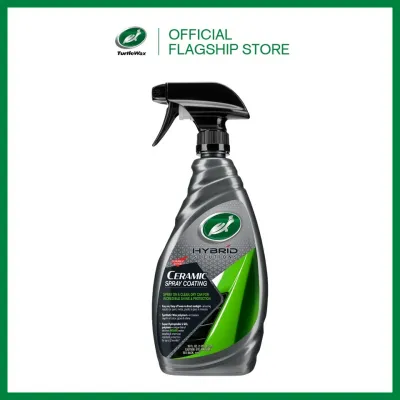
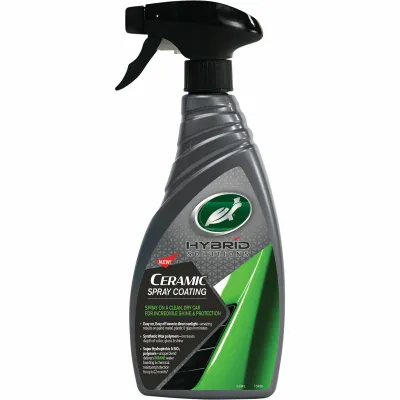
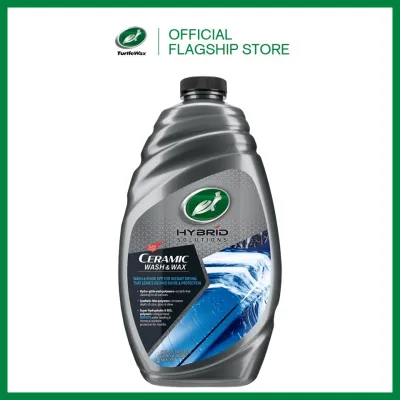
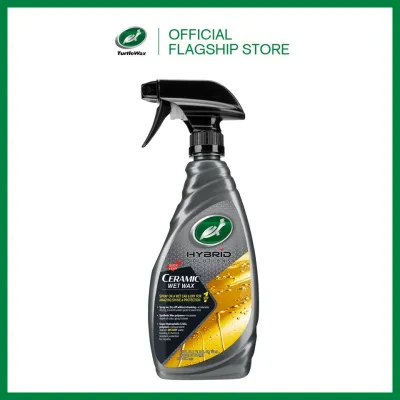
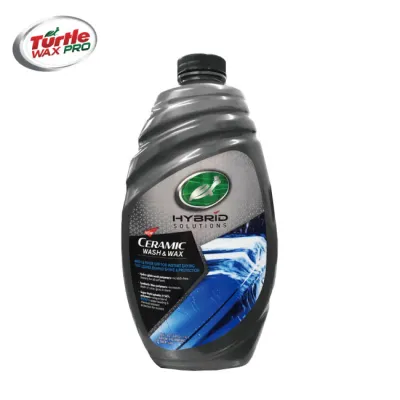
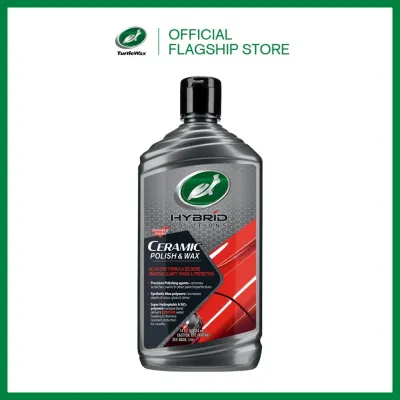
Prices are valid at publication and may change. Please refer to the product page for the latest price.
The Crucial Difference: Paint Protection vs. Paint Correction
To care for your vehicle’s exterior effectively, you must first understand the anatomy of modern automotive paint. Most modern vehicles feature a base coat of color topped with a thin, transparent layer known as the clear coat. This clear coat is what you actually touch, wash, and polish, and it bears the brunt of environmental damage.
Car polish is designed for paint correction. It contains microscopic abrasives that physically level the clear coat by removing a tiny fraction of a micron of the surface. This process eliminates light scratches, swirl marks, and oxidation, restoring a flat, highly reflective surface. Because polish is abrasive, it leaves the paint bare and completely unprotected against the elements.
In contrast, car wax and ceramic coatings are designed for paint protection. These products do not correct defects; instead, they lay down a sacrificial barrier over the clear coat. This barrier shields the paint from ultraviolet (UV) rays, acidic bird droppings, industrial fallout, and water spots.
Applying a protectant without first correcting the paint traps existing defects underneath the protective layer. This not only locks in unsightly swirl marks and scratches but also prevents the wax or ceramic coating from bonding properly to the paint, significantly reducing its durability.
Car Wax: Traditional Shine and Accessible Maintenance
Car wax has been the standard for automotive paint protection for decades. Typically formulated from natural carnauba wax or synthetic polymers, these products fill in microscopic imperfections in the clear coat to create a smooth, reflective surface.

Visual Characteristics Traditional carnauba wax is highly regarded by enthusiasts and show-car owners for the unique visual depth it provides. It delivers a warm, rich, and deep glow that makes paint colors, especially darker shades, look exceptionally vibrant. Synthetic liquid waxes and paste waxes offer a similar, though slightly more reflective, glass-like finish.
Application Effort One of the greatest advantages of traditional car wax is its user-friendly application process. Most waxes can be easily applied by hand using a foam applicator pad and buffed off with a clean microfiber towel. The process is highly forgiving, does not require a perfectly temperature-controlled environment, and carries very little risk of damaging the paint if applied incorrectly.
Durability Limits The primary drawback of traditional wax is its limited lifespan. Natural carnauba wax has a relatively low melting point and can be easily stripped away by harsh detergents, road grime, and intense tropical heat. To maintain adequate protection, you must check the specific product label for wash-count or time-based reapplication intervals, which typically range from a few weeks to a few months.
Best Use Cases Car wax is highly suitable for garage-kept vehicles, weekend detailing enthusiasts who enjoy the hands-on process of caring for their cars, and owners who prioritize a warm, deep visual shine over long-term environmental shielding.
Ceramic Coatings: Advanced Hydrophobic Protection
Ceramic coatings represent a significant technological leap in paint protection. Utilizing silicon dioxide (SiO2) or quartz-based chemistry, these coatings form a semi-permanent chemical bond with the vehicle’s clear coat, essentially creating a hard, glass-like second skin.
Performance Traits Ceramic coatings offer exceptional hydrophobic properties, causing water to bead up and slide off the surface effortlessly. This self-cleaning effect makes routine washing much easier, as dirt and road grime struggle to cling to the slick surface. Additionally, ceramic coatings provide robust chemical resistance against acidic contaminants and strong UV protection to prevent paint fading.
Professional vs. Consumer Options When exploring ceramic technology, you will find two distinct categories:
- Professional-Grade Coatings: These high-concentration liquid formulas require professional application in a controlled environment. The paint must undergo flawless multi-stage correction before application, as any remaining defect will be locked under a semi-permanent glass layer for years. Professional application in Singapore can range from several hundred to over S$1,000 depending on the vehicle size and prep work required.
- Consumer Ceramic Sprays: Products like the Turtle Wax ceramic spray line offer an accessible middle ground. These user-friendly sprays combine SiO2 polymers with synthetic waxes, allowing you to spray the product onto a clean surface and wipe it off. While they do not offer the multi-year durability of a professional coating, they provide excellent hydrophobicity and chemical resistance with a much easier application process and shorter reapplication cycles.
Preparation Requirements Because ceramic coatings must bond directly to the clear coat on a molecular level, thorough surface preparation is mandatory. Any wax, grease, oil, or environmental contamination left on the paint will prevent the ceramic molecules from bonding, leading to premature failure of the coating.
Car Polish: The Essential Preparation Step
Car polish is a corrective tool rather than a protective one. Its primary function is to restore paint clarity by leveling the clear coat and removing surface imperfections that scatter light and make the paint look dull.
Function When light hits a scratched or swirled clear coat, it reflects in multiple directions, resulting in a dull, hazy appearance. Polishing removes a microscopic layer of the clear coat to eliminate these shallow defects. This restores a perfectly flat, smooth surface that allows light to reflect directly back to the observer, creating a high-gloss, mirror-like finish.
Types of Polish Polishing products exist on a spectrum of abrasiveness:
- Heavy-Cut Compounds: These highly abrasive compounds are designed to remove deep scratches, severe oxidation, and heavy water spots. They often leave a slight haze on the paint that must be refined in a second step.
- Finishing Polishes: These mild, fine-abrasive polishes are used to clean up light swirl marks, enhance gloss, and prepare the paint surface for a wax or ceramic sealant.
Safety Limits Because polishing physically removes clear coat, it must be done with caution. Modern factory clear coats are incredibly thin, often comparable to the thickness of a sticky note. Over-polishing or using aggressive compounds too frequently can permanently thin or strike through the clear coat, requiring an expensive repaint. Always check the paint’s condition, use the least aggressive polish and pad combination necessary, and consult a qualified professional detailer if you are dealing with deep scratches or are uncertain about your paint’s thickness.
Comparing Your Options: Effort, Durability, and Results
To help you weigh the practical trade-offs of each product category, refer to the comparison matrix below:
| Category | Primary Function | Application Difficulty | Expected Durability | Visual Finish |
|---|---|---|---|---|
| Car Wax | Sacrificial protection | Low (Easy DIY) | Short-term (Check label) | Warm, deep, organic glow |
| Consumer Ceramic Sprays | Hydrophobic protection | Low to Medium (DIY-friendly) | Medium-term (Check label) | Bright, highly reflective gloss |
| Professional Ceramic Coatings | Long-term shielding | High (Requires professional prep) | Long-term (Multi-year) | Glass-like, mirror-like shine |
| Car Polish | Paint correction | Medium to High (Requires care) | None (Abrasive only) | Restores original paint clarity |
It is important to note that the actual durability and required application effort of these products are highly dependent on the specific product formulation, the quality of your surface preparation, and your vehicle’s exposure to environmental elements.
Building Your Ideal Paint Care Routine
To achieve the best possible results and prevent accidental damage to your vehicle’s paint, you should combine these products into a logical, step-by-step maintenance workflow.
Step 1: Wash and Decontaminate Begin by thoroughly washing the vehicle using the two-bucket method and a pH-neutral car wash soap to remove loose dirt. Next, perform a chemical decontamination using an iron remover to dissolve embedded brake dust, followed by a clay bar treatment to remove bonded contaminants like tree sap and road tar. This leaves the clear coat completely clean and smooth.
Step 2: Polish (Only When Necessary) Inspect the paint under direct lighting for swirl marks, light scratches, or oxidation. If defects are visible and you wish to correct them, apply a finishing polish using a dual-action polisher or a hand applicator pad. Remember to work in small sections and use light pressure. If the paint is already smooth and defect-free, skip this step to preserve your clear coat.
Step 3: Apply the Chosen Protectant If you polished the car, wipe down the surface with an isopropyl alcohol (IPA) prep spray to remove any leftover polishing oils. Next, apply your chosen protectant—whether a traditional car wax or a consumer ceramic spray—strictly according to the manufacturer’s instructions. Pay close attention to recommended application temperatures, curing times, and ventilation requirements.
Step 4: Maintain the Protective Layer To maximize the lifespan of your protective barrier, wash your vehicle regularly using a pH-neutral car wash soap. Avoid abrasive automatic drive-through car washes, which use harsh brushes that can strip wax, scratch ceramic coatings, and introduce new swirl marks to your paintwork.
Frequently Asked Questions (FAQ)
Can I apply wax over a ceramic coating?
While you can physically apply wax over a ceramic coating, it is generally not recommended. Traditional wax can mask the advanced hydrophobic properties of the underlying ceramic coating, causing water to sheet rather than bead and making the surface more prone to attracting dust and dirt. To maintain and boost a ceramic coating, manufacturers usually recommend using dedicated ceramic maintenance sprays or SiO2-infused detailers instead of traditional wax.
Do I need to polish my car every time I wax it?
No, you should not polish your car every time you apply wax. Because polishing physically removes a microscopic layer of your clear coat, doing it too frequently will eventually thin the paint to a dangerous level. You should only polish your car when visible defects like swirl marks or oxidation are present and need correction. Routine waxing or applying a ceramic topper can be done regularly as the previous protective layer degrades, without the need for polishing beforehand.
Are consumer ceramic sprays as good as professional coatings?
Consumer ceramic sprays offer excellent convenience, ease of application, and a lower upfront cost, making them highly popular for DIY maintenance. However, they do not match the extreme durability, hardness, and thickness of professional-grade ceramic coatings. Professional coatings contain a much higher concentration of active SiO2 solids and require meticulous paint correction and controlled curing environments to achieve their multi-year lifespan. Always check the product specifications and instructions to align your expectations with the intended use case of the product.
Community discussion
Share your experience or ask a question. Comments are reviewed before publication.