
Choosing the right paint protection for your vehicle depends on your budget, available time, and the current condition of your car’s paintwork. While many car owners use the terms polishing, waxing, and coating interchangeably, these processes serve entirely different functions. Understanding how they interact with your vehicle’s clear coat is the first step toward achieving a long-lasting, mirror-like finish.
To help you decide quickly, consider this condition-based decision framework:
- Choose Polish if your vehicle's paint has lost its luster, exhibits fine scratches, or shows signs of oxidation. Polishing is a corrective preparation step rather than a protective layer, meaning it prepares the surface but must always be followed by a sealant, wax, or coating to lock in the results.
- Choose Wax if you want an affordable, easy-to-apply option that delivers a warm, deep gloss. Waxing is ideal for car owners who enjoy regular weekend detailing and prefer a non-permanent barrier that can be easily stripped and reapplied.
- Choose Ceramic Coating if you seek long-term, high-performance protection against environmental contaminants, UV rays, and chemical etching. This option is best for those who want to minimize washing effort over several years and are willing to invest the necessary time or money into meticulous surface preparation.
When evaluating specific products, such as an apgo ceramic coating or other liquid polymer formulas, always verify the manufacturer’s stated durability, curing times, and preparation requirements. General category assumptions do not replace the specific instructions provided on the product label.
Products mentioned in this guide
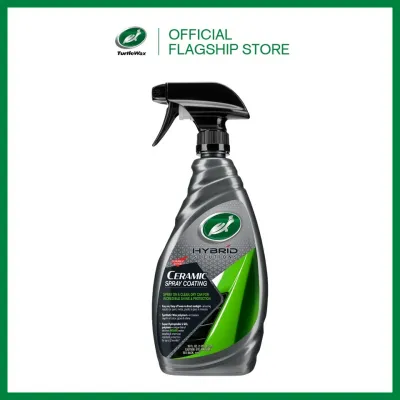
![[SG In Stock]Car Ceramic Coating Automotive Coating Nano Car Care Polish 500ML Nano Ceramic Coating Spray/Automotive Care](https://img.lazcdn.com/g/p/83567248d0f46fa4511871a48952c5d4.jpg_400x400q80.jpg_.webp)
![🇸🇬[Ready Stock] 500ml Car Ceramic Coating/ Nano Ceramic Coating Spray/ Automotive Coating Nano Car Care Polish](https://img.lazcdn.com/g/p/8402606e26c8ebca5ebe2713e17ad7a2.jpg_400x400q80.jpg_.webp)
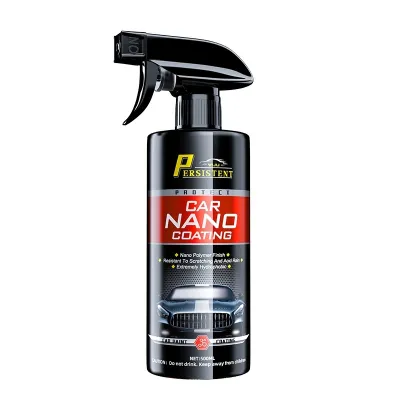
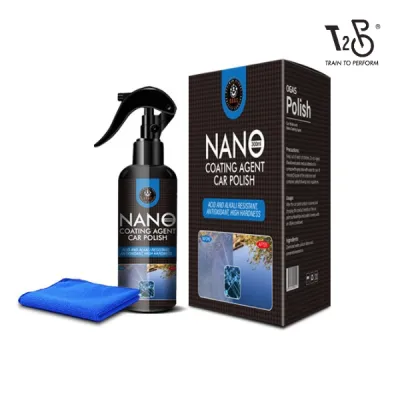
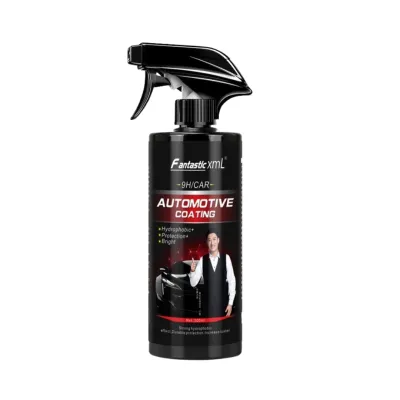
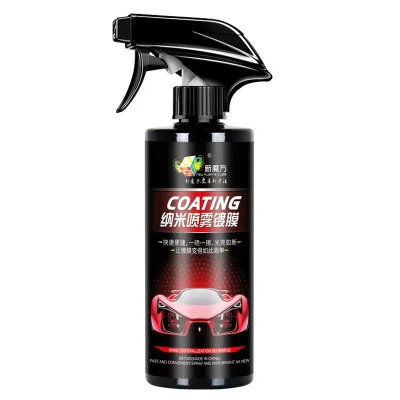
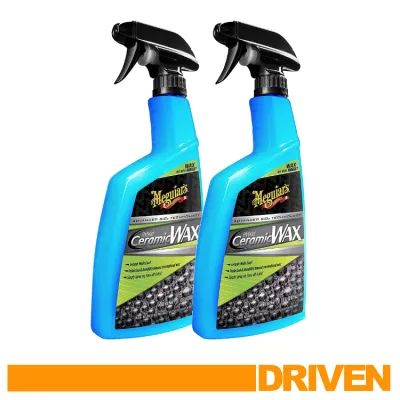
Prices are valid at publication and may change. Please refer to the product page for the latest price.
Understanding the Core Differences: Polish, Wax, and Ceramic Coating
To make an informed decision, you must first understand what each product does to your vehicle’s clear coat. Car paint consists of a primer, a base color coat, and a protective clear coat. Over time, environmental exposure damages this clear coat, making it look dull and rough.
Polish is an abrasive compound designed to restore the clear coat’s smoothness. Instead of adding a layer on top of the paint, polish removes a microscopic layer of the clear coat to level out imperfections. This process eliminates swirl marks, light scratches, and oxidation, reflecting light evenly to restore a mirror-like shine. Because it leaves the paint bare, polishing must never be the final step in your detailing routine.
Wax is a traditional protective layer that sits on top of the clear coat. Typically formulated from natural carnauba wax or synthetic polymers, wax fills in microscopic valleys in the paint to create a smooth, hydrophobic surface. It acts as a temporary sacrificial barrier against water, dust, and light road grime, but it does not form a permanent bond with the paint.
Ceramic coating represents a significant technological advancement in paint protection. These liquid formulations typically utilize silicon dioxide (SiO2) or titanium dioxide to create a chemical bond with the vehicle’s clear coat. Once cured, the coating transforms into a hard, glass-like layer that is highly hydrophobic and resistant to chemical degradation. Unlike wax, which sits loosely on the surface, a ceramic coating becomes a semi-permanent extension of your car’s paintwork.
Comparing Protection, Durability, and Maintenance Effort
The practical differences between these methods become apparent when you look at how they perform over time and the effort required to maintain them.

Protection Level Traditional waxes offer basic protection against water spots and light dust, but they degrade quickly when exposed to high heat, harsh detergents, or acidic environmental factors like bird droppings and tree sap. Ceramic coatings provide a much tougher shield. The chemical bond resists UV radiation, preventing paint oxidation and fading, while its high chemical resistance protects the clear coat from being etched by acidic contaminants.
Durability Expectations A high-quality carnauba wax generally lasts between four to eight weeks, while synthetic paint sealants can extend this to six months under ideal conditions. In contrast, a properly applied ceramic coating can last for several years. However, this durability is highly conditional. Factors such as local weather conditions, parking environments (shaded garage versus open-air parking), and how frequently the vehicle is driven will accelerate the degradation of any protective layer.
Maintenance Effort While a ceramic coating makes washing your car significantly easier due to its self-cleaning, hydrophobic properties, it does not eliminate the need for regular maintenance. Coated vehicles must be washed using pH-neutral car shampoos and the two-bucket method to prevent abrasive dirt from marring the surface. Additionally, maintaining a ceramic coating often requires the periodic application of compatible ceramic boosters or top-up sprays to rejuvenate the hydrophobic layer and extend its lifespan.
Evaluating Costs and Professional vs. DIY Application
Deciding between these methods also involves weighing the financial investment against the complexity of the application process.
Cost Variables Applying a traditional wax is highly cost-effective. A tub of quality wax and a few microfiber applicators can cost under S$50 and last for dozens of applications. On the other end of the spectrum, professional ceramic coating services in Singapore represent a significant investment, often ranging from S$300 to well over S$1,000. This price reflects the intensive labor required for multi-stage paint correction, decontamination, and application in a controlled, dust-free environment.
DIY Feasibility Waxing is incredibly forgiving and can be done safely by beginners in almost any shaded driveway. Polishing and ceramic coating, however, require a much higher level of skill and equipment. Machine polishing with a dual-action polisher requires careful technique to avoid burning through the clear coat. Similarly, applying a ceramic coating demands meticulous surface prep—including clay bar treatment and isopropyl alcohol wipes—to ensure the coating bonds correctly. Applying a coating in humid or dusty conditions can lead to premature failure or unsightly finish defects.
Risk of Improper Application If a ceramic coating is applied incorrectly or allowed to cure with uneven spots (often called “high spots”), it can leave a cloudy, rainbow-like haze on the paint. Because the coating bonds chemically, these defects cannot simply be washed off; they must be polished out using abrasive compounds, which removes more of your clear coat. If you lack the tools, a shaded workspace, or the confidence to perform these steps, it is highly recommended to seek the services of a qualified professional detailer.
How to Decide: A Step-by-Step Selection Guide
To finalize your choice, follow this structured decision-making process to match your vehicle’s needs with your lifestyle and budget.
Step 1: Assess Current Paint Condition Wash your vehicle thoroughly and inspect the paint under direct sunlight or a strong LED light. If you see a web of fine scratches, swirl marks, or a dull haze, your paint requires polishing before any protection is applied. Applying a wax or ceramic coating over damaged paint will only seal in the defects, making them more visible.
Step 2: Define Your Budget and Time Commitment Determine how much time and money you are willing to spend on ongoing maintenance. If you enjoy spending a couple of hours every month washing and waxing your car, a traditional wax or synthetic sealant is a rewarding and cost-effective choice. If you prefer a low-maintenance solution that keeps your car cleaner for longer between washes, investing in a ceramic coating is more practical.
Step 3: Verify Product Specifications and Requirements Before purchasing any DIY product or booking a professional detailing service, carefully read the product labels and service warranties. For instance, if you are considering an apgo ceramic coating or a similar consumer product, check the specific surface preparation steps, curing times, and environmental conditions required for a successful application. Ensure you have the necessary prep sprays and microfiber towels on hand before starting the process.
Frequently Asked Questions (FAQ)
Can I apply wax over a ceramic coating?
While it is physically possible to apply a traditional wax over a ceramic coating, it is generally not recommended. The wax layer will sit on top of the coating, effectively masking its superior hydrophobic and self-cleaning properties with the less efficient properties of the wax. If you want to add extra gloss or maintain your coating, use a dedicated ceramic booster spray or a silica-based topper recommended by the coating’s manufacturer instead of a traditional carnauba wax.
Does ceramic coating make my car scratch-proof?
No, ceramic coatings do not make your car scratch-proof. While they do provide a microscopic, hardened barrier that can offer minor resistance to very fine wash marring, they cannot protect your paint from rock chips, key scratches, or deep abrasions. To prevent scratches, you must still practice safe washing techniques, such as using clean microfiber wash mitts, employing the two-bucket method, and avoiding automatic drive-through car washes that use abrasive plastic brushes.
Community discussion
Share your experience or ask a question. Comments are reviewed before publication.