
Selecting the right paint protection method for your vehicle requires understanding the distinct roles of ceramic spray coatings, traditional waxes, and polishes. While many car owners use these terms interchangeably, they serve entirely different functions in a detailing routine. Applying the wrong product at the wrong stage can lead to poor bonding, wasted effort, or even unintended damage to your vehicle’s clear coat.
To achieve a glossy, protected finish, you must first determine whether your paint needs correction or protection. Polish is a corrective treatment designed to smooth out imperfections, whereas waxes and ceramic sprays are protective sealants that shield the paint from environmental hazards. Choosing the right combination depends on your vehicle’s current paint condition, your budget, and the amount of time you can dedicate to surface preparation.
Clarifying the Roles: Protection vs. Paint Correction
To avoid product misuse, you must distinguish between corrective compounds and protective sealants. Polish is an abrasive liquid medium containing microscopic particles designed to level your vehicle’s clear coat. When you work polish into the paint, it physically removes a microscopic layer of the clear coat to eliminate fine scratches, swirl marks, and oxidation. Because polish is purely corrective, it leaves the paint completely bare and vulnerable to environmental damage; it offers no protective qualities or hydrophobic properties on its own.
Products mentioned in this guide
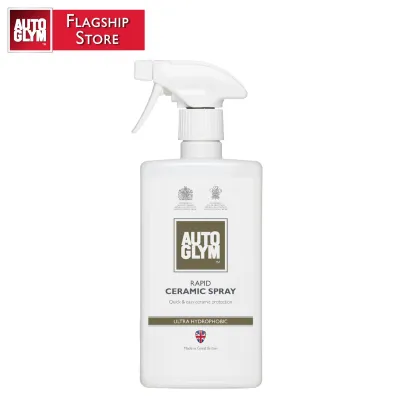
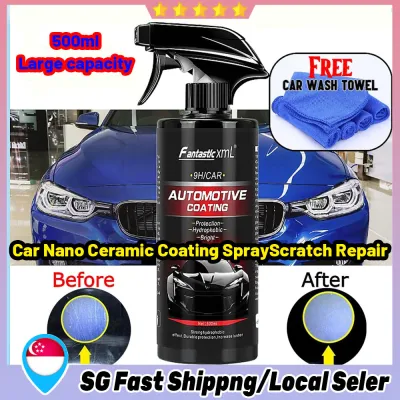
![[SG In Stock]Car Ceramic Coating Automotive Coating Nano Car Care Polish 500ML Nano Ceramic Coating Spray/Automotive Care](https://img.lazcdn.com/g/p/83567248d0f46fa4511871a48952c5d4.jpg_400x400q80.jpg_.webp)
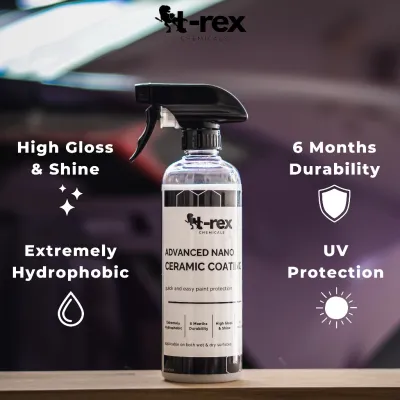
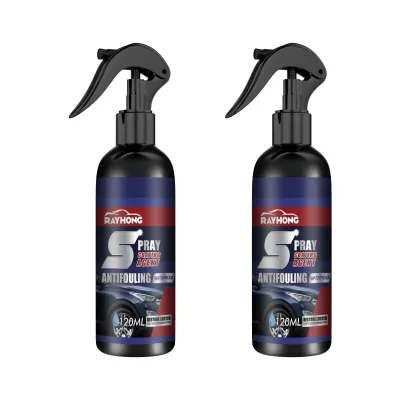
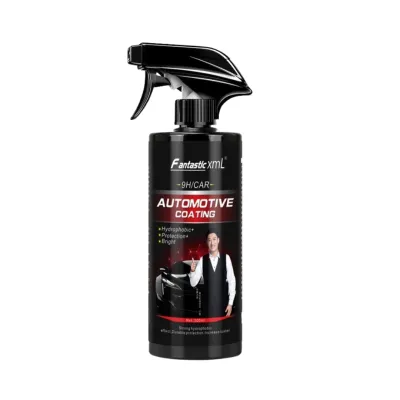
![[SG]500ml Car coating Spray Nanometer Ceramic Coating Scratch Repair Oxidation Refresher Car Maintenance Polishing Paint汽车镀膜蜡](https://img.lazcdn.com/g/p/1d25dec4e05e27f2848e49ab3eaf7f35.jpg_400x400q80.jpg_.webp)
Prices are valid at publication and may change. Please refer to the product page for the latest price.
In contrast, car wax is a traditional protective sealant that sits on top of the clear coat as a sacrificial barrier. Natural waxes, typically formulated with carnauba, and synthetic polymer waxes fill in microscopic paint pores to create a smooth, reflective surface. This layer prevents contaminants like bird droppings, road grime, and water spots from directly etching into the clear coat. However, because wax only sits on the surface without forming a chemical bond, it gradually wears away under the influence of heat, friction, and detergents.
Ceramic coating spray represents a modern advancement in paint protection, utilizing silicon dioxide (SiO2) nanoparticles. Unlike traditional wax, a ceramic spray is formulated to establish a chemical bond with the clear coat. This bonding process creates a highly durable, hydrophobic crystalline layer that repels water, dirt, and UV radiation more effectively than wax.
For the best results, you must follow the correct detailing sequence. Always perform any necessary paint correction with a polish first to ensure the surface is smooth and free of defects. Once the paint is corrected and thoroughly cleaned, apply your chosen protectant—either a traditional wax or a ceramic coating spray—to seal and preserve the finished surface.
Durability and Environmental Resistance
The fundamental difference in durability between ceramic sprays and traditional waxes lies in their chemical structures. Traditional carnauba waxes rely on physical adhesion to stick to the clear coat. This physical bond is highly sensitive to ambient heat and road friction. In tropical environments like Singapore, where vehicles are subjected to intense daily UV radiation, high humidity, and sudden heavy downpours, a traditional wax layer can degrade rapidly, often requiring reapplication within a few weeks to two months.

Ceramic coating sprays utilize SiO2 technology to form a covalent bond with the paint surface. This chemical connection is significantly more resistant to high temperatures, acidic rain, and harsh alkaline car wash soaps. When applied correctly to a clean surface, the ceramic layer remains intact far longer than wax. To determine the expected lifespan of a specific product, always check the manufacturer’s label for stated durability, as formulations vary from a few months to over a year.
Hydrophobic performance is another key area where these products differ. While both options create water beading, ceramic sprays typically exhibit a much higher water contact angle. This causes water to bead up tightly and sheet off the surface rapidly, carrying loose dirt and dust with it. This self-cleaning effect makes the vehicle much easier to wash and dry during regular maintenance.
Environmental resistance also extends to chemical protection. The bonded SiO2 layer in a ceramic spray provides a barrier against acidic contaminants, such as bird droppings and tree sap, which can quickly etch through traditional wax and damage the clear coat. However, regardless of the product you choose, environmental factors, washing frequency, and whether your vehicle is parked in a sheltered HDB multi-storey car park or exposed to the elements will ultimately dictate the actual lifespan of the protective layer.
Application Effort and Preparation Requirements
Achieving a durable finish with any paint protectant depends heavily on the quality of your preparation work. Before applying either a wax or a ceramic spray, you must thoroughly wash the vehicle to remove loose dirt. Following the wash, using a clay bar and an iron remover is highly recommended to pull embedded metallic particles and industrial fallout from the pores of the clear coat. Any remaining surface contamination will prevent a ceramic spray from bonding chemically, severely reducing its durability.
Traditional wax is generally highly forgiving during the application process. Whether using a liquid, paste, or spray wax, you typically apply the product in circular motions, allow it to dry to a hazy finish, and then buff it off with a clean microfiber towel. If you apply too much wax or work in slightly warm conditions, the worst consequence is usually a bit of extra physical effort required to buff away the dried residue.
Applying a ceramic coating spray requires a more precise technique. The standard process involves spraying the product onto a microfiber applicator or directly onto a small section of the panel, wiping it evenly to ensure coverage, and then immediately buffing it off with a second, dry microfiber towel. Because ceramic sprays flash and cure quickly, applying them too thickly, leaving them on the paint too long, or working in direct sunlight can cause “high spots.” These appear as dark, oily, or hazy streaks that can be difficult to remove once cured, sometimes requiring a light polish to correct.
Safety and environmental conditions are critical when working with SiO2-infused products. Always read the specific product’s safety and application instructions before starting. It is essential to work in a well-ventilated, shaded area to prevent the product from drying prematurely on the hot paint. Wearing nitrile gloves is also recommended to protect your skin from the solvents used in ceramic formulations.
Cost-Effectiveness and Long-Term Value
When evaluating the cost of paint protection, you must look beyond the initial purchase price of the bottle or tin. In the local market, a high-quality bottle of ceramic coating spray or a tin of traditional car wax typically ranges from S$20 to S$60 at automotive specialty shops or online marketplaces. While the upfront cost of the products may seem comparable, their long-term value depends on application frequency and the amount of product required per treatment.
To calculate the true cost-effectiveness of a product, divide the retail price by the estimated number of applications per bottle and the stated durability of each application. For example, a S$40 bottle of ceramic spray that provides up to six months of protection per application and contains enough liquid for ten applications costs roughly S$4 per application, or less than S$1 per month of protection. A S$30 tin of wax may offer thirty applications, but if it must be reapplied every four weeks to maintain protection, the physical effort and time investment increase significantly over a year.
Furthermore, you must factor in the cost of necessary preparation products. Ceramic sprays require a completely bare clear coat to bond effectively. This means you may need to purchase a dedicated isopropyl alcohol (IPA) prep spray or panel wipe, which can cost an additional S$15 to S$30, to strip away old waxes, polishing oils, and silicones before application. Traditional waxes do not require this level of chemical stripping to adhere, making them slightly cheaper to apply if you do not already own prep solvents.
Because formulations, concentrations, and packaging sizes vary widely across different brands, always check current retail prices and product volumes. Weighing these costs against your willingness to perform regular maintenance will help you determine which method offers the best return on your investment.
How to Choose the Right Method for Your Vehicle
Selecting the ideal paint care routine requires a realistic assessment of your vehicle’s current paint condition, your available time, and your detailing experience. There is no single product that suits every car owner, but matching your specific circumstances to the strengths of each method will ensure satisfactory results.
Choose Ceramic Coating Spray if:
- You want long-lasting hydrophobic protection that reduces the frequency of car washes.
- You are willing to invest the time and effort into meticulous paint preparation, including claying and chemical stripping.
- You prefer a quick, wipe-on, wipe-off application process and have a shaded, well-ventilated workspace.
Choose Wax if:
- You enjoy the traditional detailing process and find satisfaction in buffing your car every few months.
- You want a forgiving application method that does not risk permanent high spots or streaking.
- You prefer the warm, deep visual gloss that natural carnauba wax tends to produce on darker paint colors.
Choose Polish First if:
- Your vehicle's paint exhibits visible swirl marks, fine scratches, water spot etching, or a dull, oxidized appearance.
- You want to restore the clarity and gloss of the clear coat before sealing it with a protectant.
Before purchasing any product, verify your paint’s condition and clear coat thickness. If you are dealing with thin paint, classic single-stage paint, or are unsure about product compatibility, consult your vehicle’s documentation or seek advice from a professional detailer to avoid thin clear coat burn-through during polishing.
Frequently Asked Questions (FAQ)
Can I apply wax over a ceramic coating spray?
Applying a traditional wax over a ceramic coating spray is generally not recommended because it can mask the superior hydrophobic and self-cleaning properties of the SiO2 layer. The wax will sit on top of the ceramic coating, meaning you will observe the water-beading and dirt-repelling characteristics of the wax rather than the ceramic. If you want to maintain or boost your ceramic layer, check the manufacturer’s guidelines for approved ceramic maintenance sprays or dedicated SiO2 detailers instead of using traditional carnauba or synthetic waxes.
Do I need to polish my car before applying a ceramic spray?
You do not need to polish your car before applying a ceramic spray unless the paint has physical defects like scratches, swirls, or oxidation that you want to correct. Polishing is a corrective step that physically removes a microscopic layer of clear coat, so it should only be performed when necessary. However, if you choose to skip polishing, you must still thoroughly wash, decontaminate, and use an IPA prep spray to remove any grease, road film, or old wax residues to ensure the ceramic spray can form a proper chemical bond with the paint.

Community discussion
Share your experience or ask a question. Comments are reviewed before publication.