
Finding the right balance between safety, comfort, and cost is the primary challenge for motorcycle commuters in Singapore. With daily commutes involving unpredictable tropical downpours, high humidity, and frequent stop-and-go traffic, your footwear must perform multiple duties. It needs to protect your feet from impact and abrasion, remain comfortable during walks from the car park to the office, and prevent your feet from overheating. While CC protector boots and similar entry-to-mid-level brands present an appealing value proposition, determining whether they are the right choice requires a systematic evaluation of their certified protection levels, material construction, and real-world usability.
Value is not merely about finding the lowest price tag; it is about the protection and durability you receive per dollar spent. A cheap boot that fails to protect your ankle in a minor slide or disintegrates after a few months of daily exposure to intense heat and rain is a poor investment. Conversely, overpaying for professional track-spec boots with rigid ankle braces might leave you with unwearable footwear for a typical office environment. By focusing on verified safety standards and practical commuter features, you can determine if CC protector boots or alternative options offer the best return on your investment.
What Defines "Best Value" in Certified Commuter Boots
Evaluating the value of a commuter motorcycle boot requires looking past marketing buzzwords and focusing on objective safety baselines. Many budget-friendly boots are marketed as “riding shoes” or “protective footwear,” yet they lack any formal safety certifications. True value boots balance an affordable purchase price with verified protection, ensuring that you do not sacrifice your physical safety to save money. For a daily commuter, this balance is critical because the probability of minor low-speed incidents, such as foot entrapment or slides at intersections, is statistically higher during daily urban travel.
Products mentioned in this guide
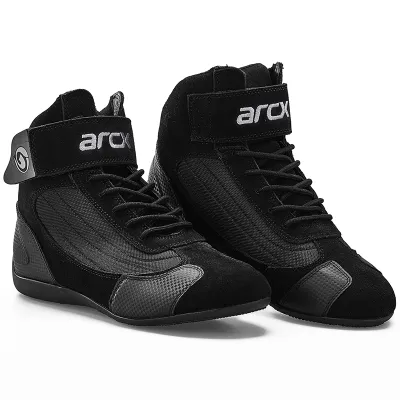
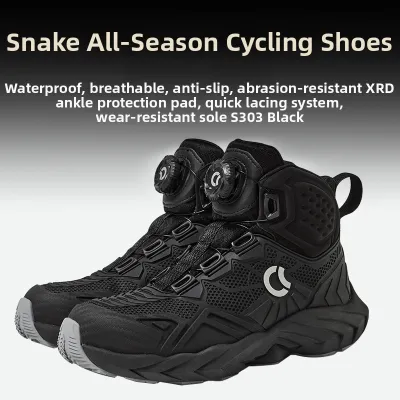
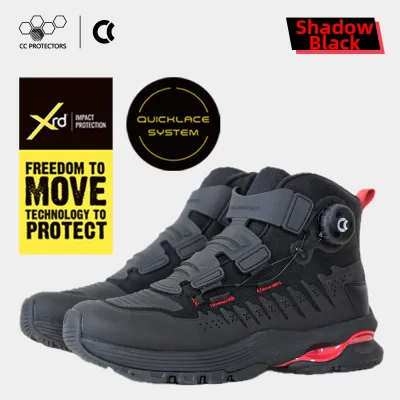
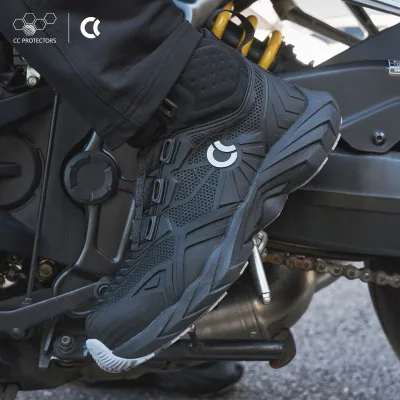
Prices are valid at publication and may change. Please refer to the product page for the latest price.
The absolute baseline for verifying a boot’s protective capability is the European standard EN 13634 certification. Any boot claiming to be a “protector boot” must carry this label, which indicates the footwear has undergone standardized testing for abrasion resistance, impact cut resistance, and transverse rigidity. If a boot does not feature this certified label, it cannot be considered a true protector boot, regardless of how robust it looks.
Furthermore, the definition of value shifts depending on your specific commuting habits. If your daily ride consists of a short ten-minute trip to a transit hub, your requirements will differ from a rider navigating a forty-minute highway commute across the island followed by hours of walking. A high-value boot must align with your daily mileage, the amount of walking required at your destination, and how often you ride in wet weather. Calculating value means dividing the initial cost of the boot by its expected lifespan under these specific daily conditions.
Key Comparison Dimensions for Urban Riding
To find the most cost-effective option among CC protector boots and competing brands, riders must compare products across three primary performance dimensions. These dimensions directly impact your safety on the road, your comfort throughout the workday, and how well the boots withstand challenging tropical climates.

Certification and Impact Protection
When evaluating any riding boot, your first step should be locating and reading the EN 13634 certification label, which is typically stitched into the inner tongue or shaft of the boot. This label features a motorcycle pictogram alongside a series of four numbers, usually rated as either “1” (basic protection) or “2” (higher protection). These numbers represent the boot’s performance in height, abrasion resistance, impact cut resistance, and transverse rigidity. Understanding these ratings allows you to compare the protective capacity of CC protector boots directly against other brands on a level playing field.
Beyond the numbers on the label, you must check for specific armor inserts. Look for dedicated ankle protectors (often made of thermoplastic polyurethane or specialized impact-absorbing foam) on both the lateral and medial sides of the ankle. The heel counter and toe box should be reinforced and rigid enough to resist crushing forces if the motorcycle falls on your foot. A simple squeeze test can reveal a lot: if you can easily compress the toe box or bend the sole in half with minimal hand pressure, the boot lacks the structural rigidity needed to protect your foot from crushing injuries.
Finally, perform a visual and physical inspection of the armor placement. Ensure that the protective inserts align correctly with your anatomical ankle bones and do not shift out of place when you move. The thickness of the leather or synthetic textile surrounding these impact zones should be substantial, as these materials serve as the primary barrier against abrasive road surfaces during a slide.
Walkability and Daily Comfort
A commuter boot must be practical once you step off your motorcycle. Walkability depends heavily on the design of the sole and the flexibility of the ankle joint. Look for a sole that offers a balanced compromise: it must be rigid enough to prevent lateral twisting on the footpegs, yet flexible enough at the forefoot to allow a natural walking stride. The tread pattern should provide reliable grip on wet asphalt, painted road markings, and smooth office tile floors to prevent slips when parking or walking.
The closure system plays a major role in daily convenience. Laces offer a highly customizable fit but can pose a safety hazard if they untangle and catch on your bike’s footpegs or chain; therefore, boots with laces should feature a secure retention strap or pocket to tuck them away. Zippers paired with hook-and-loop flaps provide the fastest entry and exit, making them highly convenient for riders who need to change footwear quickly at the office. Ensure that any zippers used are heavy-duty and protected by a storm flap to prevent water ingress and premature wear.
Internal comfort is determined by the quality of the padding and the boot’s overall ergonomics. Look for moisture-wicking mesh linings that help pull sweat away from your skin, and check if the ankle area features accordion stretch panels. These panels allow the boot to flex naturally as you shift gears or walk, reducing the break-in period and preventing painful chafing or pressure points during long days of wear.
Weather Adaptation for Tropical Climates
Tropical climates demand careful consideration of ventilation and moisture management. Riders face a constant trade-off between airflow and water resistance. Fully waterproof boots utilize an internal membrane that keeps rain out but also traps heat and sweat, which can lead to uncomfortable, damp feet during hot afternoon commutes. Conversely, highly ventilated mesh boots allow maximum airflow to keep your feet cool, but they will quickly saturate during a sudden monsoon downpour.
For daily commuting, many riders find that highly breathable, water-resistant synthetic textiles or perforated leathers offer a practical middle ground. If you choose a waterproof model, look for advanced breathable membranes that allow sweat vapor to escape while blocking liquid water. If you opt for maximum ventilation, ensure the materials used are quick-drying so they can dry out completely in an air-conditioned office before your evening commute home.
Additionally, look for boots that incorporate anti-odor and antimicrobial treatments in their inner linings. High humidity and daily sweat create an ideal environment for bacteria to grow, which can quickly ruin an otherwise durable pair of boots. Removable and washable insoles are also highly beneficial, as they allow you to maintain hygiene and easily replace worn-out cushioning over time.
Evaluating CC Protector Boots Against the Market
To determine if CC protector boots represent the best value for your budget, you must systematically map their technical specifications against competing commuter boots in the same price segment. Start by comparing the materials used in the chassis. If a CC model utilizes high-grade synthetic microfiber or full-grain leather, compare its thickness and reinforcement zones with those of alternative brands. Microfiber often provides excellent abrasion resistance and consistency at a lower weight, while traditional leather offers classic durability but may require more maintenance in wet conditions.
In the entry-to-mid-range price bracket, manufacturers must make design trade-offs to keep costs manageable. A common trade-off is weight versus armor coverage. Some budget-friendly brands achieve a lower price point by reducing the height of the boot or omitting shin protection, resulting in a lighter, more walkable shoe that offers less coverage. Other brands might offer comprehensive armor coverage but use heavier, stiffer materials that require a lengthy break-in period. Identify which trade-offs you are willing to accept based on your personal comfort tolerance and safety priorities.
Before making a purchase, consult the manufacturer’s documentation, user manuals, or official retail specifications to understand the expected lifespan and warranty terms. A slightly more expensive boot backed by a robust warranty and constructed with replaceable parts, such as replaceable soles or sliders, can ultimately offer better long-term value than a cheaper boot that must be entirely discarded once a single component wears out.
How to Verify Fit and Value Before Buying
No matter how impressive a boot’s specifications appear on paper, it will not provide effective protection or value if it does not fit your feet correctly. When visiting a local gear shop to try on CC protector boots or alternative options, always bring the exact socks you plan to wear during your daily commutes. Additionally, wear your typical riding pants or jeans to ensure the boot’s collar and closure system integrate seamlessly with your clothing without bunching or restricting your movement.
Once the boots are secured on your feet, spend several minutes walking around the store and simulating your riding position. Sit on a stationary motorcycle if one is available, or mimic the footpeg position to check for pressure points along your instep, shins, and ankles. Ensure there is adequate room in the toe box so your toes do not hit the front of the boot when shifting or braking. Your heel should remain securely seated in the heel cup with minimal lifting or slipping when you walk, as a loose heel can compromise control and lead to painful blisters.
Finally, verify the retailer’s return and exchange policies before finalizing your purchase. This is especially critical if you are purchasing online or are between sizes. Ensure you understand the warranty terms offered by the manufacturer or official distributor, as this coverage protects your investment against premature material failures, such as delaminating soles or broken zippers, which can occasionally occur under the strain of daily commuting.
Decision Framework: Which Boot Should You Choose?
Your final decision should be guided by a clear framework that matches your specific commuting profile with the strengths of each boot category.
Choose CC protector boots if their specific models align with your budget, carry the necessary EN 13634 safety certifications, and pass your personal fit and comfort checks during a physical trial. They are often highly suitable for riders seeking a balanced, cost-effective entry into certified protective footwear without paying a premium for brand heritage.
Opt for a premium alternative brand if your daily commute involves long highway distances, extreme weather exposure, or if you require specialized features such as advanced waterproofing membranes, ultra-lightweight carbon fiber reinforcements, or high-end walking ergonomics designed for extensive on-foot duties.
Select a budget alternative only if you can verify that the product still carries genuine, traceable safety certifications and features robust construction. Never sacrifice certified ankle and sole protection simply to save on initial costs, as the medical expenses resulting from a foot injury far exceed the price of high-quality riding gear.
If you remain uncertain about sizing, armor placement, or the specific material care required for a particular CC model, visit an authorized local retailer to inspect the boots in person and seek guidance from qualified gear specialists before committing to your purchase.
Frequently Asked Questions (FAQ)
How often should I replace my daily commuting motorcycle boots?
There is no fixed calendar timeline for replacing motorcycle boots, as wear depends heavily on your riding frequency, mileage, and care habits. Instead, you should perform regular visual inspections to check for signs of structural degradation. Replace your boots immediately if you notice compressed or cracked armor inserts, severely worn or delaminated soles that compromise grip, or torn stitching along critical seam lines. Over time, constant exposure to UV radiation, road grime, and acidic sweat will break down the synthetic glues, plastics, and leather fibers, reducing the boot’s ability to protect you during an impact. Always refer to the manufacturer’s guidelines for specific recommendations regarding material lifespan.
Can I use waterproofing sprays on certified protector boots?
Before applying any aftermarket chemical treatments, you must consult the manufacturer’s care label and instructions. Some waterproofing sprays contain harsh solvents or silicone-based compounds that can degrade synthetic microfibers, damage protective plastic coatings, or clog the microscopic pores of breathable membranes, rendering them useless. If the manufacturer permits aftermarket treatments, choose a product specifically formulated for motorcycle gear or the specific material of your boot, such as full-grain leather or technical textiles. Apply the spray in a well-ventilated area according to the product instructions, and test it on a small, inconspicuous area first to ensure it does not discolor or alter the texture of the boot.
Community discussion
Share your experience or ask a question. Comments are reviewed before publication.