
Choosing between CarPro interior cleaners for leather and fabric seats depends entirely on the specific material composition of your vehicle’s cabin. Leather seats require gentle, pH-neutral formulas that preserve delicate topcoats and prevent drying, while fabric seats demand deep-cleaning surfactants or foaming agents that lift embedded dirt from porous fibers without leaving sticky residues. Using the wrong formula can lead to permanent staining, material degradation, or sticky surfaces that attract more grime. To achieve professional-grade detailing results at home, you must match the chemical properties of the cleaner to the physical demands of your upholstery.
Understanding the chemical differences between these formulas is key to maintaining your car’s interior value. Leather is a skin that can dry out, crack, and fade when exposed to harsh, high-pH chemicals. Fabric, on the other hand, is a woven textile that can trap liquids, oils, and odors deep within its fibers, requiring a cleaner that can penetrate, lift, and suspend contaminants for easy extraction. By selecting the correct formula and following a systematic application process, you can safely restore your seats to a like-new condition.
Identify Your Seat Material Before Choosing a Cleaner
Before purchasing or applying any interior cleaner, you must accurately determine the exact material composition of your vehicle’s seats. Modern automotive cabins often feature a mix of materials, and mistaking synthetic leather for genuine leather—or vice versa—can lead to ineffective cleaning or accidental damage.
Products mentioned in this guide
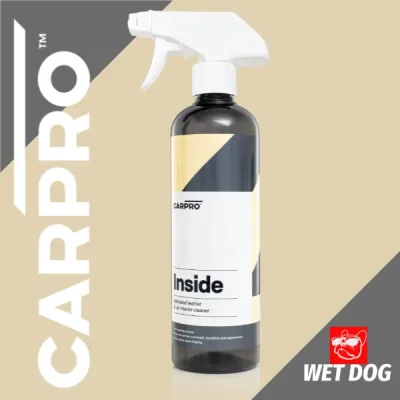
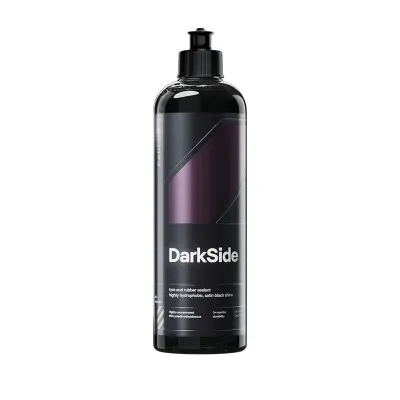
Prices are valid at publication and may change. Please refer to the product page for the latest price.
To distinguish between genuine leather, synthetic leather (such as vinyl, polyurethane, or leatherette), and fabric, start with a visual and tactile inspection. Genuine leather typically exhibits natural, irregular grain patterns, unique pore structures, and a soft, warm feel that adapts to body temperature. Synthetic leather often has a highly uniform, repeating grain pattern, feels slightly more plastic-like or rubbery, and does not absorb moisture. Fabric seats are easily identifiable by their woven textile, nylon, or polyester fibers, which feel distinctly textured and are highly porous.
If you are still uncertain about the material, consult your vehicle’s owner manual or contact the manufacturer. Many modern vehicles use genuine leather only on the primary seating surfaces (the center inserts), while utilizing matching synthetic vinyl on the side bolsters, headrests, and seatbacks. Knowing this distinction allows you to apply the correct product to each specific section without cross-contamination.
Additionally, identify any existing coatings, conditioners, or aftermarket treatments that might be present on the seats. If you or a previous owner applied a ceramic coating or a heavy-duty fabric protector, certain aggressive cleaners may strip or degrade these protective layers. Always check the vehicle manufacturer’s interior care guidelines before applying any aftermarket chemical to ensure you do not void any material warranties or damage specialized factory finishes.
What to Look for in a CarPro Leather and Vinyl Cleaner
When selecting a CarPro product for leather or vinyl surfaces, you must focus on formulas explicitly labeled for these materials. Leather requires a delicate balance of cleaning power and surface preservation, meaning you should avoid any products designed solely for fabric, carpets, or heavy-duty degreasing.

The first detail to verify on the product label is pH neutrality. A pH-neutral cleaner is essential for automotive leather because modern seats are finished with a thin, protective polyurethane topcoat. Harsh alkaline or acidic cleaners can chemically degrade this topcoat over time, leading to premature cracking, peeling, and color fading. The label should explicitly state that the formula is safe for both coated and uncoated leather, as well as synthetic vinyl surfaces.
Before applying any cleaner to the entire seat, always perform a spot test in an inconspicuous area. Suitable locations include the underside of a headrest, the lower back portion of the seat, or the bottom edge of the seat cushion. Apply a small amount of the cleaner to a microfiber towel, gently wipe the test area, and inspect for any dye transfer onto the towel, changes in gloss level, or alterations in the material’s texture. If the finish remains unchanged after drying, you can proceed with the full application.
You must strictly avoid using heavy-duty degreasers, high-pH all-purpose cleaners (APCs), or unverified household cleaning agents on delicate automotive leather. These aggressive chemicals strip away the essential moisture and protective oils inherent to the material, leaving the leather dry, brittle, and highly susceptible to friction wear and UV damage.
Choosing the Right CarPro Formula for Fabric Seats
Fabric, cloth, and carpet upholstery require an entirely different cleaning approach than leather. Because woven fibers trap dirt, sweat, and liquid spills deep within their structure, you need a CarPro formula designed specifically to penetrate these porous materials and lift contaminants to the surface.
Look for foaming or extraction-compatible cleaners that are explicitly labeled for automotive textiles. Foaming formulas are particularly beneficial because they minimize the amount of liquid moisture introduced to the seat. The foam suspends dirt particles, allowing you to agitate the surface gently with a soft brush and wipe away the suspended grime with a clean microfiber towel or extract it with a wet-dry vacuum.
In Singapore’s highly humid climate, managing moisture is critical when cleaning fabric seats. Excess water trapped deep within the seat foam can take days to dry, creating an ideal environment for mold, mildew, and unpleasant musty odors. When selecting a fabric cleaner, check the product label for low-residue and fast-drying claims. A high-quality fabric cleaner should dry cleanly without leaving a sticky surfactant residue, which would otherwise act as a magnet for new dirt and oils.
You must also verify the cleaner’s compatibility with any specialized fabric treatments. Many modern fabric seats come from the factory with water-repellent or stain-resistant coatings. Using an overly aggressive or incompatible chemical can strip these protective treatments, leaving your seats vulnerable to future spills.
Finally, never use leather conditioners, leather cleaners, or oil-based products on fabric upholstery. These formulas are designed to nourish and protect non-porous surfaces; when applied to fabric, they will saturate the fibers, leaving greasy, dark stains that are incredibly difficult to remove and will rapidly attract dirt.
Safety Checks and Application Boundaries Before Cleaning
Establishing a safe workflow and understanding your product’s application boundaries are essential steps to prevent accidental damage to your vehicle’s interior. Before opening any bottle, read the specific dilution ratios, dwell times, and application instructions printed on the CarPro product label.
Many professional-grade detailing products are highly concentrated and must be diluted with distilled water before use. Using a concentrated formula without proper dilution can cause chemical burns on delicate leather or permanent discoloration on fabric. Similarly, respect the recommended dwell time; leaving a cleaner on the surface for too long can cause the chemical to dry out, leaving unsightly spots or damaging the underlying material.
Protecting your vehicle’s electronics is another critical safety boundary. Modern car interiors are packed with sensitive electronic controls, infotainment screens, steering wheel buttons, and seat adjustment switches. Overspray from spray bottles can easily penetrate these components, leading to short circuits or chemical etching on screens. To prevent this, never spray cleaners directly onto surfaces near electronics. Instead, spray the product directly onto a microfiber towel or a detailing brush, and then carefully work the damp applicator onto the seat.
Define clear stop conditions for your cleaning process. If you observe any discoloration, dye transfer onto your cleaning cloth, swelling of the material, or unexpected changes in texture, halt the application immediately. Blot the area with a clean, dry microfiber towel to absorb any remaining chemical, and allow the surface to dry completely.
If the seat material remains unidentified, is heavily soiled with deep-set biological stains, or is structurally compromised with tears, cracked leather, or failing seams, do not attempt to clean it yourself. In these scenarios, consult a qualified professional detailer who possesses specialized extraction equipment and the expertise to handle delicate or damaged upholstery safely.
How to Verify Authentic CarPro Products in Singapore
To ensure you are using safe, effective, and genuine formulas on your vehicle’s interior, you must purchase your CarPro products from verified sources. Counterfeit or improperly stored detailing chemicals can lead to poor cleaning performance or, worse, permanent damage to your seats.
Always purchase your detailing supplies from authorized local distributors, official brand websites, or reputable automotive specialty stores in Singapore. These sellers receive their stock directly from the manufacturer, ensuring that the products are authentic and have been transported and stored under appropriate conditions.
Avoid purchasing from unverified listings on general e-commerce platforms or online marketplaces. Products sold by unauthorized third-party sellers may have been subjected to extreme heat during transit or storage, which can break down the chemical stabilizers in the formulas and render them ineffective or unsafe. Additionally, these listings carry a higher risk of counterfeit goods.
Upon receiving your product, carefully inspect the packaging. Authentic CarPro bottles feature high-quality, legible printing, intact safety seals, clear batch codes, and detailed instruction labels. If the packaging appears altered, lacks a batch code, or has blurry printing, do not use the product on your vehicle.
Frequently Asked Questions (FAQ)
Can I use a multi-purpose CarPro interior cleaner on both leather and fabric?
Yes, you can use a multi-purpose CarPro interior cleaner on both materials, provided you carefully read the product label to confirm it is explicitly approved for both leather and fabric. Multi-purpose formulas are highly convenient for light maintenance and general dust removal across different cabin surfaces. However, you must pay close attention to the recommended dilution ratios, as leather typically requires a much gentler, more diluted mixture than fabric or carpets. For heavy soiling, deep-set stains, or delicate uncoated leather, a dedicated material-specific cleaner is always preferable to ensure maximum safety and cleaning efficiency.
How do I remove a stain if the CarPro cleaner does not work immediately?
If a stubborn stain does not lift after the first application, do not resort to aggressive scrubbing, excessive moisture, or mixing different chemical cleaners. Aggressive scrubbing can permanently abrade leather topcoats or fray fabric fibers, while mixing chemicals can cause dangerous reactions or ruin the upholstery. Instead, allow the area to dry completely, then repeat the application strictly according to the label’s recommended dwell time, using a soft-bristled detailing brush to gently agitate the cleaner. If the stain persists after a second controlled attempt, stop the process and seek professional extraction services to avoid damaging the material.
Community discussion
Share your experience or ask a question. Comments are reviewed before publication.