
When you step into a vehicle parked under the relentless Singapore sun, you are immediately greeted by a wave of intense heat. For car owners who appreciate a premium cabin experience, maintaining a pleasant scent under these conditions is a constant challenge. Carmate, a highly respected Japanese brand known for its sophisticated automotive accessories and fragrances, is a popular choice among local drivers. However, because these products are formulated in a temperate climate, many wonder if they can truly withstand the extreme heat and humidity of the equator.
The short answer is yes, Carmate car air fresheners are highly suitable for Singapore’s climate, but their longevity, scent throw, and safety depend heavily on the specific product format you choose and where you place it inside your vehicle. Without a strategic approach to installation and placement, the tropical climate can cause rapid evaporation, structural breakdown, or even damage to your car’s interior. Understanding how the local environment interacts with different fragrance mediums is key to getting the best value and performance from your purchase.
How Singapore's Tropical Climate Impacts Carmate Car Fragrances
To understand how Carmate products behave in Singapore, you must first examine the severe environmental conditions that develop inside a parked vehicle. When a car is left outdoors in open-air parking lots, it acts as a highly efficient thermal trap. Solar shortwave radiation passes easily through the windshield and side windows, striking dark interior surfaces like the dashboard, steering wheel, and seats. These materials absorb the radiation and re-emit it as longwave infrared energy, which cannot easily escape back through the glass. This greenhouse effect causes cabin temperatures to climb rapidly, often exceeding 60°C to 70°C on a clear afternoon, even when the outdoor ambient temperature is a standard 32°C.
Products mentioned in this guide
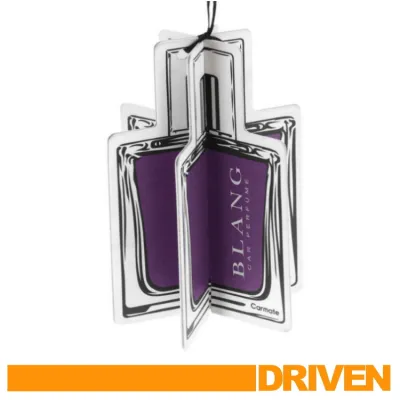
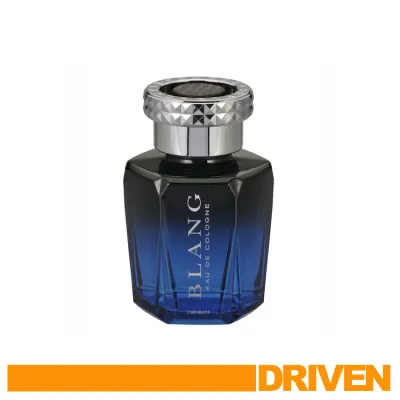
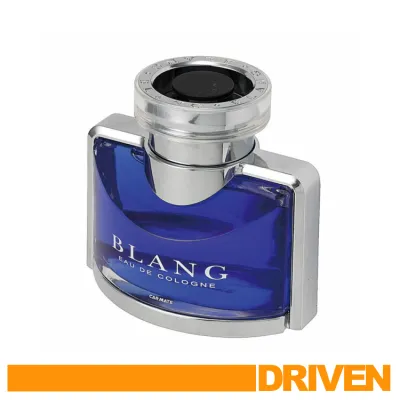
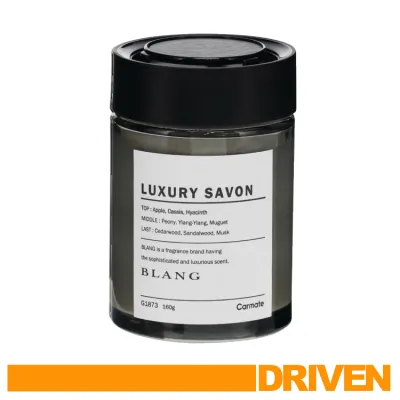
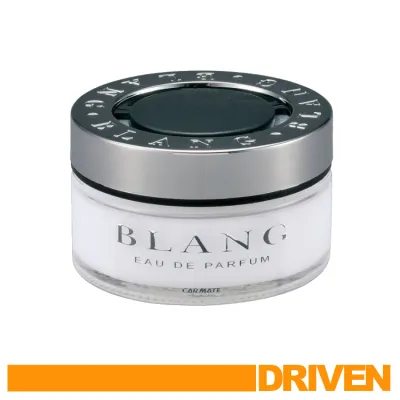
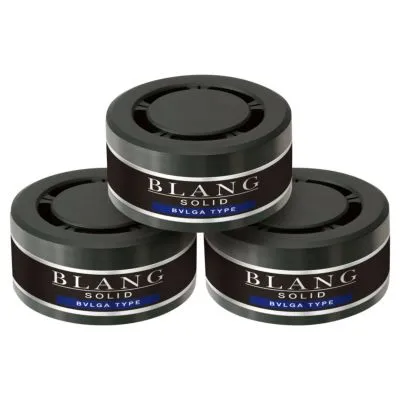
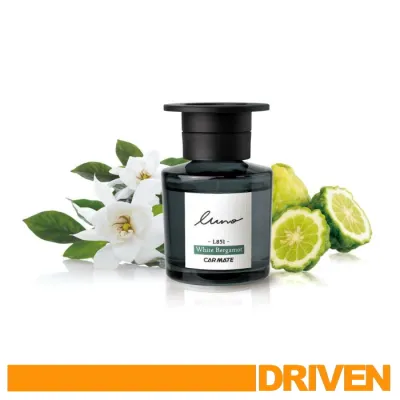
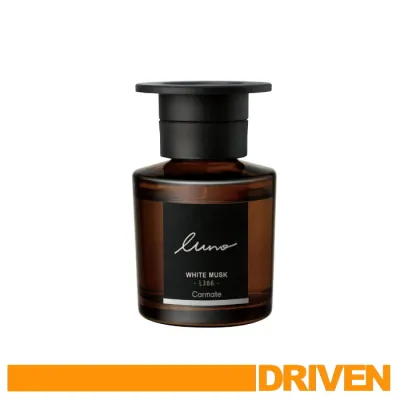
Prices are valid at publication and may change. Please refer to the product page for the latest price.
This extreme thermal exposure directly accelerates the evaporation rate of any air freshener. At a molecular level, heat increases the kinetic energy of the fragrance oils and their carrier mediums. For liquid- and gel-based formulations, this means the volatile organic compounds responsible for releasing the scent are forced into the air at an unsustainable speed. A product designed to provide a subtle, lingering aroma over six to eight weeks in a temperate climate can easily exhaust its entire fragrance payload in less than three weeks when subjected to daily cabin baking.
Furthermore, Singapore’s persistent high humidity—which regularly hovers between 60% and 100%—introduces another layer of physical stress. High ambient moisture levels saturate the air inside the cabin, which can interfere with the natural diffusion process of water-based or glycol-based gel carriers. In some cases, this humidity causes condensation or “sweating” on the surface of solid or gel fresheners. This moisture buildup can dilute the outer layer of fragrance oils, leading to uneven scent dispersion, physical degradation of the gel structure, or premature breakdown of the product’s outer packaging.
Choosing the Right Carmate Freshener Format for Hot Weather
Carmate offers a wide range of fragrance delivery systems, and selecting the right format is your first line of defense against Singapore’s harsh climate. Each format reacts differently to elevated temperatures and moisture levels, requiring distinct trade-offs in terms of longevity, intensity, and physical stability.

Gel and Solid Formulations
Solid gel tubs and polymer plates are highly favored by drivers who want to eliminate the risk of liquid spills. Because the fragrance oils are suspended within a structured polymer matrix, they will not slosh around or leak if the vehicle travels over speed bumps or takes sharp corners. However, these gels are highly sensitive to extreme thermal thresholds. Under intense, direct heat, the polymer chains can begin to break down, causing the gel to shrink rapidly, dry into a hard crust, or in extreme cases, liquefy. Before purchasing, always check the product packaging or manufacturer documentation for specified temperature limits to ensure the formulation is rated for high-heat environments.
Liquid Fresheners
Liquid diffuser bottles, which typically utilize a porous paper or fiber wick to draw up concentrated fragrance oils, offer a very consistent and powerful scent throw. The primary risk with liquid formulations in Singapore is rapid evaporation and internal pressure buildup. As the temperature inside a parked car rises, the air and liquid inside a sealed or semi-sealed bottle expand. If the bottle is not kept perfectly upright, or if the pressure forces liquid out of the collar, the highly concentrated oils can seep onto your dashboard. These oils can act as mild solvents, potentially bubbling plastic trim, stripping paint, or staining leather.
Vent Clips and AC-Mounted Options
For the tropical climate of Singapore, vent-mounted clip-on fresheners are arguably the most efficient and reliable option. These compact units attach directly to your car’s air conditioning vents, placing them out of the direct path of solar radiation hitting the top of the dashboard. Because they rely on the active airflow of your vehicle’s HVAC system to disperse the scent, they primarily release fragrance when you are actually driving with the air conditioning running. This active-only diffusion preserves the product’s lifespan during long hours of parked exposure, ensuring you do not waste fragrance when the vehicle is empty.
Optimal Placement to Prevent Melting and Fast Evaporation
Where you install your Carmate air freshener is just as important as the format you select. Proper placement shields the product from thermal extremes, prevents structural damage, and ensures a balanced diffusion of scent throughout the cabin.
High-Risk Areas to Avoid
- The Dashboard: The top of the dashboard is the single most hostile environment in your car. It receives uninterrupted, direct solar radiation through the windshield, making it the hottest surface in the entire cabin.
- The Rear Parcel Shelf: Similar to the dashboard, the area beneath the rear windscreen is exposed to intense sunlight and heat buildup, which will rapidly degrade any fragrance format.
- Direct Window Exposure: Avoid mounting hanging paper cards or glass bottles in any position where they hang directly against side windows or in the path of concentrated sunlight.
Recommended Safer Alternatives
To maximize the lifespan of your air freshener, look for cooler, shaded microclimates within your vehicle’s interior. Deep cup holders located in the lower center console are excellent because they are shielded from direct overhead sunlight by the dashboard overhang or armrests. For under-seat gel or solid sheet fresheners, placing them directly under the front passenger seat provides a cool, dark environment that encourages slow, steady evaporation.
When utilizing under-seat placements, you must ensure the unit is securely anchored using the manufacturer-provided double-sided tape or hook-and-loop fasteners. This prevents the product from sliding forward under the pedals during sudden braking, which poses a severe safety hazard. Additionally, verify that the placement does not block the vehicle’s lower HVAC vents or interfere with any under-seat electrical wiring harnesses for power-adjustable seats.
Passive Temperature Management
Reducing the baseline temperature of your parked car is a highly effective way to protect your interior accessories from thermal degradation. Utilizing a high-quality, reflective folding windshield sunshade when parking in open-air lots blocks a massive portion of incoming solar radiation, keeping your dashboard and cabin significantly cooler. Whenever possible, prioritize parking in shaded areas, basement car parks, or sheltered multi-story car parks (MSCPs) to mitigate the extreme daily heat cycles that break down fragrance oils.
Spotting Climate Damage and Cleaning Up Residue Safely
Even with careful placement, the intense tropical climate can eventually take a toll on your car air freshener. Regularly inspecting your fragrance units allows you to spot early signs of failure before they result in permanent damage to your vehicle’s interior.
Visual and Olfactory Signs of Degradation
Keep a close eye on the physical state of your Carmate products. If a solid gel has shrunk to a fraction of its original size or turned into a dark, brittle crust, it is no longer diffusing effectively and should be replaced. Conversely, if a gel appears to have liquefied or separated into distinct oil and water layers, the polymer matrix has failed due to heat stress. From an olfactory standpoint, if the scent suddenly turns sour, overly chemical, or completely disappears despite liquid remaining in the bottle, the heat has likely altered the chemical composition of the fragrance oils, rendering them ineffective.
Safe Cleanup Steps for Spills
If a liquid diffuser leaks or a gel melts onto your car’s interior surfaces, prompt and correct cleanup is essential to prevent permanent cosmetic damage.
- Blot Immediately: For hard plastic dashboards or consoles, gently blot up the excess liquid using a clean, dry microfiber cloth. Avoid rubbing or wiping forcefully, as this can spread the concentrated oil and potentially strip the matte or soft-touch finish of the plastic.
- Apply a Mild Cleaning Agent: For leather upholstery or fabric seats, mix a small amount of pH-neutral, mild soap with warm water. Dampen a clean microfiber cloth with the solution and gently dab the affected area to lift the fragrance oils.
- Dry and Ventilate: Wipe the area dry with a separate clean cloth and leave the car doors or windows open in a well-ventilated, shaded area to allow the moisture to evaporate completely.
Consulting Manufacturer Guidelines
Before applying any cleaning solutions, household detergents, or leather cleaners to your vehicle’s cabin, always consult your vehicle manufacturer’s official interior care guidelines. Modern car interiors utilize highly specialized materials—including synthetic leathers, delicate soft-touch plastics, and advanced coatings—that can react poorly to aggressive cleaning agents. If a spill has penetrated deep into dashboard seams or high-end leather upholstery, seeking the assistance of a qualified professional automotive detailer is the safest course of action to prevent permanent discoloration or cracking.
Frequently Asked Questions (FAQ)
Is it safe to leave Carmate fresheners in a parked car all day?
Yes, it is generally safe to leave Carmate air fresheners in a parked car all day, provided you have chosen a high-quality format and installed it in a recommended location. While overnight temperatures in Singapore remain warm and humid, they do not pose a risk to the product’s physical integrity. The primary safety concern is daytime solar heating when the car is parked in direct sunlight. To ensure safety, avoid placing liquid or gel units on top of the dashboard where extreme heat can cause pressure buildup or melting. Always follow the manufacturer’s mounting instructions, use double-sided adhesive tape where supplied to prevent movement, and utilize sunshades to keep cabin temperatures within reasonable limits.
Will high humidity make the fragrance smell sour or fade faster?
High atmospheric humidity can alter how a fragrance is perceived and how its molecules disperse through the air. Excessive moisture can cause heavy, sweet, or highly musky scent profiles to smell cloying, thick, or slightly sour as the water vapor interacts with the evaporating fragrance oils. For Singapore’s humid climate, it is highly recommended to select fresh, citrus, aquatic, or marine scent profiles. These lighter, crisper notes perform much more predictably in high humidity, helping to mask damp cabin odors effectively while maintaining a clean, pleasant, and refreshing atmosphere inside your vehicle.

Community discussion
Share your experience or ask a question. Comments are reviewed before publication.