
Quick Answer: Which Mirror Cover Material Should You Choose?
Upgrading your vehicle’s mirror covers is a straightforward way to customize its exterior. However, deciding between carbon fiber and ABS plastic requires balancing budget, aesthetic goals, and daily driving conditions. There is no single “best” material; the right choice depends entirely on your specific priorities.
Select ABS plastic if you want a cost-effective, highly durable, and easily paintable option that can withstand minor impacts and everyday wear. It is the practical choice for daily drivers.
Choose carbon fiber if you prioritize a premium, sporty aesthetic and a high-end finish, and are comfortable paying a premium and maintaining the clear coat against harsh weather.
Products mentioned in this guide
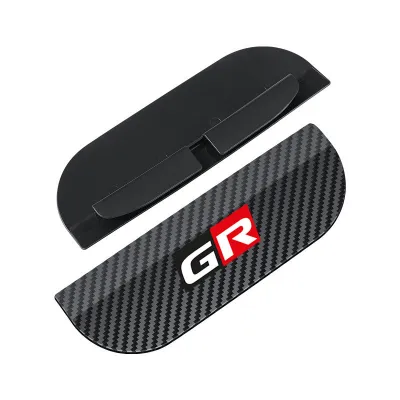
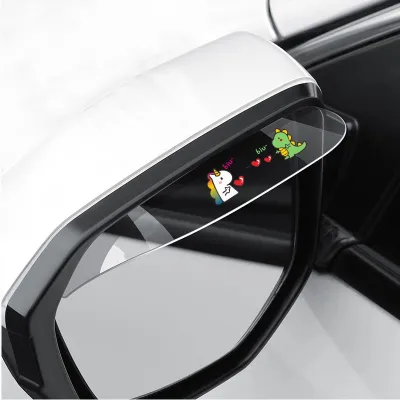
Prices are valid at publication and may change. Please refer to the product page for the latest price.
Beyond the material, the installation method—whether a simple adhesive overlay or a full replacement housing—is equally critical to achieving a clean, long-lasting fit.
Material Basics: Understanding Carbon Fiber and ABS Plastic
To make an informed decision, it is essential to understand the structural differences between these two popular automotive materials.

ABS (Acrylonitrile Butadiene Styrene) plastic is an engineered thermoplastic widely used by original equipment manufacturers (OEMs) for exterior body panels, trim pieces, and factory mirror housings. It is produced through injection molding, combining three distinct monomers to deliver a balanced profile of chemical resistance, impact toughness, and structural rigidity. Its inherent flexibility makes it highly resistant to cracking under physical stress.
Carbon fiber is a high-performance composite material made of thin, strong crystalline filaments of carbon woven together and bonded with a polymer resin, typically epoxy. This structure yields an exceptionally high strength-to-weight ratio and a distinctive three-dimensional woven pattern.
When shopping, drivers must distinguish between genuine carbon fiber composites and “carbon-look” alternatives. Many budget-friendly accessories are actually ABS plastic finished with a hydro-dipped carbon pattern or wrapped in carbon-texture vinyl. While these alternatives mimic the look from a distance, they lack the structural depth, weight characteristics, and premium finish of real carbon fiber. Always verify the exact material composition in the product specifications before purchasing.
Appearance and Finish: Gloss, Weave, and Paintability
The visual impact of your side mirrors can significantly alter your car’s overall profile, making aesthetics a primary deciding factor.
Carbon fiber is highly sought after for its signature 3D woven pattern, typically available in a 2×2 twill or 1×1 plain weave. When finished with a high-gloss epoxy clear coat, carbon fiber catches the light to reveal a deep, metallic-like texture. This look is heavily associated with high-performance sports cars and motorsport, giving your vehicle an immediate, track-ready appearance without the need for additional painting.
ABS plastic offers a different kind of aesthetic versatility. In its raw form, ABS usually features a matte black or textured grey finish. While some drivers install raw ABS covers for a rugged or understated look, the material’s primary advantage is its paintability. ABS is the industry standard for color-matching aftermarket accessories to a vehicle’s exact factory paint code.
If your goal is a seamless, factory-fresh look where the mirrors blend perfectly with the rest of the bodywork, ABS plastic is the superior choice. Conversely, if you want your side mirrors to stand out as bold, contrasting accent pieces, carbon fiber is unmatched.
When purchasing carbon fiber, inspect product images and customer reviews closely. High-quality carbon covers feature straight, symmetrical weave patterns that do not distort around the complex curves of the mirror housing. Lower-quality alternatives often exhibit stretched, wavy weaves or thin, uneven clear coats.
Durability and Impact Resistance: How They Handle Daily Driving
Daily driving subjects your side mirrors to various environmental and physical hazards, meaning long-term durability is a critical consideration.
Impact and Flexibility: ABS plastic is highly resilient under mechanical stress. Its thermoplastic nature allows it to flex slightly upon impact. If you accidentally brush against a concrete pillar in a tight multi-storey carpark or scrape past a stray branch, an ABS cover is likely to flex, absorb the energy, and survive with only minor surface scuffs. Carbon fiber, while incredibly strong under tension, is highly rigid and brittle. A sharp, localized impact that would merely scuff ABS can crack, chip, or splinter a carbon fiber cover, often requiring a complete replacement.
Scratch Resistance: The clear coat applied over carbon fiber behaves exactly like your car’s factory paint. It is susceptible to swirl marks, fine scratches, and stone chips kicked up by vehicles ahead. These imperfections require careful polishing or wet-sanding to correct. In contrast, textured or matte ABS plastic is highly forgiving, naturally hiding minor abrasions and keeping your mirrors looking clean with minimal upkeep.
UV and Weather Resistance: Singapore’s intense tropical climate, characterized by high humidity and a high UV index, presents a harsh environment for exterior automotive components. Raw carbon fiber composite is highly vulnerable to UV radiation, which degrades the binding epoxy resin, causing it to turn yellow, cloudy, or chalky. The longevity of carbon fiber relies entirely on the quality of its UV-inhibiting clear coat. ABS plastic is also subject to UV degradation over time, which can lead to fading or a dry, chalky surface if left raw and unprotected. However, once painted with a standard automotive base coat and UV-resistant clear coat, ABS offers excellent long-term weather resistance.
Before purchasing any aftermarket cover, verify the manufacturer’s specifications regarding UV protection and look for product warranties that specifically cover yellowing, fading, or delamination.
Weight, Fitment, and Installation Considerations
Understanding how these materials affect installation and daily use prevents unexpected complications after purchase.
Weight Differences: While carbon fiber is celebrated for its lightweight properties in structural racing applications, the weight savings on a pair of mirror covers is practically negligible. A carbon fiber cover may save only 50 to 100 grams per side compared to its ABS counterpart. This difference will have zero impact on your vehicle’s fuel economy, handling, or acceleration. The weight benefit is purely psychological or part of a holistic, show-car weight-reduction theme rather than a functional performance gain.
Installation Types: Mirror covers generally fall into two installation categories:
- Snap-on Overlays (Caps): These are thin shells designed to fit directly over your existing factory mirror covers. They are typically secured using pre-applied double-sided automotive acrylic tape (such as 3M VHB) or integrated clips. While they are incredibly easy to install at home, they add a fraction of a millimeter of bulk to the mirror housing and can sometimes leave a thin line of the original cover visible at the edges.
- Full Replacements: These require the complete removal of your original OEM mirror covers. This process is more involved, typically requiring you to carefully pry off the mirror glass, disconnect any internal wiring, and unclip the factory housing tabs from the inside.
Fitment Quality: Cheap aftermarket options in either material often suffer from poor manufacturing tolerances. This can result in unsightly gaps, wind whistling at highway speeds, or water ingress that can damage internal electronics. Look for products labeled as “3D scanned” or “OEM fitment” to ensure a precise match.
Safety and Professional Help: Modern side mirrors are highly complex, often housing integrated LED turn signals, puddle lights, 360-degree parking cameras, and blind-spot monitoring sensors. If you choose a full-replacement cover that requires disassembling these components, always refer to your vehicle’s official service manual first. To avoid damaging delicate plastic clips, breaking the mirror glass, or disrupting sensitive safety sensors, it is highly recommended to have full replacements installed by a qualified professional at a reputable automotive workshop.
Price and Value: Comparing Costs in Singapore
The cost difference between carbon fiber and ABS plastic is substantial, driven primarily by the complexity of their respective manufacturing processes.
Cost Discrepancy: ABS plastic parts are mass-produced using automated injection molding machines, keeping production costs low. Carbon fiber, however, requires a labor-intensive layup process. Skilled technicians must manually align carbon sheets into molds, vacuum-seal them, cure them under heat and pressure in an autoclave, and then hand-trim, clear-coat, and polish each piece.
Price Bands: In the Singapore market, a pair of aftermarket ABS mirror covers typically costs between S$40 and S$150, depending on whether they are supplied raw, pre-painted, or hydro-dipped. Genuine carbon fiber mirror covers generally range from S$180 to S$600 or more, with high-end “dry carbon” options commanding even higher prices.
Value Proposition: ABS plastic represents the practical, high-value choice for daily drivers. It delivers excellent durability and customization options at a fraction of the cost. Carbon fiber is a premium, enthusiast-focused investment. Its value lies in its authentic motorsport heritage, striking visual depth, and the premium status it brings to a vehicle build.
Beware of Fakes: Due to the popularity of carbon fiber, many online marketplaces list low-cost covers under misleading titles. If you see a product advertised as “carbon fiber” for under S$50, it is almost certainly ABS plastic with a printed carbon pattern. Always check the product specifications and seller reviews to confirm you are paying for genuine composite material. If purchasing online, remember to factor in potential shipping fees, local GST, or professional workshop installation costs to your total budget.
Summary Comparison Table
The table below outlines the key differences between carbon fiber and ABS plastic mirror covers to help you quickly compare their characteristics.
| Feature | Carbon Fiber Mirror Covers | ABS Plastic Mirror Covers |
|---|---|---|
| Aesthetics | Deep, 3D woven gloss pattern; sporty and premium | Matte, textured, or easily painted to match body color |
| Impact Resistance | Highly rigid; prone to cracking under sharp impacts | Flexible and tough; absorbs minor bumps and scrapes |
| UV Resistance | Highly dependent on the quality of the clear coat | Inherently stable; requires paint/coating to prevent fading |
| Weight | Extremely light (negligible real-world impact) | Slightly heavier than carbon fiber |
| Relative Cost | High (premium investment) | Low to moderate (cost-effective) |
| Best For | Automotive enthusiasts and track-inspired builds | Daily drivers, custom color matching, and budget builds |
Final Decision Framework: How to Choose
To make your final decision, evaluate your driving environment, aesthetic goals, and budget against this straightforward framework:
Choose Carbon Fiber if:
- You want a bold, aggressive, high-performance look that stands out.
- You are building a show car or a high-end project where authentic composite materials are a priority.
- You have the budget for premium parts and are willing to regularly clean and protect the clear coat.
Choose ABS Plastic if:
- You want to match your side mirrors perfectly to your car's factory paint color.
- Your daily commute involves navigating tight parking garages or narrow streets where minor scrapes are a constant risk.
- You want a durable, hassle-free upgrade that offers the best value for your money.
Verify Before Purchasing: Regardless of the material you choose, always check your vehicle’s specific make, model, and year to ensure absolute compatibility. Pay close attention to whether your factory mirrors feature integrated turn signals, blind-spot warning indicators, or parking cameras. The aftermarket cover must be specifically designed to accommodate these features without obstructing their operation or blocking critical sensor fields of view.
Frequently Asked Questions (FAQ)
Do carbon fiber mirror covers fade in the sun?
While the carbon fiber filaments themselves do not fade, the epoxy resin used to bind them and the outer clear coat can degrade under intense UV radiation. In Singapore’s tropical climate, prolonged exposure to direct sunlight can cause low-quality resins or thin clear coats to turn yellow, cloudy, or brittle. To prevent this, choose high-quality covers that feature an automotive-grade, UV-inhibiting clear coat. You can further protect your investment by regularly applying a high-quality automotive wax, paint sealant, or ceramic coating to block harmful UV rays.
Can I paint over ABS plastic mirror covers?
Yes, ABS plastic is highly paintable and serves as the industry standard for color-matched automotive trim. To achieve a professional, long-lasting finish, the plastic must be properly prepared. This process involves thoroughly cleaning the surface to remove any manufacturing oils, lightly sanding it to create mechanical adhesion, and applying a plastic adhesion promoter. Once primed, you can apply a color-matched base coat followed by a durable, UV-resistant clear coat. For the best results, consider having this done by a professional automotive paint shop.
Will changing mirror covers affect my car's warranty?
In most cases, swapping your mirror covers will not affect your vehicle’s overall warranty. Standard snap-on overlays that use double-sided adhesive tape pose virtually no risk to your warranty. However, if you choose a full-replacement cover and damage the mirror glass, internal adjustment motors, heating elements, or safety sensors during disassembly, the repair costs for those specific components will not be covered under warranty. Always refer to your vehicle manufacturer’s warranty guidelines and consider professional installation for complex, full-replacement housings.
Community discussion
Share your experience or ask a question. Comments are reviewed before publication.