
Choosing the right paint protection for your vehicle is a balance between time, budget, and the level of defense your car’s exterior requires. In tropical environments like Singapore, where vehicles face intense ultraviolet (UV) radiation, sudden heavy downpours, and acidic rain, maintaining the clear coat is essential to prevent premature fading and oxidation. While some car owners prefer the quick convenience of disposable car wipes, others swear by the deep, reflective shine of traditional wax, or the long-term, semi-permanent shield of a ceramic coating.
The ideal method depends on your lifestyle, detailing experience, and where you park your vehicle. If you park in an open-air lot exposed to daily sun and rain, your paint protection needs will differ significantly from someone who utilizes a sheltered multi-storey car park. Understanding how these three distinct solutions function, how much effort they require to apply, and how they fit into your regular maintenance routine will help you make an informed decision that keeps your vehicle looking pristine.
Understanding Your Paint Protection Options
To choose the right product, you must first understand how each option interacts with your vehicle’s clear coat. These solutions are not interchangeable; they serve different roles in a car care routine, ranging from temporary cosmetic enhancements to durable chemical barriers.
Products mentioned in this guide
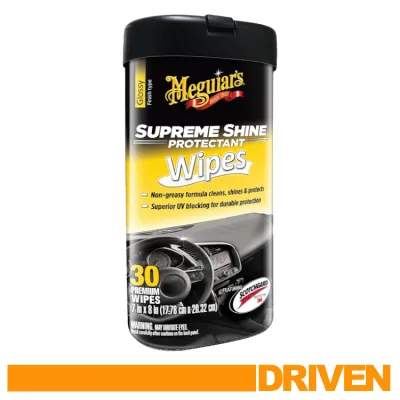
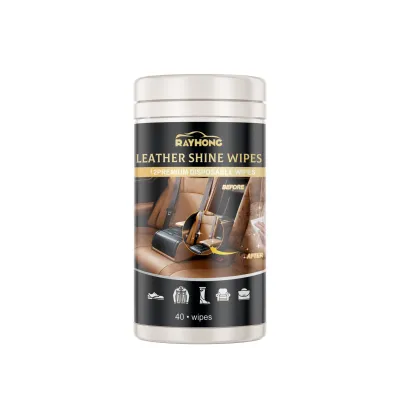
Prices are valid at publication and may change. Please refer to the product page for the latest price.
Car wipes are designed as quick-detailing or spray-and-wipe products packaged in a convenient, pre-saturated format. They are formulated with mild cleaning agents, lubricants, and light synthetic polymers to lift light dust, fingerprints, and water spots while leaving behind a temporary gloss. Because they do not form a thick or chemically bonded barrier, they do not offer long-term structural protection against environmental contaminants or physical abrasion. Instead, they act as a convenient maintenance tool to refresh the paint’s appearance between comprehensive washes.
Traditional wax, which includes natural carnauba and synthetic polymer waxes, functions as a sacrificial barrier on top of the clear coat. When applied, the wax fills the microscopic pores, scratches, and valleys in the paint surface, creating a smooth plane that reflects light evenly to produce a warm, deep gloss. This physical layer is highly hydrophobic, causing water to bead up and roll off, which helps prevent water spots. However, because wax merely sits on top of the paint rather than bonding with it, it gradually degrades when exposed to heat, road grime, and car wash detergents.
Ceramic coating represents an advanced level of consumer paint protection, consisting of a liquid polymer typically formulated with silicon dioxide (SiO2) or titanium dioxide. Unlike wax, a ceramic coating chemically bonds with the vehicle’s factory clear coat at a molecular level. As it cures, it hardens into a semi-permanent, glass-like layer that is exceptionally hydrophobic and resistant to chemical etching from bird droppings, tree sap, and acid rain. This hard barrier makes the surface incredibly slick, meaning dirt and road grime have a difficult time adhering to the paint, which simplifies the washing process.
Comparing Durability, Application Effort, and Cost
Evaluating these three methods requires looking closely at their longevity, the physical effort required to apply them, and the overall financial investment. Each option presents a distinct trade-off between convenience and performance.

Longevity expectations vary widely across these categories, and you should always verify specific product labels for exact durability claims. Generally, the light polymers left behind by car wipes may only last from a few days to a couple of weeks, depending on weather exposure and washing frequency. Traditional waxes typically offer protection ranging from several weeks to a few months before the sacrificial layer wears away and requires reapplication. In contrast, a properly applied and maintained ceramic coating can last for multiple years, though its performance depends heavily on the quality of the initial application and subsequent maintenance.
The application effort and skill level required also scale with the durability of the product. Car wipes offer the ultimate simplicity: you simply wipe the pre-saturated cloth over a lightly dusty surface and buff it dry with a clean microfiber towel, requiring no specialized tools or environment. Waxing requires a more involved cure-and-buff process, where you apply the paste or liquid evenly, wait for it to haze over, and then buff it off by hand or with a dual-action polisher. Ceramic coating demands the highest level of skill, requiring meticulous paint correction to remove imperfections before application, followed by precise installation in a dust-free, temperature-controlled environment to prevent high spots or curing failures.
Cost considerations are directly tied to these application requirements. Car wipes are highly affordable upfront, making them an inexpensive addition to any trunk organizer. Traditional waxes occupy a moderate price tier, offering excellent value for DIY enthusiasts who do not mind spending a weekend afternoon detailing. Ceramic coatings represent a significant financial investment; while DIY kits are available, professional application adds substantial labor costs due to the hours of paint preparation, washing, claying, and polishing required to ensure the coating bonds correctly.
| Feature | Car Wipes | Traditional Wax | Ceramic Coating |
|---|---|---|---|
| Primary Purpose | Quick dusting & temporary gloss | Sacrificial barrier & deep shine | Semi-permanent chemical shield |
| Estimated Durability | Days to weeks (Check label) | Weeks to months (Check label) | Multiple years (Check label) |
| Application Difficulty | Very low (No experience needed) | Moderate (Requires buffing) | High (Requires paint prep & precision) |
| Required Environment | Anywhere (Avoid direct hot sun) | Shaded, cool area | Dust-free, indoor/sheltered area |
| Upfront Cost | Low | Moderate | High (Especially professional) |
| Surface Prep Needed | Minimal (Light dust only) | Thorough wash & dry | Full wash, clay bar, & paint correction |
Matching Protection to Your Car Care Routine
Selecting the right paint protection is a matter of matching the product’s characteristics to your personal lifestyle, detailing habits, and the physical condition of your vehicle. There is no single option that suits every car owner.
Choose car wipes if you have a busy schedule and need rapid, on-the-go dust removal or instant gloss enhancement between proper washes. They are ideal for urban drivers who park in multi-storey car parks where water access might be limited, allowing you to quickly clean off light dust, bird droppings, or water spots before they can etch into the paint. This method requires minimal time investment and no specialized detailing space, making it perfect for maintaining a clean look with minimal hassle.
Choose traditional wax if you enjoy the hands-on detailing process and find satisfaction in spending a few hours working on your vehicle. Wax is perfect for enthusiasts who prefer a warm, deep, organic gloss over the sharp, glass-like reflection of ceramic coatings. If you do not mind dedicating a morning every few months to washing, claying, and waxing your car, this method provides excellent protection and aesthetic appeal at a very reasonable cost.
Choose a ceramic coating if you want maximum hydrophobic performance, long-term chemical resistance, and are willing to invest the necessary time or money upfront. This option is highly suited for those who want to minimize the effort required during weekly washes, as dirt slides off the slick surface easily. It is also the preferred choice for brand-new vehicles or cars that have just undergone professional paint correction, as it locks in the flawless finish for years to come.
However, you must evaluate the current state of your vehicle’s paint before choosing any of these options. If your clear coat is heavily oxidized, peeling, or failing, none of these protective methods will restore the finish. Applying wax or ceramic coating over damaged paint will only highlight the imperfections and fail to adhere properly. In such cases, you should consult a professional detailer to assess whether paint correction can salvage the surface, or if a respray is necessary before any protective layer can be applied.
Preparation and Safety Checks Before Application
To achieve the best results and prevent accidental damage to your vehicle’s finish, you must perform proper surface preparation and adhere to safety guidelines before applying any protective product.
Surface cleanliness is the foundation of any successful detailing job. Waxes and ceramic coatings will seal in any dirt, road grime, industrial fallout, or fine scratches present on the paint if they are applied to an unwashed or un-decontaminated surface. Before applying wax or ceramic, always perform a thorough wash using a dedicated car shampoo, followed by a clay bar treatment to remove embedded contaminants that normal washing cannot clear. For ceramic coatings, an isopropyl alcohol (IPA) wipe-down is also necessary to strip away any remaining polishing oils or old wax residues, ensuring a bare paint surface for optimal bonding.
Label verification is critical for both safety and product performance. Always read and strictly follow the manufacturer’s instructions regarding curing times, temperature limits, and required personal protective equipment (PPE). Ceramic coatings, in particular, contain strong solvents that release volatile organic compounds (VOCs); you should always apply them in a well-ventilated area and wear appropriate gloves and eye protection as recommended by the manufacturer. Additionally, pay close attention to the specified flash times—the window of time the product must sit on the paint before being buffed off—to avoid difficult-to-remove high spots.
You must also establish clear stop conditions during the process. If the paint still feels rough or gritty after a thorough wash, do not proceed with waxing or coating; instead, stop and perform a clay bar decontamination. Furthermore, check the product label for compatibility warnings. Some waxes and ceramic coatings are formulated strictly for painted metal surfaces and can cause permanent staining or white residue if they come into contact with textured plastics, rubber trim, or matte finishes. If you are unsure about compatibility, test the product on a small, inconspicuous area first, or consult the manufacturer’s documentation.
Frequently Asked Questions (FAQ)
Can I Use Car Wipes on a Ceramic Coated Vehicle?
Yes, you can use car wipes on a ceramic coated vehicle, but you must select the right type of wipe to avoid damaging the underlying layer. Standard car wipes designed for general cleaning may contain harsh solvents, surfactants, or light abrasives that can prematurely degrade or scratch the delicate top layer of your ceramic coating. Always check the product label to ensure the formula is explicitly marked as safe for ceramic coatings or sealant finishes.
For the best results, look for wipes specifically formulated as ceramic boosters or coating-safe quick detailers. These products are typically infused with a small amount of SiO2 or compatible synthetic polymers. Instead of stripping the coating, they help reinforce its hydrophobic properties, restore slickness, and safely lift light surface dust without leaving behind dulling residues or scratches.

Community discussion
Share your experience or ask a question. Comments are reviewed before publication.