
When driving through a sudden tropical downpour, clear visibility through your car windscreen is paramount for safety. Choosing the right treatment for your glass requires understanding that glass polish, car wax, and ceramic coatings serve entirely different purposes. While glass polish is a corrective preparation step designed to clean and restore the surface, wax and ceramic coatings are protective barriers that repel water. Deciding which protection method works best for your vehicle depends on your willingness to perform regular maintenance, your budget, and the current condition of your glass.
Many drivers confuse these three treatments, often applying them in the wrong order or expecting a corrective product to offer long-term protection. To achieve a crystal-clear view and ensure your wiper blades glide smoothly without chattering, you must match the treatment to your specific glass conditions. This guide breaks down how each option functions, compares their real-world durability, and outlines the safety boundaries you must respect during application.
Understanding the Role of Each Treatment on Glass
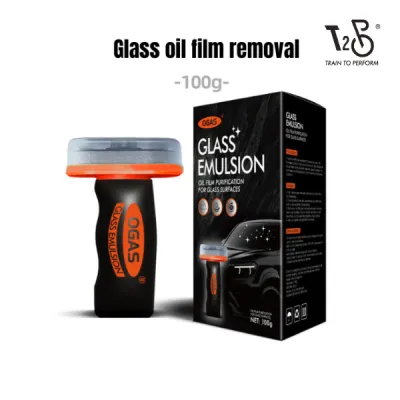
To make an informed decision, you must first understand that glass polish is not a protective sealant. Instead, it is an abrasive or chemical corrective agent formulated specifically to strip away stubborn contamination that regular car shampoo cannot remove. Over time, windscreens accumulate road grime, industrial fallout, tree sap, and a persistent oil film caused by exhaust emissions and road spray. This oil film is highly hydrophilic, meaning it holds onto water and causes wiper blades to smear moisture across your field of vision. Glass polish physically shears away these microscopic contaminants, leaving a perfectly clean, bare glass surface.
Products mentioned in this guide
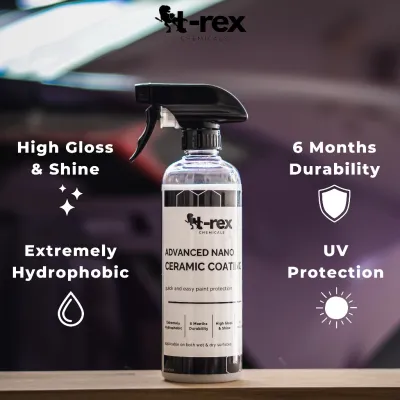
![❄️[SG] Anti-Rain Coating Spray/ Anti Fogging Coating Car Windscreen Window Shield Side Mirror Rain Repellent Spray❄️](https://img.lazcdn.com/g/p/75a32e10224acd3cea247c90f6d0264b.jpg_400x400q80.jpg_.webp)
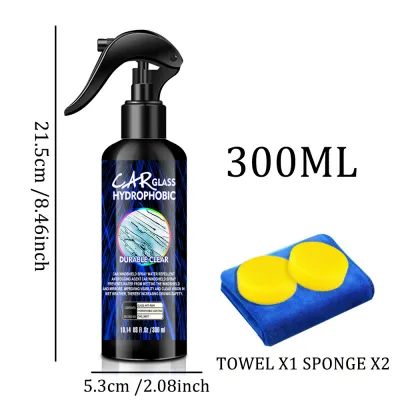
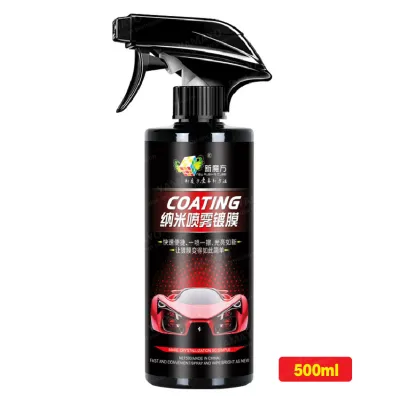
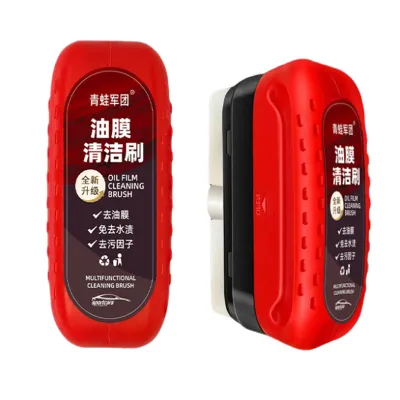
Prices are valid at publication and may change. Please refer to the product page for the latest price.
Car wax, whether derived from natural carnauba or synthetic polymers, is a temporary hydrophobic barrier. While primarily designed for automotive paintwork, some car owners apply wax to their windscreens as a quick way to encourage water beading. Wax works by filling the microscopic pores and imperfections on the glass surface, creating a smooth plane that forces water to bead up and roll off. However, wax does not form a chemical bond with the glass; it merely sits on top of the surface. Consequently, it is highly vulnerable to heat, friction from wiper blades, and the surfactants found in windscreen washer fluids.
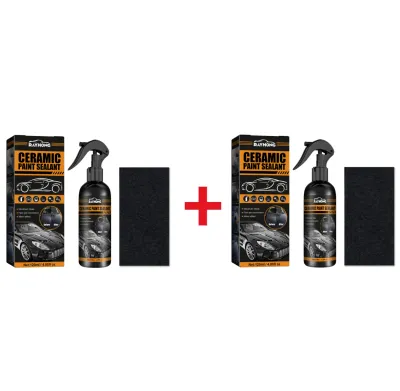
Ceramic coating, often formulated with silicon dioxide (SiO2), is a semi-permanent protective layer designed specifically for long-term water repellency and environmental resistance. Unlike wax, a dedicated glass ceramic coating forms a covalent bond with the silica in the glass. This chemical reaction creates an ultra-thin, incredibly hard barrier that becomes an integral part of the glass surface. This bond allows the coating to withstand harsh weather conditions, UV radiation, and the mechanical abrasion of wiper blades far better than any wax or sealant.
Comparing Effectiveness and Durability
When evaluating how these treatments perform on the road, water beading and sheeting are the primary indicators of success. A freshly waxed windscreen will bead water exceptionally well during light rain, but this performance degrades rapidly. Under the constant friction of wiper blades during a heavy downpour, the soft wax layer quickly wears away, often leaving behind a patchy residue that can cause uneven smearing and distracting glare under night-time streetlights.

In contrast, a ceramic coating maintains its hydrophobic properties under intense mechanical wear. Because of the strong chemical bond, water beads into tight, uniform droplets that are easily swept away by the wind. At driving speeds above 50 to 60 km/h, the aerodynamic airflow over the bonnet is often sufficient to clear the windscreen without even turning on the wipers. This significantly reduces wiper wear and improves reaction times during sudden downpours.
Durability is heavily influenced by environmental exposure and maintenance routines. In tropical climates with high humidity, intense UV exposure, and frequent heavy rain, organic waxes may break down within a few weeks, especially if the vehicle is parked in open-air lots. Synthetic waxes might offer slightly better longevity, but they still require frequent reapplication. Ceramic coatings are highly resistant to UV degradation and chemical cleaners, though their actual lifespan still depends on the condition of your wiper blades and how often you clean the glass. Drivers should always check specific product labels for manufacturer-claimed longevity and verify these claims against their own driving habits.
Application Process and Safety Boundaries
The application processes for these treatments range from simple DIY tasks to highly meticulous procedures that carry real risks if performed incorrectly. Applying car wax is a low-risk, straightforward process. After washing and drying the windscreen, you apply a thin layer of wax using an applicator pad, allow it to haze according to the product instructions, and buff it off with a clean microfiber cloth. If you make a mistake or apply too much, the residue can be easily stripped away with a standard glass cleaner or an isopropyl alcohol (IPA) wipe.
Applying a ceramic coating requires a much higher level of discipline and preparation. Because the coating bonds chemically to the glass, any trapped dirt, oil, or old wax will prevent proper adhesion and lead to premature failure. The process involves a thorough wash, clay bar decontamination, glass polishing to remove deep-seated oil films, a final wipe-down with an IPA-based prep spray, and a precise application of the liquid coating. The coating must be leveled and buffed off within a strict time window. If left to cure too long, it can leave “high spots”—cloudy, iridescent streaks that cause severe optical distortion, particularly when driving against oncoming headlights at night. Removing cured high spots typically requires machine polishing.
Glass polishing carries the highest risk and must be approached with caution. While mild hand polishing with a dedicated glass compound is safe for removing water spots, using aggressive rotary polishing machines or heavy cerium oxide compounds requires professional training. Glass is extremely hard, and if you apply uneven pressure or generate excessive heat in one spot, you can shave the glass unevenly. This creates low spots that act as lenses, causing permanent optical distortion that warps your view of the road. Furthermore, excessive heat buildup from a rotary machine can stress the laminated safety glass, potentially leading to cracking or compromising its structural integrity. Always consult your vehicle’s manual and, if deep correction is needed, seek qualified professional detailing services.
Cost and Value Evaluation
Evaluating the cost of windscreen protection requires looking beyond the initial purchase price to calculate the long-term value and cost-per-month of active protection. DIY waxes are highly economical upfront, with a single container costing very little and lasting for dozens of applications. However, when you factor in the time and effort required to reapply the wax every few weeks, the labor cost—even for a DIY enthusiast—becomes a significant factor.
DIY ceramic coating kits designed for glass are moderately priced, typically ranging from S$20 to S$60. While more expensive than wax, they offer a much lower cost-per-month of protection due to their extended durability. However, you must also budget for the necessary preparation products, such as clay bars, glass polish, and IPA prep sprays, which are essential for a successful application.
Professional ceramic coating services at detailing shops in Singapore represent the highest initial investment, often ranging from S$80 to over S$200 for the windscreen alone. This price reflects not just the cost of the professional-grade coating, but the intensive labor required for multi-stage decontamination and machine polishing. It is important to note that professional glass polishing is often billed as a separate preparatory cost. If your windscreen has severe water spotting or a thick traffic film, this restorative step is mandatory before any protective coating can be applied, but it ensures the longest possible lifespan for your investment.
How to Choose the Right Windscreen Protection
To choose the best treatment for your car windscreen, you must evaluate the current condition of your glass, your budget, and how much time you are willing to spend on maintenance.
Choose Glass Polish if your windscreen has severe water spots (calcium deposits), a heavy oil film that causes wiper chatter, or persistent smearing that regular washing cannot resolve. Glass polish is a restorative treatment, not a protective one. If your glass is heavily contaminated, polishing is a mandatory first step before you apply any wax or ceramic coating to ensure proper adhesion.
Choose Wax if you prefer a low-cost, low-commitment DIY routine and do not mind reapplying the product every few weeks. It is an excellent, forgiving option for beginners who want temporary water beading without the risk of permanent application errors or optical distortion.
Choose Ceramic Coating if you want the highest level of hydrophobic performance, long-term durability, and clearer visibility during heavy rain. This is the ideal choice if you are willing to invest the time and effort into meticulous surface preparation or prefer to pay a professional detailer for a guaranteed, streak-free finish.
Before purchasing any product or booking a service, always inspect your windscreen for deep pitting, stone chips, or cracks. No surface treatment, polish, or coating can repair structural glass damage. If you find any chips or cracks, consult a professional windscreen repair specialist immediately, as these defects can compromise the structural integrity of your vehicle and may fail roadworthiness inspections.
Frequently Asked Questions (FAQ)
Can I apply ceramic coating over car wax?
No, you should never apply a ceramic coating over car wax. Ceramic coatings require a completely bare, chemically clean glass surface to form a proper covalent bond. If you apply a ceramic coating over car wax, the coating will bond to the temporary wax layer rather than the glass itself. As the wax washes away over the subsequent weeks, the ceramic coating will slide off with it, wasting the product and your effort. Always use an IPA-based prep spray or a dedicated glass polish to strip away all wax, grease, and oils before applying a ceramic coating.
Will glass polish remove deep scratches from wiper blades?
No, standard glass polishes cannot remove deep scratches. Glass polishes are designed to remove surface contamination, water spots, and very fine micro-marring. Deep scratches—such as those caused by a worn wiper blade dragging a piece of grit across the glass—cannot be safely polished out. If a scratch is deep enough to catch your fingernail, attempting to polish it out would require removing a significant amount of glass, which causes dangerous optical distortion. For deep scratches, consult a professional glass repair technician or consider replacing the windscreen.
Does windscreen coating affect rain sensor performance?
It can. Automatic rain sensors typically operate by emitting infrared light through the windscreen and measuring how much of that light is reflected back, which changes when water droplets are on the glass. Highly hydrophobic coatings cause water to bead into tight, round droplets that roll off quickly. In some vehicles, this rapid beading can alter the sensor’s readings, causing the wipers to sweep too frequently or not frequently enough. Before applying any highly hydrophobic coating, check your vehicle’s owner manual or consult the manufacturer for specific recommendations regarding coatings near the sensor housing.

Community discussion
Share your experience or ask a question. Comments are reviewed before publication.