
Maintaining your vehicle’s exterior shine requires understanding the distinct roles of correction and protection. If you want an immediate, cost-effective gloss that you can easily apply yourself over a weekend, traditional car wax is your best starting point. If you seek long-term, semi-permanent defense against environmental contaminants and want to minimize washing effort for years, a ceramic coating is the superior choice. However, if your paint is already marred by swirl marks, light scratches, or oxidation, neither wax nor coating will fix the damage; you must first perform paint polishing to restore the surface before applying any protective layer.
There is no single “best” method for every car owner. The ideal approach depends on your budget, your willingness to perform regular hands-on maintenance, and the current condition of your vehicle’s paint. By matching these factors to the right treatment, you can preserve your car’s aesthetic appeal and resale value without wasting time or money on incompatible products.
Clearing the Confusion: Correction vs. Protection
A common misconception among car owners is that polishing, waxing, and ceramic coating are interchangeable terms for the same detailing process. In reality, they serve completely opposite functions. Polishing is a corrective process, whereas waxing and ceramic coating are protective measures. Confusing these two categories can lead to poor results or even permanent damage to your vehicle’s finish.
Products mentioned in this guide
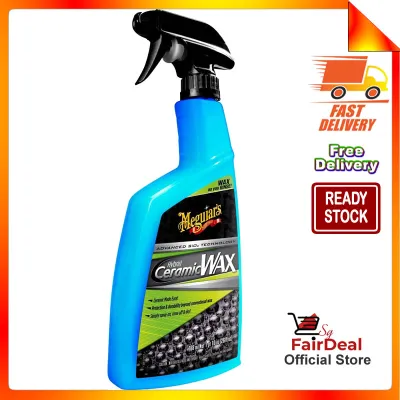
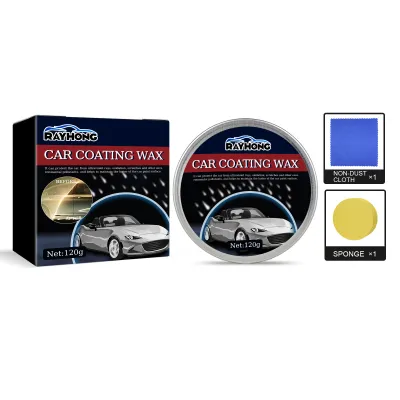
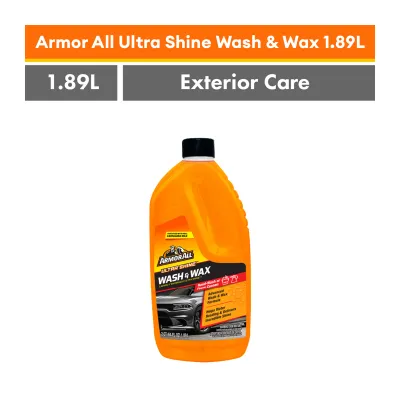
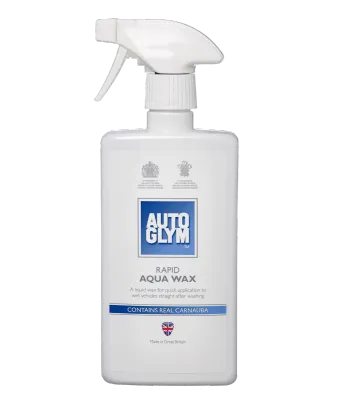
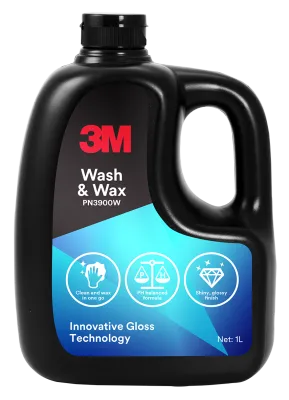
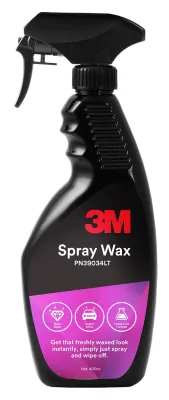
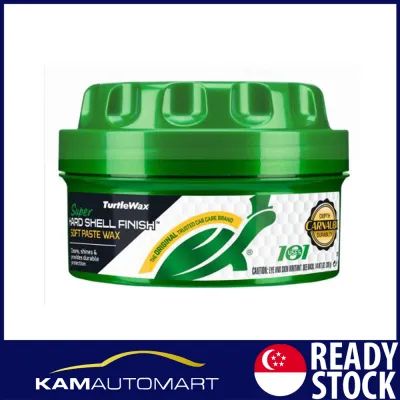
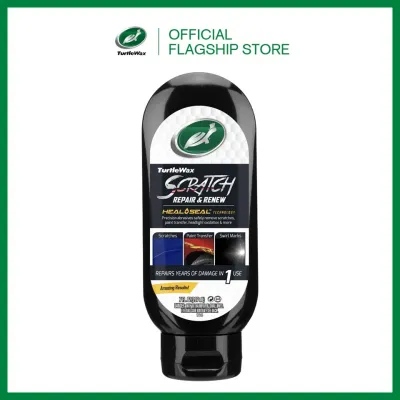
Prices are valid at publication and may change. Please refer to the product page for the latest price.
Polishing is an abrasive procedure. It does not add anything to your paint; instead, it removes a microscopic layer of the clear coat to level the surface. By leveling the clear coat, polishing eliminates surface defects such as swirl marks, fine scratches, holograms, and dull oxidation. This flat surface allows light to reflect evenly, which is what creates the deep, mirror-like reflection.
Conversely, car wax and ceramic coatings are sacrificial barrier layers applied directly on top of the clear coat. They do not repair scratches or remove oxidation. Instead, they act as a shield to absorb the brunt of environmental damage—such as ultraviolet (UV) rays, acid rain, bird droppings, and road grime—before those contaminants can reach and etch the actual paint.
The golden rule of automotive detailing is straightforward: you must correct the paint before you protect it. Applying a wax or ceramic coating over unpolished paint will simply seal in existing swirl marks, scratches, and dullness, locking those defects beneath a shiny but imperfect protective layer. Always evaluate whether your paint requires correction before moving on to the protection phase.
Car Wax: Traditional Shine and Hands-On Maintenance
For decades, car wax has been the go-to standard for automotive enthusiasts who enjoy the therapeutic process of weekend detailing. Traditional car wax generally falls into two categories: natural organic waxes and synthetic sealants. Natural waxes are primarily formulated with carnauba wax, a natural substance harvested from Brazilian palm trees. Carnauba is highly prized in the detailing community for producing a warm, deep, and wet-looking gloss that synthetic alternatives struggle to replicate.

Synthetic sealants, on the other hand, are engineered from man-made polymers. While they may lack some of the visual warmth of natural carnauba, they offer superior durability and are much easier to apply and buff off. Both types of car wax provide excellent hydrophobic properties, causing water to bead up and roll off the surface, which helps carry away loose dirt during light rain.
However, the primary drawback of traditional car wax is its limited durability. Natural carnauba wax typically degrades within four to six weeks under normal driving conditions, while high-quality synthetic sealants may last up to three to six months. Frequent washing, exposure to harsh road chemicals, and hot weather will accelerate this breakdown, requiring regular reapplication to maintain adequate protection.
Before applying any car wax, safety and compatibility must be verified. Always check the product label to confirm it is safe for your vehicle’s specific exterior surfaces. Traditional waxes are designed for glossy clear coats and can leave unsightly white residue or permanent stains on unpainted plastic trim, rubber seals, and matte paint finishes. If your vehicle features matte wraps, textured plastics, or specialized advanced driver-assistance system (ADAS) sensors embedded in the bumper, ensure the selected wax is explicitly rated as safe for those materials.
Ceramic Coating: Semi-Permanent Shield for High-Value Paint
Ceramic coatings represent a significant technological leap in paint protection, shifting the paradigm from temporary topical barriers to semi-permanent chemical bonds. Most modern ceramic coatings are formulated with silicon dioxide (SiO2) or titanium dioxide (SiO2/TiO2) nanoparticles. When applied to a clean, prepared paint surface, these liquid polymers cure and chemically bond with the vehicle’s factory clear coat, creating an incredibly hard, glass-like layer.
This chemical bond provides outstanding protection that far exceeds any traditional car wax. Ceramic coatings are highly resistant to UV oxidation, preventing the paint from fading or yellowing over time. They also offer exceptional chemical resistance, shielding the clear coat from highly acidic contaminants like bird droppings, tree sap, and bug splatter, which can quickly etch unprotected paint. Additionally, the extreme hydrophobic effect of a ceramic coating makes the vehicle highly self-cleaning, as dirt and road grime struggle to cling to the ultra-smooth surface.
The trade-off for this superior protection is a high upfront cost and a highly demanding application process. Proper bonding requires meticulous surface preparation, including a thorough wash, clay bar decontamination, and almost always a multi-stage polish to remove all surface imperfections. Any remaining oils, dust, or swirl marks will be locked under the coating for years.
It is also vital to debunk a common industry myth: ceramic coatings are not scratch-proof. While they provide minor resistance against wash-induced marring, they do not act as physical armor against rock chips, deep key scratches, or aggressive abrasions. Furthermore, while DIY consumer kits have become highly accessible, they offer lower active ingredient concentrations and shorter lifespans compared to professional-grade coatings, which require controlled infrared curing environments and expert application techniques to prevent high spots and uneven finishes.
Polishing: The Critical Prep Step You Cannot Skip
Polishing is the engine that drives true paint restoration. While protection products keep your car looking good, polishing is what makes it look spectacular in the first place. You should polish your vehicle when you notice visible paint defects under direct sunlight or LED inspection lights, such as spiderweb-like swirl marks, light holograms from improper washing, water spot etching, or a chalky, oxidized appearance.
However, polishing must be approached with caution and respect. Because polishing relies on micro-abrasives to level the clear coat, every single polishing pass removes a tiny, microscopic layer of your vehicle’s paint finish. Over-polishing or polishing too frequently will eventually thin the clear coat to a dangerous level, leading to premature clear coat failure, which manifests as peeling, bubbling, and complete paint degradation.
If your vehicle has deep scratches that catch your fingernail, or if you are dealing with a classic car with thin, single-stage paint, do not attempt aggressive DIY correction. Consult a professional detailer who can use a digital paint depth gauge to measure the remaining clear coat thickness before proceeding.
Finally, remember that the polishing process leaves the paint completely bare. Polishing compounds contain lubricants and solvents that must be thoroughly wiped away with an isopropyl alcohol (IPA) prep spray. Once the paint is clean and bare, it is highly vulnerable to environmental damage. You must always follow a polishing session immediately with a protective layer, whether that is a traditional car wax, a synthetic sealant, or a ceramic coating.
Side-by-Side Comparison: Durability, Cost, and Effort
To help you visualize how these three detailing methods compare, the table below breaks down their primary functions, expected lifespans, cost structures, and application demands. Note that polishing is categorized as a correction step, while car wax and ceramic coatings are categorized as protection steps.
| Detailing Method | Primary Function | Expected Durability | Upfront Cost Tier | Maintenance Effort | DIY Friendliness |
|---|---|---|---|---|---|
| Car Wax | Paint Protection (Topical) | Weeks to Months | Low | High (Frequent Reapplication) | High (Very Easy) |
| Ceramic Coating | Paint Protection (Chemical Bond) | Years | High | Low (Easy Washing) | Low to Medium (Requires Prep) |
| Polishing | Paint Correction (Abrasive) | N/A (Corrective Action) | Medium to High | Low (Occasional Prep Step) | Medium (Requires Machine/Skill) |
This comparison highlights the balance of trade-offs. Car wax offers low upfront costs and high DIY accessibility but demands ongoing physical effort to maintain. Ceramic coatings require a substantial initial investment of time or money but reward you with years of simplified maintenance. Polishing is the bridge that makes both protective options look their absolute best.
Choosing for Singapore’s Tropical Climate and Driving Conditions
Operating a vehicle in Singapore presents a unique set of environmental challenges that directly affect paint longevity. The local climate is characterized by intense, year-round ultraviolet (UV) radiation, high relative humidity, and sudden, torrential downpours. These factors create a punishing environment for automotive clear coats.
Under the intense tropical sun, the surface temperature of a dark-colored car parked outdoors can easily exceed 60 degrees Celsius. This extreme heat causes traditional car wax to soften and degrade rapidly, significantly reducing its protective lifespan. A wax that might last three months in a temperate climate may break down in as little as three to four weeks in Singapore. Furthermore, high humidity can trap moisture against the paint if the wax layer is unevenly applied.
In contrast, ceramic coatings perform exceptionally well in tropical climates. The chemical bond formed by SiO2 is highly stable and does not degrade under extreme surface heat. This ensures continuous UV protection, preventing the paint from fading or chalking under constant sun exposure.
Additionally, Singapore’s frequent rain showers pose a severe risk of water spotting. When rainwater mixes with atmospheric pollution and dries rapidly under the hot sun, it leaves behind concentrated mineral deposits. These hard water spots can etch deep into the clear coat. The extreme hydrophobic properties of a ceramic coating cause rainwater to sheet off the panels quickly, minimizing the volume of standing water left to dry on the hot surface. While coatings do not completely eliminate water spots, they make them much easier to clean before they can cause permanent damage.
Final Verdict: Match the Treatment to Your Lifestyle
Selecting the right paint care strategy ultimately comes down to matching the treatment to your lifestyle, budget, and how you use your vehicle.
Choose Car Wax if:
- You enjoy hands-on detailing as a weekend hobby.
- You prefer the warm, deep, organic gloss of natural carnauba.
- You want to keep upfront costs low and avoid complex application steps.
- Your car is parked in a sheltered garage most of the time.
Choose Ceramic Coating if:
- You want long-term, multi-year paint protection with minimal daily effort.
- Your vehicle is frequently parked outdoors, exposed to Singapore's intense sun and rain.
- You are willing to invest either the time for meticulous DIY preparation or the budget for a professional application.
- You want a highly hydrophobic surface that makes routine washing fast and effortless.
Choose Polishing only if:
- Your vehicle's paint exhibits visible defects like swirl marks, light scratches, or oxidation.
- You are preparing the paint surface for the application of a wax, sealant, or ceramic coating.
Before purchasing or applying any detailing product, always verify compatibility with your vehicle’s specific paint type, matte finishes, or exterior trim materials. When in doubt, consult a professional detailer to ensure your chosen method preserves your car’s finish safely.
Frequently Asked Questions (FAQ)
Can I apply car wax over a ceramic coating?
While it is physically possible to apply car wax over a cured ceramic coating, doing so is generally counterproductive. Ceramic coatings are engineered with highly hydrophobic, self-cleaning surfaces that naturally repel contaminants. Applying a traditional wax on top will mask these advanced properties, replacing them with the less hydrophobic and more easily contaminated surface of the wax. Additionally, the wax will struggle to bond properly to the slick ceramic surface, causing it to wash off very quickly. Instead of wax, use dedicated ceramic maintenance sprays or SiO2-infused detailers designed to boost the coating’s gloss and hydrophobic performance.
Does polishing remove the clear coat?
Yes, polishing does remove a microscopic layer of your vehicle’s clear coat. Polishing compounds contain tiny abrasives that shave down the high points of the clear coat until they match the depth of the scratches, creating a perfectly flat, reflective surface. Modern factory clear coats are relatively thin, typically measuring between 35 to 50 microns. A light finishing polish may only remove a fraction of a micron, which is perfectly safe for occasional use. However, aggressive compounding or frequent machine polishing can deplete the clear coat entirely, leaving the underlying color coat exposed to rapid oxidation and peeling. Always use the least aggressive pad and polish combination necessary to achieve the desired results.
Is ceramic coating worth it for an older car?
A ceramic coating can absolutely be worth it for an older car, but only if you manage your expectations and invest in proper preparation. A ceramic coating is completely transparent; it acts as a magnifying glass, meaning it will lock in and highlight any existing scratches, swirl marks, or faded paint underneath. For an older vehicle, the majority of the budget and effort must be directed toward paint correction (polishing) to restore the paint’s gloss first. If the paint is severely degraded or the clear coat is already failing, a ceramic coating is not recommended. In such cases, a thorough polish followed by a budget-friendly synthetic sealant or wax offers a more practical, cost-effective solution.
Community discussion
Share your experience or ask a question. Comments are reviewed before publication.