
Choosing a car vent diffuser that can withstand Singapore’s intense heat and humidity requires looking beyond aesthetics. The most reliable options feature robust, heat-resistant housing materials like anodized aluminum, zinc alloy, or high-grade engineering polymers, paired with secure, silicone-padded clip mechanisms and stable fragrance formats such as solid ceramic or polymer refills.
Singapore’s tropical climate presents a challenging environment for interior car accessories. When your vehicle is parked under direct sunlight, cabin temperatures can soar, causing low-quality plastics to warp, weak adhesives to fail, and liquid fragrances to leak. By understanding how materials and designs interact with extreme heat and high humidity, you can select a diffuser that remains secure, performs consistently, and protects your car’s interior from damage.
How Tropical Climates Affect Car Vent Diffusers
When a vehicle is parked in an unsheltered area in Singapore, such as an open-air HDB surface carpark or a rooftop commercial lot, it quickly becomes a heat trap. Solar radiation passes through the windshield and side windows, heating up the dashboard and air conditioning vents. Because the cabin is sealed, this thermal energy is trapped, raising the internal temperature significantly above the outdoor ambient level.
Products mentioned in this guide
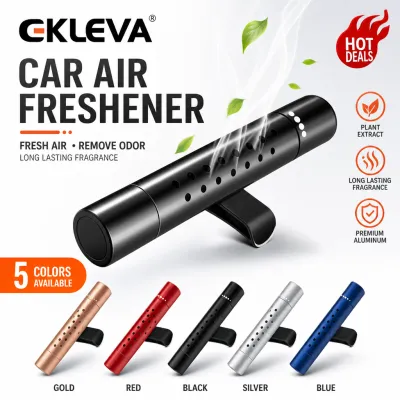

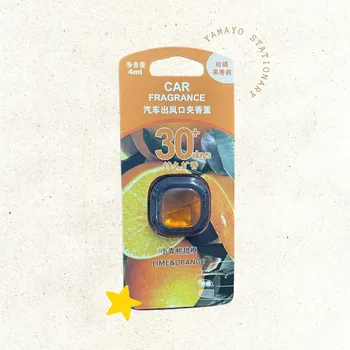
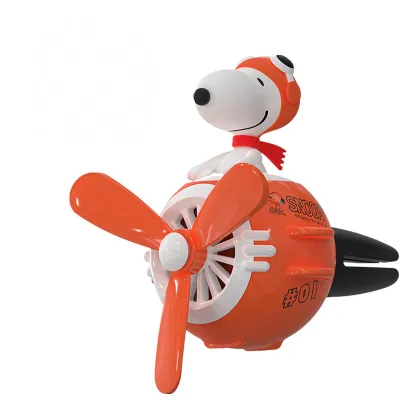
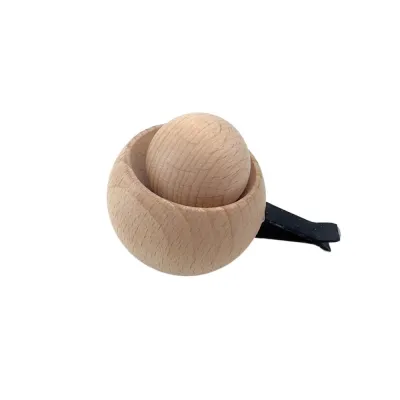
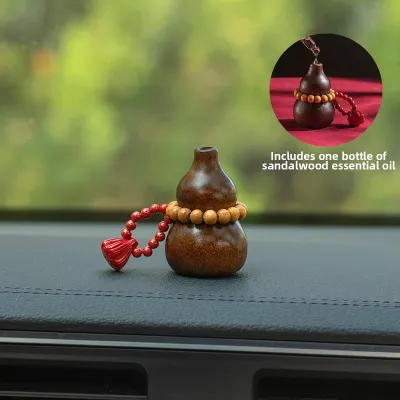
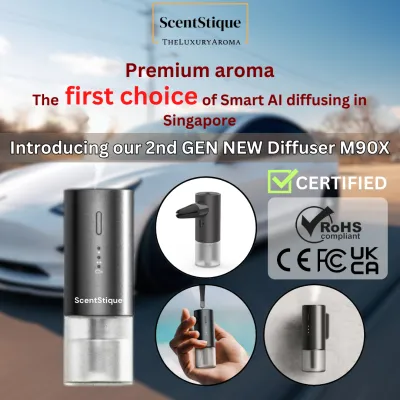
Prices are valid at publication and may change. Please refer to the product page for the latest price.
This intense heat directly affects any accessory mounted on your air conditioning vents. Many standard car vent diffusers are constructed from low-cost plastics that have low heat deflection temperatures. Under prolonged exposure to elevated cabin temperatures, these materials can soften, warp, or develop hairline cracks, compromising their structural integrity.
At the same time, Singapore’s high relative humidity introduces moisture-related complications. High humidity can weaken the adhesive bonds used to assemble multi-piece diffusers, leading to components separating over time. Moisture in the air can also interact with certain fragrance carriers, altering their diffusion rates or causing them to break down faster than intended.
Furthermore, constant exposure to ultraviolet (UV) radiation through the vehicle’s glass accelerates the aging process of polymers. This process, known as photo-oxidation, breaks down the chemical bonds within plastics and elastomers. Over time, this makes the diffuser housing brittle, causes vibrant colors to fade, and increases the risk of the mounting clip snapping during adjustment or refill replacement.
Evaluating Housing Materials for Heat Resistance
To ensure your car vent diffuser survives the harsh tropical climate, you must prioritize housing materials with high thermal stability. Before making a purchase, check the manufacturer’s packaging or product documentation for explicit material specifications and temperature ratings. Reliable brands often highlight the use of heat-resistant materials designed specifically for automotive environments.

Metals like anodized aluminum and zinc alloys are among the most durable choices for car vent diffusers. These materials possess exceptionally high melting points and do not warp, crack, or degrade when exposed to extreme cabin heat. Anodizing also provides a protective oxide layer that resists corrosion and fading from UV exposure. While metal housings can become hot to the touch after the car has been parked in the sun, they quickly cool down once the air conditioning is turned on.
If you prefer a lightweight polymer diffuser, look for engineering-grade plastics such as polycarbonate (PC) or polybutylene terephthalate (PBT). These materials are engineered to maintain their strength and shape at much higher temperatures than standard plastics like polystyrene (PS) or low-density polyethylene (LDPE). High-quality silicone is another excellent option, as it remains flexible and stable across a wide temperature range without melting or becoming sticky.
Avoid diffusers that show visual signs of poor material quality or cheap construction. Thin-walled plastic housings, visible glue lines, and painted plastic finishes are highly vulnerable to heat damage. Under intense heat, cheap painted coatings can bubble, peel, or transfer sticky residue onto your fingers and vent blades. Inspecting the physical build quality and opting for solid, mechanically fastened designs will save you from premature failures.
Assessing Clip Mechanisms and Structural Designs
A car vent diffuser must remain firmly attached to the air conditioning vent blades, even when driving over speed bumps, rough road surfaces, or during sudden stops. The clip mechanism is the primary point of contact and must be evaluated carefully to prevent damage to your vehicle’s interior.
Look for clips constructed from spring steel or high-strength polymers that are fully encased in thick, soft silicone padding. The silicone sleeve serves a dual purpose: it provides excellent grip to prevent the diffuser from sliding off the vent blade, and it acts as a protective barrier. Bare metal or hard plastic clips can easily scratch, gouge, or crack the delicate plastic louvers of your car’s vents, especially when the vents are warm and more susceptible to damage.
The physical size and weight of the diffuser also play a critical role in its performance and safety. Large, heavy diffusers can block a significant portion of the airflow from your air conditioning system, reducing cooling efficiency in the cabin. More importantly, excessive weight places continuous downward leverage on the vent blades, which can weaken or snap the internal adjustment linkages over time, leading to costly repairs.
Additionally, examine how the fragrance refill is secured within the diffuser housing. The containment mechanism—whether it uses a magnetic faceplate, a threaded screw-on cap, or a secure snap-fit latch—must remain tight despite thermal expansion and contraction. A loose or poorly designed closure can fail under heat, causing the refill to fall out while driving, which can create a dangerous distraction.
Selecting Fragrance Refills Suitable for High Humidity
The format of the fragrance refill is just as important as the diffuser’s physical structure. Fragrance refills are generally available in solid, liquid, or gel formats, and each behaves differently under Singapore’s hot and humid conditions.
Solid refills, such as scented ceramic tablets, compressed felt pads, or infused polymer sticks, are highly recommended for tropical climates. Because they contain no free-flowing liquids, they carry zero risk of leaking, spilling, or dripping. Even if the cabin reaches extreme temperatures, solid refills will not liquefy or seep through the housing, making them the safest choice for protecting your dashboard.
Liquid refills, typically housed in small glass bottles with wooden caps or porous wicks, require extreme caution. High cabin temperatures cause the air and liquid inside the bottle to expand, increasing internal pressure. This pressure can force highly concentrated fragrance oils to leak through the seals or oversaturate the wick. If these oils drip onto your dashboard, center console, or leather seats, they can cause permanent chemical damage, including bubbling, peeling, or melting of plastic surfaces.
Gel-based refills offer a spill-resistant alternative to liquids, but their performance can be inconsistent in high humidity. High ambient moisture levels can slow down the evaporation rate of water-based gels, resulting in a weak scent throw. Conversely, intense heat can cause solvent-based gels to shrink and dry out rapidly, significantly shortening their lifespan. When choosing a refill, always check the manufacturer’s instructions regarding humidity compatibility and monitor the evaporation rate to ensure consistent performance.
Inspection and Maintenance Routine for Tropical Conditions
Implementing a regular inspection and maintenance routine is the best way to prevent damage to your car’s interior and ensure your vent diffuser continues to operate safely. A quick monthly check takes only a few moments but can save you from expensive repairs.
During your monthly inspection, remove the diffuser from the vent and examine it closely. Look for any signs of material degradation, such as warping of the housing, hairline cracks, or discoloration. Check the clip mechanism to ensure it still holds sufficient tension and that the silicone padding has not become sticky, brittle, or torn.
If you notice any oily residue, sticky film, or white powdery buildup on the diffuser housing or the vent blades, clean it immediately. Use a soft, slightly damp microfiber cloth to gently wipe down the surfaces. Avoid using harsh chemical cleaners, alcohol-based wipes, or abrasive pads, as these can strip the protective coatings from both the diffuser and your car’s vent blades. Ensure all components are completely dry before reassembling and reattaching the unit.
Establish clear stop conditions for when to retire a diffuser. If you observe any active leaks from a liquid refill, severe structural warping, or a loose clip that no longer holds securely, do not attempt to repair it with household glues or tape. These temporary fixes will quickly fail under cabin heat. Safely discard the degraded unit and replace it with a high-quality, heat-resistant alternative to protect your vehicle’s interior.
Frequently Asked Questions (FAQ)
Can leaving a car vent diffuser in a parked car cause it to melt?
Yes, leaving a poorly constructed or low-grade plastic car vent diffuser in a parked car can cause it to melt or warp. When parked under direct sunlight in Singapore, cabin temperatures can quickly exceed the thermal limits of standard consumer plastics. To prevent this, check the manufacturer’s packaging for heat tolerance specifications before buying. If you must park in unsheltered areas for long periods, consider using a high-quality windshield sunshade to block solar radiation, parking in shaded areas, or temporarily removing the diffuser and storing it in a cooler spot like the glovebox.
Do solid fragrance refills last longer than liquid ones in humid weather?
Solid fragrance refills do not always last longer than liquid ones, but they perform much more reliably and safely in high humidity. High relative humidity can interfere with the evaporation process of liquid wicks, sometimes causing inconsistent scent release or clogging. Solid mediums, such as ceramic or polymer blocks, release fragrance through controlled diffusion that is less affected by ambient moisture. Regardless of the format, you should regularly monitor the scent intensity and physical condition of the refill, replacing it when the fragrance fades or if you notice any physical degradation.

Community discussion
Share your experience or ask a question. Comments are reviewed before publication.