
Choosing the right car valve cap depends primarily on your vehicle’s valve stem material and whether you have an active Tire Pressure Monitoring System (TPMS). While plastic caps are the safest, most corrosion-resistant choice for standard metal TPMS stems, sealed metal caps with internal rubber O-rings offer enhanced durability and secondary sealing for traditional rubber valve stems. Selecting the wrong material can lead to fused threads and costly sensor damage, making compatibility far more important than aesthetics.
Why Your Valve Cap Matters for Tire Health
Many drivers view the small cap on their tire valve stem as a minor cosmetic detail, but it serves as a critical line of defense for your tire’s inflation system. The primary role of a car valve cap is to keep road debris, dirt, salt, and moisture out of the delicate valve core. If these contaminants enter the valve stem, they can clog the mechanism or cause the internal spring-loaded pin to stick, leading to persistent air loss.
Beyond keeping debris out, a high-quality valve cap acts as a secondary seal. While the valve core itself is designed to hold the tire’s air pressure, it is not immune to minor imperfections or slow leaks. A properly fitted cap with a secure seal provides a backup barrier, ensuring that even if the core experiences a minor failure, the tire maintains its pressure during your daily drive.
Products mentioned in this guide
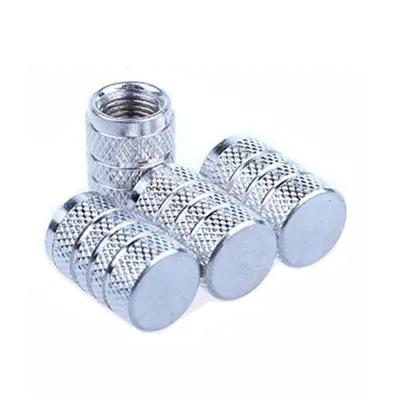
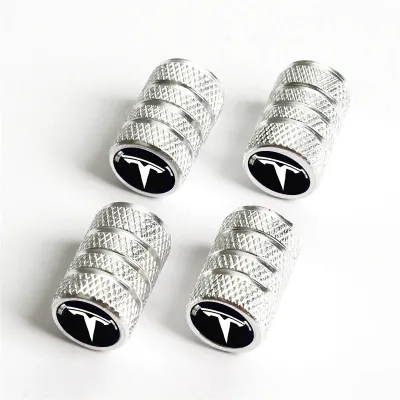
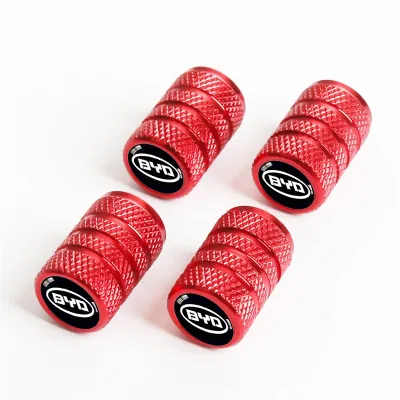
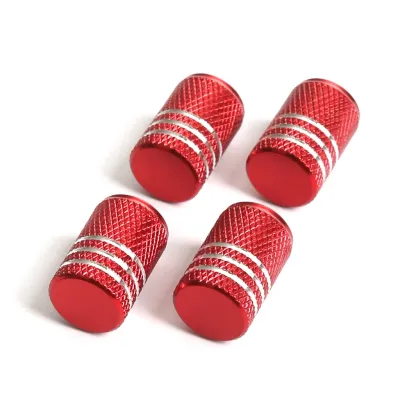
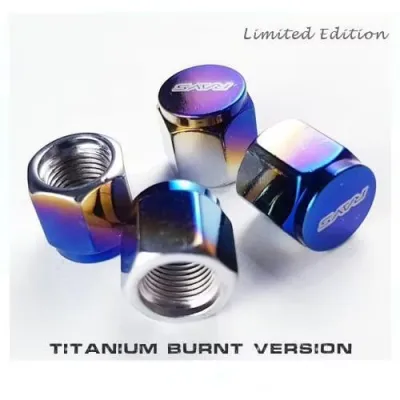
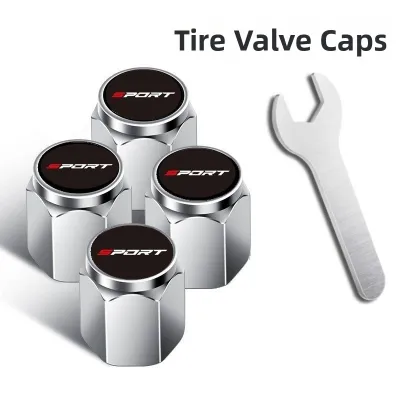
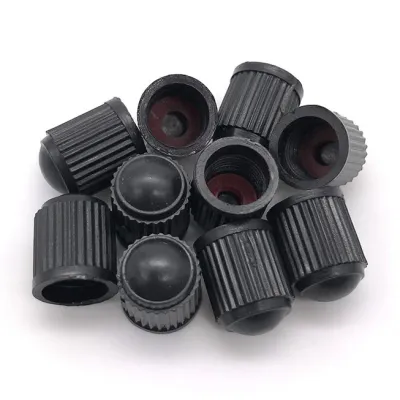
Prices are valid at publication and may change. Please refer to the product page for the latest price.
For modern vehicles equipped with a Tire Pressure Monitoring System (TPMS), the valve cap plays an even more vital role. TPMS sensors are highly sensitive electronic components integrated directly into the valve stem assembly. Exposing these stems to moisture and road grime can lead to premature sensor failure or physical degradation of the stem itself, turning a simple cap replacement into an expensive electronic repair.
Plastic vs. Metal vs. Sealed: Choosing the Right Material
When shopping for replacement caps, you will generally encounter three primary categories: plastic, metal, and sealed specialty designs. Each material has distinct characteristics, advantages, and limitations that dictate where and how they should be used.

Plastic caps are the industry standard for a reason. They are incredibly lightweight, completely immune to rust and galvanic corrosion, and highly affordable. Because they do not react chemically with metal valve stems, they are the safest default choice for almost any vehicle. However, plastic is susceptible to UV degradation, extreme heat, and physical cracking over time, meaning they require regular inspection and periodic replacement to remain effective.
Metal caps, typically made from aluminum, brass, or stainless steel, are popular for their durability and premium appearance. They resist physical impacts much better than plastic and will not crack under intense sunlight. Despite these benefits, metal caps introduce a significant risk of chemical bonding with the valve stem if the metals are mismatched. Drivers must verify the thread compatibility and stem material before installing any aftermarket metal cap.
Sealed or specialty caps feature an integrated rubber O-ring nestled inside the tip of the cap. These can be made of either plastic or metal and are specifically engineered to provide an airtight seal. If you are troubleshooting a persistent, slow drop in tire pressure or frequently drive in dusty, wet, or coastal environments, an O-ring equipped cap offers a reliable barrier against both air loss and external contamination.
Critical TPMS Compatibility and Corrosion Risks
Before purchasing any aftermarket car valve cap, you must identify the type of valve stems installed on your vehicle. Always verify your vehicle’s specific model year, valve interface dimensions, and mounting positions in your vehicle documentation before purchasing aftermarket accessories. Modern cars typically use either rubber snap-in valves or metal clamp-in TPMS valves. If your vehicle has metal stems associated with an active TPMS, choosing the wrong cap material can result in galvanic corrosion, a chemical process where two dissimilar metals fuse together in the presence of moisture.
Galvanic corrosion is particularly problematic in humid tropical climates or areas with high coastal salt exposure. For example, installing an aluminum cap onto a brass valve stem can cause the threads to bind permanently over time. If a metal cap seizes onto a TPMS valve stem, attempting to force it off often breaks the delicate stem, requiring a complete and costly replacement of the entire TPMS sensor assembly.
To prevent this, always consult your vehicle’s owner manual or the sensor manufacturer’s specifications before installing heavy, decorative, or non-standard metal caps. If you prefer the look of metal, ensure the cap’s internal threads are lined with plastic or made of a compatible metal that matches your specific valve stem material.
During installation or routine pressure checks, pay close attention to how the cap threads onto the stem. If the threads feel cross-threaded, unusually tight, or require significant force to turn, stop immediately. Forcing a tight cap can strip the delicate threads of the valve core or damage the sensor housing; in such cases, seek professional advice from a qualified tire technician.
Inspection and Replacement Guidelines for Daily Driving
Maintaining your tire valve caps should be a seamless part of your routine vehicle maintenance. Whenever you check your tire pressures—ideally once a month—take a moment to perform a quick visual inspection of each cap. Look closely for signs of physical wear, such as hairline cracks in plastic caps, missing pieces, or a white, powdery residue on metal caps, which indicates active corrosion.
Proper installation technique is simple but crucial: always hand-tighten your valve caps. Never use pliers, wrenches, or other tools to tighten a cap, as over-tightening can easily strip the soft threads of the valve stem or crush the internal seal. A simple finger-tight turn until the cap meets firm resistance is all that is required to keep it secure.
There are several conditions that warrant immediate replacement of your valve caps. If a cap is lost, replace it promptly to prevent road grime from entering the valve core during your next drive. Cracked plastic caps should be discarded immediately, as they no longer provide an effective barrier against moisture. Because tire valves directly impact road safety and inflation stability, always refer to your original-vehicle instructions and consult a qualified tire professional if you suspect any damage to the valve assembly or if a metal cap has seized completely.
Frequently Asked Questions (FAQ)
Do metal valve caps ruin tire pressure sensors?
Metal valve caps do not inherently ruin tire pressure sensors, but they can cause severe damage if they are made of a metal that reacts chemically with the valve stem. When dissimilar metals like aluminum and brass come into contact in wet or humid conditions, they undergo galvanic corrosion, which can permanently fuse the cap to the stem. To protect your TPMS sensors, always match the cap material to the stem material, use plastic-lined metal caps, or stick with high-quality plastic caps as recommended by the manufacturer.
Can a missing valve cap cause a flat tire?
A missing valve cap will not immediately cause a flat tire because the primary seal is maintained by the spring-loaded valve core inside the stem. However, driving without a cap exposes the valve core to dirt, water, and road debris. Over time, these contaminants can build up inside the stem, preventing the valve core from closing completely or causing the internal seal to degrade, which eventually leads to a slow, persistent air leak and a flat tire.
Community discussion
Share your experience or ask a question. Comments are reviewed before publication.