
Choosing between metal and plastic car tyre valve caps, and deciding whether to opt for a sealed version, depends on your driving environment, maintenance habits, and vehicle setup. While plastic caps are the cost-effective, corrosion-free standard for daily commuting, metal caps offer enhanced durability and aesthetic appeal. However, the real performance differentiator is the internal seal. A sealed cap featuring a rubber O-ring provides a critical secondary barrier against slow pressure leaks, making it a highly recommended upgrade for drivers seeking maximum tyre reliability.
The Core Function of Car Tyre Valve Caps
The tiny valve cap is often overlooked, yet it plays a vital role in maintaining tyre pressure and safety. Its primary job is not actually to hold the air inside the tyre—that is the job of the spring-loaded valve core (Schrader valve) nestled inside the stem. Instead, the cap acts as a protective shield. Without it, road grit, water, salt, and brake dust can easily enter the valve stem, clogging the delicate mechanism or causing slow, microscopic leaks.
Furthermore, moisture trapped inside an uncapped valve stem can accelerate internal corrosion in humid tropical environments like Singapore. When dirt accumulates in the valve, checking your tyre pressure can force debris directly into the seal, preventing the valve core from closing fully. A secure cap also shields the rubber components of the valve assembly from UV degradation and physical impacts from road debris.
Products mentioned in this guide
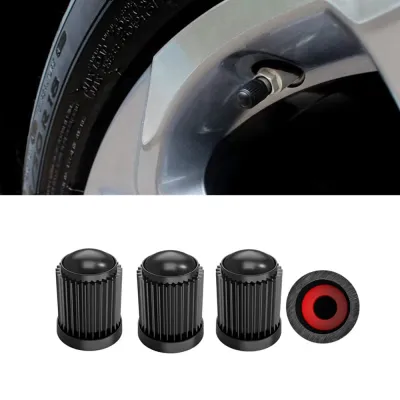
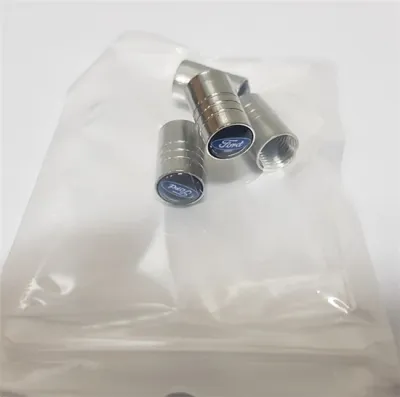
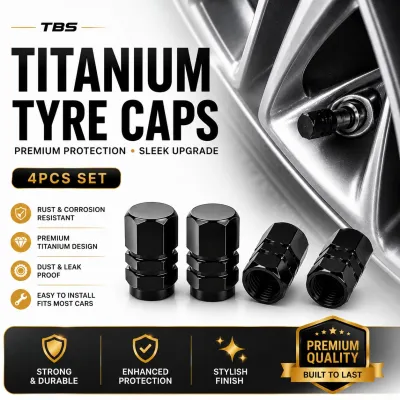
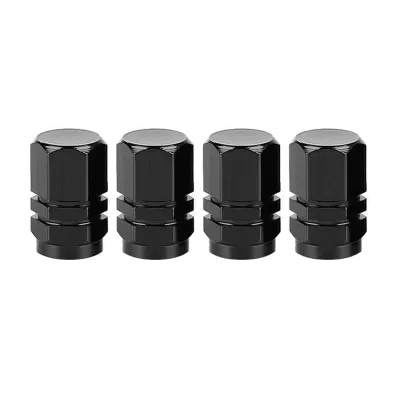
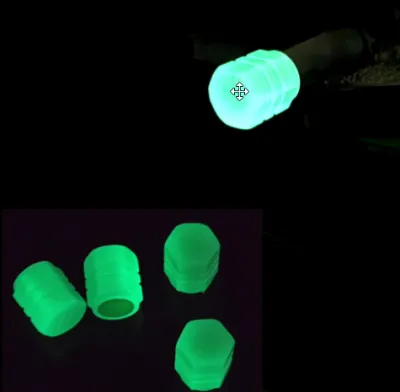
![[SG READY STOCK] Aluminium Schrader Air Valve Cap Caps Bicycle Car Road Bike PMD E-scooter e-bike ebike tyre](https://img.lazcdn.com/g/p/e5503ad6a9f6f22ba3c23df4fdcb6c50.jpg_400x400q80.jpg_.webp)
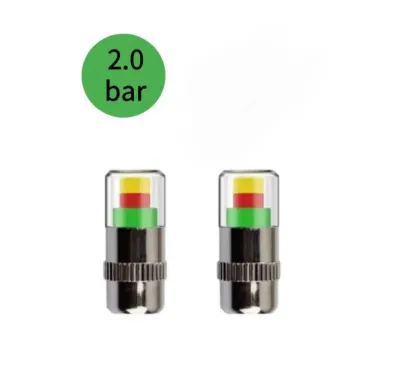
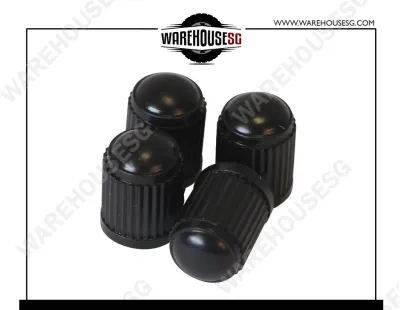
Prices are valid at publication and may change. Please refer to the product page for the latest price.
Material Showdown: Plastic vs Metal Valve Caps
Plastic caps are the industry standard for a reason. Typically made of durable polyethylene or ABS plastic, they are incredibly cost-effective, lightweight, and completely immune to corrosion. Because they cannot rust or chemically bond with the metal threads of the valve stem, they are virtually hassle-free. For the vast majority of daily commuters, standard plastic caps provide reliable, low-maintenance protection.

Metal valve caps, usually crafted from aluminium, brass, or stainless steel, are popular for their premium look and structural rigidity. They resist physical impacts better than plastic and do not degrade under intense sunlight. However, metal caps introduce a significant risk: galvanic corrosion. When two dissimilar metals—such as an aluminium cap and a brass valve stem—come into contact in the presence of moisture and road grime, a chemical reaction can occur.
Over time, this reaction can cause the cap to seize or “freeze” onto the stem. Removing a seized metal cap often requires specialized tools or, in worst-case scenarios, a complete replacement of the valve stem, which can be costly if your vehicle is equipped with active Tyre Pressure Monitoring System (TPMS) sensors.
Standard vs Sealed Caps: Does the O-Ring Matter?
The true functional upgrade in tyre valve caps lies not in the exterior material, but in what is inside. Standard caps are hollow shells designed primarily to keep dust out. Sealed caps, on the other hand, feature a small, integrated rubber or silicone O-ring (gasket) seated at the bottom of the internal threads.
This tiny rubber ring creates a genuine airtight seal when the cap is screwed down. If the primary valve core develops a micro-leak due to age, dirt, or wear, a sealed cap acts as a reliable secondary barrier, preventing air from escaping the tyre. This is particularly beneficial for vehicles with older valve stems, off-road vehicles exposed to fine sand, or high-performance cars subjected to extreme heat and centrifugal forces. For standard daily commuting on well-paved roads, a clean, intact standard cap is generally sufficient, but upgrading to a sealed cap offers inexpensive peace of mind against slow, hard-to-detect pressure drops.
Choosing the Right Valve Cap for Your Vehicle
Selecting the right cap requires matching your vehicle’s setup and driving conditions to the correct material and seal type. For daily commuters, fleet vehicles, and standard passenger cars, high-quality plastic caps (ideally with an internal rubber seal) are the most practical choice. They require zero maintenance, cost very little, and eliminate any risk of seizing.
If you prefer the look of metal caps or drive an off-road vehicle that demands rugged components, you must first inspect your valve stems. Standard rubber valve stems typically have brass threads, while metal valve stems (often integrated with TPMS sensors) may be made of aluminium. To prevent galvanic corrosion, always match the metal of your cap to the metal of your stem—use aluminium caps only on aluminium stems, and brass or plastic caps on brass-threaded stems. Additionally, ensure any aftermarket cap you purchase is designed for standard Schrader valves, which are the universal standard for passenger cars.
Installation, Maintenance, and Safety Checks
Proper installation is key to preventing damage to your valve stems. Always tighten valve caps by hand. Using pliers, wrenches, or other tools can easily crack plastic caps, strip the delicate threads of the valve stem, or damage sensitive TPMS sensors. A snug, hand-tight fit is all that is required to keep the cap secure and functional.
Before screwing on a new cap, take a moment to inspect the valve stem. Look for visible signs of cracking, dry rot, or weathering on rubber stems. Listen closely for any faint, persistent hissing sounds that indicate a leaking valve core. If you decide to use metal caps on metal stems, check the manufacturer’s guidelines to see if a tiny dab of approved, non-conductive anti-seize lubricant is recommended to prevent thread binding. If you encounter a cross-threaded cap, a severely corroded stem, or a persistent leak that does not stop when the valve core is depressed and released, stop immediately and consult a professional tyre shop to avoid sudden tyre deflation.
Frequently Asked Questions (FAQ)
Can I use metal valve caps on rubber valve stems?
Yes, you can use metal valve caps on rubber valve stems, as galvanic corrosion is not a concern when metal threads contact the rubber body of the stem. However, keep in mind that metal caps are slightly heavier than plastic ones. This minor increase in unsprung weight is generally harmless, but you must take care not to cross-thread or over-tighten the metal cap, which can easily strip or damage the softer rubber-coated threads of the stem.
Do tyre valve caps affect TPMS sensors?
Standard plastic and non-magnetic metal valve caps do not interfere with the radio frequency signals transmitted by Tyre Pressure Monitoring System (TPMS) sensors. However, you should avoid using excessively heavy, long, or highly decorative custom caps. At high highway speeds, the centrifugal force acting on an overly heavy cap can put physical stress on the TPMS valve stem, potentially causing it to bend, crack, or leak over time.
How often should I replace my tyre valve caps?
Tyre valve caps should be replaced whenever you notice visible signs of wear, such as severe cracking, UV fading, stripped internal threads, or a missing internal rubber O-ring. It is highly recommended to replace your valve caps whenever you install new tyres or have your tyres rotated and balanced. Because caps are inexpensive—often costing just a few dollars (S$) for a complete set—replacing them proactively ensures your valve cores remain fully protected.
Community discussion
Share your experience or ask a question. Comments are reviewed before publication.