
Selecting the right car tyre pressure sensor requires evaluating several critical technical specifications, including the sensor type (direct versus indirect), operating radio frequency, measurement accuracy, battery lifespan, and mounting style. In Singapore’s tropical climate, where high ambient temperatures and rapid weather changes directly affect tyre expansion and pressure, having a reliable monitoring system is essential for maintaining vehicle safety, optimizing fuel efficiency, and preventing premature tyre wear. By understanding these key parameters, you can select a system that integrates seamlessly with your vehicle and provides accurate, real-time safety alerts.
Understanding Sensor Types and Compatibility
Before purchasing any monitoring equipment, you must determine whether your vehicle uses a Direct or Indirect Tyre Pressure Monitoring System (TPMS). Direct TPMS relies on physical sensors mounted inside or on each wheel to measure actual air pressure and temperature. Indirect TPMS is a software-based system that uses the vehicle’s anti-lock braking system (ABS) wheel speed sensors to calculate pressure changes based on the rotational speed of the tyres. If your car uses an indirect system, you do not need to purchase individual wheel sensors unless you are upgrading to an independent aftermarket direct system.
If your vehicle came with a factory-fitted direct TPMS, any replacement sensor must match the original equipment manufacturer (OEM) specifications exactly. You cannot simply purchase any generic sensor, as compatibility depends heavily on the vehicle’s make, model, and production year. Always verify these details in your vehicle’s official documentation or consult a qualified tyre specialist before buying.
Products mentioned in this guide
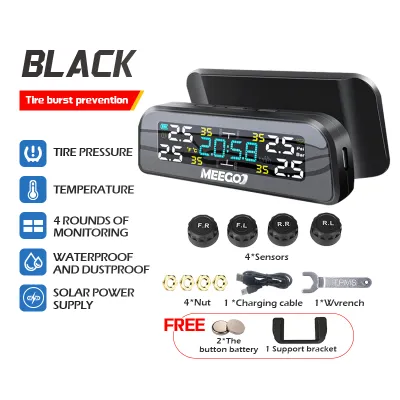
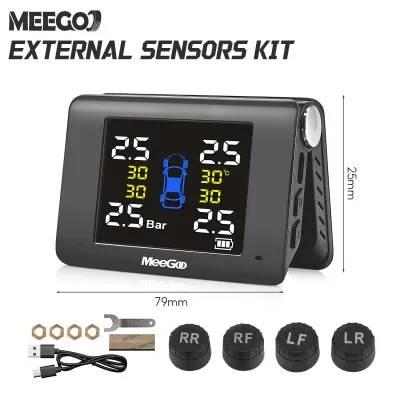
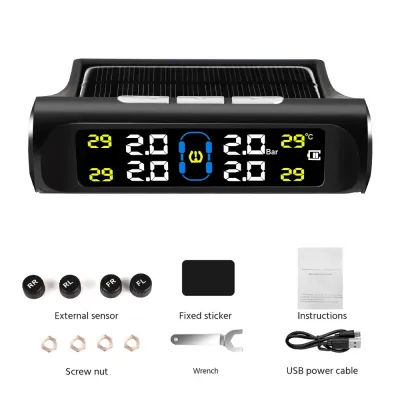
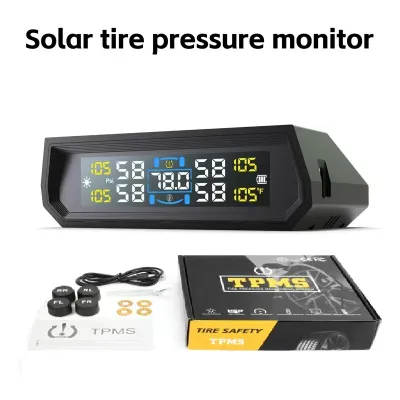
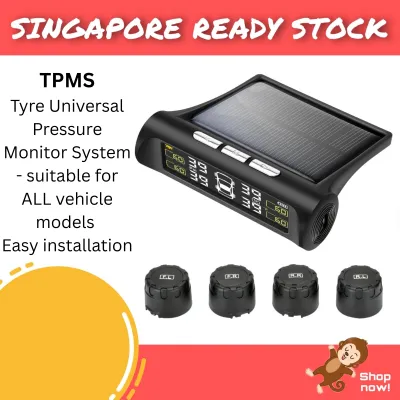

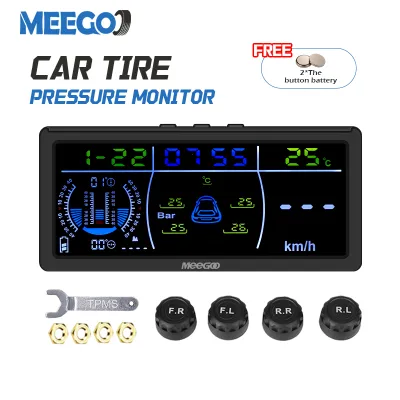
Prices are valid at publication and may change. Please refer to the product page for the latest price.
A critical compatibility factor is the operating radio frequency of the sensor. Most factory-installed receivers communicate on specific frequencies, typically 315 MHz or 433 MHz. If the replacement sensor operates on a different frequency than your vehicle’s onboard receiver, they will not be able to communicate, rendering the sensor useless. For aftermarket kits that include both sensors and a dedicated display, ensure the sensors and the receiver display in the kit are pre-paired and designed to operate on the same frequency.
Key Technical Specifications to Compare
When comparing different car tyre pressure sensor options, the accuracy range is one of the most vital specifications to check. Look for the manufacturer’s stated measurement tolerance, which is typically expressed in pounds per square inch (PSI) or Bar. A high-quality sensor should offer an accuracy tolerance of within +/- 1 PSI. This precision ensures that the system can detect minor pressure drops early, allowing you to address slow leaks before they compromise your handling or fuel economy.

Battery life is another major consideration that affects the long-term maintenance costs of your system. Internal sensors feature built-in, sealed batteries that typically last between five and ten years, depending on driving frequency and climate conditions. Because these batteries are sealed to protect the electronics from moisture and dirt, the entire sensor must be replaced once the battery dies. External sensors, which screw onto the valve stem, use small, user-replaceable coin-cell batteries that generally last one to two years. While external sensors require more frequent battery changes, they offer lower long-term replacement costs.
You must also confirm the sensor count included in the package to match your specific vehicle configuration. Standard passenger cars require a four-sensor kit. However, if your vehicle carries a full-size spare tyre that you wish to monitor, or if you operate a commercial vehicle with dual rear wheels, you will need a system that supports five or more sensors. Verify that the receiver display can pair with and display data for the exact number of sensors you plan to install.
Finally, check the operating limits of the sensors, specifically the maximum pressure and temperature ratings. The sensors must be rated to handle the maximum inflation pressure recommended for your vehicle under full load conditions. Additionally, because road surface temperatures in tropical regions can become extremely high, ensure the sensors have a robust operating temperature range to prevent component failure during long drives.
Display and Alert Features
The way you receive tyre data significantly impacts your daily driving experience. Standalone dashboard displays are popular for aftermarket kits; these are often solar-powered or plug directly into the vehicle’s cigarette lighter socket. Alternatively, some modern systems offer Bluetooth connectivity, sending real-time data directly to a smartphone application. While smartphone integration keeps your dashboard clutter-free, standalone displays offer the advantage of being permanently visible without requiring you to launch an app before every journey.
Look for systems that allow you to customise the high and low-pressure alert thresholds. Because optimal tyre pressure varies depending on your vehicle’s specifications and load, a fixed alert threshold may trigger false alarms or fail to warn you in time. The system should also feature distinct, immediate alerts for rapid pressure loss (fast leaks) and high temperatures, which are critical indicators of an impending tyre blowout.
Update intervals dictate how often the sensor transmits data to the display. Continuous real-time updates provide the highest level of safety while driving but consume more battery power. Many sensors use motion-activated technology to balance safety and battery life, transmitting data frequently while the vehicle is in motion and entering a low-power sleep mode when the vehicle is parked.
Installation and Maintenance Considerations
Because tyre pressure sensors directly impact your vehicle’s safety, wheel balance, and road legality, any installation or maintenance work must be approached with care. For internal sensors, which require removing the tyre from the wheel rim, you must have the work performed by a qualified professional at a tyre workshop. Professional installation ensures that the sensor is mounted securely, the valve stem is sealed correctly, and the wheel is dynamically balanced to prevent steering vibrations. Always refer to your vehicle’s original manufacturer instructions before making any modifications to the wheels or braking systems.
The choice between internal and external sensors involves clear trade-offs. Internal sensors are highly secure and protected from road debris, but require professional installation. External sensors are easy to screw onto the valve stems yourself, but they are vulnerable to theft, physical damage, and environmental corrosion. Furthermore, external sensors must be removed every time you need to adjust your tyre pressure.
If you choose external sensors, pay close attention to your valve stem material. External sensors add weight to the end of the valve stem. Standard rubber valve stems can bend or flex under the intense centrifugal forces generated at high speeds, which can lead to rubber fatigue and sudden air leaks. It is highly recommended to install metal (aluminium or brass) valve stems if you plan to use external sensors, as they provide the structural rigidity needed to support the extra weight safely.
Lastly, keep in mind that replacing sensors or rotating your tyres usually requires a system relearn procedure. This process teaches the vehicle’s receiver which sensor is located at which wheel position. Some vehicles feature an automatic relearn system that updates after a short drive, while others require a manual sequence or a specialized OBD-II programming tool. Verify the required relearn procedure for your specific vehicle model to ensure your display always shows the correct tyre locations.
Frequently Asked Questions (FAQ)
Can I mix different brands of TPMS sensors on the same car?
It is highly recommended to use identical sensors of the same brand and model across all wheels. TPMS receivers rely on highly specific communication protocols, data formats, and radio frequencies to interpret sensor signals. Mixing different brands or models can result in signal dropouts, unrecognised wheels, or incorrect readings on your display, compromising the reliability of your safety alerts.
Do external tyre pressure sensors affect wheel balancing?
The added weight of a small external sensor is relatively minor, but it can still affect the dynamic balance of your wheels, especially on high-performance vehicles or during sustained high-speed driving. To prevent uneven tyre wear or steering wheel vibrations, it is best practice to have your wheels dynamically balanced by a professional after installing any external sensors.
Community discussion
Share your experience or ask a question. Comments are reviewed before publication.