
Restoring and maintaining the dark, rich appearance of your car’s exterior plastic trim depends entirely on the current condition of the material and how much time you want to spend on upkeep. If your trim is simply dirty or covered in old wax residue, a dedicated plastic cleaner is the essential first step to strip away contaminants. For trim that is already showing signs of mild fading or dullness, a trim polish or dressing offers an immediate cosmetic boost by filling in micro-scratches and restoring deep color. However, if you want to protect brand-new trim or lock in a freshly restored finish for the long haul, a ceramic coating provides a durable, hydrophobic barrier against harsh environmental elements.
Exterior plastic trim is highly susceptible to environmental degradation. In tropical climates with intense ultraviolet (UV) radiation, high humidity, and frequent heavy downpours, the breakdown of plastic polymers accelerates rapidly. This degradation leads to a chalky, faded, or grey appearance that detracts from the vehicle’s overall look. Understanding the distinct roles of plastic cleaners, polishes, and ceramic coatings is key to choosing the right approach for your vehicle’s specific needs.
Understanding Product Roles and Trim Conditions
To achieve the best results, it is important to recognize that these three product categories serve entirely different purposes in the car care process. They are designed to address different stages of plastic degradation, and using them in the wrong order or on the wrong surface condition can lead to poor adhesion, smearing, or short-lived results.
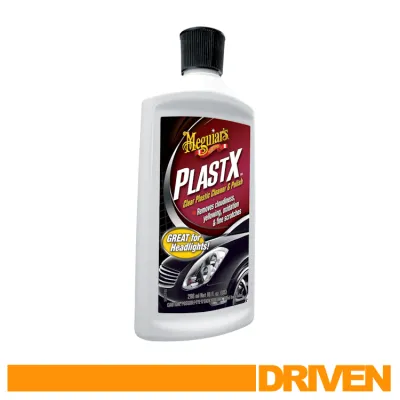
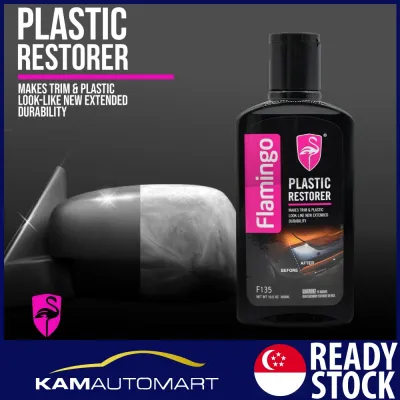
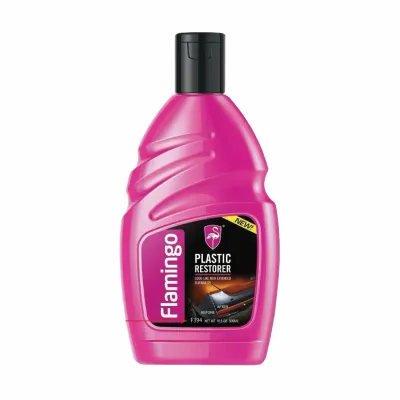
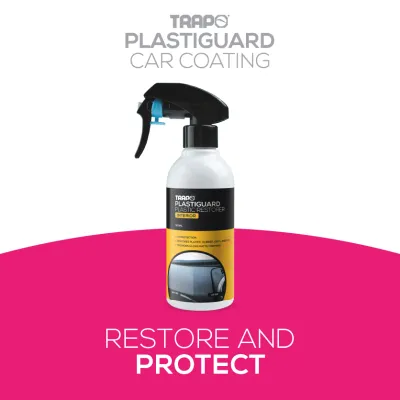
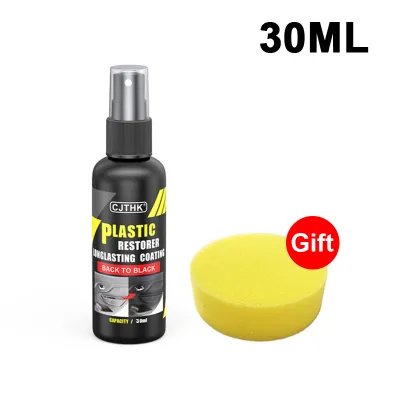
Products mentioned in this guide
![[SG SELLER]Rayhong Plastic Renovator For Car Retreading Agent Wax Car Restorer Cream Car Maintenance Care For Car Cleaning Product Coated Plastic Instrument Panel Wax Dustproof Glossy Leather Maintenance](https://img.lazcdn.com/g/p/4254da500e31b2d91dbbecee504691cf.jpg_400x400q80.jpg_.webp)
Prices are valid at publication and may change. Please refer to the product page for the latest price.
The primary role of a plastic cleaner is deep decontamination. Over time, road grime, exhaust soot, and leftover wax from polishing adjacent paint panels become embedded in the porous surface of unpainted plastic trim. Standard car wash shampoos often fail to lift these deeply embedded contaminants. A dedicated plastic cleaner uses specialized surfactants to penetrate the pores, break down stubborn oils, and strip away old dressings, leaving a completely bare, chemically clean surface.
Trim polishes and dressings, on the other hand, focus on visual enhancement and short-term conditioning. These products typically contain oils, silicones, or polymers that penetrate the upper layers of the plastic to restore its natural moisture and darken its appearance. By filling in microscopic imperfections on the surface, they reduce the scattering of light, which makes the faded grey plastic look deep black again. Many of these formulations also include temporary UV absorbers to slow down future fading.
Ceramic coatings represent a highly durable level of protection available for automotive trim. Formulated with silicon dioxide (SiO2) or other advanced nanotechnologies, these coatings do not merely sit on top of the plastic; they cure and form a semi-permanent chemical bond with the surface. This creates a hard, hydrophobic barrier that repels water, dirt, and environmental pollutants while providing robust UV resistance. Because they require a pristine surface to bond correctly, flawless preparation is mandatory before application.
Product Breakdown: Cleaners, Polishes, and Coatings
Choosing the right product requires a closer look at how each type performs, its ideal use cases, and its inherent limitations.

Plastic Cleaners
Plastic cleaners are formulated strictly for cleaning and surface preparation. They excel at removing oxidation, dirt, and chemical residues that accumulate on exterior trim. However, it is important to note that a plastic cleaner does not provide any lasting protection or deep color restoration on its own. Once the cleaner is wiped away, the plastic is left completely bare and exposed to the elements. If you stop at this step, the trim will quickly dry out and fade again under the sun. Therefore, plastic cleaners should always be viewed as a preparatory step rather than a standalone solution for faded trim.
Trim Polishes
Trim polishes and dressings are designed for immediate cosmetic improvement. They are highly effective at hiding minor fading and restoring a rich, dark luster to weathered plastic. Many modern trim polishes also offer light UV protection to help preserve the restored look. The main limitation of these products is their durability. Because they do not form a permanent bond with the plastic, they are gradually washed away by rain, car washes, and environmental exposure. Over-application can also lead to “sling”—where excess product flies off the trim onto the surrounding paintwork while driving—or unsightly smearing during heavy downpours. Consequently, they require regular reapplication to maintain their appearance.
Ceramic Coatings for Trim
Ceramic coatings offer excellent durability and ease of future maintenance. Once cured, a high-quality trim coating makes the surface highly hydrophobic, meaning water beads up and rolls off, taking dirt and grime with it. This makes future washing significantly easier. However, the application process is highly demanding. The plastic must be completely decontaminated, oil-free, and dry. Any leftover dirt or polish residue will prevent the coating from bonding, leading to premature failure. Furthermore, if a ceramic coating is applied unevenly or allowed to cure with high spots, removing it is incredibly difficult and typically requires mechanical abrasion or specialized chemical strippers.
A Complementary Restoration Process
Rather than viewing these products as mutually exclusive alternatives, it is often more effective to see them as complementary steps in a complete restoration workflow. For severely weathered trim, the ideal process involves using a plastic cleaner to strip away years of built-up grime and oxidation, followed by a specialized trim restorer or polish to bring back the deep color, and finally sealing that restored finish with a ceramic coating to lock in the results for the long term.
Evaluating Durability, Effort, and Cost Trade-offs
When deciding which path to take, you must weigh the long-term durability of each product against the effort required for application and the upfront cost.
The reapplication frequency varies significantly across these categories. Standard trim dressings and polishes typically require reapplication every few weeks to a couple of months, depending on weather exposure and how often the vehicle is washed. In contrast, ceramic coatings are designed to last for many months or even years, as specified by the manufacturer’s product guidelines. This makes coatings a highly attractive option for car owners who prefer a low-maintenance routine.
However, the effort and skill level required for application must not be overlooked. Applying a plastic cleaner or a trim polish is a straightforward DIY task that can be done in almost any environment. Ceramic coatings, however, demand a controlled application environment. They should ideally be applied indoors or in a shaded, dust-free area, away from direct sunlight and moisture, to allow the coating to cure properly without interference.
From a financial perspective, upfront costs and long-term value differ. A bottle of quality plastic cleaner or trim polish is relatively inexpensive, often costing between S$15 and S$35. A dedicated ceramic coating kit for trim is a more significant upfront investment, typically ranging from S$45 to over S$90 for a small bottle. While the initial cost of a ceramic coating is higher, its long-term value is often excellent because you use far less product over time and spend significantly less time performing repetitive maintenance.
Step-by-Step Selection Framework
To help you decide which product or combination of products is right for your vehicle, use the following decision framework based on the current state of your car’s trim.
Choose a Plastic Cleaner if:
- Your trim is covered in white wax residue from a recent paint polishing session.
- The plastic is dirty and grimy but still retains its original dark color underneath.
- You are preparing the surface for the application of a protective polish, dressing, or ceramic coating.
Choose a Trim Polish or Dressing if:
- Your trim is showing mild to moderate fading, dullness, or light oxidation.
- You want an immediate, dramatic cosmetic improvement with minimal effort and cost.
- You do not mind reapplying the product every few weeks as part of your regular car washing routine.
Choose a Ceramic Coating if:
- Your vehicle's trim is brand new and you want to preserve its pristine condition from day one.
- You have just thoroughly cleaned and restored faded trim and want to lock in that look.
- You want long-term protection against UV rays and water spots with minimal ongoing maintenance.
Verify First
Before purchasing or applying any product, verify the specific type of plastic trim on your vehicle. Unpainted, textured plastic trim (commonly found on SUV wheel arches and lower bumpers) is highly porous and compatible with most cleaners, polishes, and coatings. However, smooth, painted, or gloss-black trim (often found on door pillars) behaves more like paintwork and can be easily scratched by aggressive cleaners or abrasive polishes. Always check your vehicle’s manual or consult the product manufacturer’s guidelines to ensure chemical compatibility.
When to Consult a Professional
While most trim restoration can be handled at home, there are times when DIY efforts should stop. If your plastic trim is physically cracking, crumbling, or showing deep structural damage, chemical products cannot restore its integrity. Similarly, if the clear coat on painted trim is peeling or flaking, applying a cleaner or coating will not fix the underlying issue. In these cases, the trim must be professionally refinished or replaced entirely.
Safe Application and Manufacturer Guidelines
Working with automotive chemicals requires careful attention to safety and proper application techniques to avoid damaging your vehicle’s exterior surfaces.
Always read the product labels carefully to verify compatibility with your specific trim material. Never assume a product is safe for all plastics simply because of its category name. Before applying any polish or ceramic coating, performing thorough surface preparation is mandatory. This includes washing the trim with a wax-free car shampoo, drying it completely, and using a dedicated panel prep spray or isopropyl alcohol wipe to remove any remaining oils or residues. Skipping these steps will trap contaminants beneath the protective layer, leading to a cloudy finish or premature product failure.
Additionally, take care to protect adjacent surfaces. Avoid using aggressive, high-pH plastic cleaners on soft-touch interior plastics or sensitive rubber weatherstripping, as these chemicals can cause discoloration or dry out the rubber. When applying ceramic coatings, use automotive masking tape to cover adjacent painted panels and glass to prevent accidental high spots or chemical etching on surfaces where the coating is not intended to cure.
Frequently Asked Questions (FAQ)
Can I Apply a Ceramic Coating Over a Trim Polish?
No, you should not apply a ceramic coating directly over a trim polish or dressing. Polishes and dressings contain oils, silicones, and fillers designed to enhance gloss, which fill the pores of the plastic and create a barrier. This barrier prevents the ceramic coating from chemically bonding with the plastic surface, leading to immediate failure and uneven curing. If a polish or dressing has been previously applied, you must thoroughly strip it away using a dedicated wax remover or multiple wipes of an isopropyl alcohol prep spray before applying a ceramic coating.
Is Plastic Cleaner Safe for Painted Surfaces and Rubber Seals?
Not all plastic cleaners are safe for adjacent painted surfaces or rubber seals. Some heavy-duty cleaners contain strong solvents or high-pH alkaline agents that can dull clear coats, stain sensitive rubber weatherstripping, or cause chemical etching. Always check the product label for paint-safe and rubber-safe formulations. To prevent accidental damage, it is highly recommended to tape off adjacent painted panels and rubber seals with automotive masking tape, or to apply the cleaner directly to a microfiber towel rather than spraying it directly onto the vehicle.

Community discussion
Share your experience or ask a question. Comments are reviewed before publication.