
Choosing the right speaker box is just as critical as selecting the subwoofer itself. The enclosure dictates how the speaker interacts with the air inside your vehicle, directly shaping the bass response, efficiency, and overall sound quality. By understanding the acoustic differences between sealed, ported, and bandpass enclosures, you can match the design to your listening preferences and vehicle space.
Why Your Subwoofer Needs an Enclosure
A subwoofer cannot produce proper bass without a dedicated box because of a phenomenon known as acoustic cancellation. When a speaker cone moves, it generates sound waves from both the front and the back. Without a physical barrier, these opposing waves meet and cancel each other out, resulting in extremely weak low-frequency output.
The primary function of the enclosure is to isolate these front and rear sound waves, allowing low frequencies to develop fully. Additionally, the trapped air inside a sealed box or the controlled air movement in a vented design acts as a mechanical spring. This air pressure helps control the movement of the speaker cone, preventing damage from over-excursion.
Products mentioned in this guide
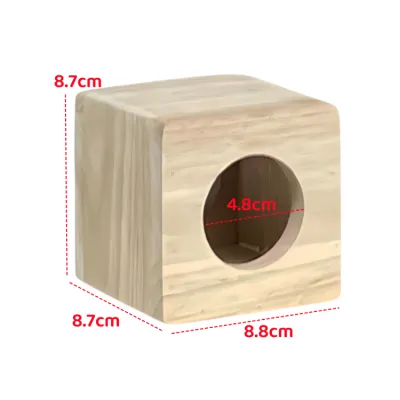
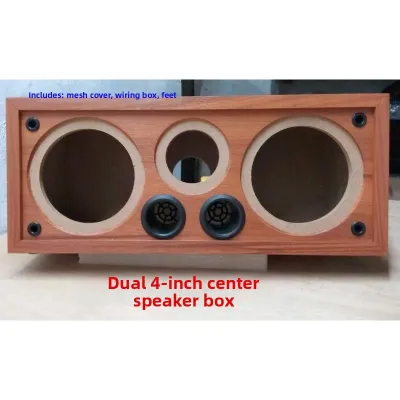
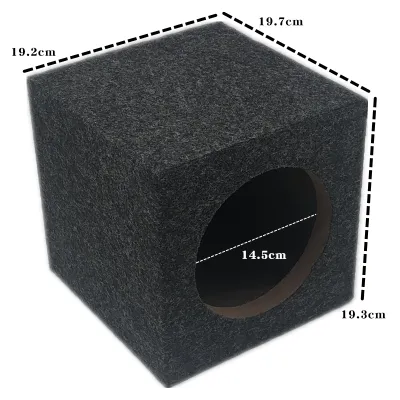
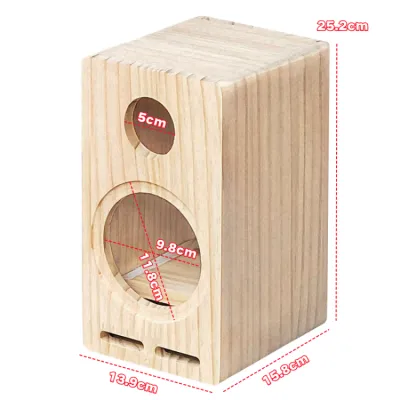
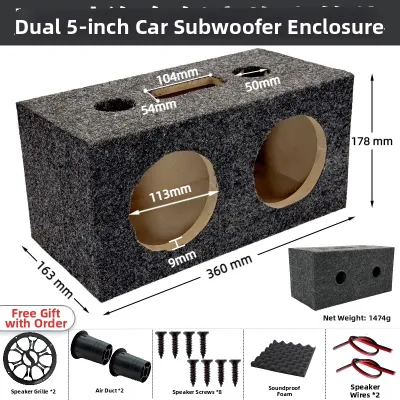
Prices are valid at publication and may change. Please refer to the product page for the latest price.
Because car audio systems involve electrical modifications and physical integration into your vehicle’s cabin or trunk, always consult your vehicle’s manual and the subwoofer’s documentation before installation. For complex wiring or custom mounting, seeking qualified professional installation ensures your vehicle’s electrical system and safety restraints remain unaffected.
Sealed Enclosures: Tight, Accurate Bass for Audiophiles
A sealed enclosure is an airtight box designed to completely isolate the rear wave of the subwoofer. Because no air can escape, the internal air pressure acts as a consistent shock absorber for the speaker cone. This constant resistance provides strict control over the subwoofer’s movement, allowing it to start and stop instantly.

This design delivers a tight, highly accurate, and transient-friendly bass response. It is the preferred choice for music genres that rely on rapid, rhythmic precision, such as jazz, classical, or rock. The bass notes sound natural, clean, and well-defined without any lingering resonance.
However, driving a speaker against this internal air pressure requires more amplifier power. You will typically need a more powerful amplifier to achieve the same volume level as other enclosure designs. On the positive side, sealed boxes generally have a smaller physical footprint, making them excellent for preserving cargo space in compact vehicle trunks.
Ported Enclosures: Loud, Deep Bass for Maximum Impact
Ported enclosures, also known as vented boxes, feature a built-in port or tube that allows air to flow in and out of the chamber. This port is carefully designed to redirect the rear sound waves so that they exit the box in phase with the front waves. This acoustic reinforcement significantly boosts the output at specific low frequencies.
The primary benefit of a ported design is increased efficiency. It allows the subwoofer to produce deeper bass extension and higher overall volume while using less amplifier power. This makes it highly popular for listeners who enjoy heavy bass in genres like hip-hop, electronic dance music, or reggae.
The trade-off for this extra volume is a larger physical size, as the box must accommodate both the port and the required internal air volume. Additionally, ported enclosures can have a less precise transient response. The bass may sound slightly “boomier” or less controlled compared to the tight, immediate response of a sealed design.
Bandpass Enclosures: High Output in a Narrow Frequency Range
A bandpass enclosure is a specialized dual-chamber design that combines elements of both sealed and ported boxes. The subwoofer is mounted inside the enclosure between a sealed rear chamber and a ported front chamber. The ported chamber acts as an acoustic filter, only allowing a specific band of frequencies to escape.
This design is capable of producing exceptionally high output and deep bass within its tuned frequency range. Because the sound only exits through the port, the system is highly efficient within that specific band, delivering maximum physical impact.
However, bandpass enclosures require complex tuning and have a very large, bulky physical footprint. Sound quality and volume drop off sharply outside the tuned frequency band, making them less versatile for varied music genres. They are typically chosen by car audio enthusiasts looking for extreme volume in specific frequency ranges rather than balanced, everyday listening.
How to Choose the Right Speaker Box for Your Car
Selecting the right speaker box requires balancing your musical preferences, available space, and system power. If you prioritize sound accuracy and listen to acoustic or rock music, a sealed enclosure is generally the best fit. If you prefer deep, booming bass for electronic music or hip-hop, a ported box will deliver the impact you want.
Next, measure your vehicle’s cargo space and compare it against the physical dimensions of each enclosure type. A compact hatchback or sedan trunk may only have room for a small sealed box, whereas a larger SUV can easily accommodate a bulky ported or bandpass system. Always ensure the enclosure is securely mounted so it does not become a hazard during sudden stops.
You must also match your amplifier’s power output to the efficiency of the design. A sealed box may require a more robust amplifier to reach satisfying volumes, while a ported box can make the most of a lower-powered amplifier.
Finally, always verify the subwoofer manufacturer’s recommended enclosure specifications before building or purchasing a box. Subwoofers are engineered to perform within specific internal volume ranges, and ignoring these specifications can lead to poor sound quality or permanent damage to your speaker.
Frequently Asked Questions (FAQ)
Can I use the same subwoofer in both sealed and ported enclosures?
While it is physically possible to mount a subwoofer in either type of box, optimal performance depends on the driver’s specific design parameters. Some subwoofers are engineered specifically for the tight air suspension of a sealed box, while others require the open airflow of a ported design. Always check the manufacturer’s documentation for the recommended volume and tuning specifications to ensure compatibility.
Does the material of the speaker box affect sound quality?
Yes, the material of the enclosure has a direct impact on sound quality. A high-quality speaker box must be constructed from dense, rigid materials like Medium-Density Fiberboard (MDF) to prevent the panels from flexing or vibrating. If the box walls are too thin or lack proper internal bracing, they will resonate, absorbing energy from the bass and introducing unwanted distortion that colors the sound.
Community discussion
Share your experience or ask a question. Comments are reviewed before publication.