
Quick Answer: Which Car Side Window Sunshade is Best?
Selecting the ideal car side window sunshade depends entirely on how you prioritize window usability, cabin aesthetics, and heat defense. There is no single shade that excels in every scenario, as the design that offers the most robust UV block may completely prevent you from rolling down your window.
For drivers seeking maximum ventilation and a budget-friendly setup, a stretchable mesh sleeve is the most practical choice. If you prefer a clean, integrated appearance that mimics factory-installed luxury features and deploys in seconds, a retractable roller shade is highly effective. For those who want maximum glass coverage, high heat rejection, and a sleek look without altering the interior door panels, a static cling shade is the superior option.
By evaluating how you use your vehicle daily—whether you frequently carry rear passengers, park under the intense tropical sun, or need to lower your windows at access gates—you can easily identify which style aligns with your habits. The following sections break down the mechanics, performance, and safety considerations of each type to help you make an informed decision.
Products mentioned in this guide
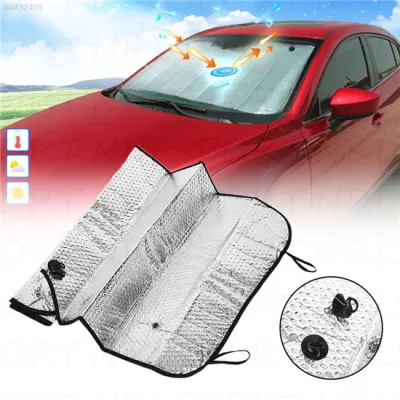
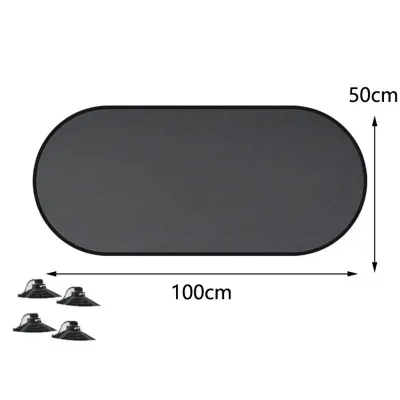
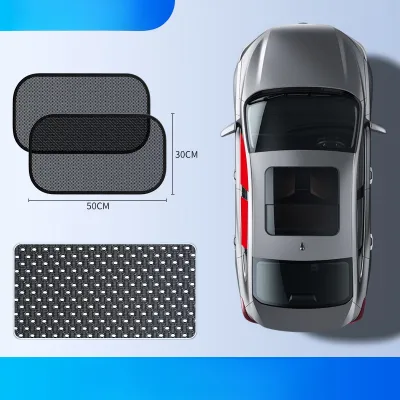
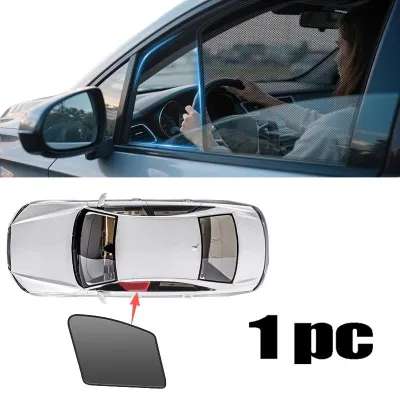
Prices are valid at publication and may change. Please refer to the product page for the latest price.
Understanding the Three Main Sunshade Types
To choose the right accessory for your vehicle, it is essential to understand how these three common sunshade categories operate, adhere to your car, and interact with the window glass. Each employs a distinct mounting mechanism that directly impacts daily usability.

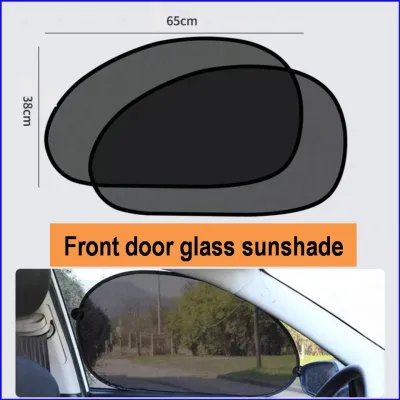
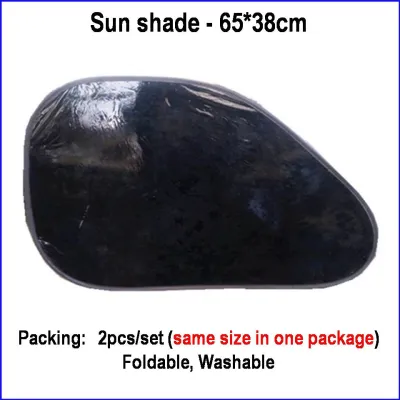
Mesh sunshades, often referred to as sleeve or sock-style shades, are constructed from highly elastic synthetic mesh fabric. Instead of attaching directly to the glass, these shades slip over the entire upper frame of the car door like a fitted sheet. This dual-layer design covers both the interior and exterior sides of the window pane, creating a flexible barrier that remains in place even when the glass is fully lowered.
Retractable sunshades, also known as roller blinds, consist of a spring-loaded housing unit containing a rolled-up shade made of perforated fabric or vinyl. This housing is mounted semi-permanently to either the upper edge of the door panel or the window frame using adhesive strips, clips, or small screws. To use the shade, you pull the fabric upward or downward and hook it onto the opposite side of the window frame, allowing for rapid deployment and retraction.
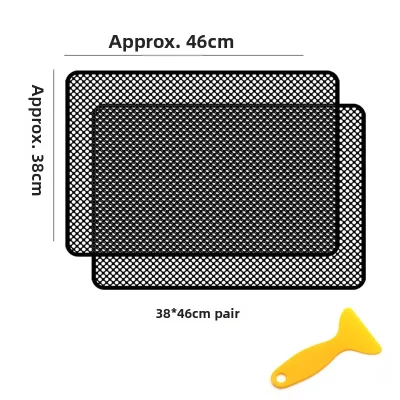
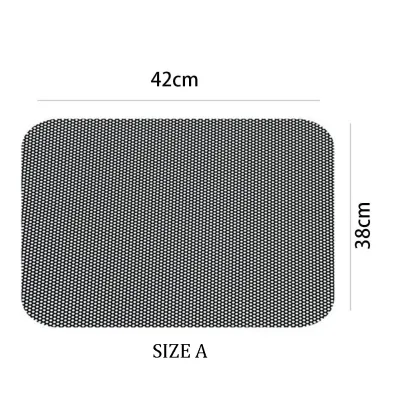
Static cling shades are made of thin, flexible polyvinyl chloride (PVC) or vinyl sheets that adhere directly to the interior surface of the window glass. They rely on electrostatic charge rather than adhesives or mechanical fasteners to stay in place. Some hybrid variations of this design incorporate small suction cups around the perimeter to provide additional holding power, but both styles require the shade to be sized precisely to the dimensions of the glass pane.
Key Comparison Dimensions
Comparing the performance of these options across several real-world dimensions will help you determine which type fits your driving routine and local climate conditions.
Sunlight and UV Blocking
The primary job of any sunshade is to mitigate glare and reject solar heat. Static cling shades generally offer the most consistent heat rejection because they sit flush against the glass, leaving virtually no gaps for sunlight to seep through. High-quality static cling materials often feature specialized UV-reflective coatings that significantly lower cabin temperatures when parked in open areas. Mesh shades provide decent glare reduction and basic UV protection, but their porous, woven structure allows some ambient heat and light to pass through. Retractable shades block direct glare effectively, but because they are flat and rectangular, they often leave triangular gaps on curved modern car windows, allowing hot spots to form in the cabin.
Window Operability
The ability to roll your windows down while keeping the shade deployed is a major dividing line between these products. Mesh sleeve shades are the undisputed leaders in this category; because the sleeve wraps around the door frame rather than the glass, you can roll the window completely down to enjoy a breeze while maintaining full shade and insect protection. Retractable shades offer limited operability; if the shade is hooked directly to the glass, lowering the window will pull the shade down with it, but opening the window while driving can cause the fabric to flap violently in the wind. Static cling shades completely prevent window operation. If you attempt to roll down a window with a static cling shade attached, the film will peel off, bunch up, and potentially get dragged down into the door cavity, which can damage both the shade and the internal window regulator.
Installation and Storage
The effort required to install and store these shades varies widely. Mesh shades require zero tools and can be slipped on or off the door frame in under ten seconds, folding down into a tiny, lightweight pouch that fits easily into a glovebox or door pocket. Static cling shades require a bit more preparation, as the glass must be thoroughly cleaned and squeegeed during the initial application to prevent air bubbles, though they can be peeled off and stored flat when not needed. Retractable shades require the highest initial installation effort, involving careful alignment and semi-permanent mounting to the door trim. However, once installed, they offer the lowest daily effort, as they can be pulled up or let down in a single second without requiring any storage space in the cabin.
Aesthetics and Fit
How a sunshade looks from both the inside and outside of your vehicle affects its overall appeal. Retractable shades provide a highly integrated, professional appearance that closely resembles the factory-fitted shades found in premium luxury sedans. Static cling shades offer a very clean, uniform look that resembles a dark window tint, maintaining the clean lines of your car’s exterior. Mesh shades, on the other hand, are the least aesthetically pleasing option. Because they wrap over the outside of the door frame, they are highly visible from the exterior of the vehicle, giving the car a somewhat bulky, covered appearance that may not appeal to drivers who value a sleek vehicle silhouette.
| Sunshade Type | Window Operability | Installation Effort | Storage Footprint | Aesthetic Profile |
|---|---|---|---|---|
| Mesh (Sleeve/Sock) | Full operability | Very low (slips over door) | Minimal (folds into pouch) | Casual / External overlay |
| Retractable (Roller) | Restricted during use | Moderate (semi-permanent) | Medium (fixed housing) | Integrated / Factory look |
| Static Cling | No operability | Low to moderate (requires prep) | Small (flat sheets) | Clean / Tint-like appearance |
Detailed Breakdown: Pros, Cons, and Best Use Cases
To help you weigh the specific trade-offs of each design, let us examine the individual advantages, limitations, and ideal scenarios for each sunshade type.
Mesh Sunshades (Sleeve/Sock Style)
Mesh sleeve shades are highly valued for their sheer practicality and low cost. By enclosing the entire window frame, they create a double-layered barrier that filters out harsh sunlight while allowing fresh air to circulate freely through the cabin. This makes them an excellent tool for natural ventilation when parked or driving at low speeds.
However, this external placement introduces several practical drawbacks. At highway speeds, the fabric wrapping the outside of the door frame can flap against the car body, creating noticeable wind noise and potentially scuffing the exterior paint over time if dust gets trapped underneath. Additionally, because they are exposed to the elements, mesh shades can absorb rainwater, requiring you to remove and dry them to prevent mold and musty odors inside the cabin.
- Pros: Highly affordable; allows windows to be rolled down for ventilation; folds into a tiny pouch for easy glovebox storage.
- Cons: Can flap in the wind at high speeds; may not cover 100% of the glass on complex window shapes; looks less premium from the outside.
- Best For: Families needing rear-seat ventilation, rideshare drivers, and budget-conscious buyers who frequently move shades between vehicles.
Retractable Sunshades (Roller Blinds)
Retractable roller shades offer an elegant, mechanical solution for drivers who want sun protection on demand. The primary benefit of this style is its sheer convenience; when the sun goes down or you enter a shaded parking garage, you can simply unhook the shade and let it retract into its housing, instantly restoring full visibility.
The main disadvantage of retractable shades lies in their mounting requirements. High-quality roller shades must be secured firmly to the door panel using strong adhesives or mounting screws, which some vehicle owners are hesitant to use on premium leather or plastic trim. Furthermore, cheap retractable mechanisms can lose their spring tension over time, causing the shade to sag or fail to retract fully, and the housing unit itself remains a permanent fixture on your door panel.
- Pros: Sleek and integrated appearance; extremely fast to deploy and retract daily; stays securely in place without flapping.
- Cons: Requires semi-permanent installation (screws or heavy-duty adhesive) on the door panel; higher initial cost; housing unit takes up permanent space on the door.
- Best For: Daily commuters, luxury vehicle owners, and users who want a clean, factory-installed look and quick daily operation.
Static Cling and Suction Cup Sunshades
Static cling shades provide a seamless, minimalist approach to cabin shading. Because they bond directly to the glass surface, they eliminate the need for bulky exterior fabrics or permanent hardware mounts on your door panels. This direct contact ensures excellent heat rejection and a highly uniform appearance that blends in with your existing window glass.
The trade-off for this clean look is the complete loss of window functionality while the shade is in place. If you need to lower your window to pay a toll, access a parking card reader, or let in fresh air, you must physically peel the shade off and find a clean place to store it so it does not collect dust. Suction-cup variations of this design can also lose their grip and fall off when the glass becomes extremely hot under direct sunlight, requiring frequent reattachment.
- Pros: Excellent glass coverage when custom-cut; no adhesive residue left on the glass; allows for highly reflective or dark tint-like materials.
- Cons: Must be completely removed and stored to roll down the window; suction cup variants can detach in extreme cabin heat; requires precise sizing for each specific car model.
- Best For: Users prioritizing maximum heat rejection and UV blocking on the glass surface, and those who want a custom-fit look without altering door panels.
Decision Framework: How to Choose the Right Fit
To narrow down your choices and select the perfect side window sunshade, use this structured decision framework based on your vehicle’s design, passenger needs, and driving environment.
Choose Mesh if:
- You frequently roll down the rear windows to let in fresh air without letting in insects or direct sunlight.
- You want a highly affordable, non-permanent solution that can be installed or removed in seconds.
- You drive multiple vehicles, use car-sharing services, or want a shade that can easily be folded up and packed into a travel bag.
Choose Retractable if:
- You want an integrated, premium look that matches your car's interior styling and does not clutter the exterior of your vehicle.
- You value maximum daily convenience and want to deploy or stow the shades instantly without handling loose pieces of fabric or film.
- You do not mind applying high-bond adhesive tape or small mounting clips to your interior door panels.
Choose Static Cling if:
- You want the highest possible heat rejection and a clean, tint-like aesthetic that covers the entire glass surface.
- You rarely or never need to roll down the rear side windows while driving.
- Your vehicle features frameless side windows (such as those on many electric vehicles, coupes, and sports sedans) which make mesh sleeves completely unusable.
Verify First if:
- Frameless Windows: If your car doors do not have a metal frame surrounding the window glass when the door is open, mesh sleeve shades will not work, and retractable shades will be extremely difficult to mount. Static cling is the standard recommendation here.
- Sensitive Anti-Pinch Sensors: Modern vehicles often feature automatic anti-pinch window mechanisms. If you choose a thick mesh or a shade that clips over the top edge of the glass, test the window operation carefully to ensure the added thickness does not trigger the safety sensor, causing the window to reverse and roll back down automatically.
- Complex Window Geometry: Measure your rear side windows before purchasing. Standard rectangular retractable shades may leave large uncovered gaps on highly curved or triangular windows, whereas static cling sheets can often be trimmed with scissors to achieve a perfect custom fit.
Safety, Installation, and Maintenance Guidelines
Using car sunshades correctly is not just a matter of comfort; it also directly impacts road safety, vehicle maintenance, and compliance with local traffic regulations.
Driving Visibility and Legal Compliance
Before installing any sunshade, you must ensure it does not compromise your ability to drive safely. In Singapore, the Land Transport Authority (LTA) maintains strict regulations regarding window visibility. Front side windows must allow a high percentage of light transmission (at least 70% visible light transmittance) to ensure the driver has an unobstructed view of the side mirrors and surrounding traffic. Therefore, you should never place mesh, retractable, or dark static cling shades on the front side windows while the vehicle is in motion. Keep these shades restricted to the rear side windows, or use them on the front windows strictly when the vehicle is parked under the sun to keep the cabin cool.
Protecting Window Mechanisms
Improperly installed shades can put undue stress on your vehicle’s electrical systems. For static cling shades, ensure the film is cut slightly smaller than the visible glass area so that the edges do not catch on the rubber window seals when the glass moves. If a static cling shade begins to peel or bubble at the bottom, remove it immediately; allowing it to get dragged down into the door panel can jam the window glass, strain the window regulator motor, and lead to expensive repair bills. For retractable shades, verify that the mounting hooks do not obstruct the window track or prevent the glass from sealing completely when closed.
Installation Safety and Airbags
When installing retractable shades that require mounting brackets or screws, consult your vehicle’s owner manual to identify the location of side curtain airbags and internal door wiring. Never drill screws into a door panel or pillar without verifying what lies directly behind the plastic trim, as puncturing a wire harness or interfering with an airbag deployment zone poses severe safety risks. If you are using adhesive-mounted retractable shades, clean the mounting surface thoroughly with rubbing alcohol to remove all interior protectants and oils, ensuring a secure bond that will not fail when the cabin heats up.
Cleaning and Care
Proper maintenance will extend the lifespan of your sunshades and keep them performing effectively.
- Mesh Shades: Hand-wash them periodically in warm, soapy water to remove accumulated road dust, pollen, and salt residue. Allow them to air dry completely before reinstalling them to prevent mold growth.
- Retractable Shades: Wipe the fabric and housing down with a dry or slightly damp microfiber cloth to remove dust. Avoid using harsh chemical cleaners or solvents, which can degrade the UV-resistant coatings on the fabric and weaken the internal spring mechanism.
- Static Cling Shades: Clean the interior glass surface thoroughly with an alcohol-based glass cleaner before applying the shade to ensure maximum electrostatic adhesion. If the shade loses its cling over time, peel it off, rinse it under clean water to remove dust and lint, let it air dry, and reapply it to a clean window.
Frequently Asked Questions (FAQ)
Will a mesh sunshade damage my car's weather stripping?
When properly sized and installed, high-quality mesh sleeve shades will not cause damage to your vehicle’s rubber weather stripping. However, if the mesh is too tight or if you repeatedly roll the window up and down against a thick, poorly fitted sleeve, the friction can cause premature wear or displacement of the rubber seals. To prevent this, ensure you purchase a shade that matches your vehicle’s door dimensions, and inspect the rubber seals periodically for any signs of friction or pulling.
Do static cling sunshades leave residue on the window?
True static cling sunshades rely entirely on electrostatic attraction to bond with the glass, meaning they contain no adhesives and will leave absolutely zero sticky residue on your windows. This allows you to peel them off and reapply them as many times as needed. However, be cautious of low-quality imitation products that utilize weak glues or low-grade suction cups; these materials can degrade under extreme cabin heat, leaving behind stubborn adhesive marks or melted plastic rings that require specialized glass cleaners to remove.
Community discussion
Share your experience or ask a question. Comments are reviewed before publication.