
Selecting the right car side mirror configuration is essential for maintaining spatial awareness, ensuring road safety, and matching your vehicle’s existing electrical capabilities. The ideal choice depends heavily on your daily driving environment, local weather patterns, and the technical specifications of your car. For instance, drivers navigating humid tropical climates or tight urban parking spaces often find that heated glass and power-folding mechanisms transition from premium options to daily necessities.
While manual mirrors offer a cost-effective and mechanically reliable solution, electric and heated variants provide significant safety and convenience upgrades. However, these advanced features require compatible door wiring harnesses and sufficient electrical system capacity to function. Understanding the mechanical differences and compatibility requirements of each mirror type will help you make an informed decision before purchasing a replacement.
Manual vs. Electric vs. Heated: Core Car Side Mirror Mechanisms Compared
Evaluating the fundamental adjustment, convenience, and weather-resistance features of standard side mirrors reveals distinct differences in mechanical complexity and daily utility. Choosing among these types requires balancing installation complexity against your driving comfort.
Products mentioned in this guide

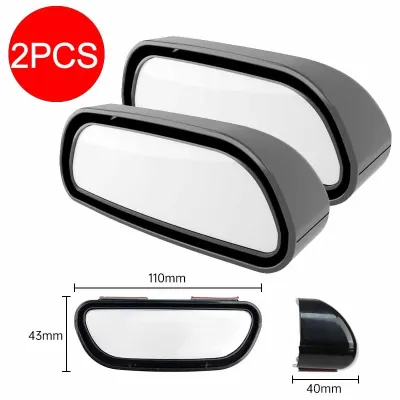
![[SG] [FREE SHIP] 2 Pcs in Box Car Blind Spot Mirror (Type A) Side View Mirror Wide Angle Drive Easy Small Round 360 View](https://img.lazcdn.com/g/p/5b915afb52d35ddb54b56834351d6a62.jpg_400x400q80.jpg_.webp)
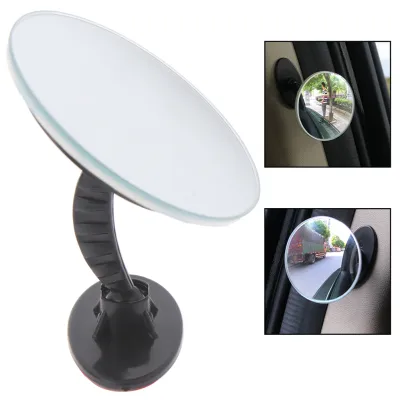


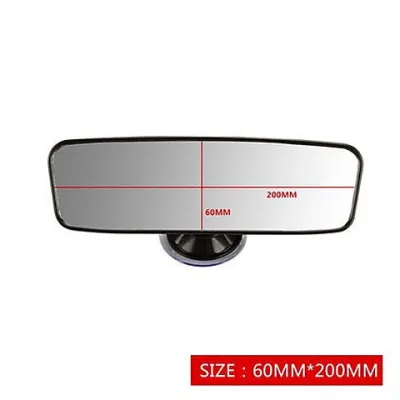
Prices are valid at publication and may change. Please refer to the product page for the latest price.
Manual Side Mirrors
Manual side mirrors rely entirely on mechanical adjustment, requiring you to physically position the mirror glass. This is done either by pressing directly on the glass itself or by manipulating a small mechanical joystick located inside the cabin on the door panel. Because they lack electrical components, manual mirrors are highly cost-effective, have virtually zero electrical failure rates, and are lighter than their motorized counterparts.
These mirrors are most commonly found on older vehicle models, budget-conscious passenger cars, or commercial fleet vehicles where electronic convenience is secondary to operational simplicity. Replacing a manual mirror is typically straightforward, as it does not involve routing wires or configuring electronic control switches. However, adjusting the passenger-side mirror manually from the driver’s seat can be difficult and often requires a second person to assist or multiple adjustments while parked.
Electric (Power) Side Mirrors
Electric or power side mirrors utilize small internal servo motors housed within the mirror assembly to adjust the angle of the glass. These motors are controlled via a switch cluster on the driver’s door panel or dashboard, allowing you to adjust both side mirrors easily from the driving position. This capability is particularly useful when multiple drivers share the same vehicle and require frequent adjustments to maintain a proper field of view.
Many modern electric mirrors also feature power-folding capabilities. This allows the mirror housing to fold inward automatically when the vehicle is locked or via a cabin button. Power-folding is highly beneficial when navigating tight parking spaces, such as narrow parallel parking spots along busy streets or when squeezing past concrete pillars in multi-storey car parks. To function correctly, electric mirrors depend on an intact door wiring harness, functioning switches, and compatibility with the vehicle’s central body control module.
Heated Side Mirrors
Heated side mirrors incorporate a resistive heating element grid directly behind the reflective glass surface. When activated—typically linked to the vehicle’s rear window defogger circuit—the heating elements warm the glass to clear condensation, frost, or rainwater droplets. This feature is highly relevant in tropical regions characterized by high humidity, morning dew, and sudden, heavy downpours.
During intense rainstorms, rolled-up windows prevent you from manually wiping your mirrors, making heated glass a critical safety feature that preserves rearward visibility. However, installing heated mirrors as an aftermarket upgrade introduces a higher electrical load on the vehicle’s alternator. It also requires dedicated electrical pins within the door harness connector and a compatible relay system to prevent overheating or electrical shorts.
| Mirror Type | Adjustment Method | Weather Utility | Installation Complexity | Ideal Use Case |
|---|---|---|---|---|
| Manual | Physical joystick or direct glass push | Standard visibility; prone to fogging | Low; basic mechanical mounting | Budget-conscious vehicles, older models, and commercial fleets |
| Electric | Cabin-controlled electronic switch | Convenient adjustment; power-folding options | Moderate; requires door wiring and switch setup | Multi-driver households and tight urban parking environments |
| Heated | Electronic switch (linked to rear defogger) | Excellent; clears condensation and heavy rain | High; requires wiring, relays, and circuit verification | High-humidity regions and frequent driving in heavy rain |
Blind-Spot and Convex Mirrors: Enhancing Visibility and Safety
Beyond the adjustment mechanism, the shape of the mirror glass and the integration of secondary safety features play a major role in expanding your field of view and reducing accident risks during lane changes.

Convex Mirror Glass
Standard flat mirrors provide an accurate representation of distance but offer a narrow field of view. To counteract this limitation, manufacturers install convex mirror glass, which curves slightly outward. This curvature reflects a wider angle of the surrounding environment, significantly reducing the size of the blind spots on both sides of the vehicle.
The trade-off of convex glass is inherent distance distortion. Because the light rays bend outward, objects reflected in a convex surface appear smaller and further away than they actually are, hence the standard safety warning printed on many passenger-side mirrors: “Objects in mirror are closer than they appear.” In right-hand drive markets, convex glass is standard on the left (passenger) side mirror, while the right (driver) side mirror may use flat glass or an aspheric design that transitions from flat to convex at the outer edge.
Blind-Spot Mirrors
To further minimize blind spots, drivers can choose between mechanical stick-on accessories and integrated electronic blind-spot monitoring systems.
- Stick-On Convex Accessories: These are small, circular or wedge-shaped convex mirrors that adhere directly to the corner of your existing side mirror glass. They provide a highly curved, wide-angle view of the immediate blind spot at a very low cost. However, they physically block a portion of your primary mirror glass and require precise placement to avoid obstructing your standard rearward view.
- Integrated Blind-Spot Monitoring (BSM): This electronic system uses radar sensors mounted in the rear bumper to detect vehicles in adjacent lanes. When a vehicle enters your blind spot, the system illuminates a visual warning icon directly on the side mirror glass or the inner door pillar. If you activate your turn signal while a vehicle is detected, the system provides an audible chime or flashes the icon. While highly effective, integrated BSM mirrors are complex, expensive to replace, and require calibration to ensure sensor accuracy.
These visibility aids are highly recommended if you regularly navigate multi-lane expressways with rapid traffic flow, drive a vehicle with thick rear pillars (such as modern hatchbacks or mid-sized SUVs), or frequently reverse into tight parking spaces where low-level obstacles are hard to spot.
Decision Framework: Matching Mirror Types to Your Driving Needs
Selecting the right replacement or upgrade requires evaluating your budget, your vehicle’s mechanical compatibility, and your daily driving habits. Use the following guidelines to determine which configuration suits your needs.
Choose Manual if:
- Your vehicle was originally equipped with manual mirrors, and you want a direct, low-cost replacement without modifying your car's electrical system.
- You want to avoid the potential failure points of electronic actuators, wiring degradation, or blown fuses.
- The vehicle is primarily driven by a single individual, meaning the side mirrors rarely need to be readjusted.
Choose Electric/Heated if:
- You frequently share your vehicle with family members or colleagues, requiring quick and precise mirror adjustments from the driver's seat.
- You regularly drive in rainy, humid, or misty conditions where condensation constantly compromises your side vision.
- You frequently park in narrow streets or tight public garages where folding the mirror housings manually is inconvenient or unsafe.
Choose Blind-Spot/Convex if:
- Your daily commute involves navigating heavy highway traffic, frequent lane changes, or merging onto fast-moving expressways.
- Your vehicle has significant rear blind spots due to its body shape, cargo barriers, or tinted rear windows.
- You want an added layer of passive safety to assist with parallel parking and detecting cyclists or pedestrians in urban environments.
Verify first if:
- You are planning to upgrade from a manual mirror to an electric or heated system. You must check behind your door panel to confirm if a compatible wiring harness is present. Many base-model vehicles share wiring looms with premium trims, but if the harness is missing, routing new power lines through the door hinge bellows is a complex task.
- Your vehicle's alternator and fuse box can support the additional current draw of heated glass. Always verify the maximum circuit load specified in your vehicle's technical documentation before splicing into any existing power lines.
Compatibility, Installation, and Regulatory Checks in Singapore
Before purchasing a replacement side mirror, you must perform physical compatibility checks and ensure the component complies with local automotive regulations.
First, verify the precise mounting footprint of the mirror housing. The triangular base plate that bolts to the door frame varies significantly between vehicle makes, models, and production years, even if the exterior styling looks identical. Additionally, check the electrical connector pin count. A basic electric mirror might use a 3-pin connector, whereas models with heating elements, integrated turn signals, or power-folding motors require 5-pin, 7-pin, or even 9-pin connectors. Splicing incompatible connectors can disable essential mirror functions or damage the vehicle’s body control module.
In Singapore, any modifications or replacements must comply with the Land Transport Authority (LTA) guidelines. Side mirrors must not protrude excessively beyond the original width parameters of the vehicle, as this can pose a hazard to cyclists and pedestrians. Furthermore, aftermarket mirrors must be securely mounted, free of sharp structural edges, and must pass the periodic vehicle inspections at authorized centers (such as VICOM or STA). Ensure that any integrated turn signal LEDs on the mirror housing match the authorized amber color and flashing frequency specified by local road safety standards.
For any electrical modifications—especially upgrading to heated elements or power-folding systems—it is highly recommended to seek professional installation. Splicing wires incorrectly can lead to water ingress, short circuits, or voiding your vehicle’s electrical warranty. Always prioritize the manufacturer’s workshop manual instructions and consult a qualified automotive technician if the wiring configuration does not match your vehicle’s factory schematics.
Frequently Asked Questions (FAQ)
Can I replace a manual side mirror with an electric one?
While physically mounting an electric mirror housing onto a manual-equipped door is often possible, converting the system to function electronically is highly complex. You will need to install the appropriate door wiring harnesses, mount a control switch inside the cabin, and connect the system to a fused power source. If your vehicle’s factory fuse box does not have a dedicated slot or pre-run wiring for power mirrors, you will need to run custom circuitry through the door boot, which requires professional automotive electrical expertise.
Are stick-on blind-spot mirrors legal and safe?
Yes, stick-on blind-spot mirrors are legal under LTA guidelines in Singapore, provided they are securely adhered to the primary mirror glass and do not protrude past the outer edge of the main mirror housing. To ensure safety, place them on the outermost or innermost lower corner of your side mirror so they do not block your view of trailing traffic. Check the adhesive backing periodically, as exposure to high humidity and frequent car washes can degrade the glue, causing the accessory to fall off during transit.
How do I know if my car supports heated side mirrors?
To determine if your vehicle is equipped with or supports heated side mirrors, start by checking your owner’s manual for a heated mirror or mirror demister reference. You can also look at the physical mirror glass for a small heating icon (resembling three wavy arrows rising from a flat surface), or check if your rear window defogger button features a dual icon representing both the rear glass and the side mirrors. Alternatively, removing the door panel and inspecting the mirror’s electrical connector for extra pins dedicated to heating elements will confirm hardware compatibility.
Community discussion
Share your experience or ask a question. Comments are reviewed before publication.