
Selecting the right car side mirror protector requires matching the accessory to the specific environmental threats you face on the road. There is no single superior option that addresses every hazard. Instead, the ideal choice depends entirely on whether your primary goal is to preserve glass clarity, safeguard the exterior housing from physical impacts, or maintain visibility during heavy downpours.
Protective films are designed for invisible scratch resistance and glare reduction, adhering directly to the glass without altering the physical shape of your mirror. Hard covers or replacement shells focus on the exterior housing, absorbing physical impacts and concealing existing cosmetic scuffs. Rain guards, or visors, act as physical awnings mounted above the mirror glass, deflecting water droplets to preserve your rearward view in wet weather.
To quickly align your needs with the correct product category, consider these primary scenarios:
Products mentioned in this guide
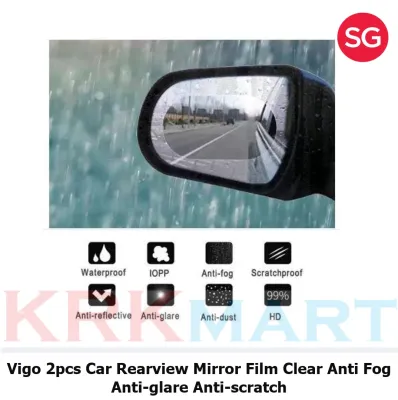

![[Ready Stock]2pc Car Rearview Mirror Rainproof Film Auto Side Window Anti-fog Waterproof Protective Film Car Rearview Mirror Protective Film](https://img.lazcdn.com/g/p/ef602af03f7336a4e94ead19d02d8efa.jpg_400x400q80.jpg_.webp)
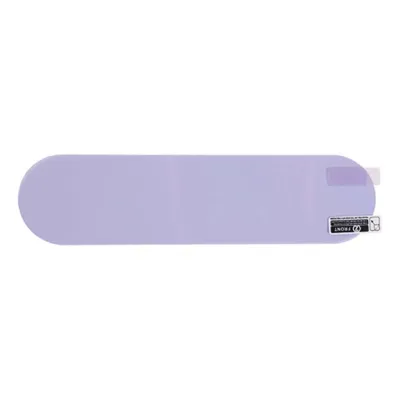
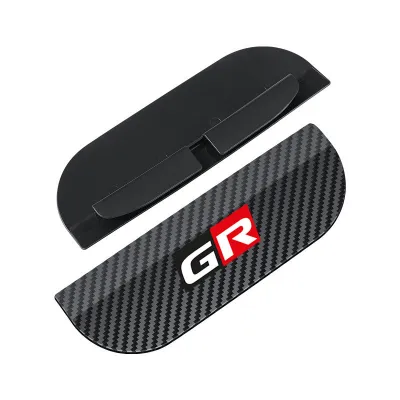
Prices are valid at publication and may change. Please refer to the product page for the latest price.
- Choose protective films if you want to prevent fine scratches on the glass, reduce night-time headlight glare, and maintain a completely original equipment manufacturer (OEM) appearance.
- Choose covers or shells if you frequently navigate tight parking spaces, want to shield your painted mirror housings from physical scrapes, or need to hide existing cosmetic damage.
- Choose rain guards if your main challenge is maintaining clear mirror visibility during intense tropical downpours and you prefer a physical wind-deflecting barrier over chemical coatings.
Assessing Your Driving Environment and Mirror Setup
Driving in Singapore presents a unique set of challenges that directly impact how you should protect your vehicle’s exterior. The combination of intense equatorial ultraviolet (UV) radiation, sudden and heavy monsoon downpours, and highly congested urban parking environments subjects your side mirrors to constant wear. Tight multi-storey HDB carparks, narrow parallel parking lots, and close-quarters traffic mean that side mirrors are highly vulnerable to scrapes from concrete pillars, adjacent car doors, or passing motorcycles.
Before purchasing any protective accessory, you must thoroughly evaluate your vehicle’s existing side mirror technology. Modern side mirrors are no longer simple pieces of reflective glass housed in plastic. They are highly integrated safety systems that may feature auto-dimming electrochromic glass, internal heating elements for defogging, blind-spot monitoring (BSM) LED indicators, integrated turn signals, power-folding mechanisms, and even 360-degree camera sensors mounted on the underside of the housing.
This level of technological integration introduces critical compatibility boundaries. A bulky, poorly designed cover can restrict the pivot clearance of a power-folding motor, leading to mechanical strain or motor failure. Similarly, a thick or low-grade adhesive film can insulate the mirror glass, trapping heat from defrosting elements and potentially damaging the internal electrical circuits or distorting the auto-dimming layer. If your mirrors feature integrated blind-spot warning lights, any film applied over the glass must possess exceptional optical clarity to ensure these safety indicators remain fully visible under all lighting conditions.
Furthermore, you must verify the road legality and safety impact of any accessory before installation. In Singapore, modifications must not compromise your field of view or create hazardous projections. Any accessory that distorts your rearward vision, blocks integrated safety cameras, or obscures signaling lights can compromise your safety and fail vehicle inspections. Always consult your vehicle’s original documentation and the accessory manufacturer’s specifications to confirm compatibility with your exact make, model, and production year.
Side Mirror Protection Films: Invisible Shielding
Side mirror protection films are thin, transparent layers applied directly to the surface of the mirror glass or the painted housing. High-quality films are typically constructed from Thermoplastic Polyurethane (TPU) or Polyethylene Terephthalate (PET). TPU is highly favored in automotive applications due to its elasticity, impact-absorption properties, and self-healing characteristics, which allow minor surface swirl marks to disappear when exposed to heat. PET films are more rigid and offer excellent surface hardness, making them highly effective at preventing deep scratches.

These films provide a range of functional benefits beyond basic scratch resistance. Many premium films feature advanced hydrophobic topcoats that encourage water sheeting rather than droplet formation, which helps maintain a clear view during light rain. Additionally, specialized anti-glare films use microscopic texturing or tinting to scatter incoming light from high-beam headlights behind you, significantly reducing eye strain during night driving. Because they are virtually invisible when properly installed, films preserve the clean, original styling of your vehicle.
However, films have distinct limitations that you must consider. They offer zero protection against structural impacts; a hard knock from a motorcycle handlebar or a concrete pillar will still crack the underlying glass or damage the plastic housing. Installation also requires a high level of precision. The mirror glass must be meticulously cleaned and freed of all contaminants, oils, and wax. Poor installation technique can trap dust, dirt, or air bubbles, leading to optical distortion that compromises your rearward vision and causes the film to peel prematurely at the edges.
When evaluating films for mirrors equipped with advanced features, check the material specifications carefully. If your vehicle has heated mirrors, verify that the film is rated to withstand repeated thermal cycles without yellowing, cracking, or losing adhesion. For mirrors with integrated blind-spot monitoring, ensure the film’s optical clarity is rated high enough to prevent any diffusion of the warning LED. If you are uncertain about applying the film yourself or if your vehicle has complex, curved mirror glass, seek qualified professional installation to ensure a flawless, bubble-free finish.
Side Mirror Covers and Shells: Impact and Style
Side mirror covers and shells are rigid protective barriers designed to shield the exterior plastic or painted housing of your mirror assembly. These accessories are commonly manufactured from Acrylonitrile Butadiene Styrene (ABS) plastic, real carbon fiber, or chrome-plated composites. ABS plastic is highly durable, impact-resistant, and cost-effective, while carbon fiber offers an exceptionally high strength-to-weight ratio alongside a premium, sporty aesthetic.
These hard covers are primarily designed to absorb physical impacts. They act as a sacrificial barrier against parking lot scrapes, shopping cart dings, and minor low-speed collisions that would otherwise chip the paint or crack the costly OEM mirror housing. Beyond protection, they serve an aesthetic purpose, allowing drivers to instantly customize their vehicle’s exterior look or neatly conceal existing scratches and paint damage without paying for expensive body shop repainting services.
When shopping for these accessories, you will encounter two primary types: stick-on/snap-on covers and full replacement shells. Stick-on covers use automotive-grade double-sided tape to attach directly over your existing mirror housing. While easy to install, they add physical thickness and weight to the mirror. This added bulk can interfere with the tight tolerances of power-folding hinges, causing the mirror to bind or strain the folding motor. Furthermore, poorly fitted stick-on covers can trap moisture, road grime, and salt between the cover and the original paint, potentially leading to corrosion or clear-coat failure over time.
Full replacement shells, on the other hand, require you to completely remove the original factory housing to install the new shell. While this provides a perfect, flush fit that does not interfere with power-folding mechanisms, the installation process is significantly more complex. It often involves carefully prying off the mirror glass, disconnecting electrical wiring for heaters and BSM systems, and releasing delicate plastic clips. If performed incorrectly, you risk breaking the glass or damaging internal electronic components. For replacement shells, always consult your vehicle’s service manual or seek qualified professional installation to avoid voiding your warranty or causing electrical faults.
Side Mirror Rain Guards and Visors: Weather Deflection
Side mirror rain guards, often referred to as mirror eyebrows or visors, are semi-rigid curved strips that mount along the upper inside lip of the mirror housing. Typically constructed from flexible acrylic, polycarbonate, or silicone, these guards project outward to form a small protective awning over the mirror glass. They are designed to block rain droplets from falling directly onto the glass surface, maintaining a clear line of sight during wet weather.
The primary benefit of a physical rain guard is its reliable performance in heavy downpours. Unlike chemical hydrophobic coatings, which require a certain speed of airflow to clear water droplets and must be reapplied regularly, a rain guard provides continuous physical protection even when your vehicle is stationary or moving slowly in heavy traffic. By keeping the upper portion of the mirror glass dry, these visors significantly reduce water spotting and minimize the distorting effect of pooled water, which is critical for safe lane changes during sudden storms.
Despite their utility, rain guards introduce specific aerodynamic and maintenance trade-offs. Because they alter the external profile of the mirror, they can disrupt the engineered airflow around your vehicle’s A-pillar. At highway speeds, this disruption can generate noticeable wind noise or whistling. Additionally, because these guards rely entirely on automotive double-sided tape for attachment, they are subject to high wind shear and constant vibration. If the mounting surface is not prepared correctly, or if low-quality adhesive is used, the guard can detach at high speeds, posing a safety hazard to other road users.
It is also important to recognize that rain guards do not protect the mirror glass from road dust, mud splashes from passing vehicles, or physical impacts. They are strictly weather-deflection tools. When selecting a rain guard, check its dimensions and flexibility to ensure it does not block your view of integrated turn signals or BSM indicators located on the outer edges of the mirror housing. Additionally, ensure that the guard’s projection does not contact the vehicle’s window frame or door seal when the power-folding mirrors are fully retracted.
Feature-by-Feature Comparison Matrix
To help you compare these three distinct protective solutions, the following table summarizes their performance across key decision dimensions. All characteristics are based on standard product specifications and typical installation requirements.
| Comparison Dimension | Protection Film | Hard Cover / Shell | Rain Guard / Visor |
|---|---|---|---|
| Primary Protection | Prevents glass scratches, reduces headlight glare, and offers light water sheeting. | Absorbs physical impacts, prevents housing paint chips, and hides scuffs. | Deflects falling rain and minimizes water spots on the glass surface. |
| Visual Profile | Virtually invisible; preserves the clean, original OEM look of the vehicle. | Highly visible; alters the exterior styling (e.g., carbon fiber, matte black). | Visible external lip; adds a small awning profile to the top of the housing. |
| Installation Difficulty | High; requires precise surface preparation, wet application, and bubble removal. | Low to High; simple for stick-on covers, but complex for full replacement shells. | Low; requires precise placement and high-quality automotive adhesive tape. |
| Impact on Advanced Features | Safe if optically clear; must verify heat tolerance for defogging elements. | May strain power-folding motors or block cameras if tolerances are tight. | Generally safe; must verify clearance with the window frame when folded. |
| Maintenance Requirements | Inspect for edge peeling or yellowing; replace if scratched or clouding occurs. | Clean regularly; inspect stick-on versions for trapped moisture or dirt. | Periodically check adhesive bond strength to ensure it remains secure. |
Decision Framework: Choosing the Right Protector
To make your final decision, evaluate your daily driving patterns, parking habits, and vehicle specifications against the following targeted scenarios. This framework will guide you to the product type that delivers the greatest practical utility for your specific situation.
Choose a Protection Film if:
- Your vehicle is equipped with advanced mirror features such as auto-dimming glass, integrated blind-spot monitoring lights, or heated defogging elements, and you want to ensure these systems operate without physical obstruction.
- You prefer to maintain the factory-original look of your car without adding bulky aftermarket accessories or changing the vehicle's aerodynamic profile.
- Your primary concern is preventing fine scratches, swirl marks from car washes, and road grit abrasion on the mirror glass itself.
Choose a Hard Cover or Replacement Shell if:
- You frequently park in tight public carparks, narrow streets, or shared residential spaces where side mirrors are highly vulnerable to physical contact from other vehicles, pedestrians, or doors.
- Your existing mirror housings already suffer from unsightly paint chips, deep scratches, or faded clear coats, and you want a cost-effective way to cover the damage.
- You wish to customize your vehicle's exterior styling with specific finishes, such as a sporty carbon fiber pattern or a gloss black accent, while adding a sacrificial layer of impact protection.
Choose a Rain Guard or Visor if:
- Your single greatest driving frustration is obscured rearward visibility during heavy rainstorms, and you want a reliable, passive solution that does not require regular chemical reapplication.
- You frequently drive at moderate urban speeds where wind-driven rain easily accumulates on your side mirrors, making lane changes hazardous.
- Your mirrors have sufficient clearance from the door frame when folded, and you are comfortable with a minor change to the vehicle's aerodynamic profile.
Before finalizing any purchase, always perform a thorough compatibility check. Measure your mirror dimensions, note the exact curvature of the housing, and verify the model year of your vehicle. Many aftermarket accessories are highly model-specific and will not fit pre-facelift or post-facelift variants of the same vehicle generation. If your vehicle features a 360-degree camera system, ensure that neither a cover nor a rain guard extends into the camera’s field of view, which would distort your parking assist display.
Installation and Maintenance Guidelines
To ensure the longevity of your chosen side mirror protector and prevent damage to your vehicle, proper installation and maintenance are essential. For any accessory utilizing adhesive—including protection films, stick-on covers, and rain guards—the preparation of the mounting surface is the single most critical factor determining success. Any residual road grime, wax, polish, or ceramic coating will severely compromise the adhesive bond, leading to premature failure.
Begin by thoroughly washing the mirror assembly with a dedicated automotive shampoo that does not contain waxes or gloss enhancers. Once dry, clean the specific mounting area with a mild degreasing agent or a highly diluted isopropyl alcohol solution, first testing the cleaner on a small, hidden area of the mirror housing to ensure it does not dull the paint or damage plastic seals. Ensure the surface is completely dry and warm to the touch before application; installing adhesives in cold or highly humid conditions can trap moisture and prevent proper curing.
If you have opted for snap-on or stick-on covers, check the dry fitment before removing the adhesive backing. Ensure the cover sits flush and does not pinch any rubber window seals or rub against the pivot point of the power-folding hinge. For rain guards, align the visor carefully to ensure it does not block your view of the mirror glass or any integrated LED indicators. Once applied, exert firm, even pressure across the entire adhesive surface for at least sixty seconds, and avoid washing the vehicle or exposing it to heavy rain for at least twenty-four to forty-eight hours to allow the adhesive to reach full bond strength.
Finally, integrate these accessories into your regular vehicle maintenance routine. Periodically inspect the adhesive edges of films and rain guards for signs of lifting, dirt accumulation, or degradation. If a rain guard’s adhesive begins to fail, remove the guard entirely, clean away the old residue, and reapply it using fresh, high-quality automotive-grade acrylic foam tape. For stick-on covers, occasionally rinse behind the edges to flush out any trapped grit that could gradually abrade your original paint. Always consult your vehicle’s owner manual before performing any modifications to exterior components, especially if they house sensitive electronic sensors, cameras, or heating elements.
Community discussion
Share your experience or ask a question. Comments are reviewed before publication.