
To protect your vehicle from Singapore’s harsh tropical climate, you should look for a car shade cover with a verified rating of UPF 50+ for UV protection and a waterproof rating of at least 1,500 mm to 3,000 mm hydrostatic head. Additionally, the cover must feature high-performance breathability through micro-porous materials or integrated ventilation flaps. Relying on generic covers without these specific technical standards can lead to trapped moisture, paint damage, and accelerated interior wear.
Singapore’s weather presents a unique dual challenge for car owners who park outdoors. The equatorial sun delivers intense ultraviolet radiation throughout the year, with the UV Index frequently climbing into the extreme range. This relentless exposure is punctuated by sudden, torrential monsoon downpours and a persistent relative humidity that regularly exceeds 80%. When a vehicle is subjected to these rapid transitions between extreme heat and heavy moisture, standard protective fabrics quickly degrade, failing to safeguard the vehicle beneath them.
Using a fully sealed, non-breathable cover under these conditions often causes more harm than good. High ambient humidity means that moisture from the air and the ground will inevitably find its way under the cover. If the material cannot breathe, this moisture becomes trapped against the warm paintwork, creating a greenhouse effect that accelerates clear-coat failure, paint blistering, and cabin mold. Understanding technical specifications is the only reliable way to select a cover that balances robust exterior defense with necessary ventilation.
Products mentioned in this guide
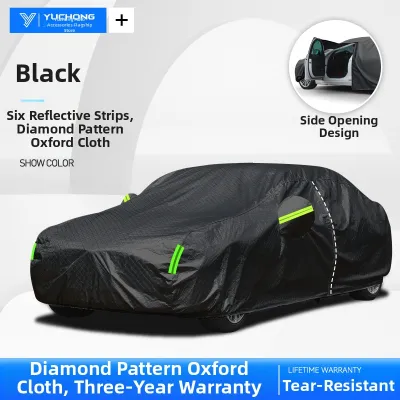
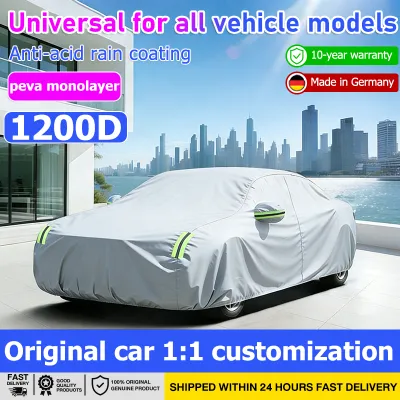
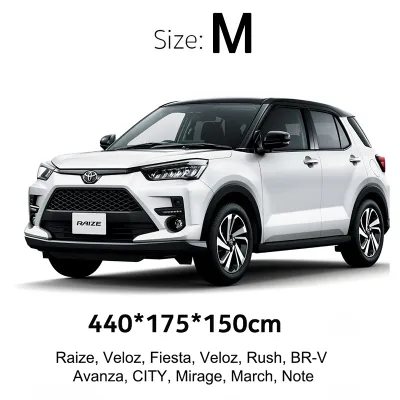
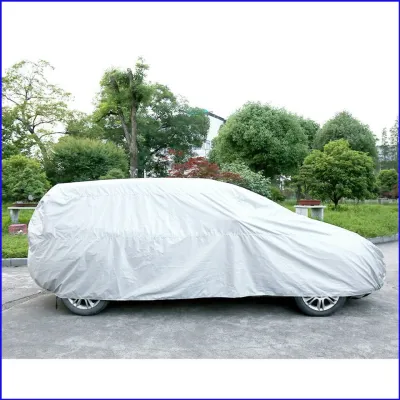
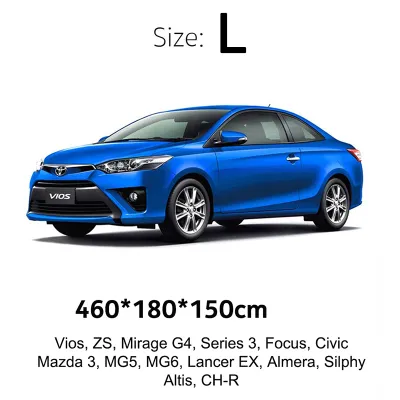
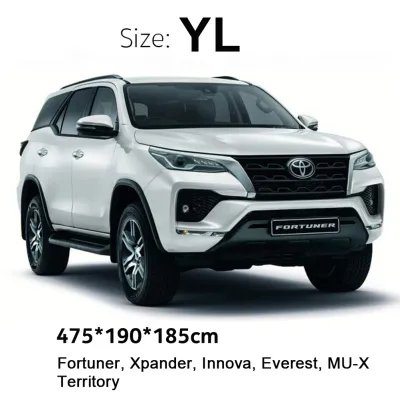
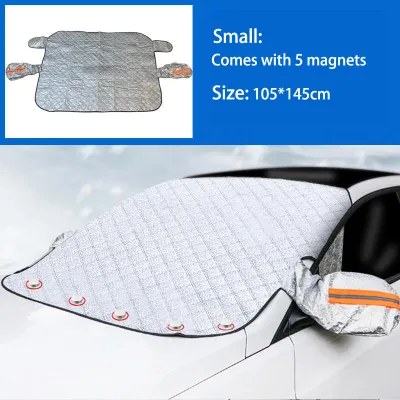
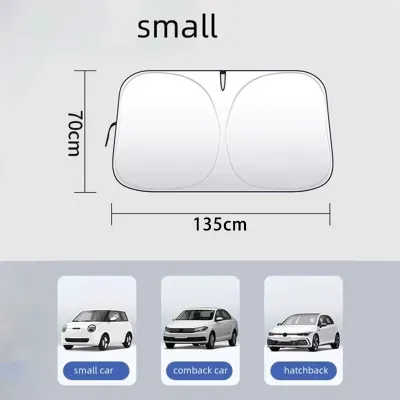
Prices are valid at publication and may change. Please refer to the product page for the latest price.
UV Protection Decoded: UPF Ratings and Material Weave
When evaluating a car shade cover for sun protection, the most reliable metric to look for is the Ultraviolet Protection Factor (UPF). While you might be familiar with SPF ratings used in skincare to measure UVB protection, UPF is the standard used for fabrics. It measures the amount of both UVA and UVB radiation that can penetrate the material and reach your vehicle’s surface. A cover rated UPF 50+ allows less than 2% of the sun’s active UV rays to pass through, providing an exceptional shield for your car’s exterior paint and interior dashboard.
Material density, weave tightness, and specialized coatings are far more critical to UV defense than mere fabric thickness. Many high-quality covers utilize a tightly woven polyester or polypropylene base treated with a highly reflective outer coating, such as aluminum or specialized polyurethane. This reflective surface bounces solar radiation away from the vehicle rather than absorbing it. Conversely, a thick, dark canvas cover without a reflective treatment will absorb thermal energy, transferring intense heat directly into the cabin and accelerating the degradation of leather seats and plastic trim.
To ensure genuine protection, look for manufacturer-stated UPF ratings on the product packaging or documentation. Avoid products that rely on vague marketing terms like “sun-resistant” or “UV-proof” without providing an official rating. Legitimate manufacturers subject their fabrics to standardized testing (such as ASTM D6603 or EN 13758) to verify their UV-blocking capabilities. Investing in a certified UPF-rated cover ensures that the material will not prematurely dry out, crack, or lose its protective qualities after a few months under the equatorial sun.
Waterproof Ratings Explained: Navigating the "mm" Hydrostatic Head
To understand how well a car cover resists heavy rain, you must look at its hydrostatic head rating, which is measured in millimeters (mm). This rating is determined by a standardized laboratory test where a column of water is placed over the fabric. The height of the water column is increased until the water begins to penetrate the material. For example, a fabric with a 2,000 mm rating can withstand a 2,000 mm tall column of water pressing down on it before any leakage occurs.

There is a significant difference between fabrics labeled “water-resistant” and those certified as “waterproof” under heavy weather conditions:
- Water-Resistant (Under 1,000 mm): These materials can repel a light morning drizzle or brief overspray, but they will quickly saturate and leak during a sustained tropical downpour.
- Waterproof (1,500 mm to 3,000 mm): Fabrics within this range are highly capable of handling the intense, high-volume rainfall typical of Singapore's monsoon seasons, preventing water from penetrating even when it begins to pool on flat surfaces like the roof or bonnet.
For outdoor parking in Singapore, a rating between 1,500 mm and 3,000 mm strikes the ideal balance. While industrial-grade tarps may offer ratings exceeding 5,000 mm, they achieve this by using completely impermeable plastic backings that offer zero breathability. This makes them highly unsuitable for automotive preservation in humid climates.
Always be skeptical of unverified “100% waterproof” claims that lack a specific hydrostatic head metric. Without a recognized testing standard (such as ISO 811 or AATCC 127) displayed on the product packaging, these claims are often misleading. A truly waterproof cover must also feature double-stitched, heat-sealed, or taped seams, as water will easily penetrate the needle holes of untreated seams during a heavy storm.
The Critical Balance: Waterproofing vs. Breathability in High Humidity
In Singapore’s high-humidity environment, maximizing water resistance while neglecting breathability is a recipe for severe vehicle damage. When a car is parked on a damp surface or when the evening air cools, ground moisture evaporates upward. If your car cover is completely impermeable, this rising water vapor becomes trapped beneath the cover. As the sun heats the cover the next morning, the trapped moisture heats up, leading to a phenomenon known as clear-coat blistering or osmosis, which permanently ruins the paint finish.
True breathability in a car cover refers to the fabric’s ability to allow water vapor to escape from underneath while preventing liquid water droplets from penetrating from the outside. This is achieved through advanced multi-layer construction. The outer layer repels liquid rain, while a middle micro-porous membrane contains microscopic pores that are large enough to let vapor molecules out but too small to let liquid water drops in.
When reviewing product specifications, look for design elements specifically engineered to promote airflow:
- Micro-porous inner membranes: These allow continuous vapor transmission across the entire surface of the cover.
- Integrated ventilation flaps: Strategically placed vents near the top or sides of the cover let hot air and moisture escape without letting rain in.
- Soft, non-woven inner linings: Materials like cotton or fleece help absorb minor condensation and prevent the cover from sticking to the paintwork.
Prioritizing a balanced, breathable design ensures that your car remains dry and cool, preventing the growth of mold in the air conditioning vents and protecting the vehicle’s electrical components from moisture damage.
Simplifying Your Choice: Which Specs Matter and Which to Ignore
To make an informed purchase, focus on verified performance metrics and look past common marketing distractions. A high-quality car cover does not need to be excessively heavy or consist of an arbitrary number of layers to be effective.
Essential Specifications to Verify
- UPF 50+ Certification: The industry standard for excellent UV protection.
- 1,500 mm to 3,000 mm Hydrostatic Head: Proven resistance against heavy rain.
- Documented Breathability: Presence of micro-porous layers or built-in air vents.
- Secure Tie-Down Systems: Sturdy windproof straps that buckle beneath the chassis and elasticized hems to keep the cover secure during sudden monsoon gusts.
Marketing Claims to Ignore
- Vague Adjectives: Terms like "heavy-duty," "all-weather," or "space-grade" carry no technical weight without supporting testing data.
- Excessive Layer Counts: Some brands advertise "6-layer" or "10-layer" covers. Often, these are simply bonded layers of cheap, heavy plastics that trap heat, are incredibly difficult to fold, and can easily scratch your paint when being dragged across the vehicle.
- Universal Fit Guarantees: A cover that is too loose will flap violently in the wind, causing the inner lining to act like sandpaper against your clear coat. Always select a cover designed specifically for your vehicle's make, model, and body style.
Verifying Specifications When Shopping Online
When browsing online marketplaces or e-commerce platforms, verifying the authenticity of product claims is crucial. Start by closely examining the product listing images for clear photos of the physical manufacturer tags, spec sheets, or the product box. Reputable brands will proudly display their certified ratings and testing standards directly on the packaging, rather than just in the seller’s text description.
Before finalizing your purchase, cross-reference the model number and stated specifications with the brand’s official website or an authorized local distributor. Be cautious of listings that rely solely on highly edited infographics or generic stock photos. If a seller claims a cover is “fully waterproof and highly breathable” but cannot provide a hydrostatic head rating or details on its ventilation design, it is best to look elsewhere.
Additionally, review the manufacturer’s warranty and return policy. A reliable manufacturer will offer a warranty (typically one to three years) that specifically covers UV degradation, seam splitting, or coating peeling under tropical conditions.
Safety Warning: Before applying any cover, consult your vehicle’s owner manual for any specific exterior care guidelines. This is especially important if your vehicle has aftermarket matte paint, a vinyl wrap, or a freshly applied ceramic coating, as certain cover materials or prolonged contact can affect these finishes. Always ensure the vehicle is clean and completely dry before fitting the cover.
Frequently Asked Questions (FAQ)
Does a darker car cover provide better UV protection?
No, color alone does not determine UV protection. A cover’s ability to block UV rays depends on its material density, weave tightness, and specialized UV-inhibiting treatments. In fact, darker colors absorb more thermal energy from the sun, which can significantly raise the temperature of your car’s cabin. For Singapore’s hot climate, light-colored or silver-reflective outer layers are highly recommended to bounce solar heat away from the vehicle.
Can I put a waterproof car cover on a wet car?
No, you should never place any car cover over a wet or damp vehicle. Doing so traps moisture directly against the paintwork, which can lead to water spots, mold growth in the cabin, and clear-coat damage. Always wash off any dirt and allow your vehicle’s surface to dry completely before applying the cover, regardless of how breathable the cover’s material is claimed to be.
How often should I remove the cover to let the car breathe?
Even if you are using a highly breathable cover, you should remove it at least once a week to let both the vehicle and the cover’s inner lining air out. This is particularly important after heavy rainstorms or periods of high humidity. Regular removal also allows you to inspect the vehicle’s surface for any trapped dust or debris that could potentially scratch the paint during subsequent applications.
Community discussion
Share your experience or ask a question. Comments are reviewed before publication.