
Singapore’s tropical climate presents a constant challenge for drivers. Leaving a car parked under the midday sun turns the cabin into an oven, making seats scaldingly hot and sticky. A car seat towel serves as a practical barrier, but choosing the wrong material can trap heat and sweat. While no single material guarantees an ice-cold surface after hours in the sun, breathable mesh excels in airflow, fabric manages sweat but can retain warmth, and leather offers easy cleaning but feels hot initially. The most comfortable choice for Singapore’s tropical climate depends on whether your car is parked outdoors or in shaded areas, and your typical drive duration.
How Different Materials React to Heat and Humidity
To understand how a car seat towel performs, you must look at how different materials interact with thermal energy and moisture. Thermal conductivity determines how quickly a material absorbs heat from the sun and transfers it to your body. Breathability refers to how easily air and water vapor pass through the material. In Singapore’s high humidity, breathability is crucial because it allows sweat to evaporate, providing a natural cooling effect.
When evaluating options, look closely at physical structure. High-density weaves tend to trap stagnant air, leading to rapid heat buildup. Conversely, open structures like perforations or loose weaves facilitate continuous air exchange. When reading product labels on online marketplaces, pay attention to specifications regarding weave density, material composition, and backing structures, as these details dictate how the towel will feel during a drive.
Products mentioned in this guide
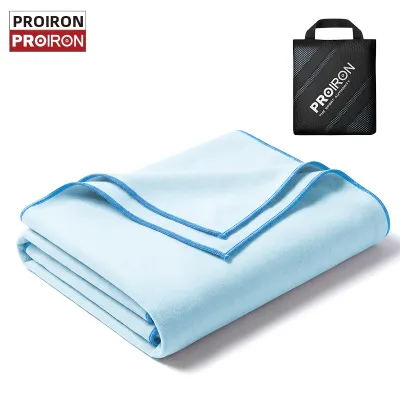
![[SG] Waterproof Sweat Towel Car Seat Cover for Post Gym Yoga Workout Running Swimming Beach and Hiking Universal Fit Anti-Slip Bucket Seat Protector for Cars SUVs and Trucks Machine Washable](https://img.lazcdn.com/g/p/b9a0f9040a71bf60df8d28763550aef9.jpg_400x400q80.jpg_.webp)
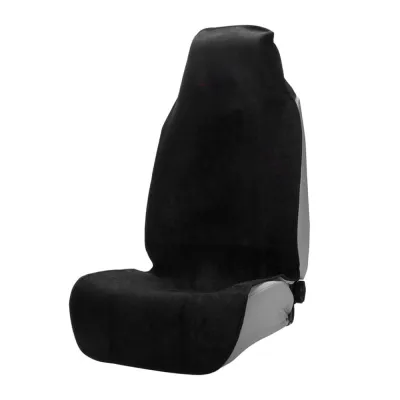
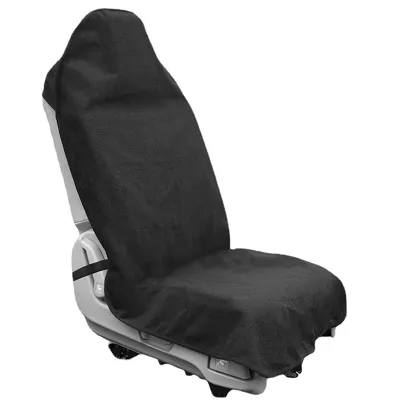
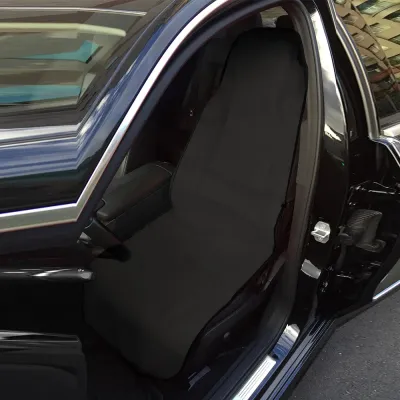
Prices are valid at publication and may change. Please refer to the product page for the latest price.
Breathable Mesh: Airflow and Quick Evaporation
Breathable mesh is engineered to maximize ventilation, making it a popular choice for drivers seeking relief from tropical heat. Most high-quality mesh car seat towels utilize a 3D spacer or honeycomb structure. This design incorporates a middle layer of vertical micro-fibers that physically separates the outer fabric layers, creating a permanent air gap between your body and the seat. As you drive, cabin air circulates through this gap, helping to dissipate body heat and prevent a sticky back.
However, synthetic mesh materials like polyester or nylon do not absorb much water, meaning they do not hold onto sweat. This prevents the towel from feeling damp, but heavy sweat may run off rather than being absorbed. When shopping, always inspect the backing material. Avoid solid rubber or dense plastic backings, which act as thermal barriers and trap heat. Look for mesh towels with non-slip silicone dots or open-weave backing patterns that secure the towel without blocking airflow.
Fabric Blends: Moisture Wicking vs. Heat Retention
Fabric car seat towels offer a soft feel and are highly effective at managing moisture, though their thermal performance varies by fiber composition. Natural fibers, such as cotton or bamboo-derived viscose, are highly absorbent. They excel at drawing sweat away from your skin, but they hold onto moisture and dry slowly in Singapore’s humid air. A damp cotton towel left in a parked car can quickly develop musty odors.
Synthetic blends, such as polyester-spandex mixtures, are often engineered for moisture-wicking performance. These fabrics pull sweat away from the body and spread it across a larger surface area to speed up evaporation. However, synthetic fabrics with a tight, dense weave can act as insulators, trapping your body heat during longer commutes. To get the best performance, check the packaging for lightweight, loose-weave designs or specialized cooling yarns, and avoid thick, plush fabrics like velour or heavy terry cloth.
Leather and Synthetic Leather: Surface Heat and Easy Cleaning
Leather and synthetic alternatives like polyurethane (PU) leather are highly valued for durability, but they present distinct thermal challenges. Because leather is a dense material, it has a high thermal capacity. When your car is parked in an open-air lot under direct sunlight, the leather surface absorbs solar radiation rapidly and retains that heat, making it uncomfortable to touch initially.
Despite this, leather and PU leather towels offer unmatched convenience for maintenance. In Singapore’s humid weather, drivers frequently apply sunblock or moisturizer, which can leave greasy residues. Sweat, spilled drinks, and dirt can be wiped off a leather surface instantly with a damp cloth, preventing stains and odors. If you prefer the aesthetic of leather but want to mitigate heat retention, look for perforated designs that allow some air exchange, or options with integrated cooling gel layers designed to slow down heat absorption.
Which Material Fits Your Daily Driving Routine?
Selecting the right car seat towel requires matching the material’s characteristics to your daily driving habits, parking situations, and personal comfort priorities.

Choose Mesh if:
- Your car is frequently parked in outdoor, unshaded parking lots where cabin temperatures soar.
- Your daily commute consists of short, active trips where you are likely to be warm and sweaty before entering the vehicle.
- You prioritize continuous airflow and want a material that does not retain heat or create a damp barrier.
Choose Fabric if:
- You primarily park in sheltered, multi-story, or basement car parks where the initial cabin temperature remains moderate.
- Your daily routine involves longer drives where the car's air conditioning has time to cool the cabin, and you prefer a soft material that absorbs sweat comfortably.
- You prefer a machine-washable option that can be easily cleaned with your household laundry.
Choose Leather if:
- You prioritize a sleek, integrated interior aesthetic that matches your car's original upholstery.
- Your daily routine involves carrying pets, young children, or passengers who frequently bring food, drinks, or outdoor dirt into the vehicle.
- You want a low-maintenance option that can be cleaned in seconds without needing regular machine washing.
Verify first if: Before purchasing, verify physical compatibility with your specific vehicle. Check that the towel’s mounting straps, hooks, or non-slip backings do not obstruct seat adjustment controls, lumbar support levers, or seat belt buckles. A poorly fitting towel can slide during transit, distracting you while driving.
Maintaining Hygiene and Material Performance
Singapore’s high humidity and warm temperatures create an environment where mold, mildew, and bacteria can thrive if car interior accessories are not properly maintained.
For fabric and mesh towels, regular washing is essential to remove accumulated sweat and body oils. Wash these towels at least once every two weeks using a mild detergent. Avoid fabric softeners, especially on mesh and moisture-wicking synthetics, as softeners leave a waxy residue that clogs the pores of the fabric, reducing its breathability. Ensure the towel is completely dry before reinstalling it to prevent musty odors and mold growth.
For leather and synthetic leather towels, regular wiping with a damp microfiber cloth is sufficient. Apply a dedicated leather conditioner once a month to prevent the material from becoming sticky or cracking under intense UV exposure. Avoid harsh chemical cleaners or alcohol-based wipes, which can strip the protective top coat.
Regardless of the material, remove the car seat towel completely every few weeks. This allows the original upholstery to breathe and prevents moisture from becoming trapped, which can cause permanent staining or structural damage to your seats.
Frequently Asked Questions (FAQ)
Will a car seat towel interfere with side airbag deployment?
Safety must always be your primary consideration when installing any aftermarket interior accessory. Many modern vehicles feature side airbags embedded within the outer bolsters of the front seats. If a car seat towel wraps tightly around the sides of the seat back, it can delay or completely block the deployment of these airbags during a collision. Before purchasing, check the product specifications to ensure the towel is labeled as airbag-compatible. Look for designs that feature open sides, breakaway stitching, or specific cutouts that allow the airbag to deploy without obstruction. Always consult your vehicle’s owner manual to locate the exact deployment zones of your seat-mounted airbags, and stop using any towel if you cannot verify its safety compatibility.
How can I cool down my car seat towel before getting in?
To reduce surface heat after your car has been parked in the sun, start by minimizing the amount of solar radiation entering the cabin. Placing a reflective windshield sunshade behind the glass and parking in shaded areas whenever possible will significantly lower the initial temperature of your seats. If the seat towel is still hot to the touch, open the car doors or roll down the windows for a minute before entering to let the trapped hot air escape. Turn the air conditioning to its maximum setting and direct the vents toward the seats. Avoid spraying excessive water, placing ice packs directly on the seats, or using chemical cooling sprays. These methods can introduce excess moisture that damages the towel fibers, degrades leather, or seeps into the seat’s internal electronics and sensors.

Community discussion
Share your experience or ask a question. Comments are reviewed before publication.