
Selecting the ideal car seat cover requires balancing cabin aesthetics, local climate demands, and daily maintenance habits. While a premium car seat leather cover offers a sleek look and straightforward cleanup, woven fabric provides reliable temperature neutrality, and breathable mesh delivers maximum ventilation. Choosing the wrong material can lead to uncomfortable commutes, accelerated wear, or even safety hazards if the covers interfere with built-in seat features. Evaluating how these materials interact with your daily driving routine, passenger needs, and vehicle safety systems is the key to making a lasting upgrade.
Material Profiles: Leather, Fabric, and Mesh
Understanding the fundamental differences between seat cover materials is the first step toward an informed purchase. Each material class relies on distinct manufacturing processes, fibers, and structures that dictate how they feel, wear, and react to environmental factors. Rather than viewing these options as simple aesthetic choices, drivers should consider them as functional layers that alter the cabin’s microclimate and durability.
Car Seat Leather Covers
Leather and its synthetic alternatives represent the premium tier of automotive interior protection, valued for their smooth texture and upscale appearance. Genuine leather is sourced from animal hides, offering natural breathability through microscopic pores, though it requires regular conditioning to prevent drying and cracking. Synthetic leather, often referred to as polyurethane (PU) or polyvinyl chloride (PVC) leatherette, replicates this aesthetic using polymer coatings over a fabric backing. Eco-leather options frequently incorporate recycled leather fibers or plant-based polymers to reduce environmental impact while maintaining a supple feel. While highly resistant to liquid penetration, all leather-style covers tend to absorb ambient heat rapidly, making them noticeably hot to the touch when the vehicle is parked in direct sunlight.
Products mentioned in this guide
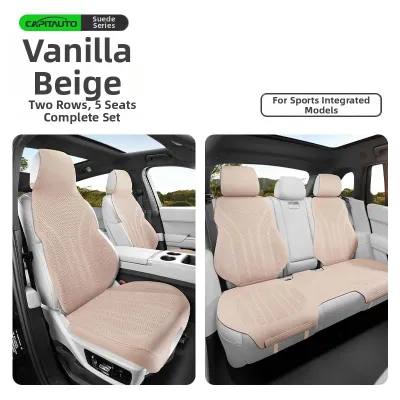
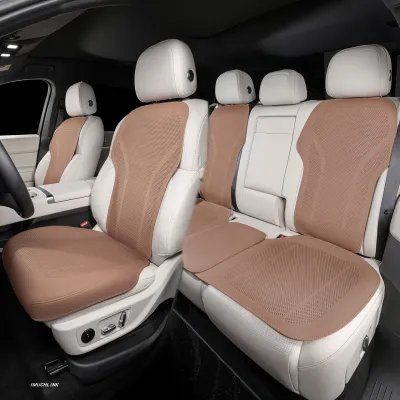
![[SG stock] Car Seat Cover PU Leather Interior Protector Mats Cushion 5 Seaters Chair Seatcover Pad for SUV Sedan Truck](https://img.lazcdn.com/g/p/56354294bab72022203584ef6e821870.jpg_400x400q80.jpg_.webp)
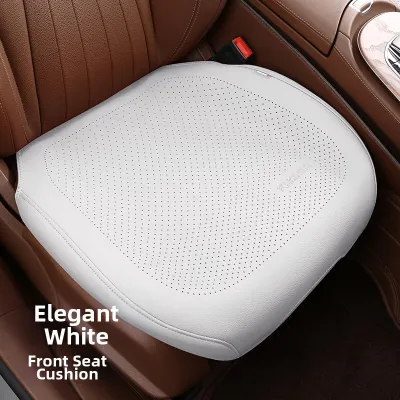
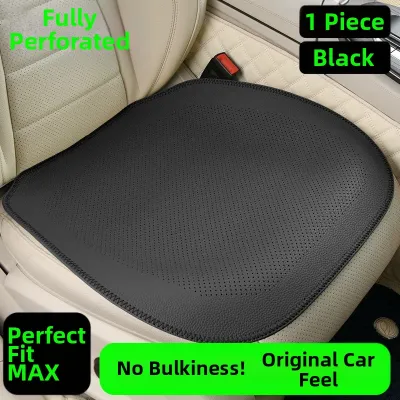
Prices are valid at publication and may change. Please refer to the product page for the latest price.
Fabric Seat Covers
Woven fabric seat covers are the workhorses of interior protection, offering a soft, slip-resistant surface that remains thermally stable in all weather conditions. Standard automotive fabrics typically consist of tightly woven polyester blends, which provide excellent tensile strength and resistance to stretching over time. For heavy-duty applications, heavy canvas or denim weaves offer exceptional ruggedness, though they present a stiffer texture. Unlike solid synthetic leather, woven fabrics allow air to pass through the weave, preventing the sticky sensation often associated with non-porous materials. However, this open structure makes untreated fabric highly susceptible to absorbing liquid spills, dust, and odors, which can settle deep into the fibers if not addressed quickly.
Breathable Mesh Seat Covers
Breathable mesh seat covers are engineered specifically to optimize airflow and minimize heat buildup between the passenger and the seat cushion. These covers typically utilize a 3D spacer fabric, which features two independent layers of fabric joined by a micro-filament connecting layer that creates a permanent open-air gap. This structural design allows air to circulate freely behind the driver’s back and under the thighs, actively dispersing body heat and moisture during long journeys. While mesh excels at ventilation, it offers a more utilitarian, sporty appearance that may not blend seamlessly with luxury interiors. Additionally, because the material is thin and focused on airflow, it provides less built-in padding and lateral support compared to heavily cushioned leather or fabric alternatives.
Head-to-Head Comparison: Comfort, Durability, and Maintenance
To determine which material best fits your lifestyle, it is helpful to compare their performance across three core operational dimensions: comfort, durability, and maintenance. Comfort is heavily influenced by thermal retention and surface friction; leather can feel slippery and hot, fabric remains neutral and soft, while mesh provides active cooling but less plush cushioning. In terms of durability, synthetic leather and heavy canvas resist abrasion well, whereas delicate mesh can snag on sharp objects, and genuine leather requires protection from UV degradation to prevent fading. Maintenance requirements vary wildly, with synthetic leather requiring only a quick wipe-down, while fabric and mesh often demand vacuuming, spot cleaning, or complete removal for machine washing.

| Performance Dimension | Leather / Synthetic Leather | Woven Fabric | Breathable Mesh |
|---|---|---|---|
| Thermal Comfort | Low (Retains heat) | Moderate (Neutral temperature) | High (Maximum airflow) |
| Surface Friction | Low (Slippery surface) | High (Non-slip grip) | Moderate (Textured grip) |
| Abrasion Resistance | High (Resists scuffs) | Moderate to High (Weave dependent) | Moderate (Prone to snags) |
| Spill Protection | High (Waterproof barrier) | Low (Absorbs liquids quickly) | Low (Open weave allows passage) |
| Cleaning Effort | Low (Wipe clean) | Moderate (Requires vacuuming) | Moderate (Requires vacuuming) |
Climate and Daily Usage Considerations
Environmental factors and daily driving habits play a decisive role in how well a seat cover material performs over time. In hot and humid tropical climates, such as Singapore, cabin temperatures can rise rapidly when a vehicle is parked outdoors. Under these conditions, solid synthetic leather covers can become uncomfortably hot, trapping perspiration against the driver’s skin and creating a sticky seating surface. Conversely, breathable mesh and woven fabric covers do not store heat to the same extent, allowing the cabin’s air conditioning system to cool the seating surface much more rapidly.
The profile of your regular passengers also dictates the ideal material choice. Families with young children or pet owners often find that the liquid-resistant nature of synthetic leather is indispensable for managing spilled drinks, mud, and pet hair, which can be wiped away in seconds. Woven fabrics can trap pet odors and hair within their fibers, requiring frequent deep cleaning, while pet claws can easily snag the open loops of a mesh cover. Additionally, if your vehicle is frequently parked in open-air lots exposed to intense UV radiation, genuine leather will require frequent application of UV-blocking conditioners to prevent premature aging, whereas high-quality synthetic polymers and treated polyester fabrics tend to resist UV-induced fading and cracking more effectively.
Decision Framework: Matching Material to Your Priorities
Selecting the right seat cover comes down to identifying your primary operational priority and matching it to the corresponding material profile.
Choose Leather or Synthetic Leather if:
- Your primary goal is to elevate the cabin's aesthetic with a premium, executive look.
- You require a highly water-resistant barrier to protect against frequent spills, wet clothes, or muddy gear.
- You prefer a low-maintenance routine that consists of quick wipe-downs rather than deep washing.
Choose Fabric if:
- You want a soft, comfortable seating surface that does not feel slippery during cornering.
- You seek a wide variety of colors, patterns, and textures to customize your vehicle's interior style.
- You prioritize temperature neutrality so the seats never feel excessively hot or cold when you first enter the vehicle.
Choose Mesh if:
- Preventing back sweat and maintaining maximum ventilation during long drives in warm climates is your absolute top priority.
- You prefer a lightweight, sporty cover that can be easily installed and removed for seasonal use.
- You want to maximize the efficiency of your vehicle's air conditioning by allowing air to circulate behind your body.
Verify First if:
- Your vehicle features integrated seat heating or cooling systems, as thick or non-porous covers can severely restrict thermal transfer.
- Your seats are covered by manufacturer warranties that restrict the use of aftermarket accessories.
Pre-Purchase Checks: Fitment, Safety, and Compatibility
Before purchasing any aftermarket seat cover, you must verify its compatibility with your specific vehicle model, year, and built-in safety systems. The most critical safety boundary involves side-impact airbags, which are frequently housed inside the outer bolster of the front seatbacks. Installing a universal or poorly designed seat cover over these deployment zones can delay or completely block the airbag from inflating during a collision, posing a severe safety risk. Always verify that the seat cover manufacturer provides documented, certified airbag-compatible stitching or dedicated physical cutouts designed to tear open safely under deployment pressure.
Beyond airbag safety, you must inspect the physical interface and dimensions of your seats to ensure a secure mounting position. Check the location of seatbelt buckles, headrest release buttons, armrests, and seat adjustment controls to confirm the cover does not obstruct their operation. If your vehicle features built-in occupancy sensors, seat heaters, or ventilation fans, consult your vehicle owner’s manual and the seat cover manufacturer’s fitment guide to ensure the cover will not interfere with sensor calibration or cause electrical components to overheat. When in doubt regarding complex installations or safety compatibility, seek assistance from a qualified automotive upholstery professional before operating the vehicle.
Frequently Asked Questions (FAQ)
Can I install a leather seat cover over factory fabric seats without damaging them?
Yes, you can install leather or synthetic leather covers over factory fabric, but proper fitment is essential to prevent damage. If the cover is loose, the constant friction between the backing of the cover and the factory fabric during driving can cause pilling, abrasion, and premature wear on the original upholstery. Additionally, in humid environments, non-porous covers can trap ambient moisture underneath them; it is important to ensure the seats are completely dry before installation and to choose covers with a breathable inner lining to prevent mold growth.
Do mesh seat covers provide enough protection against spills and stains?
No, mesh seat covers are not designed to protect against liquid spills or fine debris. Because of their open, three-dimensional weave and netting structure, liquids will pass directly through the mesh and soak into the underlying factory upholstery almost instantly. If spill protection is a priority, you should look for covers featuring a solid waterproof backing, or opt for synthetic leather, using mesh primarily for its superior ventilation and heat-dispersion capabilities.

Community discussion
Share your experience or ask a question. Comments are reviewed before publication.