
The choice of seat cover material for a hot and humid environment depends entirely on your parking habits, maintenance willingness, and comfort priorities. While a car seat leather cover offers easy cleaning and a premium look, it can retain surface heat. Fabric provides a balanced middle ground, and mesh maximizes airflow. Rather than a single universal winner, the right choice is determined by matching the material’s physical traits to your daily driving conditions and verifying manufacturer specifications for safety and fit.
Selecting the wrong material can lead to uncomfortable daily commutes, accelerated wear, and even hygiene issues due to trapped moisture. By understanding how these materials interact with high ambient temperatures and humidity, you can make an informed decision that preserves both your comfort and your vehicle’s interior value.
How Leather, Fabric, and Mesh React to Heat and Humidity
Each material class possesses distinct physical properties that dictate how it responds to thermal radiation and moisture. Leather, whether genuine or synthetic, is a dense, non-porous material. When exposed to direct sunlight, it acts as a thermal heat sink, absorbing radiant energy rapidly and retaining that heat long after the source has been blocked. This high thermal mass means the surface temperature can rise significantly above the ambient cabin temperature, creating a hot contact surface.
Products mentioned in this guide
![[SG stock] Car Seat Cover PU Leather Interior Protector Mats Cushion 5 Seaters Chair Seatcover Pad for SUV Sedan Truck](https://img.lazcdn.com/g/p/56354294bab72022203584ef6e821870.jpg_400x400q80.jpg_.webp)
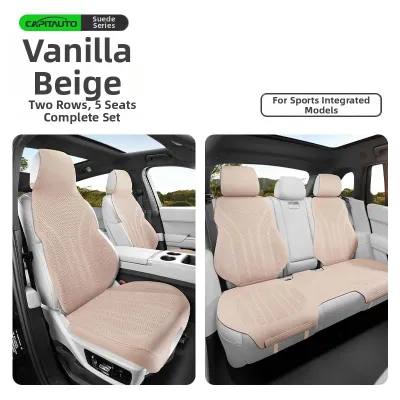
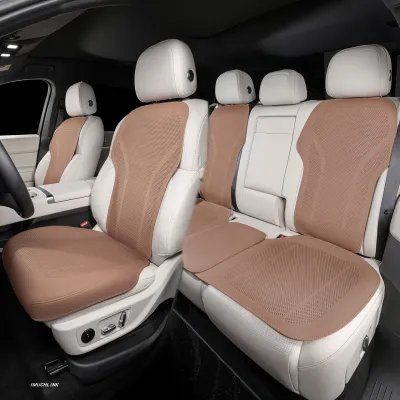
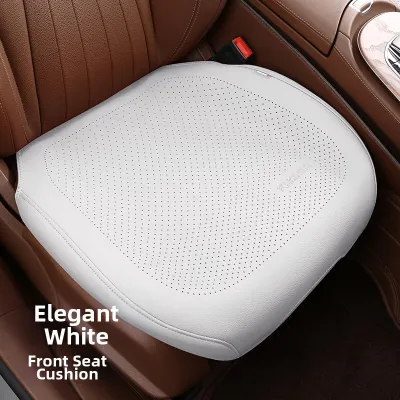
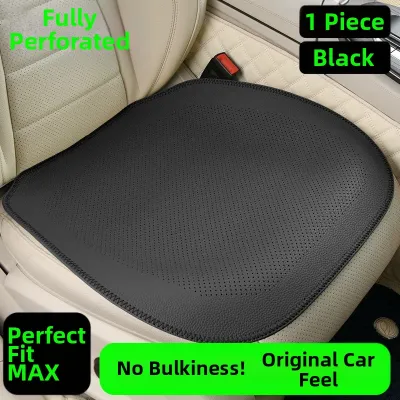
Prices are valid at publication and may change. Please refer to the product page for the latest price.
Fabric covers, typically woven from polyester, nylon, or cotton blends, react differently to thermal exposure. Because woven fibers contain tiny pockets of trapped air, fabric acts as a mild insulator. It does not absorb surface heat as rapidly as leather, meaning it generally feels cooler to the initial touch when you first enter a hot vehicle. However, these same insulating properties mean that once fabric does absorb heat, it can slowly radiate that warmth back toward your body during a drive.
Mesh is engineered specifically for maximum breathability and minimal heat retention. Constructed with an open, porous weave, mesh covers have very little physical mass to absorb or store heat. Air flows freely through the open spaces, preventing the build-up of stagnant, warm air pockets between your body and the seat cushion. This structural design makes mesh highly efficient at dissipating heat rapidly.
Humidity response is another critical differentiator in tropical climates. Leather resists liquid penetration, causing sweat and ambient moisture to pool on the surface rather than soaking into the cushion. Fabric is highly hygroscopic, meaning it readily absorbs moisture from both sweat and the humid air, which can lead to a damp seating surface if the cabin air conditioning is not run consistently. Mesh allows moisture to evaporate quickly because it does not trap humid air against the seat structure.
Daily Comfort and Temperature Regulation
The real-world seating experience begins the moment you open your car door after it has been parked in an open-air carpark. If your vehicle is equipped with a dark-colored car seat leather cover, the surface can become hot enough to cause immediate discomfort upon contact with bare skin. This initial heat barrier requires you to wait for the cabin air conditioning to lower the surface temperature before you can drive comfortably.

Fabric and mesh covers mitigate this initial thermal shock. Mesh, in particular, remains close to the ambient air temperature, allowing you to sit down immediately without discomfort. Fabric also remains relatively cool to the touch, though it may still feel warm if the car has been parked under direct sunlight for several hours.
During long commutes, sweat management becomes a primary comfort factor. On a non-perforated leather surface, perspiration has nowhere to go, often resulting in a sticky, uncomfortable sensation where your back and thighs meet the seat. This lack of ventilation can cause clothes to cling and make even short trips feel unpleasant.
Mesh covers excel in sweat management by maintaining a continuous air gap between your body and the seat. This gap allows your body’s natural cooling mechanism—sweat evaporation—to function efficiently. Fabric covers absorb perspiration, which prevents pooling but can leave the seat feeling damp and clammy during extended drives, especially if the cabin humidity remains high.
Your choice of material also directly influences how quickly your car’s air conditioning system can make you feel cool. Leather acts as a barrier, blocking the cool air from reaching your back and requiring the seat itself to cool down via conduction. Mesh allows the circulating cabin air to reach your body almost instantly, significantly reducing the perceived cooling time.
Long-Term Durability and Maintenance Requirements
Singapore’s persistent high humidity creates a challenging environment for interior automotive materials, making long-term durability and maintenance key considerations. High humidity combined with organic matter, such as sweat and food crumbs, creates an ideal breeding ground for mold, mildew, and unpleasant odors. Fabric covers are the most vulnerable to this issue, as their porous fibers can trap spills, dirt, and moisture deep within the weave, requiring regular deep cleaning to prevent musty smells.
Mesh covers are highly resistant to mold and mildew because they do not retain moisture. However, the open weave can allow dust, crumbs, and small debris to pass through and accumulate on the original seat upholstery underneath. This requires you to periodically remove the mesh covers to vacuum the underlying seats to maintain overall cabin hygiene.
Leather is naturally resistant to liquid spills and does not absorb odors as easily as fabric. Spills can be quickly wiped away before they penetrate the material. However, if leather is neglected in a humid environment, mold can still grow on the surface, particularly if sweat residues are left uncleaned. Regular maintenance with a damp cloth and a label-authorized leather cleaner is necessary to keep the surface hygienic.
Physical degradation patterns also vary across these materials. Over years of exposure to intense UV rays and high cabin temperatures, leather can dry out, leading to cracking, fading, and seam splitting if it is not treated with a dedicated conditioner. Fabric is prone to fading, staining, and gradual thinning or fraying at high-wear areas like the side bolsters.
Mesh covers are generally durable but can suffer from snagging if they come into contact with sharp objects like keys, zippers, or velcro. Over time, lower-quality mesh may also lose its structural tension, leading to sagging and a loose fit. Monitoring these materials for early signs of wear allows you to address issues before they require complete replacement.
Decision Framework: Choosing the Right Car Seat Cover
To determine which material best aligns with your daily routine, evaluate your typical parking situations, maintenance habits, and aesthetic preferences. A car seat leather cover is highly suitable if you primarily park in sheltered or multi-storey carparks, appreciate a classic or premium interior appearance, and want a surface that can be easily wiped clean after spills. It is an excellent choice for families with young children or pet owners who prioritize quick liquid cleanup over maximum breathability.
Fabric covers are a practical choice for drivers seeking a budget-friendly option that avoids the extreme surface temperatures of leather. Fabric is well-suited for those who do not mind performing regular vacuuming and spot-cleaning, and who prefer a softer, more traditional seating texture that remains moderately cool in the sun.
Mesh covers are ideal for drivers who frequently park in open-air lots, experience heavy perspiration, or prioritize maximum airflow and cooling efficiency above all else. If your daily commute involves long hours behind the wheel and you want to prevent sweat build-up without relying on active seat ventilation systems, mesh provides the most effective physical solution.
Before finalizing any purchase, you must perform critical safety and compatibility checks. Never assume a seat cover will fit your vehicle based solely on a generic category description. Verify the exact vehicle model, year, and seat dimensions with the cover manufacturer to ensure a secure, non-slip fit that does not interfere with manual or power seat adjustments.
Most importantly, check the safety compatibility regarding side airbags. Many modern vehicles feature airbags embedded within the outer sides of the front seats. Installing an incompatible seat cover can block or delay airbag deployment during an impact. Ensure the seat cover is explicitly certified by the manufacturer as airbag-compatible, featuring specialized break-away stitching or dedicated side openings. If the installation process requires removing seat bolts or disconnecting electrical harnesses, always consult a qualified professional to ensure all safety systems remain fully operational.
Frequently Asked Questions (FAQ)
Do leather seat covers make the car interior hotter?
Leather seat covers do not increase the overall ambient air temperature inside your car’s cabin, but they do absorb and retain radiant heat from the sun much more effectively than fabric or mesh. This high heat retention makes the seat surfaces feel significantly hotter to the touch, creating the perception of a warmer interior. To mitigate this surface heat, you can use reflective front windshield sunshades when parking outdoors, apply window solar films compliant with local regulations, or use temporary ventilated seat cushions that promote airflow.
Are mesh seat covers safe for cars with side airbags?
Mesh seat covers are safe only if they are specifically designed and certified for use with seat-mounted side airbags. Standard, non-certified covers can obstruct the deployment path of the airbag, presenting a severe safety hazard. When shopping for mesh covers, you must verify that the product documentation explicitly states compatibility with side airbags, often indicated by specialized documentation or break-away seams. Always consult your vehicle owner’s manual and the seat cover manufacturer’s instructions, and seek professional installation if you are unsure about proper fitment.

Community discussion
Share your experience or ask a question. Comments are reviewed before publication.