
Quick Answer: Beads or Ventilated Covers?
To survive the intense heat and humidity of Singapore, finding an effective way to keep your car seats cool is essential. When parking in open-air lots under the tropical sun, cabin temperatures can quickly become unbearable, turning your commute into an uncomfortable, sweaty experience. If you are searching for relief, you have likely narrowed your choices down to aftermarket accessories: passive car seat cooling beads or active ventilated seat covers. Deciding between these two solutions depends on your daily driving patterns, your vehicle’s power availability, and your seat compatibility.
In short, car seat cooling beads offer a passive, zero-power cooling effect that is highly suitable for short trips, quick errands, or drivers who prefer a completely silent cabin without any electrical setup. These products rely on heat-absorbing materials to provide immediate, temporary relief upon contact. On the other hand, active ventilated seat covers utilize built-in electric fans to continuously push or pull air through a breathable mesh layer. This active airflow makes ventilated covers the superior choice for long commutes, heavy traffic congestion on major expressways, or professional drivers who spend hours behind the wheel and require continuous sweat prevention. Neither option is universally superior; instead, each serves a distinct driving scenario and comfort preference.
How Car Seat Cooling Beads and Ventilated Covers Actually Work
Understanding the physical mechanisms behind these two cooling solutions is key to making an informed purchase. While both products aim to lower the temperature of your seating surface, they rely on entirely different thermodynamic principles to achieve this goal.
Products mentioned in this guide
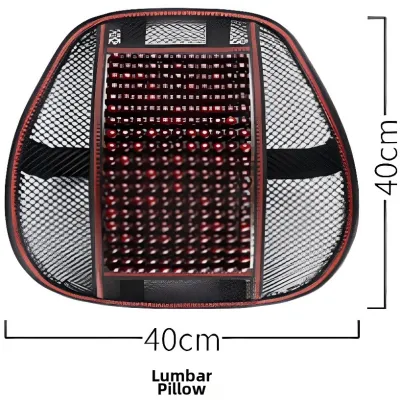


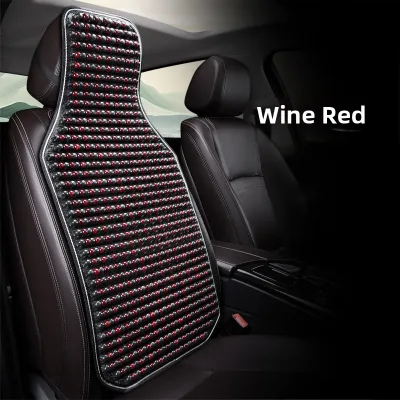
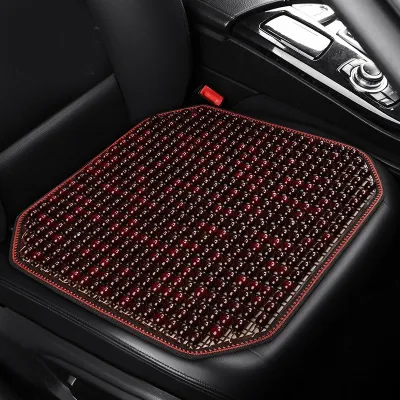
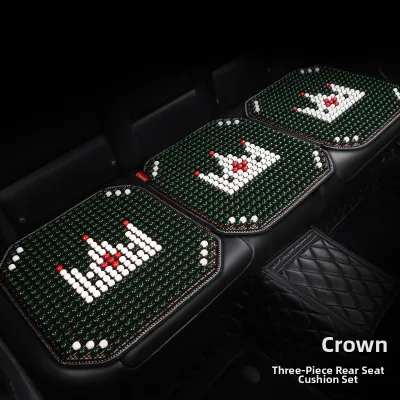
Prices are valid at publication and may change. Please refer to the product page for the latest price.

Modern car seat cooling beads typically utilize advanced gel-based formulations or phase-change materials (PCMs) encapsulated within durable, flexible cells. These materials are engineered to absorb latent heat from your body upon contact. When you first sit down, the beads are at ambient cabin temperature. As your body heat transfers to the beads, the phase-change material absorbs this energy, keeping the surface feeling cool to the touch. However, this is a passive process with a finite thermal capacity. Once the gel or PCM absorbs its maximum limit of heat and reaches thermal equilibrium with your body, the cooling sensation fades. To work effectively again, the beads must be left unoccupied in a cooler environment so they can release the stored heat—a process often referred to as “recharging.”
Conversely, ventilated seat covers operate as active mechanical systems. These covers feature one or more integrated electric fans, usually positioned at the base or lower back of the unit. When connected to a power source, these fans draw air from the vehicle’s cabin and force it through a network of internal air channels, distributing it across a highly breathable, multi-layered mesh fabric. Rather than absorbing your body heat, a ventilated cover relies on forced convection. The continuous movement of air across your back and thighs promotes rapid evaporation of perspiration, which is highly effective at keeping you dry and comfortable in Singapore’s high relative humidity. Because this process is active and continuous, the cooling effect does not fade over time, provided the fans remain powered.
Comparing Comfort, Installation, and Power Needs
To determine which accessory will integrate seamlessly into your daily routine, it is helpful to compare how they perform across practical dimensions such as comfort, installation complexity, electrical requirements, and long-term durability.
Cooling Performance and Comfort
The subjective experience of using car seat cooling beads is characterized by an immediate, refreshing chill. This makes them exceptionally satisfying when you first enter a hot vehicle. However, because this cooling mechanism is passive, the effect is transient. Depending on the ambient cabin temperature and your body heat, the initial cooling sensation typically lasts between twenty to forty-five minutes before the beads match your body temperature. In terms of physical comfort, gel or PCM beads are generally soft and contour reasonably well to your body shape, maintaining much of the seat’s original cushioning feel.
Active ventilated seat covers offer the opposite performance profile. They do not provide an instant, ice-cold sensation when you first sit down; instead, they deliver a steady, adjustable stream of ambient cabin air. This airflow prevents the accumulation of sweat and maintains a consistent, comfortable temperature throughout long journeys, regardless of how many hours you spend driving. However, the physical design of ventilated covers can alter seat ergonomics. To accommodate the internal air channels and fan housings, these covers are often thicker and more rigid than standard seat overlays. Some drivers find that the underlying plastic structures or mesh layers make the seat feel noticeably firmer, which may require a period of physical adjustment.
Installation, Power Requirements, and Compatibility
When it comes to ease of setup, car seat cooling beads are highly convenient. They require no electrical connections and simply drape over the existing car seat. Most designs feature basic elastic straps that slip over the headrest and around the seatback. While this makes installation a matter of seconds, it also means the beads are prone to shifting or sliding when you slide in and out of the cabin, requiring regular manual repositioning.
Ventilated seat covers demand a more involved installation process and a reliable power source. You must secure these covers tightly using a combination of straps, hooks, and chucks to prevent them from slipping, especially since they house moving mechanical parts. Furthermore, they must be plugged into a 12V auxiliary power outlet or a high-output USB port. This requirement introduces the challenge of cable management, as you will need to route the power cord neatly around the center console or seat adjustment rails to prevent it from becoming a hazard. Before purchasing, you must verify that your vehicle’s auxiliary outlet is functioning and can accommodate the accessory’s plug without interfering with other essential devices like dashcams or mobile chargers.
Durability and Maintenance
Long-term upkeep and potential failure points differ significantly between the two products. For car seat cooling beads, maintenance is relatively straightforward. Because they feature a sealed, non-porous outer surface, you can easily wipe them down with a damp cloth and mild soap to remove dust, sweat, or accidental spills. However, their primary failure points are physical. Over time, constant friction, weight distribution shifts, and exposure to intense UV radiation can weaken the seams of the gel cells, leading to potential punctures or gel leakage. If a leak occurs, the product is generally unusable and must be replaced.
Ventilated seat covers require more meticulous cleaning due to their complex, multi-layered mesh construction. Dust, lint, and crumbs can easily become trapped within the mesh pores or settle into the fan intake vents, reducing airflow efficiency over time. Cleaning typically involves regular vacuuming with a brush attachment and careful spot-cleaning of spills. You must avoid saturating the cover with water, as moisture can damage the internal fan motors and electrical wiring. The primary failure points for these covers are mechanical and electrical, including fan motor burnout, loose wiring connections, or a malfunctioning control switch. Always consult the manufacturer’s care label and product documentation for specific cleaning instructions and limitations before attempting any deep maintenance.
Decision Framework: Which Option Fits Your Drive?
Selecting the right cooling accessory requires a realistic assessment of your driving habits, vehicle specifications, and personal comfort preferences. Use this structured framework to guide your decision-making process.
Choose car seat cooling beads if:
- Your typical daily drive consists of short commutes, such as quick trips to the local supermarket, school runs, or short drives under thirty minutes.
- You do not have an available or unoccupied 12V power outlet or USB port in your front cabin, or you prefer not to manage loose electrical cords around your seats.
- You value a completely silent driving environment and find the low hum of electric fan motors distracting.
- You prefer a budget-friendly option that requires zero installation effort and can be easily transferred between different vehicles or stored away when not in use.
Choose active ventilated seat covers if:
- You regularly undertake long-distance drives, endure heavy traffic congestion during peak hours on major expressways, or operate your vehicle commercially.
- You struggle with persistent back sweat and require active, continuous airflow to maintain dryness and comfort throughout the day.
- Your vehicle has an easily accessible, unoccupied power source capable of supporting the electrical requirements of aftermarket fan accessories.
- You do not mind a slightly firmer seating surface and are willing to spend time routing power cables safely and securely around your cabin.
Neither option may be suitable if:
- Your vehicle is equipped with highly advanced factory seats that feature integrated massage functions, custom lumbar support bladders, or original heating and ventilation systems. Adding a thick aftermarket layer can obstruct these features, reduce their effectiveness, or potentially damage the internal mechanisms due to restricted movement and heat retention.
- The physical thickness of the accessory alters your driving posture to an extent that you can no longer comfortably or safely reach the pedals and steering wheel, or if it significantly reduces your headroom.
Verify first before purchasing if:
- Your vehicle features seat-mounted side-impact airbags. This is a critical safety consideration, as many modern cars house airbags within the outer bolsters of the front seats. Installing an aftermarket cover or heavy drape that wraps around these areas can severely delay or completely block the deployment of the airbag during a collision, posing a major safety hazard to occupants.
Safety and Compatibility Checks Before You Buy
Before purchasing either a set of car seat cooling beads or an active ventilated seat cover, you must perform several essential safety and compatibility checks to ensure you do not compromise your vehicle’s safety systems or damage its interior.
First and foremost, consult your vehicle owner’s manual to identify the exact locations of your vehicle’s airbags. If your car is equipped with seat-mounted side airbags, you must ensure that any aftermarket accessory you install does not cover, wrap around, or apply pressure to the airbag deployment seams. Many standard ventilated seat covers feature side straps or full-backing designs that can interfere with these critical safety systems. If the product documentation does not explicitly state that it is compatible with seat-mounted side airbags, or if it lacks certified breakaway seams, do not install it on an airbag-equipped seat.
Secondly, consider the material compatibility of your vehicle’s original upholstery. If your car features delicate, uncoated, or perforated leather seats, placing heavy gel-filled beads or rigid plastic-backed covers directly onto the surface can cause long-term damage. The constant friction of sliding in and out of the seat can scuff or wear down the leather’s protective finish. Furthermore, in Singapore’s humid climate, moisture can easily become trapped between a non-breathable plastic backing and the leather seat, leading to mold growth, discoloration, or premature cracking of the leather. Always check your vehicle manufacturer’s care instructions for leather upholstery and verify with the accessory manufacturer whether their product is safe for use on your specific seat material.
Finally, perform an electrical compatibility check if you decide on a ventilated seat cover. Locate your vehicle’s auxiliary power socket and check its amperage rating, which is typically printed on the socket cover or detailed in the owner’s manual. Compare this rating with the electrical specifications of the ventilated cover. While a single seat cover fan typically draws a modest amount of current, plugging multiple high-draw accessories into a single outlet using cheap multi-port splitters can easily overload the circuit, leading to blown fuses or overheated wiring. If you plan to run dual ventilated covers for both the driver and front passenger, ensure your vehicle’s electrical system can safely handle the combined load, and always use high-quality, fused adapters. If you are unsure about the electrical safety of your setup, consult a qualified automotive technician before connecting the devices.
Frequently Asked Questions (FAQ)
Do cooling beads damage leather car seats?
Car seat cooling beads can potentially damage leather seats if they are used improperly or if moisture becomes trapped beneath them. The weight of the occupant combined with the movement of the vehicle creates friction between the beads and the leather, which can gradually wear away the leather’s protective topcoat, especially on delicate or perforated surfaces. Additionally, in high-humidity environments like Singapore, condensation or sweat can accumulate in the micro-gaps between the beads and the seat backing. If this moisture is not allowed to dry, it can lead to mold formation, leather discoloration, or cracking. To mitigate these risks, always check the bead manufacturer’s label for leather compatibility. If the instructions are unclear, consider placing a thin, highly breathable, non-slip cloth barrier between the beads and your leather seat, and regularly remove the beads to let the upholstery air out.
Can I use a ventilated seat cover on a seat with built-in heating?
Using an aftermarket ventilated seat cover on a car seat equipped with built-in factory heating requires careful consideration and is generally not recommended unless explicitly approved by both the vehicle and accessory manufacturers. Adding a thick, multi-layered mesh cover acts as an insulating barrier, which can trap the heat generated by the factory heating elements. This trapped heat can cause the seat surface to overheat, potentially damaging the upholstery, interfering with sensitive occupancy sensors embedded in the seat, or even causing the heating elements to malfunction. You must never run both the factory seat heating and the aftermarket ventilated cover’s fans simultaneously, as this can cause electrical strain, conflicting thermal demands, or material degradation. Always check your vehicle’s owner’s manual to understand the limitations of your heated seats before adding any aftermarket covers.
Community discussion
Share your experience or ask a question. Comments are reviewed before publication.