
Selecting the right car roof rack requires careful verification of your vehicle’s manufacturer-specified load limits, the physical mounting style of your roof, and the technical specifications of the rack system itself. Choosing an incompatible system or miscalculating weight capacities can lead to severe structural damage to your vehicle’s frame, compromised handling, or road safety hazards. By understanding how these specifications interact, you can safely expand your vehicle’s carrying capacity for road trips, outdoor sports, or daily utility.
Before purchasing any roof rack components, you must establish a clear understanding of how weight limits are calculated and where to find your vehicle’s specific limitations. This preparation ensures that your cargo setup remains secure under all driving conditions.
Understanding Weight Limits: Vehicle Roof vs. Rack Capacity
When evaluating weight capacities, you must distinguish between dynamic and static weight limits. The dynamic weight limit is the maximum load the vehicle’s roof and the rack system can safely support while the vehicle is in motion. This limit accounts for the complex physical forces exerted on the vehicle during acceleration, braking, cornering, and when encountering strong headwinds at highway speeds. Conversely, the static weight limit is the capacity when the vehicle is completely stationary. Static limits are typically much higher and are primarily relevant if you plan to use a rooftop tent, where the vehicle must support the weight of the tent plus its occupants while parked.
Products mentioned in this guide
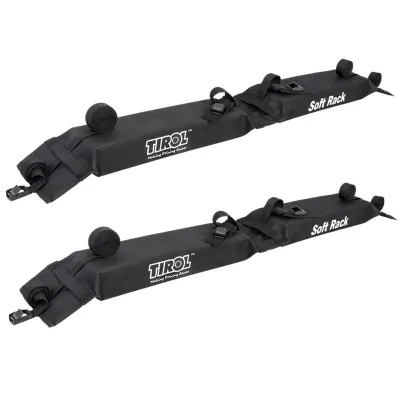
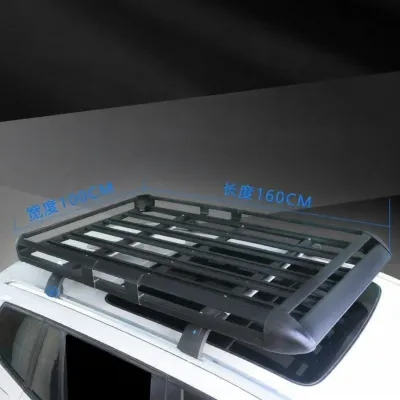
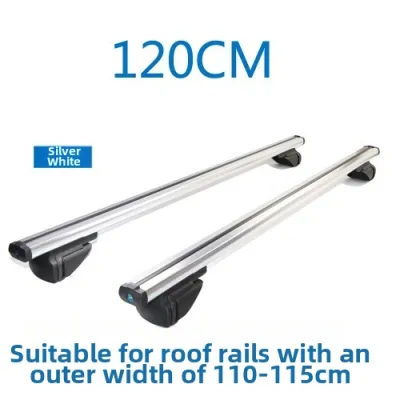
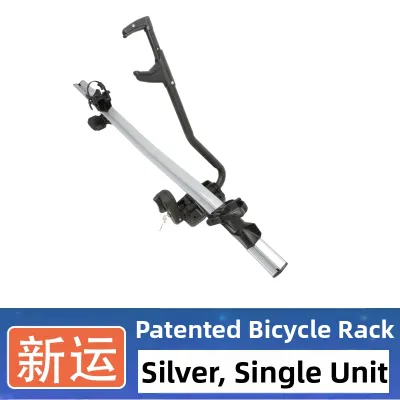
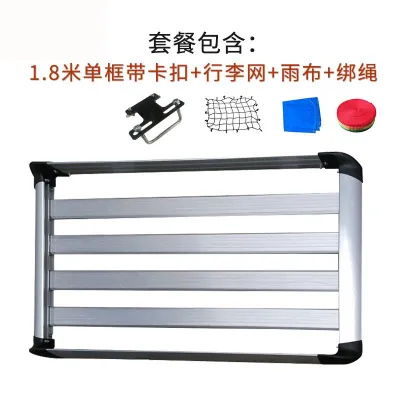
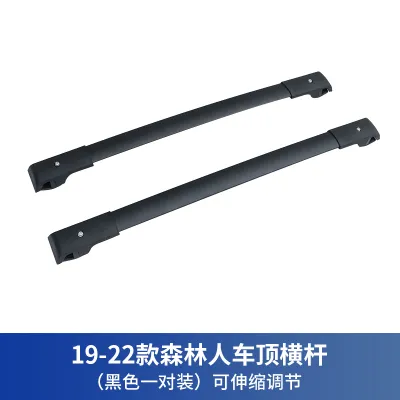
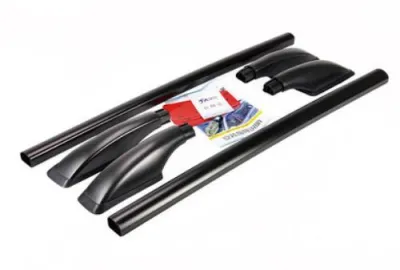
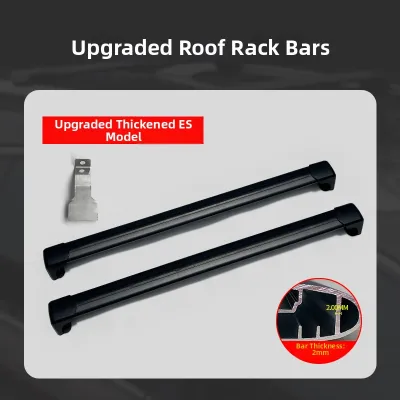
Prices are valid at publication and may change. Please refer to the product page for the latest price.
To find your vehicle’s factory roof load limit, consult your vehicle owner’s manual. This information is usually located in the index under “loading,” “carrying cargo,” “roof luggage rack,” or within the technical specifications section. Never rely on general estimates or assume that a heavy-duty SUV automatically has a high roof capacity; some modern vehicles with panoramic glass roofs or lightweight aluminum pillars have surprisingly low weight limits.
When calculating your maximum safe cargo weight, you must apply the lowest rated component rule. Your roof transport system consists of several parts: the vehicle’s structural roof, the mounting feet or fit kit, the crossbars, and the accessory carrier itself (such as a bike rack or cargo box). The maximum weight you can safely carry is dictated by the weakest link in this chain.
To determine your actual cargo capacity, use the following formula:
Net Cargo Capacity = (Lowest Rated Limit among all components) – (Weight of the Crossbars + Weight of the Mounting Hardware + Weight of the Accessory Carrier)
Exceeding this calculated net capacity can deform your vehicle’s roof pillars, damage door frames, or alter the vehicle’s center of gravity. A high center of gravity significantly increases body roll during cornering and extends your braking distance, creating an immediate safety hazard on the road.
Checking Mounting Types and Crossbar Spacing
Before looking at specific crossbar models, you must identify your vehicle’s specific roof configuration. Roof racks are not universal; they are engineered to attach to specific structural points on a vehicle’s roof.

Most passenger vehicles fall into one of four primary roof categories:
- Bare Roof: A smooth roof surface with no pre-installed rails or tracks. This setup requires a rack system with custom-fit metal clips that secure inside the vehicle's door frames.
- Flush Rails: Low-profile rails that run from the front to the back of the roof with no space between the rail and the roof surface.
- Raised Rails: Elevated rails running front-to-back that sit several centimeters above the roof, leaving a visible gap underneath.
- Fixed Points: Dedicated threaded connection points integrated into the roof ditch, usually hidden beneath small plastic flip-up covers.
Once you have identified your roof type, you must verify the appropriate crossbar length and overhang limits. Crossbars must be wide enough to accommodate your planned accessories, but they should never extend past the outer edges of your vehicle’s side mirrors. Excessive overhang can create severe wind noise, reduce fuel efficiency, and present a safety hazard to pedestrians or cyclists. Many jurisdictions have strict road safety regulations regarding maximum vehicle width, making it essential to check local transport guidelines before installing wide bars.
Finally, verify the required crossbar spread, which is the distance between the front and rear crossbars. While some vehicles with fixed mounting points have a predetermined, non-adjustable spread, vehicles with raised or flush rails allow you to slide the crossbars to adjust the distance. Large cargo boxes, kayaks, and long ladders typically require a wider crossbar spread to prevent the cargo from pivoting or lifting at high speeds. Always cross-reference the minimum and maximum spread requirements specified in your accessory’s instruction manual with your vehicle’s physical mounting limitations.
Building Your Pre-Purchase Compatibility Checklist
To avoid purchasing errors and ensure a safe installation, use this structured step-by-step checklist before finalizing your roof rack purchase:
- Document Vehicle Details: Note your vehicle's exact make, model, model year, body style (such as sedan, hatchback, or wagon), and specific roof type. Manufacturers often modify roof designs during mid-cycle vehicle refreshes, meaning a rack designed for a previous model year may not fit a newer version of the same car.
- Locate the Roof Load Limit: Find the maximum dynamic roof load limit in your vehicle's owner's manual and write it down.
- Identify the Required Fit Kit: Determine if the rack system requires a vehicle-specific fit kit. Premium rack brands use standardized crossbars and feet but require custom-molded rubber pads and metal brackets designed to match the exact contours of your specific vehicle's roofline.
- Calculate Net Cargo Capacity: Subtract the weight of the crossbars, mounting feet, and any planned accessory carriers from the lowest weight limit identified in your system.
- Verify Accessory Mounting Interfaces: Check how your existing or planned accessories attach to the crossbars. Ensure they are compatible with the crossbar profile, whether they use T-track bolts that slide into a top channel or wrap-around clamps that grip the exterior of the bar.
- Check Roof Clearance: Ensure that when the crossbars and accessories are installed, there is sufficient clearance for your sunroof to open fully and for your rear tailgate to open without contacting the back of a cargo box or kayak.
If you are uncertain about any of these measurements or feel uncomfortable performing the physical installation, consult a qualified automotive professional. Proper installation is critical to ensuring that your rack system remains securely attached under highway conditions and sudden braking maneuvers.
Frequently Asked Questions (FAQ)
Can I exceed the rack weight limit if my car's roof limit is higher?
No. You must never exceed the weight limit of any individual component in your roof transport system. If your vehicle’s roof is rated to support a higher load than your crossbars or mounting feet, you must adhere strictly to the lower limit of the rack components. Overloading the crossbars can cause them to bend, crack, or detach entirely from the vehicle while driving, regardless of how strong your vehicle’s structural roof pillars are.
Do I need special crossbars for aerodynamic roof boxes?
Not necessarily, but you must verify the mounting hardware compatibility. Most modern aerodynamic roof boxes feature adjustable, universal clamp systems designed to wrap around square, round, or aerodynamic wing-shaped crossbars. However, some heavy-duty or extra-wide crossbars may be too thick for standard clamps, requiring specialized T-track adapters that slide directly into the top channel of the crossbars. Always check the roof box manufacturer’s specifications for compatible bar dimensions and mounting clearances before purchasing.
Community discussion
Share your experience or ask a question. Comments are reviewed before publication.