
When replacing a lost, rusted, or damaged bolt on your car’s roof rack, a quick trip to the local hardware store might seem like the most convenient and cost-effective solution. However, substituting manufacturer-specified roof rack hardware with generic bolts from a home improvement aisle poses significant safety risks. While a generic bolt may look identical in size and thread to the original, it is rarely engineered to withstand the unique mechanical stresses, environmental conditions, and safety margins required for automotive cargo systems.
Roof racks are subjected to extreme dynamic forces, including high-speed wind resistance, sudden braking, and lateral forces during cornering. Using unverified hardware can lead to catastrophic failure, vehicle damage, or cargo detaching on the road. Understanding the structural differences between specialized automotive fasteners and standard utility bolts is essential for maintaining the safety and integrity of your vehicle’s cargo setup.
The Structural Differences Between OEM and Hardware Store Bolts
Manufacturer-specified original equipment manufacturer (OEM) car roof rack bolts are engineered to strict automotive standards that generic hardware store fasteners rarely meet. The most critical difference lies in the material grade and tensile strength. Automotive fasteners typically use high-tensile metric classes, such as Class 8.8, 10.9, or 12.9, which are stamped clearly on the bolt head. In contrast, standard hardware store bolts are frequently lower-grade utility fasteners, such as Class 4.6, or may feature no strength markings at all, indicating they are not rated for structural or load-bearing applications.
Products mentioned in this guide
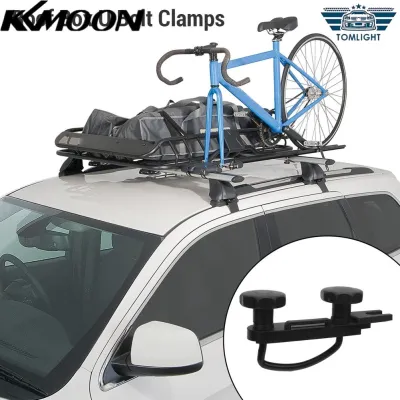
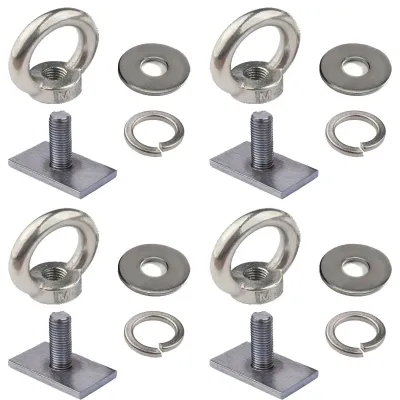
Prices are valid at publication and may change. Please refer to the product page for the latest price.
Thread pitch and manufacturing tolerances also differ significantly between automotive and utility hardware. OEM roof rack bolts are manufactured with precise thread tolerances to match the captive nuts welded inside your vehicle’s roof ditch or mounting points. Generic bolts often have wider manufacturing tolerances and inconsistent thread profiles. Forcing a bolt with a slightly mismatched thread pitch or poor tolerance into your vehicle’s mounting points can easily strip the internal threads, compromising the clamping force and ruining the mounting interface.
Environmental exposure is another area where generic hardware falls short. Roof racks are constantly exposed to harsh weather, intense sunlight, and heavy rain. In humid tropical climates, such as Singapore, corrosion is a major threat to structural integrity. OEM bolts feature specialized corrosion-resistant coatings, such as Dacromet, Geomet, or specific zinc-nickel platings, designed to prevent rust and resist galvanic corrosion when in contact with aluminum roof rails. Generic zinc-plated bolts from a hardware store offer minimal weather protection and can rust rapidly, weakening the fastener over time.
Finally, the head design of OEM bolts is tailored to the specific geometry of the roof rack system. These bolts often feature integrated flange heads, low-profile designs, or specialized security drives (such as Torx or security hex) that distribute clamping force evenly across the mounting bracket and fit within tight recess channels. Standard hex bolts from a hardware store may not seat flat against the bracket, leading to uneven torque distribution, localized stress concentrations, and an inadequate grip on the roof rack assembly.
Safety Risks of Using Generic Bolts on Roof Racks
Using unverified generic bolts on a roof rack introduces several severe safety hazards, starting with the risk of bolt shearing or stretching under dynamic driving loads. A roof box, bicycle rack, or kayak carrier might feel secure when the vehicle is stationary, but driving at highway speeds subjects the assembly to immense aerodynamic lift, drag, and lateral forces. A low-grade generic bolt can undergo plastic deformation (stretching) under these loads, causing the rack to loosen. Under sudden braking or sharp cornering, the shear forces can exceed the bolt’s limits, causing it to snap instantly.

Beyond the failure of the bolt itself, using incorrect hardware can cause permanent damage to your vehicle’s roof mounting points. If a generic bolt has mismatched threads or is made of an excessively hard, brittle material, it can destroy the soft captive nuts inside the roof structure. Repairing these internal threads is a complex and costly process that often requires removing the vehicle’s interior headliner and performing specialized thread restoration or welding, far exceeding the cost of purchasing the correct OEM hardware.
Water ingress is another common consequence of using non-standard hardware. OEM roof rack bolts are designed to work in tandem with specific rubber gaskets, compression washers, or pre-applied thread sealants to keep moisture out of the vehicle’s cabin. Generic bolts lack these integrated sealing features. Without a proper seal, rainwater can seep down the threads and into the roof pillars, leading to damp headliners, mold growth, and potential electrical short circuits in roof-mounted electronics or side-curtain airbag systems.
The most critical hazard of using generic bolts is the potential for complete cargo detachment. If the bolts securing your roof rack fail at high speed, the entire rack and its cargo can fly off the vehicle. This presents an immediate, life-threatening danger to trailing motorists and pedestrians. Such an incident can result in severe multi-vehicle accidents, significant legal liabilities, and the potential voiding of your automotive insurance policy, as insurers may deny claims resulting from the use of unapproved, non-automotive hardware.
How to Identify and Source the Correct Roof Rack Bolts
To ensure the safety of your cargo system, always verify the exact hardware specifications required for your vehicle model, year, and roof rack interface. Start by consulting your vehicle owner’s manual and the roof rack manufacturer’s installation guide. These documents provide the precise thread diameter, pitch, length, and torque specifications required for a safe installation. Never infer compatibility based solely on a generic category term or visual similarity.
When sourcing replacement bolts, learn to read the markings stamped on the bolt head. For metric fasteners, look for strength class numbers like “8.8” or “10.9.” If you are replacing an OEM bolt, try to match these markings exactly. If the original hardware is missing or the specifications are unclear, use a thread pitch gauge and a vernier caliper to measure a remaining bolt, or contact the roof rack manufacturer directly to order an official replacement hardware kit.
If you encounter conflicting specifications, or if the mounting points on your vehicle’s roof show signs of previous damage or cross-threading, do not attempt to force the installation. Stop and seek professional assistance from a certified automotive accessory installer or your vehicle manufacturer’s authorized service center. A professional can inspect the structural integrity of the mounting points and ensure the hardware is installed safely and in compliance with road legality standards.
Inspection and Maintenance of Roof Rack Hardware
Regular inspection and maintenance of your roof rack hardware are essential to ensure long-term safety and prevent unexpected failures. Perform a visual check of all bolts and mounting brackets before any long road trip, and at least once every few months. Look for visible signs of degradation, including surface rust, thread deformation, stretching (indicated by a narrowing of the bolt shank), or rounded bolt heads that could prevent proper tool engagement.
Always use a calibrated torque wrench to tighten roof rack bolts to the exact Newton-meter (Nm) specifications provided by the manufacturer. Tightening bolts “by feel” using standard hand tools is highly inaccurate and often leads to either under-tightening—which allows road vibrations to back the bolts out—or over-tightening, which can stretch the bolt beyond its yield point or strip the vehicle’s internal threads. Re-torque all hardware after the first 50 to 100 kilometers of driving with a new rack or after carrying a heavy load, as the components can settle over time.
Establish clear stop conditions for when hardware must be replaced immediately rather than reused. If a bolt shows any signs of structural rust, if the threads are flattened or nicked, or if a bolt spins continuously without reaching the specified torque, it must be discarded and replaced with a new OEM-equivalent fastener. Never attempt to temporarily secure a loose or damaged roof rack with tape, ropes, or unrated hardware store substitutes.
Frequently Asked Questions (FAQ)
Can I use stainless steel hardware store bolts for my roof rack?
While stainless steel is highly resistant to rust, standard stainless steel bolts (such as Grade 304 or 316, often marked as A2 or A4) generally have lower tensile strength than Class 8.8 or 10.9 carbon steel bolts. Additionally, stainless steel is highly prone to thread galling, a phenomenon where the threads friction-weld themselves together during installation, leading to seized and ruined fasteners. Placing stainless steel in direct contact with aluminum roof rack components in a humid, wet environment can also trigger rapid galvanic corrosion, severely weakening the aluminum brackets over time.
Do I need to use threadlocker on car roof rack bolts?
You should only use threadlocker if it is explicitly recommended in your roof rack manufacturer’s installation manual. Some systems require a medium-strength, removable threadlocker (typically blue) to prevent bolts from backing out due to road vibrations, while others rely on mechanical locking devices like spring washers or nylon-insert lock nuts. Never use a permanent threadlocker (typically red), as removing it requires applying high heat, which can easily damage plastic roof rack components, vehicle paint, and rubber weather seals.
Community discussion
Share your experience or ask a question. Comments are reviewed before publication.