
The fundamental difference lies in their primary function: car polishing is a corrective abrasive process that removes paint defects, waxing applies a temporary sacrificial layer for gloss and short-term hydrophobic effects, and ceramic coating forms a semi-permanent chemical bond for long-term environmental resistance. Choosing the right method depends on your paint’s current condition, your willingness to perform regular maintenance, and your budget for professional preparation. If your paint has visible swirls, polishing is a mandatory first step; if you want low-cost, hands-on upkeep, waxing is ideal; if you prefer long-term chemical resistance and easier washing, a ceramic coating is the appropriate investment.
The Fundamental Differences in Purpose and Function
Car polishing is not a protective measure, but rather a corrective process. When you polish a vehicle, you are use liquid abrasives to micro-shave a microscopic layer of the clear coat. This leveling action removes physical imperfections such as swirl marks, light scratches, and oxidation, restoring a flat, highly reflective surface. Polishing does not leave behind any protective barrier, meaning polished paint remains completely exposed to environmental damage unless a sealant or coating is applied immediately afterward.
Waxing serves as a traditional, non-abrasive method of paint protection. Car waxes, typically formulated from natural carnauba or synthetic polymers, sit directly on top of the clear coat rather than bonding with it. This sacrificial layer fills in minor microscopic pores to create a warm, deep gloss and a hydrophobic surface that causes water to bead. Because wax merely rests on the surface, it gradually wears away from exposure to heat, friction, and washing.
Products mentioned in this guide
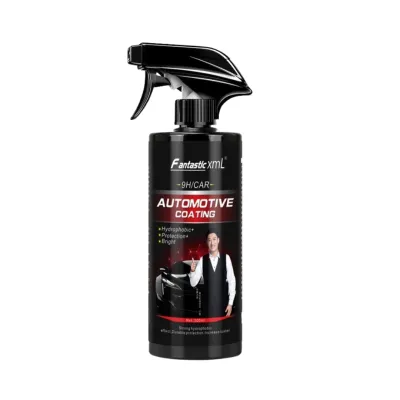
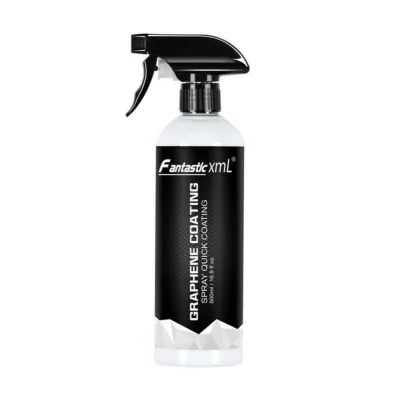
Prices are valid at publication and may change. Please refer to the product page for the latest price.
Ceramic coating represents a more advanced chemical approach to paint preservation. These liquid formulations utilize silicon dioxide (SiO2) or similar compounds that chemically bond with the factory clear coat on a molecular level. Once cured, the coating forms an extremely hard, glass-like barrier that does not wash off. This semi-permanent layer provides a high level of slickness, making it difficult for dirt, grime, and environmental contaminants to adhere to the vehicle.
Comparing Protection, Durability, and Maintenance
The level of protection varies significantly across these three methods, particularly when facing harsh environmental factors. Ceramic coatings offer high resistance to ultraviolet (UV) radiation, chemical etching from bird droppings, and acidic rain, as the cured layer is highly resistant to chemical degradation. Waxes provide moderate protection against light environmental contaminants and UV rays, but they can easily be stripped by harsh detergents or acidic substances. Polishing offers zero protection on its own, as its sole purpose is to prepare and correct the surface.

Durability expectations depend heavily on the product formulation, application quality, and local environmental conditions. In Singapore’s tropical climate, characterized by intense sunlight, high humidity, and sudden heavy downpours, paint protection is put to a severe test. A standard carnauba wax may only last a few weeks to a couple of months before requiring reapplication, especially if the vehicle is parked outdoors. In contrast, a professionally applied ceramic coating can remain effective for several years, provided it is maintained according to the manufacturer’s instructions.
Maintenance routines must be tailored to the specific treatment applied to preserve its longevity. For waxed vehicles, regular washing with a pH-neutral car shampoo and the classic two-bucket method helps prevent premature stripping of the wax layer. Ceramic coatings also benefit from pH-neutral washes, but they require specialized maintenance sprays or silica-infused boosters to rejuvenate the hydrophobic top layer and prevent water spotting. Polished paint that has not been sealed requires immediate protection, as bare clear coat will degrade rapidly under daily driving conditions.
Cost Structures and Application Prerequisites
The financial commitment for paint care ranges from budget-friendly DIY projects to significant professional investments. Applying a liquid or paste wax at home is highly economical, requiring only basic consumer-grade products and microfiber towels. On the other end of the spectrum, a professional multi-stage paint correction followed by a multi-layer ceramic coating can cost a significant amount in Singapore dollars, primarily reflecting the intense labor and expertise required.
Proper surface preparation is a non-negotiable prerequisite for both waxing and ceramic coating. Neither product will adhere or bond correctly to a dirty, contaminated, or oxidized clear coat. Before application, the paint must undergo a thorough wash, clay bar decontamination, and at least a light polishing stage to strip away old waxes and oils. For ceramic coatings, the surface must also be wiped down with an isopropyl alcohol (IPA) solution to ensure a completely bare clear coat, as any remaining residue will prevent the chemical bond and cause the coating to fail prematurely.
The skill level and equipment required also dictate whether a process is suitable for a DIY enthusiast. Waxing is highly forgiving, making it safe for beginners with no specialized tools. Polishing, however, requires a dual-action orbital polisher, specific foam pads, and a careful technique to avoid creating holograms or burning through the clear coat. Applying a ceramic coating demands a controlled environment free of dust and direct sunlight, precise timing during the application and wipe-off phases, and a steady hand to prevent permanent high spots that can only be removed by machine polishing.
Decision Framework: Which Paint Care Method Fits Your Needs?
To determine the best approach for your vehicle, evaluate the current state of your paint and your long-term maintenance preferences.
Choose polishing if your vehicle’s paint exhibits visible swirl marks, light scratches, water spots, or a dull, oxidized appearance. Polishing is the only way to physically correct these defects and restore the paint’s original clarity and gloss. It should always be followed by a protective wax, sealant, or ceramic coating to lock in the corrected finish.
Choose waxing if you prefer a low initial cost, enjoy spending time on hands-on weekend car care, and want a classic, warm gloss. Waxing is ideal for well-maintained or garage-kept vehicles where long-term chemical resistance is less critical, and the owner does not mind reapplying the product every few weeks.
Choose ceramic coating if you want long-term chemical resistance, easier weekly washing, and a long-term solution that eliminates the need for frequent waxing. This is the most suitable option for daily-driven vehicles parked outdoors, provided you are willing to invest the time or money into the necessary professional paint correction and application.
Verify first if your vehicle features a matte paint finish, a vinyl wrap, or paint protection film (PPF). Standard abrasive polishes can permanently ruin a matte finish by making it shiny, and certain solvent-based waxes or coatings may damage vinyl adhesives or void the manufacturer’s warranty on the film. Always consult the material manufacturer’s guidelines and use products specifically formulated for alternative surfaces.
Frequently Asked Questions (FAQ)
Can I apply a ceramic coating directly over car wax?
No, you cannot apply a ceramic coating directly over car wax. Ceramic coatings require a completely bare, chemically clean clear coat to establish a proper molecular bond. If applied over wax, the coating will adhere to the temporary wax layer instead of the paint, causing it to wash off within a few weeks. You must use a dedicated wax-stripping shampoo, an isopropyl alcohol wipe, or perform a light polish to remove all existing wax before applying a ceramic coating.
Does car polishing remove the clear coat?
Yes, car polishing removes a very thin layer of the clear coat, as it relies on micro-abrasives to level the paint surface. While a fine finishing polish removes an almost imperceptible amount, heavy compounding for deep scratches cuts deeper into the clear coat. To prevent thinning the paint excessively or burning through to the primer, it is important to use the least aggressive pad and polish combination that gets the job done, and consult a professional detailing service if you are unsure of your vehicle’s remaining clear coat thickness.

Community discussion
Share your experience or ask a question. Comments are reviewed before publication.