
Every car owner wants to keep their vehicle looking as pristine as the day it rolled out of the showroom. However, navigating the world of automotive detailing can be confusing, especially when deciding between polishing, waxing, and ceramic coating. Many drivers mistakenly treat these terms as interchangeable, but using the wrong product at the wrong stage can lead to disappointing results or even damage your car’s exterior.
To make the right choice, you must first understand that car polish is a corrective treatment designed to repair imperfections, whereas wax and ceramic coatings are protective barriers designed to shield the paint. If you are looking for a highly accessible, budget-friendly gloss boost that you can easily apply yourself, a high-quality product like a 3m car wax is an excellent option. On the other hand, if you want long-term, multi-year durability with superior chemical resistance and are prepared to invest in professional-grade preparation, a ceramic coating is the superior choice. Polish should be reserved strictly for times when your paint has visible defects, such as swirl marks or oxidation, that must be corrected before any protective layer is applied.
The Crucial Difference: Polish Corrects, Wax and Coating Protect
To establish a proper car care routine, you must understand the distinct physical roles that corrective and protective products play. Car polish is an abrasive compound. It does not add a layer of shine or protection; instead, it acts similarly to extremely fine liquid sandpaper. When you apply polish to a vehicle, the micro-abrasives gently level the microscopic top layer of your car’s clear coat. This leveling process removes fine scratches, spiderweb-like swirl marks, haze, and stubborn oxidation, restoring a perfectly flat surface that reflects light evenly. Because polish is designed to strip away imperfections, it also strips away any pre-existing wax or sealant, leaving the clear coat completely bare and vulnerable to the elements.
Products mentioned in this guide
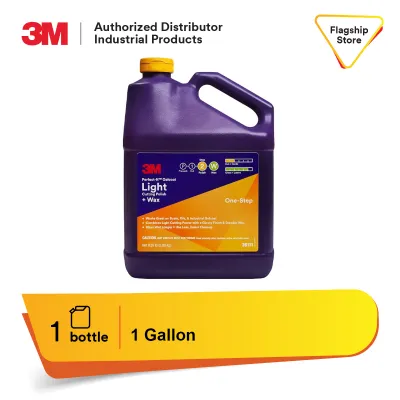
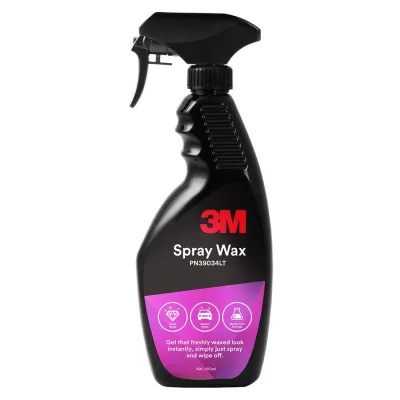
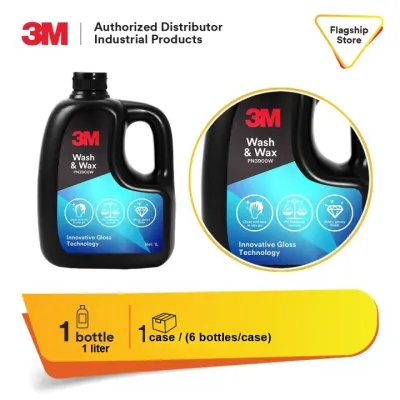
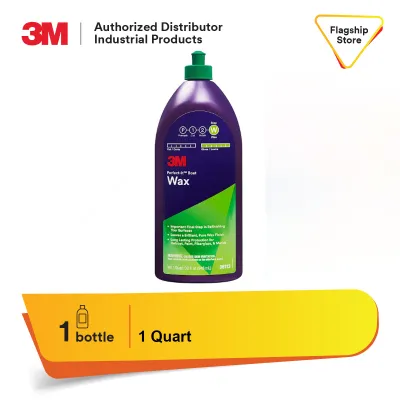
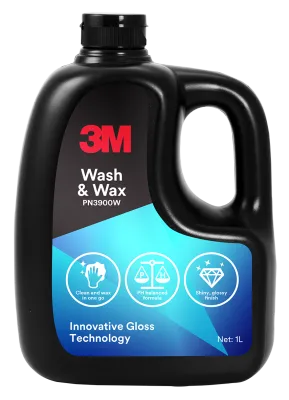
Prices are valid at publication and may change. Please refer to the product page for the latest price.
Because polishing physically removes a microscopic portion of the clear coat, it is an irreversible process. Every vehicle has a finite amount of clear coat from the factory, and aggressive or overly frequent polishing will eventually wear through this protective paint layer, leading to clear coat failure, color fading, and peeling. Before performing any paint correction, you should check your vehicle’s paint thickness with a paint depth gauge or consult a professional detailing studio. This is particularly critical for older vehicles, classic cars, or panels that have been repainted. Always consult your vehicle’s manual and the product label before applying any abrasive compound, as specialized finishes like matte paint or satin wraps can be permanently ruined by traditional polishing.
In contrast to polish, car wax and ceramic coatings are non-abrasive sealants. They are engineered to sit on top of the clear coat, filling in microscopic pores and forming a sacrificial barrier. This barrier takes the brunt of environmental damage, protecting the delicate clear coat underneath. Applying a protective layer without polishing first is safe, but applying a protective layer over damaged or dirty paint will simply seal those visual defects beneath a shiny coat, making them harder to correct later.
Car Wax and 3M Car Wax Options: The Classic, Budget-Friendly Shield
Car wax has been the standard for automotive paint protection for decades, favored for its ease of use and warm, organic glow. Traditional car waxes are broadly categorized into natural waxes and synthetic sealants. Natural waxes are primarily derived from carnauba, a wax harvested from the leaves of a Brazilian palm tree. Carnauba is highly prized by car enthusiasts and show-car owners because it produces a deep, rich, “wet-look” shine that beautifully enhances dark-colored paint. However, natural carnauba has a relatively low melting point and poor chemical resistance, meaning it degrades quickly when exposed to heat and environmental detergents.

Synthetic waxes, often referred to as paint sealants, are formulated from man-made polymers. These products are engineered to provide a brighter, more reflective shine and offer significantly better durability than natural carnauba. Whether you choose a premium natural paste or a trusted synthetic formula like a 3m car wax, the application process remains highly accessible for DIY enthusiasts. Applying these products typically requires nothing more than a foam applicator pad, some patience, and a clean microfiber towel to buff off the residue once it hazes over.
In Singapore’s tropical climate, the performance of car wax faces severe challenges. The combination of intense equatorial UV radiation, high ambient humidity, and frequent, sudden rainstorms accelerates the breakdown of the wax barrier. While a synthetic wax might last up to six months in milder climates, it typically requires reapplication every one to three months in local conditions, especially if the vehicle is parked in open-air lots rather than sheltered HDB multi-storey carparks.
Pros of Car Wax:
- Low upfront cost: High-quality waxes are highly affordable and widely available.
- High DIY friendliness: The application process is incredibly forgiving, and mistakes can be easily buffed out.
- Excellent immediate gloss: Delivers a classic, deep aesthetic appeal that hides minor paint imperfections.
Cons of Car Wax:
- Short lifespan: Requires frequent reapplication to maintain protection, especially in hot, humid climates.
- Low chemical resistance: Easily stripped away by alkaline car wash soaps, road grime, and acidic rain.
- No scratch resistance: Provides no physical protection against wash-induced swirl marks or light abrasions.
Ceramic Coating: The Long-Term, High-Performance Investment
Ceramic coating represents a major technological leap in paint protection, utilizing liquid polymers formulated with silicon dioxide (SiO2) or quartz. Unlike wax, which merely sits on top of the paint surface, a ceramic coating chemically bonds with your vehicle’s factory clear coat on a molecular level. As the liquid cures, it transforms into a semi-permanent, glass-like crystalline layer that is significantly harder and more durable than any traditional wax or synthetic sealant.
This chemical bond yields exceptional hydrophobic properties. The coated surface becomes incredibly slick, causing water to bead up and roll off effortlessly. This water-beading action creates a self-cleaning effect, as rolling water droplets pick up and carry away loose dirt, dust, and road grime. Furthermore, ceramic coatings offer robust protection against Singapore’s harsh environmental hazards. The hard barrier shields the clear coat from intense UV-induced oxidation, industrial fallout, and highly acidic bird droppings or tree sap, which can quickly etch into unprotected paint.
However, the outstanding performance of a ceramic coating comes with strict application requirements. Because the coating forms a semi-permanent bond, any paint defects present on the surface—such as scratches, swirl marks, water spots, or embedded contaminants—will be locked beneath the glass-like layer for years. Consequently, meticulous surface preparation is mandatory. The vehicle must undergo a thorough multi-stage wash, chemical decontamination, clay bar treatment, and professional paint correction (polishing) to ensure the surface is flawless and completely bare. Any remaining polishing oils must be stripped using an isopropyl alcohol (IPA) wipe before the coating is applied.
Applying a ceramic coating also demands precise environmental control. In Singapore’s high-humidity environment, ceramic coatings “flash” (the solvent evaporates, leaving the active ingredients to cure) much faster than normal. If the coating is not buffed off at the exact right moment, it can leave behind unsightly “high spots”—dark, cloudy, or rainbow-colored streaks that can only be removed by machine polishing. For this reason, professional application in a climate-controlled detailing studio is highly recommended.
Pros of Ceramic Coating:
- Multi-year durability: Can last anywhere from two to five years or more with proper maintenance.
- Extreme chemical and UV resistance: Protects against environmental acids, bird droppings, and harsh detergents.
- Superior hydrophobicity: Makes routine washing exceptionally fast and easy, as dirt struggles to cling to the surface.
Cons of Ceramic Coating:
- High upfront cost: Professional application can range from hundreds to thousands of dollars.
- Demanding application process: Requires extensive, labor-intensive paint preparation and precise installation timing.
- Difficult to correct mistakes: Once fully cured, high spots or application errors require abrasive machine polishing to remove.
Head-to-Head Comparison: Wax vs. Ceramic Coating
To help you decide which paint protection method fits your lifestyle and budget, the table below provides a direct comparison of the two actual protection options across key ownership dimensions.
| Feature | Car Wax (e.g., 3M Car Wax) | Ceramic Coating |
|---|---|---|
| Durability | 1 to 3 months (highly climate-dependent) | 2 to 5+ years (semi-permanent bond) |
| Upfront Cost | Low (typically S$15 to S$60 per bottle) | High (S$500 to S$2,000+ for professional service) |
| DIY Friendliness | Very High (simple wipe-on, buff-off process) | Low to Moderate (requires precise prep and timing) |
| Chemical Resistance | Low (easily stripped by alkaline soaps) | High (withstands strong environmental acids) |
| Hydrophobicity | Moderate (degrades quickly over time) | Extreme (long-lasting water-beading effect) |
| Gloss Characteristics | Warm, deep, organic "wet-look" glow | Bright, sharp, highly reflective glass-like shine |
While ceramic coatings are incredibly durable, you must understand that they are not completely maintenance-free. A common misconception is that a coated car never needs to be washed. Over time, road grime, microscopic industrial dust, and mineral deposits from rain will settle on top of the coating, clogging its microscopic pores and reducing its hydrophobic water-beading properties.
To preserve the performance of a ceramic coating, you must wash the vehicle regularly using a pH-neutral car shampoo that contains no added waxes or gloss enhancers, as these additives can interfere with the coating’s properties. Additionally, applying a dedicated ceramic booster spray (typically an SiO2-based quick detailer) every few months will help replenish the hydrophobic top layer. Always check the specific maintenance instructions and warranty terms provided by your coating manufacturer or professional detailing studio, as failure to follow their guidelines can void your protection warranty.
Decision Framework: How to Choose Based on Your Car and Lifestyle
Selecting the right paint protection method depends on your budget, how you use your vehicle, and your willingness to perform regular maintenance. Use the following guidelines to make your final decision.
Choose Car Wax if:
- You enjoy DIY detailing: If you find spending a couple of hours on a weekend morning washing and waxing your car therapeutic, the short lifespan of wax is not a drawback.
- You are on a budget: If you prefer to keep your upfront car care costs low, a bottle of synthetic wax or a trusted 3m car wax offers excellent value.
- Your vehicle is older or has a short COE runway: For older daily drivers or cars with only a few years left on their Certificate of Entitlement (COE) in Singapore, investing in an expensive professional ceramic coating may not make financial sense.
- You prefer a warm glow: If you own a dark-colored vehicle and love a deep, liquid-like paint finish, high-quality carnauba waxes deliver an aesthetic that is hard to match.
Choose Ceramic Coating if:
- You want low-effort maintenance: If you prefer a "wash and go" routine where dirt rinses off easily and you do not want to reapply protection every few weeks, ceramic coating is ideal.
- Your car is parked outdoors: If your vehicle is frequently exposed to the intense Singapore sun, tree sap, and bird droppings in open-air parking lots, the chemical resistance of a coating is essential.
- You own a new or high-value vehicle: Protecting a brand-new car or a premium vehicle with a coating from day one helps preserve the clear coat and maintain the vehicle's resale value.
- You have the budget for professional work: If you are willing to pay for the extensive preparation and paint correction required to achieve a flawless, long-lasting finish.
Use Polish First if:
- Your paint feels rough: If your clean paint feels like sandpaper, it has embedded contaminants that require claying and a light polish to smooth out.
- You see visible defects: Under direct sunlight or bright LED streetlights, if you notice spiderweb-like swirl marks, light scratches, or a dull, hazy finish, polishing is required to restore clarity.
- You are preparing for a ceramic coating: Polishing is a mandatory preparation step to ensure the coating can chemically bond directly to the bare clear coat.
Regardless of the protection method you choose, you must remember that neither car wax nor ceramic coating makes your vehicle completely scratch-proof. Both barriers can still suffer from mechanical marring if poor washing techniques are used. To prevent introducing new swirl marks, always practice safe washing methods. This includes using the two-bucket wash method—one bucket for soapy water and one bucket of clean water with a grit guard to rinse your microfiber wash mitt—and never wiping dry dust off your car with a dry towel. Always refer to the product label of your chosen care product and follow the manufacturer’s instructions to ensure a safe, long-lasting shine.
Frequently Asked Questions (FAQ)
Can I apply ceramic coating directly over car wax?
No, you cannot apply a ceramic coating directly over car wax. Ceramic coatings require a completely clean, bare clear coat to establish a chemical bond on a molecular level. If you apply a coating over a layer of wax, the coating will bond to the temporary wax layer instead of the paint. As the wax naturally degrades and washes off over the following weeks, the ceramic coating will wash away with it, wasting your time and money. Before applying any ceramic coating, you must completely strip away all existing waxes and sealants using a dedicated wax-remover shampoo, an isopropyl alcohol (IPA) wipe, or a corrective polish.
How often should I polish my car's paint?
Because polishing is an abrasive process that physically removes a microscopic layer of your car’s clear coat, it should be done as infrequently as possible. For a daily driver, polishing once or twice a year is generally the safe limit to address accumulated swirl marks and light oxidation. Over-polishing will prematurely thin the clear coat, leaving your paint vulnerable to fading and peeling. For regular maintenance between polishing sessions, focus on safe washing techniques to prevent scratches, and use non-abrasive products like glazes, pure waxes, or ceramic boosters to enhance gloss without removing paint.
Does car wax protect against bird droppings and tree sap?
Car wax provides a temporary, sacrificial barrier that offers a very basic level of protection, but it has poor resistance to highly acidic or sticky substances. Acidic bird droppings and organic tree sap can quickly dissolve a thin layer of wax and begin etching into your clear coat within a matter of hours, especially when baked under the hot Singapore sun. While wax buys you a small window of safety, it will not prevent damage if these contaminants are left on the paint. Regardless of whether your car is waxed or ceramic coated, you should always clean off bird droppings and tree sap as quickly as possible using a damp microfiber cloth and a quick detailer spray.
Community discussion
Share your experience or ask a question. Comments are reviewed before publication.