
Choosing how to protect your vehicle’s paintwork can be a confusing process with so many options on the market. There is no single best protection method for every vehicle; the right choice depends on your car’s current paint condition, your budget, and how much maintenance effort you prefer to invest. It is important to understand that car polish is a corrective step rather than a protective layer, while car wax offers a temporary sacrificial barrier, and ceramic coating provides a long-term chemical bond. By understanding how these methods differ, you can build a condition-based protection strategy that keeps your vehicle looking its best in Singapore’s demanding tropical climate.
Understanding the Core Differences: Polish, Wax, and Ceramic Coating
To make an informed decision, you must first clear up a common misconception: polishing and waxing are not the same thing, and neither is a direct substitute for a ceramic coating. Each of these treatments serves a distinct purpose in the car care cycle, and using them in the wrong order or for the wrong reason can lead to disappointing results or even paint damage.
Car polish is an abrasive corrective compound designed to level the clear coat of your vehicle’s paint. It does not add a layer of protection; instead, it removes a microscopic layer of the clear coat to eliminate fine scratches, swirl marks, oxidation, and water spots. Polishing restores the paint’s clarity and gloss by making the surface completely flat, which allows light to reflect evenly. Because polishing leaves the paint bare and exposed, you must always follow it with a protective sealant, wax, or coating.
Products mentioned in this guide
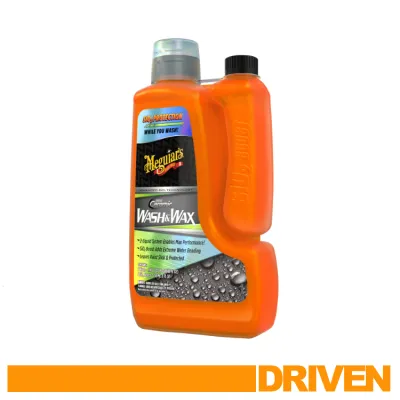
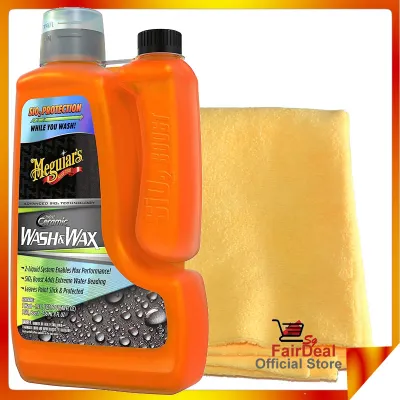
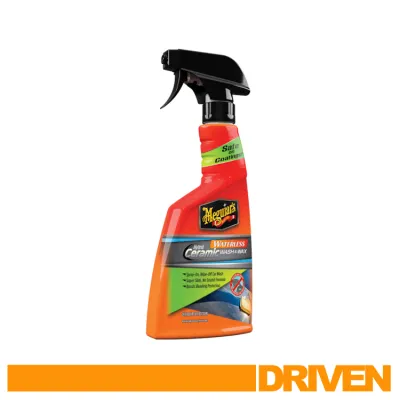
![[DIAMOND WASH DETAIL WORK] MEGUIAR’S WASH & WAX](https://img.lazcdn.com/g/p/2a73d49d2b99969cf1bb1c7c72ba49f8.jpg_400x400q80.jpg_.webp)
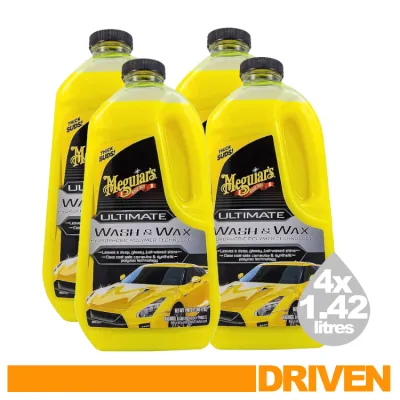
Prices are valid at publication and may change. Please refer to the product page for the latest price.
Car wax, whether derived from natural carnauba palm or formulated from synthetic polymers, acts as a temporary sacrificial barrier. It sits on top of the paint surface, filling in microscopic pores and imperfections to create a smooth, hydrophobic layer. This layer helps shed water and prevents light environmental contaminants from bonding directly to the clear coat. Because wax does not form a chemical bond with the paint, it gradually wears away over time due to heat, friction, and washing.
Ceramic coating represents a more advanced level of paint protection, utilizing silicon dioxide (SiO2) or silicon carbide (SiC) formulations. Unlike wax, a ceramic coating chemically bonds with the vehicle’s factory clear coat at a microscopic level, curing into a semi-permanent, glass-like barrier. This chemical bond makes the coating highly resistant to environmental acids, UV rays, and heat, providing a durable shield that cannot be easily washed off.
Comparing Protection Levels, Durability, and Maintenance Needs
When evaluating these methods, you must consider how well they protect against environmental threats, how long they last, and what kind of ongoing maintenance they require. Singapore’s intense UV radiation, high humidity, and frequent rain storms create a challenging environment for automotive paint, making regular protection essential.

In terms of protection levels, ceramic coatings offer the highest resistance to environmental hazards. They provide robust defense against chemical stains from bird droppings, tree sap, and acid rain, which can quickly etch into bare paint or eat through a layer of wax. While car wax provides basic protection against these contaminants, its low melting point means it can degrade rapidly when parked under direct sunlight. Neither method will prevent deep physical scratches or stone chips, but ceramic coatings offer a minor degree of resistance against very fine wash-induced marring.
Durability expectations vary significantly between these options, and you should always check the manufacturer’s specifications for realistic lifespans. A high-quality natural carnauba wax may only last four to six weeks, while synthetic polymer sealants can remain effective for three to six months under favorable conditions. In contrast, a properly applied ceramic coating can last anywhere from one to five years, depending on the specific product tier and environmental exposure. Vehicles parked in sheltered multi-storey car parks will naturally see longer-lasting protection than those left exposed to the elements daily.
Maintenance routines also differ based on the protection method you choose. A waxed vehicle requires regular reapplication every few months to maintain its gloss and water-beading properties. A ceramic-coated vehicle does not need frequent reapplication, but it does require careful hand-washing using pH-neutral shampoos to prevent the coating’s microscopic pores from becoming clogged with road film. To sustain the hydrophobic performance of a ceramic coating over time, manufacturers often recommend applying a dedicated ceramic booster or topper every few months.
Evaluating Cost Variables and Application Complexity
The choice between these paint protection methods involves balancing your budget against the complexity of the application process. While some products are highly DIY-friendly, others require professional expertise and specialized equipment to achieve the desired results.
Applying car wax is a straightforward, forgiving process that is safe for DIY enthusiasts of all experience levels. If you apply too much wax or let it dry for too long, the mistake is easily corrected with a quick detailer spray or a clean microfiber towel. Ceramic coatings, however, are much more complex to apply. High-solids professional coatings require precise application and timing; if left on the paint too long before buffing, they can cure into uneven “high spots” that look like dark, cloudy smudges. Removing cured high spots typically requires machine polishing, which is why professional-grade coatings often require certified installers to preserve the product warranty.
Cost factors in Singapore are heavily influenced by vehicle size, the initial condition of the paint, and the product tier you select. A bottle of quality DIY wax or polish generally costs between S$20 and S$60, representing a highly economical option for hands-on owners. Professional detailing services, however, carry a higher price tag. A professional ceramic coating service can range from several hundred to over a thousand Singapore dollars (S$). This cost is primarily driven by the extensive labor required for multi-stage paint correction, which is necessary to ensure the coating bonds perfectly to a flawless surface.
To assess the true value of each option, consider the relative cost-per-year over your expected vehicle ownership cycle. For an owner planning to keep their car for the full ten-year Certificate of Entitlement (COE) period, the high upfront cost of a professional ceramic coating can be highly cost-effective when compared to the cumulative cost and effort of professional waxing sessions every two months. Conversely, if you enjoy detailing your car on weekends, a DIY wax routine offers excellent value and personal satisfaction without a large initial financial commitment.
Essential Preparation: The Role of a Quality Car Wash
Regardless of the protection method you choose, the final result depends entirely on the quality of your surface preparation. Applying a wax or ceramic coating over a dirty or contaminated surface will trap imperfections underneath and cause the protective layer to fail prematurely.
The preparation process must begin with a thorough wash using a dedicated automotive shampoo. Using a reputable formula, such as Meguiar’s car wash shampoo, helps safely lift and encapsulate dirt, road grime, and abrasive particles without scratching the clear coat. Avoid using household dishwashing liquids, as their high alkalinity can strip away existing paint conditioners and dry out rubber seals around your windows and doors.
Once the vehicle is clean, you must perform mechanical and chemical decontamination to remove embedded particles that regular washing cannot touch. This involves applying an iron remover to dissolve metallic brake dust, followed by using a detailing clay bar with a dedicated lubricant. The clay bar gently pulls out bonded contaminants like industrial fallout, tree sap, and overspray, leaving the paint surface perfectly smooth to the touch.
Skipping these preparation steps introduces significant risks. If you apply a ceramic sealant or wax over trapped oils, road film, or old wax residues, the new product will not be able to form a proper bond with the clear coat. This leads to poor durability, reduced water-beading performance, and can lock in existing paint defects, making them highly visible under the new protective layer.
Decision Framework: Which Method Is Right for Your Vehicle?
To select the right paint protection strategy, evaluate your vehicle’s current paint condition, your budget, and your long-term maintenance preferences.
Choose Polish if your vehicle’s paint exhibits visible swirl marks, light scratches, water spot etching, or a dull, oxidized appearance. Polish is a corrective tool, not a protective one, so you must always follow it with a wax or ceramic coating to seal the newly corrected clear coat.
Choose Wax if you are working with a limited budget, prefer a straightforward DIY application process, and enjoy the hands-on routine of detailing your vehicle every few months. Wax is also a safer choice for older vehicles with thin clear coats where aggressive machine polishing is too risky.
Choose Ceramic Coating if you want the highest level of environmental protection, long-term durability, and easier routine washing, and you are willing to invest the upfront cost. It is the ideal choice for new vehicles or cars that have just undergone professional paint correction.
Before purchasing any product or booking a detailing service, verify the compatibility with your vehicle’s specific surfaces. If your car has a matte paint finish, a specialized factory clear coat, or is wrapped in Paint Protection Film (PPF), traditional polishes and certain waxes can ruin the finish by adding unwanted gloss or staining the film. Always check the manufacturer’s instructions to ensure the product is labeled safe for matte finishes or PPF.
Frequently Asked Questions (FAQ)
Can I apply wax over a ceramic coating?
While you can physically apply wax over a ceramic coating, it is generally not recommended. Traditional waxes do not bond well to the highly hydrophobic surface of a ceramic coating and can easily slide off. Furthermore, applying a standard wax will cover up the advanced self-cleaning and water-beading properties of the ceramic coating with the inferior performance characteristics of the wax. If you want to add an extra layer of slickness or protection to a ceramic coating, use a dedicated ceramic maintenance spray or topper formulated specifically for SiO2 surfaces.
Does car polish remove deep scratches?
Car polish is designed to remove fine swirl marks, light oxidation, and shallow clear coat scratches by gently abrading the surrounding clear coat to level the surface. However, if a scratch has penetrated through the clear coat and into the base paint or primer—which you can often feel if your fingernail catches in the groove—polishing will not remove it. Attempting to polish out a deep scratch can wear through the clear coat entirely, requiring professional paint repair or respraying.

Community discussion
Share your experience or ask a question. Comments are reviewed before publication.