
Navigating the busy expressways and complex urban grid of Singapore requires reliable, real-time guidance. Drivers must constantly choose between dedicated in-car navigation systems and smartphone-based navigation apps. While both options aim to get you to your destination efficiently, they differ significantly in hardware reliability, signal stability, long-term costs, and overall driving safety.
A dedicated car navigation system offers a permanent, integrated solution designed specifically for the automotive environment. In contrast, smartphone navigation leverages the rapid processing power and constant connectivity of modern mobile devices. Deciding which system to invest in requires evaluating how each technology performs under local driving conditions, including high-density housing estates, underground tunnels, and intense tropical heat.
Hardware, Display, and Dashboard Integration
The physical environment inside a vehicle cabin demands robust hardware. Singapore’s tropical climate brings intense sunlight and high cabin temperatures, especially when a vehicle is parked outdoors. Smartphones mounted on the windshield or dashboard are highly susceptible to solar heat gain, which can trigger thermal protection protocols, dimming the screen or shutting the device down entirely during a journey.
Products mentioned in this guide
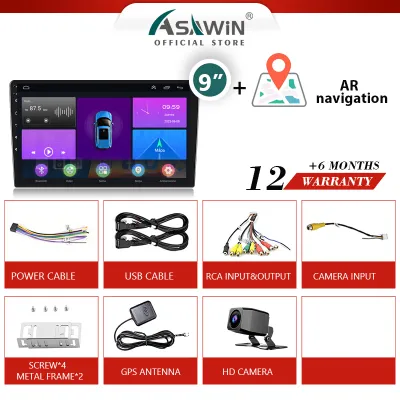
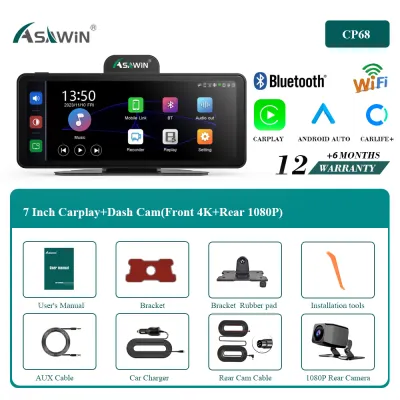

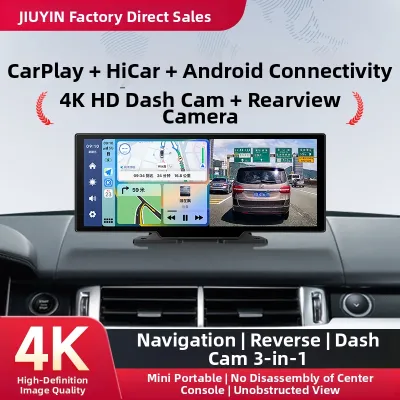

Prices are valid at publication and may change. Please refer to the product page for the latest price.
Dedicated car navigation systems are engineered to meet strict automotive standards, allowing them to operate reliably across extreme temperature ranges. Their screens typically feature specialized anti-glare coatings and high-contrast backlighting designed to remain legible under direct, harsh daylight. This ensures that map details remain visible without forcing the driver to squint or adjust the unit mid-drive.
Dashboard integration and cable management also set these two options apart. A dedicated head unit is securely bolted into the vehicle’s dashboard console, providing a clean, factory-finished appearance with all wiring hidden safely behind the panels. Smartphone setups, conversely, rely on aftermarket mounts—such as suction cups, air vent clips, or magnetic holders—which can degrade over time due to heat, potentially causing the phone to fall while the vehicle is in motion.
Power delivery is another critical factor for long-distance driving or prolonged commutes. Dedicated systems draw power directly from the vehicle’s main electrical harness, turning on and off automatically with the ignition. Running a smartphone as a continuous navigation device causes rapid battery depletion due to the simultaneous demands of GPS tracking, screen backlighting, and cellular data processing. Keeping the phone plugged into a charger while it is already hot from GPS usage further accelerates battery degradation over time.
Routing Accuracy and Live Traffic Capabilities
Accurate positioning is essential when navigating Singapore’s dense high-rise areas and extensive underground road networks, such as the Central Expressway (CTE) and the Marina Coastal Expressway (MCE). In these environments, satellite signals can bounce off concrete structures or be blocked entirely, leading to positioning errors.

Many dedicated in-car navigation systems utilize external GPS antennas positioned on the roof or dashboard, which offer a clearer line of sight to satellites than a phone placed inside the cabin. Some premium built-in systems also employ dead reckoning technology, which interfaces with the vehicle’s wheel speed sensors and gyroscopes to estimate your position and maintain continuous routing even when GPS signals are completely lost inside long tunnels.
Smartphone navigation apps rely heavily on continuous cellular network connections to stream map data and calculate real-time traffic conditions. While this allows them to offer highly responsive rerouting around sudden traffic jams on major expressways, it also makes them vulnerable to cellular dead zones. If your mobile data connection drops in an underground parking structure or a deep tunnel, the app may fail to recalculate your route if you miss a turn.
Offline map availability serves as an important safeguard against connectivity issues. Dedicated systems store their entire map database locally on internal solid-state memory or an SD card, ensuring that routing functions remain fully operational regardless of network status. While smartphone users can manually pre-download offline map regions, doing so requires proactive planning and consumes valuable storage space on the mobile device. Furthermore, updating maps on a dedicated system often requires a manual process via USB or a dealership visit, whereas smartphone apps update their map databases seamlessly in the background over Wi-Fi.
Upfront Costs, Subscriptions, and Long-Term Value
Evaluating the financial commitment of each navigation method requires looking beyond the initial purchase price to consider long-term operating costs and hardware lifespans. A dedicated car navigation system represents a significant upfront investment, particularly if you choose an aftermarket head unit that requires professional installation to integrate with your vehicle’s existing wiring, steering wheel controls, and reversing cameras.
Smartphone navigation, by comparison, carries almost no immediate upfront cost for drivers who already own a modern smartphone. The primary expenses are indirect, consisting of mobile data usage, potential premium app subscriptions, and the cost of high-quality dashboard mounts. However, the intense processing and thermal stress of running navigation apps daily can shorten your smartphone’s overall lifespan, potentially accelerating your personal device upgrade cycle.
Hardware longevity and system compatibility also play a major role in long-term value. A dedicated in-car system is built to last for many years, matching the typical ownership cycle of the vehicle. However, as mobile operating systems and digital services evolve, older dedicated hardware may eventually become obsolete or lose compatibility with newer online features. Smartphones receive frequent operating system updates, ensuring that your navigation software always has access to the latest features, interface designs, and security patches.
Driving Safety, Ergonomics, and Distraction Risks
Operating any electronic device while driving carries inherent safety risks and legal implications. Under Singapore’s Road Traffic Act, holding a mobile communication device while the vehicle is in motion is a serious offense. Therefore, the physical ergonomics and control interfaces of your chosen navigation system are critical to maintaining focus on the road.
Dedicated navigation systems are designed to minimize driver distraction by integrating directly with the vehicle’s factory controls. Drivers can often adjust volume, accept route changes, or mute voice guidance using buttons located directly on the steering wheel. Furthermore, the audio prompts from a built-in system are routed directly through the vehicle’s sound system, automatically lowering the volume of the radio or media player to ensure instructions are heard clearly.
Smartphone setups require careful placement to ensure the screen sits within the driver’s natural line of sight without blocking the view through the windshield. Interacting with a touch-sensitive phone screen while driving is physically demanding and cognitively distracting, as mobile interfaces often feature smaller touch targets than dedicated automotive screens. While voice control assistants help mitigate these risks on both platforms, dedicated systems often benefit from physical shortcut buttons on the dashboard that can be operated by feel alone.
Before undertaking any installation or modification of your vehicle’s dashboard electronics, always consult your vehicle’s owner manual. Improper wiring of an aftermarket head unit can interfere with critical vehicle systems, including safety sensors and airbag deployment zones. For any complex electrical work or dashboard disassembly, seeking the services of a qualified automotive technician is highly recommended to ensure compliance with safety standards.
Decision Framework: Choosing Your Navigation Electronics
Selecting the ideal navigation setup depends on your vehicle’s age, your daily driving habits, and your personal preferences regarding technology integration.
A dedicated car navigation system is the preferred choice if you prioritize a clean, permanent dashboard installation, value reliable offline routing through tunnels and high-rise areas, and want to protect your smartphone from the thermal stress of daily windshield mounting. This solution is particularly suited for high-mileage drivers who require a dependable, distraction-free tool that functions automatically every time the engine starts.
A smartphone-based navigation setup is highly suitable if you prefer a cost-effective solution with zero installation hassle, demand instant real-time traffic updates, and appreciate the flexibility of using the same navigation tool across multiple vehicles. This approach works best for drivers who already have a reliable mobile data plan and are comfortable managing phone mounts and charging cables.
Before making a final decision, verify your vehicle’s dashboard dimensions, head unit compatibility, and wiring harness requirements. If you choose a smartphone setup, ensure your mounting hardware is securely installed in a position that complies fully with local traffic safety regulations regarding driver visibility.
Frequently Asked Questions (FAQ)
Can I use phone navigation apps without an active cellular data plan?
Yes, you can use smartphone navigation without an active cellular data plan by downloading offline maps of Singapore and surrounding regions while connected to Wi-Fi. These downloaded maps allow the app to calculate routes and provide turn-by-turn voice guidance using only the phone’s internal GPS receiver. However, without an active data connection, you will not receive real-time traffic updates, automatic rerouting around accidents, or live search results for points of interest.
Do built-in car navigation systems require paid map updates?
Whether built-in systems require paid updates depends entirely on the vehicle manufacturer’s specific policies. Some brands offer complimentary map updates for a set period, such as three to five years from the vehicle’s purchase date, after which updates must be purchased. To update the maps, you typically need to download the latest files from the manufacturer’s portal onto a USB drive or SD card, or visit an authorized service center to have the update installed.
What are the legal rules for mounting phone screens on windshields in Singapore?
In Singapore, any mounted electronic device must be positioned so that it does not obstruct the driver’s clear view of the road or surrounding traffic. The Traffic Police and Land Transport Authority advise mounting devices low on the dashboard or in the extreme corners of the windshield to maintain an unobstructed field of vision. Additionally, drivers are legally prohibited from holding or physically operating a mobile device while the vehicle is in motion, meaning all route adjustments should be made before starting the journey.
Community discussion
Share your experience or ask a question. Comments are reviewed before publication.