
Keeping bags, groceries, and daily essentials secure while driving is a constant challenge for car owners. Loose items can easily slide off passenger seats, spill onto the floorboards, or roll under the pedals, creating a direct safety hazard during sudden stops. A car hook hanger offers a practical, space-saving solution to keep your belongings organized, upright, and within arm’s reach. However, finding the right option involves more than simply picking the first hook you see on an online marketplace. To ensure a secure fit that does not damage your vehicle’s interior or compromise passenger safety, you must evaluate your specific cabin layout, the weight of your typical cargo, and the structural integrity of different mounting styles. By matching the right hook design to your vehicle’s unique specifications, you can transform your daily commute or grocery run into a seamless, clutter-free experience.
How to Evaluate Car Hook Hangers for Your Needs
Before purchasing any interior accessory, it is essential to define your primary use cases and the types of loads you expect to carry. If your daily routine involves picking up heavy grocery bags from the local supermarket or wet market, you will require a robust hook system capable of handling substantial weight without bending. Conversely, if you only need a place to hang a light handbag, a pair of sunglasses, or a wet umbrella, a smaller, more discreet hook may suffice. Takeaway food containers, which are highly prone to tipping and spilling sauces, also benefit from specialized hooks that keep them perfectly upright during transit.
An effective evaluation process relies on a simple decision matrix consisting of three core pillars: the mounting mechanism, the manufacturer-stated weight limit, and the overall material durability. You must assess how the hook attaches to your vehicle and whether that attachment point can support your intended cargo. A hook is only as strong as the surface it is mounted on, meaning a high-capacity metal hook is of little use if it is attached to a fragile plastic trim piece. Additionally, the durability of the material determines how well the hook will withstand daily wear, UV exposure, and physical stress over several years of use.
Products mentioned in this guide
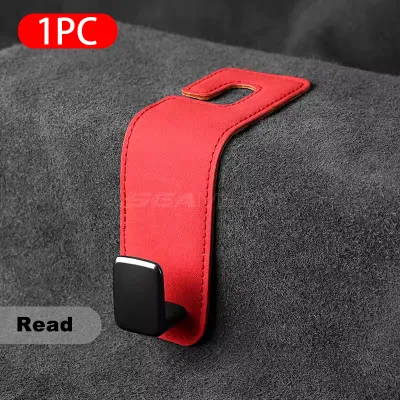
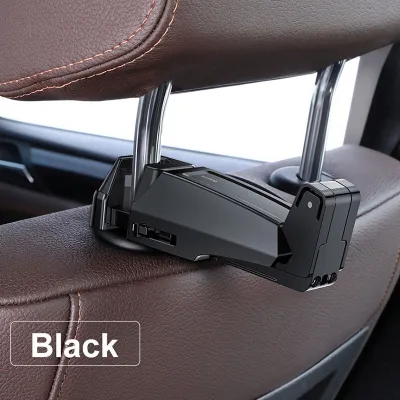
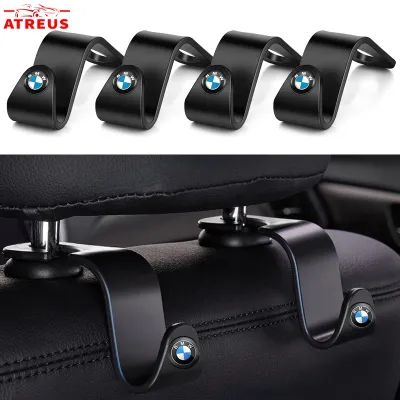
Prices are valid at publication and may change. Please refer to the product page for the latest price.
Vehicle-specific interior layouts play a critical role in determining compatibility. Headrest posts vary significantly in diameter, spacing, and cross-sectional shape across different car makes and models. Some modern vehicles feature integrated, single-piece sports seats that lack exposed headrest posts entirely, rendering standard headrest hooks unusable. Similarly, dashboard textures range from ultra-smooth plastics to highly textured leather or soft-touch vinyl, which directly impacts the adhesion of stick-on hooks. You must physically inspect your vehicle’s cabin and measure clearances before selecting a hook style.
Aligning your budget expectations with material quality is crucial for long-term satisfaction and safety. In the local market, basic plastic hooks are widely available on online marketplaces for as little as S$2 to S$8 per pack. While these budget-friendly options are suitable for light duties, they often lack protective padding and may degrade quickly under high cabin temperatures. Premium hooks constructed from high-grade aluminum, stainless steel, or those wrapped in stitched leather typically range from S$12 to S$35. Investing in these higher-quality options ensures better load stability, prevents scratches on your car’s upholstery, and reduces the risk of sudden material failure while driving.
Matching Mounting Styles to Your Car Interior
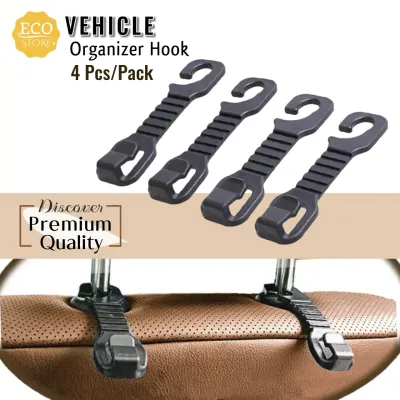
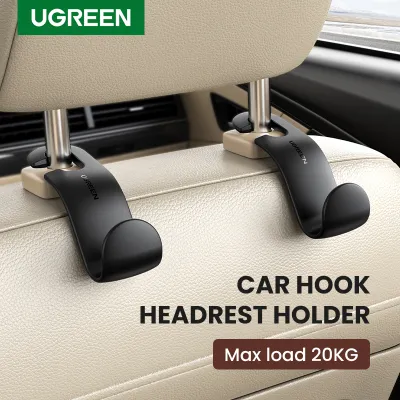
Headrest post hooks are among the most popular and versatile options available, attaching directly to the metal rods that support your front seat headrests. When evaluating these hooks, you must check if your headrests are fully removable or if the posts are fixed. Some hooks feature an open-loop design that clips around the post without requiring headrest removal, while others require you to slide the headrest completely out to thread the hook onto the post. It is vital to note that vehicles equipped with active headrest safety systems—which automatically deploy forward in a rear-end collision to prevent whiplash—should not be fitted with rigid, aftermarket post hooks unless specifically approved by the vehicle manufacturer, as they can interfere with the safety mechanism.

Adhesive dashboard or panel hooks offer a semi-permanent mounting solution for the front cabin, making them ideal for holding charging cables, keys, or small trash bags. Successful installation depends heavily on meticulous surface preparation, as any lingering dust, dashboard polish, or natural oils will prevent the adhesive from bonding correctly. These hooks perform best on flat, smooth, non-porous plastic surfaces. Applying adhesive hooks to textured leather, synthetic leather, or soft-touch vinyl dashboards is highly discouraged, as the uneven surface reduces contact area, and the strong adhesive backing can permanently tear, discolor, or peel the delicate material upon removal.
Seat gap or console clips are designed to slide into the narrow spaces between your center console and the front seats, or clip directly onto the side of the passenger footwell. While highly convenient for keeping personal bags within the driver’s reach, you must carefully verify that these clips do not interfere with essential vehicle controls. Ensure the hook and any hanging cargo do not obstruct the movement of manual seat adjustment levers, power seat switches, or the electronic parking brake switch. Furthermore, you must confirm that the placement of the hook does not block the deployment path of side-impact seat airbags or knee airbags located beneath the dashboard.
Visor or door panel clips utilize mechanical tension to grip onto the sun visor or the edge of the interior door pocket. Visor clips are excellent for lightweight items like sunglasses or parking cards, but they must never be overloaded, as excess weight can damage the internal visor hinge or cause the visor to sag, obstructing your forward sightline. Door panel clips provide a low-profile storage option for umbrellas or shopping bags, but you must ensure the hanging items do not interfere with your ability to operate the door handles, window switches, or side mirror controls. Always verify that the hook does not protrude outward where it could catch on passengers’ clothing when entering or exiting the vehicle.
Checking Weight Limits, Materials, and Safety Boundaries
When reading product specifications, it is critical to distinguish between static weight limits and dynamic real-world loads. A manufacturer may label a hook as capable of holding up to 10 kg, but this rating is typically calculated under static laboratory conditions. In a moving vehicle, forces such as sudden braking, sharp cornering, and driving over speed bumps or uneven road surfaces multiply the effective weight of your hanging cargo. A 5 kg bag of groceries can easily exert double that force on a hook during an emergency stop. To prevent sudden failure, it is best practice to limit your actual cargo weight to roughly half of the manufacturer’s stated static limit.
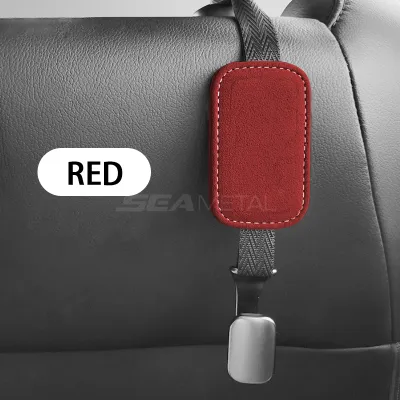
Material composition directly influences a hook’s load capacity, flexibility, and safety profile. Rigid plastics, such as ABS, are lightweight and affordable but can become brittle over time when exposed to UV radiation and heat, leading to sudden snapping under load. Metal hooks, constructed from aluminum or stainless steel, offer superior structural strength and longevity but can easily scratch leather seats or plastic trim if they lack protective coatings. To mitigate this risk, look for hooks that feature silicone padding, rubberized linings, or stitched leather covers. These soft contact points provide excellent grip to prevent the hook from sliding while shielding your vehicle’s interior from unsightly scratches and gouges.
Establishing strict safety boundaries is paramount when installing any aftermarket accessory inside a vehicle cabin. Under no circumstances should a car hook hanger be mounted within, or directly adjacent to, any airbag deployment zone. This includes the steering wheel hub, the passenger-side dashboard, the A-pillars, the sides of the front seats, and the lower knee bolster areas. In the event of an accident, a deploying airbag expands with immense force; any hook or hanging object in its path can be launched into the cabin as a dangerous projectile, causing severe injury to occupants. Additionally, ensure no hooks are placed where a falling bag could slide into the driver’s footwell and obstruct the brake or accelerator pedals.
Regular inspection of your car hooks is necessary to identify early warning signs of material failure before a costly spill or accident occurs. For plastic hooks, look closely for stress whitening, hairline cracks, or visible bending under light loads. For adhesive hooks, check for any lifting at the edges of the tape, sticky residue seeping from the sides, or a gradual downward tilting of the hook body. If you observe any of these warning signs, or if the hook begins to creak or slip during normal use, discontinue use immediately and replace the accessory to maintain a safe cabin environment.
Installing and Using Hooks Without Damaging Your Car
To achieve a secure installation while preserving your vehicle’s interior, always perform a series of pre-installation checks. Begin by thoroughly reading your vehicle owner’s manual to identify any specific warnings regarding aftermarket accessories, seat covers, or headrest modifications. If you are installing an adhesive hook, clean the target surface using a mild, automotive-safe interior cleaner or a diluted isopropyl alcohol solution, ensuring the formula is safe for your specific trim material. Allow the surface to dry completely before application. For headrest hooks, adjust the headrest height to ensure the hook sits flush against the seatback, preventing unnecessary leverage and movement.
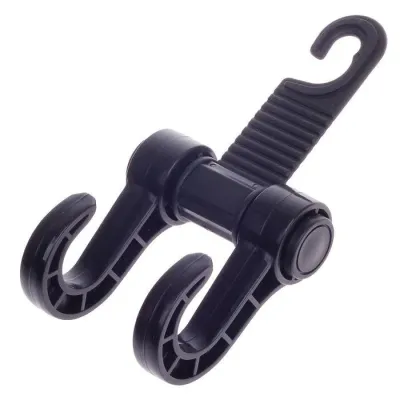
Proper loading techniques are essential for maintaining vehicle stability and preventing damage to your seats. When hanging grocery bags or heavy items, try to distribute the weight evenly across multiple hooks rather than overloading a single point. Position the hanging bags so that they rest gently against the back of the seat or the floorboard, which helps absorb lateral movement and prevents the bags from swinging wildly during turns. Swinging cargo can distract the driver, create annoying rattling noises, and put excessive dynamic stress on both the hook and the seat structure.
When the time comes to remove or replace your car hooks, taking a cautious approach will prevent permanent damage to your cabin surfaces. Mechanical headrest hooks can typically be slid off or unclipped easily, though you should check for any temporary indentations in the leather or fabric, which can often be massaged out gently by hand. For adhesive hooks, never attempt to pry them off forcefully with sharp tools, as this can gouge plastic panels or tear leather. Instead, use a hair dryer on a low, controlled heat setting to gently warm and soften the adhesive backing, then slowly peel the hook away. If stubborn residue remains, use a dedicated, surface-safe adhesive remover, testing it first on an inconspicuous area, or consult a professional automotive detailer.
Knowing when to discontinue the use of a car hook hanger is vital for passenger safety and vehicle preservation. If you notice any unusual creaking noises from your seat frame when a bag is hung, it may indicate that the headrest posts are experiencing excessive leverage. Visible deformation of plastic trim panels, persistent slipping of the hook under lightweight loads, or a sticky, degrading adhesive backing are clear indicators that the hook has reached the end of its functional lifespan. Promptly removing compromised hooks ensures that your car’s interior remains pristine and your driving environment stays completely safe.
Frequently Asked Questions (FAQ)
Can car hook hangers damage leather seats or dashboard surfaces?
Yes, certain types of car hook hangers can damage delicate interior surfaces if not selected and used carefully. Rigid plastic or bare metal headrest hooks can rub against leather seatbacks, causing scuffs, scratches, or permanent indentation marks over time due to the constant vibration of the vehicle. Adhesive hooks pose a significant risk to dashboards, particularly those wrapped in genuine or synthetic leather, as the strong chemical adhesives can bond permanently to the topcoat and tear or discolor the material upon removal. To protect your interior, choose hooks equipped with soft silicone backing, rubberized protective sleeves, or premium leather wrapping, and avoid hanging excessively heavy loads that press the hook hard against the seat upholstery.
Are adhesive hooks safe for long-term use in hot climates?
Adhesive hooks are generally less reliable for long-term use in hot climates, such as the tropical weather experienced in Singapore, where cabin temperatures can easily exceed 60 degrees Celsius when parked outdoors. Extreme heat and direct sunlight cause standard acrylic or foam adhesives to soften, lose their bonding strength, and slide down the dashboard, often leaving behind a sticky, difficult-to-clean residue. Furthermore, prolonged heat exposure can accelerate the degradation of plastic hooks, making them brittle and prone to snapping. For vehicles frequently parked in unsheltered areas, mechanical mounting styles, such as headrest post hooks or console clips, are highly recommended as they do not rely on chemical adhesives and remain structurally stable regardless of cabin temperature.
Community discussion
Share your experience or ask a question. Comments are reviewed before publication.