
Choosing between a car half cover and a full cover depends on your daily driving habits, where you park, and how much effort you want to put into protecting your vehicle. If you drive your car every day and park in a semi-sheltered spot, a half cover offers quick, targeted protection for your cabin and upper panels. If you leave your vehicle parked outdoors for long periods or want complete protection against dust, rain, and debris, a full cover is the more appropriate choice despite the extra handling time.
To make the right decision, you must weigh the convenience of daily application against the level of environmental shielding your vehicle actually requires. A cover that is too difficult to put on will end up sitting in your boot, while a cover that provides insufficient protection will leave your paint vulnerable to damage.
Assess Your Parking Environment and Daily Routine
Your daily routine and the specific spot where you park your vehicle are the most critical factors in choosing the right cover. In Singapore, parking setups vary widely, ranging from fully exposed open-air surface car parks to sheltered multi-story HDB blocks and underground condominium bays. Each of these environments presents distinct challenges to your car’s exterior paintwork and interior cabin temperature.
Products mentioned in this guide
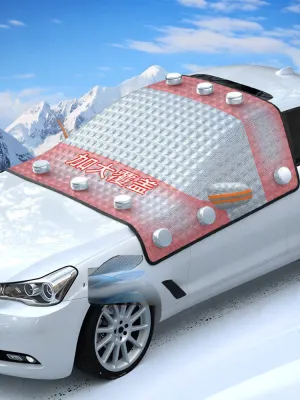
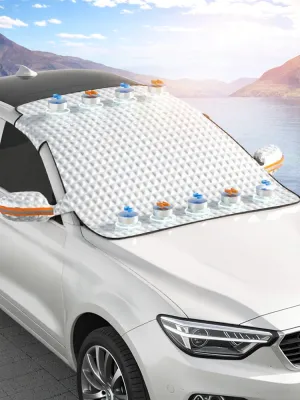
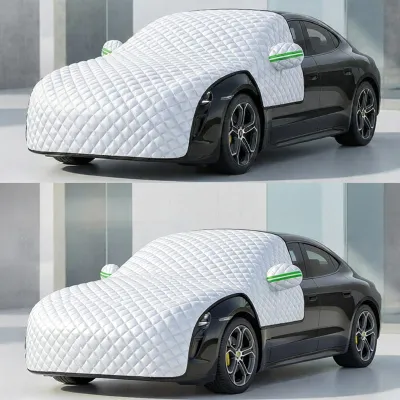
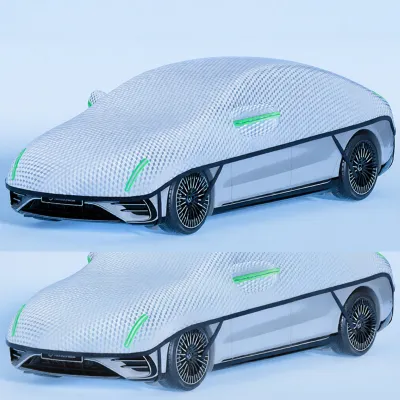
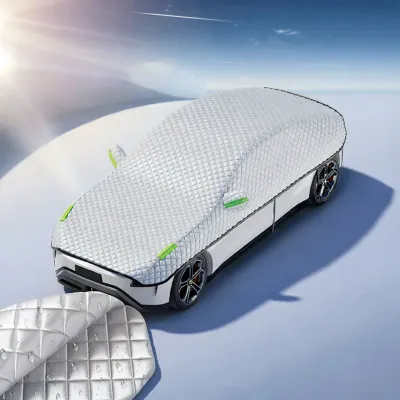
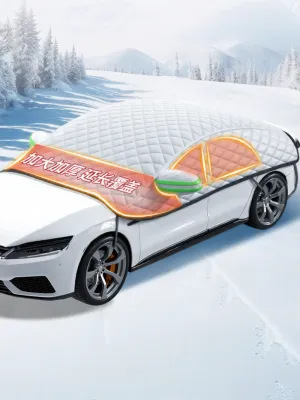


Prices are valid at publication and may change. Please refer to the product page for the latest price.
If you park in an open-air car park, your vehicle faces constant exposure to intense ultraviolet rays, sudden tropical downpours, bird droppings, and falling leaves. Under direct sunlight, cabin temperatures can rise rapidly, causing dashboard materials to degrade over time. In these exposed settings, a cover acts as a vital shield, but the frequency of your driving determines how practical that shield remains.
For daily drivers who commute every morning and evening, the time required to install and remove a cover is a major consideration. If a cover takes ten minutes of folding, securing, and adjusting every time you use your vehicle, you are highly likely to stop using it altogether. A daily routine demands a solution that can be deployed or packed away in under two minutes without physical strain.
Conversely, if your vehicle is a weekend car or remains parked for several days at a time, deployment speed becomes secondary to maximum protection. Vehicles left stationary under trees are highly vulnerable to acidic bird droppings and sticky tree sap, both of which can etch into the clear coat within hours. Understanding these specific environmental threats in your designated parking space allows you to select a cover that targets your primary pain points.
Understanding Car Half Covers: Coverage and Limitations
A car half cover, often referred to as a top cover or cabin cover, is designed to shield the upper portion of your vehicle. This typically includes the windscreen, side windows, rear glass, roof, and the upper sections of the bonnet and boot. By focusing on these areas, the half cover addresses the zones most vulnerable to solar heat gain and overhead debris.

The primary advantage of a half cover is its exceptional ease of use. Because it is lightweight and compact, a single person can easily drape it over the roof and secure it to the door mirrors, door handles, or wheel arches in less than a minute. This rapid deployment makes it highly practical for daily commuters who want to keep their cabin cool and protect their dashboard from UV damage during the workday.
Storage is another significant benefit of the half cover design. When folded, it occupies minimal space, allowing you to store it easily in the boot or even behind a seat without sacrificing valuable luggage capacity. Additionally, because the cover does not touch the lower body panels, there is a much lower risk of dragging road grime and dirt across your paintwork during installation.
However, half covers have clear limitations that you must consider before purchasing. They leave the entire lower half of the vehicle exposed, including the front bumper, lower doors, rear bumper, wheels, and headlights. This means your vehicle remains vulnerable to road splash during heavy rain, dust kicked up by passing traffic, and side-impact scratches from pedestrians or adjacent car doors.
Understanding Full Car Covers: Comprehensive Protection and Trade-offs
A full car cover offers complete, bumper-to-bumper protection for your vehicle, wrapping around the entire bodywork down to the wheels. This comprehensive barrier shields every painted surface, plastic trim piece, headlight lens, and glass panel from external elements. For vehicles parked outdoors long-term, a high-quality full cover provides the ultimate defense against environmental degradation.
By fully enclosing the vehicle, this type of cover prevents dust, dirt, and industrial fallout from settling on the paintwork. It also offers superior protection against heavy rain, preventing water spots from forming on the horizontal panels and keeping acidic bird droppings from making direct contact with any part of the body. For classic cars, rare models, or vehicles undergoing restoration, a full cover is indispensable.
Despite these protective benefits, full covers come with significant practical trade-offs that can impact your daily routine. Installing a full cover requires navigating the entire perimeter of the vehicle, pulling the material over the front and rear bumpers, and securing multiple straps underneath the chassis. This process can be physically demanding and time-consuming, especially in windy conditions or during sudden rainstorms.
Furthermore, full covers carry a higher risk of causing minor paint damage if used incorrectly. If you apply a full cover to a dirty car, the wind can cause the fabric to rub against the paintwork, trapping abrasive dust particles and creating fine swirl marks or micro-scratches in the clear coat. To avoid this, you must ensure both the vehicle and the inner lining of the cover are completely clean before application, which adds an extra step to your routine.
Decision Matrix: Matching Your Needs to the Right Cover Type
To help you decide which option fits your lifestyle, consider how your parking location and driving frequency align with the characteristics of each cover type. The following matrix outlines the recommended choice for common scenarios:
| Parking Scenario | Driving Frequency | Primary Threat | Recommended Cover Type |
|---|---|---|---|
| Open-air surface car park | Daily use | Intense sun, bird droppings | Half Cover |
| Open-air surface car park | Weekend or occasional use | Heavy rain, tree sap, dust | Full Cover |
| Sheltered HDB multi-story | Daily use | Light dust, adjacent car doors | No cover or Half Cover |
| Sheltered HDB multi-story | Long-term storage | Accumulating dust, minor scratches | Full Cover |
| Under tree canopy | Daily or occasional use | Tree sap, bird droppings, leaves | Full Cover |
A half cover is generally sufficient if your main goal is to keep your cabin cool during hot afternoons and protect your windscreen from daily debris. It is the ideal choice for drivers who value convenience and need a quick solution that fits seamlessly into a busy commuting schedule.
A full cover is necessary when your vehicle is exposed to harsh outdoor elements for extended periods without moving. If you park near construction sites where concrete dust is prevalent, or if you must park under trees that drop sap and leaves, the complete physical barrier of a full cover is required to prevent permanent paint damage.
Essential Features to Check Before Buying Any Car Cover
When shopping for either a half cover or a full cover, verifying the material specifications and design features is crucial to ensure the product protects your vehicle rather than damaging it. The most important material characteristic to check is breathability. In Singapore’s highly humid climate, non-breathable covers can trap rising moisture and condensation underneath the fabric, leading to water spots, paint blistering, and mold growth inside the cabin.
Look for covers constructed with multiple layers, featuring a water-resistant outer barrier that sheds rain and a highly breathable middle layer that allows trapped moisture to escape. The innermost layer must feature a soft, non-abrasive lining, such as brushed cotton or soft microfiber, to prevent scratching the delicate clear coat of your paintwork when the cover shifts in the wind.
Wind resistance is another critical design feature to evaluate before making a purchase. Ensure the cover includes heavy-duty tie-down straps, elasticized hems at the front and rear, or secure buckle systems that attach directly to the wheels or chassis. Without secure fastening points, strong winds can easily lift the cover, potentially scratching your vehicle or blowing the cover away entirely.
Finally, always verify the exact vehicle compatibility by checking the manufacturer’s sizing guides against your car’s make, model, and year. Generic “small, medium, large” sizing often results in a loose fit that flaps in the wind or a tight fit that strains the seams and blocks safety sensors. A properly fitted cover should accommodate your side mirrors, clear your parking sensors, and sit snugly against the body contours without excess slack.
Frequently Asked Questions (FAQ)
Is it safe to put a car cover on a wet or dirty car?
No, it is not safe to put a car cover on a wet or dirty vehicle. Applying a cover over dirt, dust, or road grime traps abrasive particles between the fabric and your paintwork, and any movement from the wind will rub these particles against the clear coat, causing fine scratches and swirl marks.
Trapping moisture under a cover is equally damaging, as it can lead to stubborn water spots, paint clouding, and mold growth in the humid climate. Always wash and thoroughly dry your vehicle before applying any cover, and ensure the cover itself is completely dry before installation.
How do I clean and maintain my car cover?
To clean your car cover, follow the specific care instructions on the manufacturer’s label. For most covers, the safest method is to install the cover on your clean vehicle and gently hand-wash the exterior using a soft sponge, cool water, and a mild, pH-neutral car shampoo. Avoid using harsh household detergents or bleach, as these can strip the water-resistant coatings.
Rinse the cover thoroughly with clean water to remove all soap residue, and allow it to air-dry completely while still on the vehicle. Never put a car cover in a household clothes dryer, as the high heat can melt or damage the synthetic waterproof layers and elastic hems. Once dry, fold the cover carefully and store it in its designated storage bag to keep it free from dust and pests.
Community discussion
Share your experience or ask a question. Comments are reviewed before publication.