
The choice between a dedicated car GPS and a smartphone secured by a bracket holder comes down to a trade-off between standalone hardware reliability and dynamic, ecosystem-integrated convenience. For daily driving in Singapore, where traffic patterns shift rapidly and Electronic Road Pricing (ERP) gantries or road works require constant routing adjustments, the decision depends heavily on your vehicle’s existing infotainment capabilities, your mobile data limits, and your tolerance for mounting hardware. While a dedicated GPS offers a distraction-free, thermally stable screen, a smartphone with a quality bracket holder provides real-time, community-sourced traffic updates and seamless integration with your personal apps. Evaluating how each system handles heat, power, and daily setup friction will guide you to the right setup for your commute.
Setup Convenience and Daily Usability
Getting into your car on a warm afternoon requires a routine that is as frictionless as possible. A dedicated car GPS unit excels in “plug-and-play” convenience; once installed, it is permanently mounted and typically powers on automatically when you start the ignition. There is no need to retrieve a device from your pocket, secure it physically, or connect cables before you can set off on your route.
In contrast, using a smartphone for navigation introduces a multi-step process before every drive. You must place the phone into the bracket holder, ensure it is securely gripped, and plug in a charging cable if you are embarking on a longer journey. For drivers who make frequent stops throughout the day, this repetitive mounting and unmounting can become tedious. To mitigate this friction, choosing a bracket holder with a quick-release mechanism—such as a magnetic mount or a one-touch auto-clamping system—is essential for smooth daily usability.
Products mentioned in this guide
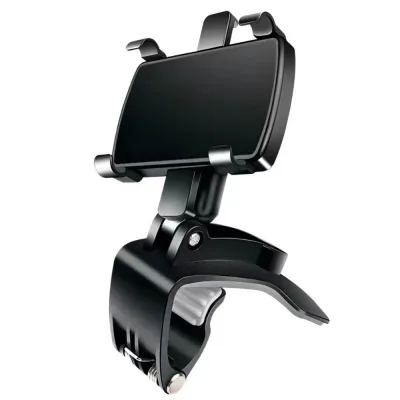
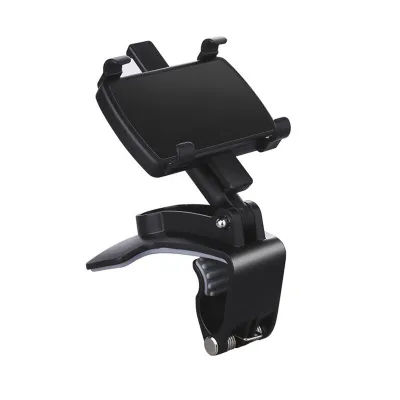
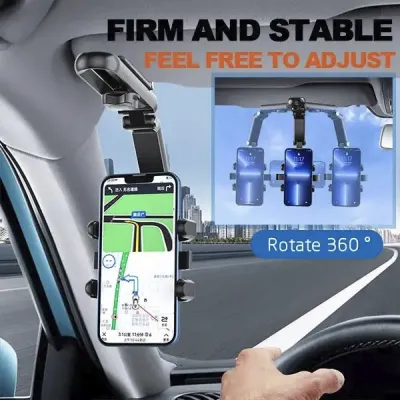
Prices are valid at publication and may change. Please refer to the product page for the latest price.
However, the smartphone holds a significant advantage when it comes to ecosystem integration. A phone seamlessly syncs with your contacts, calendar events, and music streaming services. If you receive an address via a messaging app, you can launch navigation with a single tap. A standalone GPS unit operates in isolation; searching for destinations often requires manual typing on a dedicated interface, which lacks the fluid search capabilities and predictive text of modern smartphone operating systems.
Screen Visibility and Bracket Holder Stability
Singapore’s intense tropical sunlight and high cabin temperatures present unique challenges for screen readability and mounting hardware. Dedicated car GPS displays are engineered specifically for automotive environments, often featuring matte, anti-glare screens that remain highly visible even under direct sunlight. Smartphones, while boasting vibrant displays, typically use glossy glass screens that are prone to reflections, which can make reading map details difficult during bright midday drives.

The physical stability of your navigation setup depends entirely on the quality and type of your mounting hardware. Bracket holders generally fall into three categories: suction cups, air vent clips, and dashboard adhesive mounts. Suction cups offer flexible placement on the windshield but can lose adhesion over time due to heat exposure. Air vent clips keep the phone closer to your line of sight and out of direct sunlight, but they require sturdy vent blades and can block airflow. Dashboard adhesive mounts provide a clean look but require a flat, non-porous surface to bond securely.
Thermal management is another critical differentiator. Running a smartphone’s GPS receiver, screen, and cellular radio simultaneously generates substantial internal heat. When mounted on the windshield or dashboard under direct sunlight, a smartphone can quickly reach its thermal limits, causing it to dim the screen automatically or shut down entirely to protect the battery. Dedicated GPS units are built with robust thermal dissipation and lack sensitive lithium-ion batteries, allowing them to operate continuously in high-temperature environments without thermal throttling.
Routing Accuracy and Real-Time Traffic Updates
Navigating Singapore’s dense road network requires highly responsive routing that accounts for sudden traffic build-ups, road closures, and active ERP gantries. Smartphone navigation apps rely on continuous cellular data connections to deliver real-time traffic updates and community-sourced road alerts. This allows the app to calculate alternative routes dynamically, helping you bypass unexpected bottlenecks during peak hours.
Dedicated car GPS units rely primarily on satellite signals (GPS or GLONASS) to determine your location, which provides highly accurate positioning even in areas with poor cellular reception, such as deep underground carparks or tunnels. However, their ability to provide real-time traffic updates is often limited. While some premium models feature built-in cellular receivers or digital traffic alerts, many entry-level and mid-range units require a Bluetooth connection to your smartphone to pull live traffic data, which can consume your phone’s battery and data plan anyway.
Before choosing a dedicated GPS, drivers must verify the manufacturer’s map update policy. Some brands offer lifetime map updates via Wi-Fi, while others require manual downloads via a computer or charge recurring fees for updated map files. Smartphone apps, on the other hand, update their maps automatically in the background at no extra cost, ensuring you always have access to the latest road layouts and speed limits.
Power Management, Heat, and Distraction Risks
The continuous power draw of smartphone navigation is a major consideration for daily commuters. Running GPS apps will rapidly deplete a phone’s battery, making a reliable charging setup essential. This often results in a charging cable dangling across your dashboard or center console, which can look untidy and interfere with physical controls if not routed neatly. Dedicated GPS units are wired directly into the vehicle’s power supply, keeping the cabin organized and free of temporary cables.
The combination of continuous charging and heavy processing loads also accelerates smartphone battery degradation over time. Because dedicated GPS units run on external vehicle power and do not rely on a sensitive internal battery to function, they are immune to this type of wear and tear. This makes standalone units a more durable choice for drivers who spend long hours on the road every day.
Distraction management is a vital safety factor. A smartphone is a hub for personal notifications, incoming calls, and messages. Even when set to a driving mode, the temptation to glance at non-navigation alerts can pose a safety risk. A dedicated GPS provides a focused, single-purpose interface that only displays navigation prompts, speed limits, and safety warnings, helping you keep your attention fully on the road.
Upfront Costs and Long-Term Value
The financial commitment of each setup involves different cost structures. A dedicated car GPS requires a significant upfront investment for the hardware itself, along with potential long-term costs if the manufacturer charges for map updates or premium traffic subscriptions. For drivers who do not already own a high-end smartphone, this standalone cost can be justified by the device’s durability and specialized performance.
For most drivers, however, the smartphone is an expense they have already incurred. The additional cost to enable phone navigation is limited to purchasing a high-quality bracket holder and a durable charging cable. This makes the smartphone setup a highly cost-effective option, as the primary computing hardware and data connection are already paid for as part of your daily personal electronics budget.
While smartphone navigation is highly economical upfront, drivers should factor in the potential indirect costs of accelerated phone battery wear. If the heat and constant charging degrade your phone’s battery health to the point of requiring an early replacement, the long-term cost savings of avoiding a dedicated GPS may be diminished.
Decision Framework: Choose Based on Your Driving Routine
To finalize your choice, evaluate how your daily driving habits align with the strengths of each system:
- Choose a dedicated car GPS if: You drive an older vehicle without modern infotainment features, prefer a distraction-free screen that does not display personal notifications, want a permanent installation that is highly resistant to thermal shutdown in hot weather, and do not want to wear down your smartphone's battery.
- Choose phone navigation with a bracket holder if: You want real-time, community-updated traffic alerts to navigate around peak-hour congestion, prefer a clean dashboard setup without buying expensive standalone hardware, and value seamless integration with your music, contacts, and calendar.
- Verify first if: Your vehicle's built-in infotainment system already supports smartphone projection interfaces like Apple CarPlay or Android Auto. If your car has these features, mounting a separate phone or GPS is usually redundant, as you can project your phone's navigation directly onto the dashboard screen safely.
Frequently Asked Questions (FAQ)
Do I need a specific bracket holder for my car's dashboard material?
Yes, matching the bracket holder to your car’s interior is crucial for stability. Suction cups require a smooth, non-porous surface like glass or polished plastic; they often fail on textured or leather-wrapped dashboards. For textured surfaces, look for holders with adhesive gel pads or specialized dashboard discs. If you prefer an air vent mount, verify that your vent blades are thick and rigid enough to support the weight of your phone and the holder without bending or breaking. Always consult the bracket holder manufacturer’s guidelines to ensure compatibility with your vehicle’s specific interior materials.
Can a dedicated car GPS receive real-time traffic without a phone connection?
It depends on the specific model. Some high-end dedicated GPS units come with built-in cellular SIM cards or digital traffic receivers that pull live traffic data directly from radio broadcasts or cellular networks without external assistance. However, many mid-range and entry-level models require you to tether the device to your smartphone via Bluetooth to share its mobile data connection for live traffic updates. Before purchasing, check the product specifications to understand how the unit accesses live traffic and whether any additional subscription fees apply.
Is it legal to mount a phone or GPS anywhere on the windshield?
No, mounting positions are subject to strict safety regulations. In Singapore, any device mounted on the windshield or dashboard must not obstruct the driver’s clear line of sight of the road ahead. Additionally, you must avoid placing bracket holders or GPS units directly in the deployment path of any cabin airbags, as a deploying airbag can turn a mounted device into a dangerous projectile. Consult local traffic regulations and your vehicle’s owner manual to identify safe, permissible mounting zones that maintain full visibility and safety.

Community discussion
Share your experience or ask a question. Comments are reviewed before publication.