
Deciding whether to equip your vehicle with a dedicated car GPS system or to rely on your smartphone secured by a car mount phone holder depends on your daily driving patterns, budget, and how you prefer to receive traffic updates. For drivers who want a permanent, distraction-free setup that operates independently of cellular networks, a dedicated GPS unit offers reliable offline performance. Conversely, for those who prioritize live traffic rerouting, instant map updates, and a cost-effective setup, using a smartphone with a quality car mount phone holder is often the most practical choice. Understanding how these systems perform under local driving conditions will help you make an informed decision.
Understanding Dedicated Car GPS vs Smartphone Navigation Apps
Dedicated car GPS units are standalone hardware devices designed specifically for vehicle navigation. These units come pre-loaded with comprehensive map databases stored directly on the device’s internal memory. Because they rely on direct satellite signals to determine your location, they function independently of cellular networks. Many integrated systems also connect directly to your vehicle’s audio system or steering wheel controls, providing an integrated user experience that does not interrupt your phone calls or media playback.
Smartphone navigation applications, on the other hand, are cloud-based software programs that run on your mobile device’s operating system. These apps require an active cellular data connection to download map tiles, calculate routes, and retrieve real-time traffic information. While they can function with cached or pre-downloaded offline maps, their primary strength lies in their constant connection to remote servers, which allows them to process complex routing algorithms on the fly.
Products mentioned in this guide
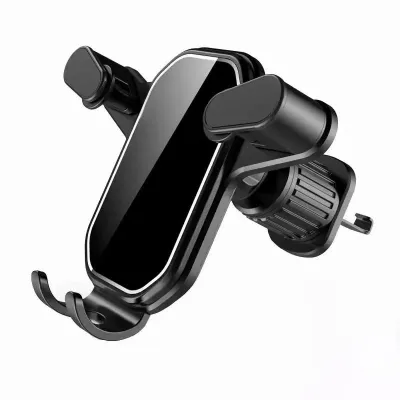
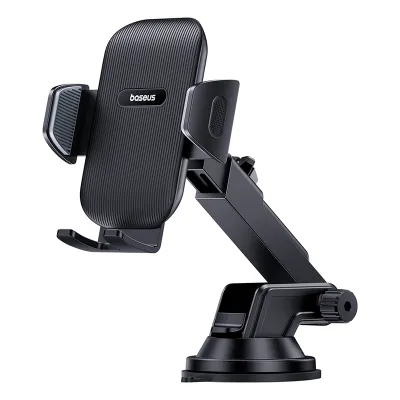

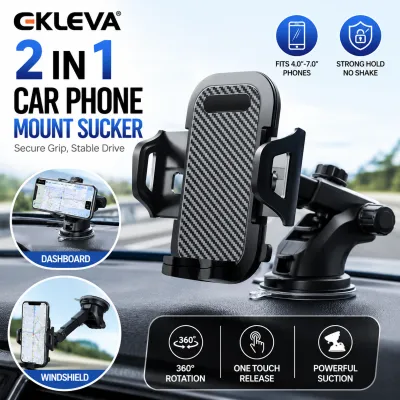
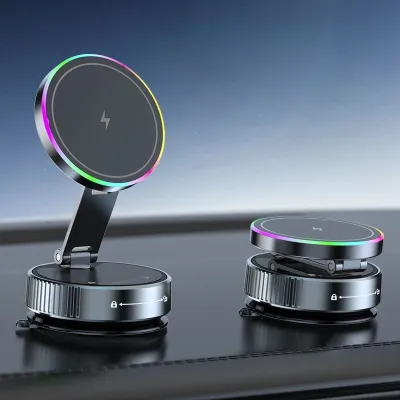
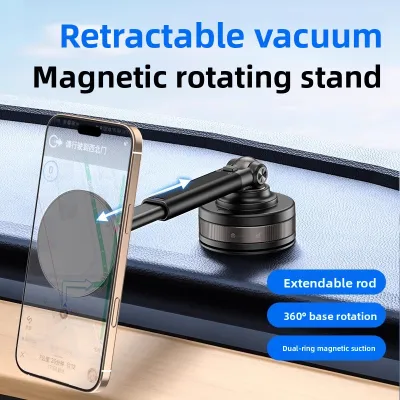
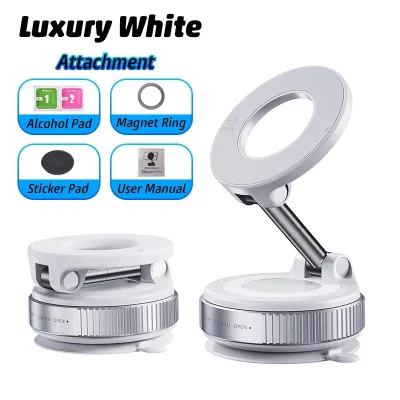
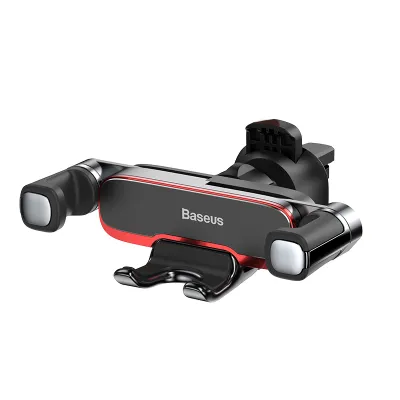
Prices are valid at publication and may change. Please refer to the product page for the latest price.
The mechanism for updating maps represents a major operational difference between the two systems. Dedicated GPS units typically require manual updates, which involve connecting the device to a computer or linking it to a home Wi-Fi network to download large map packages. These updates may occur only a few times a year. Smartphone apps update their map data continuously and automatically over the air, ensuring that new road openings, temporary detours, and permanent layout changes are reflected quickly without any user intervention.
Dashboard Layout, Visibility, and Car Mount Phone Holder Ergonomics
The physical placement of your navigation display directly impacts your driving safety, situational awareness, and cabin ergonomics. Dedicated GPS systems are often integrated directly into the vehicle’s dashboard or mounted via heavy-duty suction cups to the windshield. Because these screens are designed solely for navigation, they are typically larger and optimized for visibility under direct sunlight. However, their fixed nature means they can sometimes create permanent blind spots if mounted poorly on the windshield, or require you to look down if integrated low in the center console.

Using a smartphone with a car mount phone holder offers significantly more placement flexibility. Modern phone mounts are designed to attach to various points in the cabin, including air vents, dashboard surfaces, CD slots, or the windshield. This adaptability allows you to position your phone screen directly within your natural line of sight, reducing the time your eyes are off the road. Quality mounts feature adjustable ball joints and telescoping arms, enabling you to tilt the screen to eliminate glare and achieve an optimal viewing angle.
When setting up any navigation device, safety and compliance with local traffic regulations are paramount. In Singapore, the law prohibits drivers from holding a mobile communication device while driving. Securing your phone in a stable car mount phone holder is essential to remain compliant. Furthermore, any mounted device must not obstruct your clear view of the road ahead. Always verify your vehicle’s specific model documentation, dashboard dimensions, and mounting surface compatibility before purchasing a mount, as compatibility cannot be assumed from a generic category term. You must also ensure that the placement of your mount does not interfere with the deployment zones of your vehicle’s airbags or damage sensitive dashboard materials.
Real-Time Traffic, Offline Maps, and Local Routing Accuracy
Navigating Singapore’s roads efficiently requires a system that can adapt to rapid changes in traffic density and road conditions. Smartphone navigation apps excel in this area by crowdsourcing live data from active users. This allows the software to detect sudden slowdowns, accidents, or road closures quickly and suggest alternative routes to save you time. Standard dedicated GPS units, unless paired with a compatible smartphone data link or equipped with built-in cellular receivers, generally lack this level of real-time responsiveness and may guide you directly into heavy congestion.
Offline reliability is another critical factor, particularly when driving through areas with poor cellular reception, such as deep underground car parks, tunnels, or during cross-border trips where data roaming may be unstable. Dedicated GPS units perform reliably in these scenarios, as their satellite-based positioning and pre-loaded maps remain fully functional regardless of cellular signal strength. While smartphone apps do support offline map downloads, these files require significant storage space on your phone and must be manually downloaded and updated before your journey to ensure seamless performance.
Local routing accuracy also involves how well a system handles Singapore’s unique road infrastructure, such as Electronic Road Pricing (ERP) gantries and expressway speed limits. Smartphone apps are frequently updated by local user communities, making them highly accurate at identifying active ERP zones and suggesting routes that minimize toll costs. Dedicated GPS units also offer ERP-avoidance routing, but their effectiveness depends heavily on how recently you updated the device’s map software. For drivers who frequently navigate changing construction zones, the rapid updates of smartphone apps offer a distinct advantage.
Upfront Costs and Long-Term Value Comparison
The financial commitment required for each navigation solution varies significantly in terms of initial investment and ongoing maintenance. A dedicated car GPS unit represents a higher upfront cost, as you are purchasing specialized hardware, mounting accessories, and sometimes proprietary map software. Additionally, some manufacturers charge subscription fees for premium features like live traffic updates, and older models may require paid map updates after the initial promotional period expires. If your chosen setup requires hardwiring or dashboard disassembly, consult your vehicle’s original manual and seek qualified professional installation to avoid damaging the electrical system or compromising safety restraints.
In contrast, a smartphone-based setup leverages a device you already own, making it a cost-effective option. Your primary upfront expense is the purchase of a quality car mount phone holder and a reliable charging cable. While smartphone navigation does consume mobile data, modern data plans in Singapore are generally robust enough to handle daily navigation without incurring significant extra charges. However, you should consider the long-term impact of continuous navigation on your smartphone, as the combination of GPS usage, high screen brightness, and constant charging can accelerate battery degradation over time.
When evaluating long-term value, consider the replacement cycles of the hardware. Dedicated GPS units are built to withstand the high temperatures of a parked car’s cabin and often last for several years without needing replacement. Smartphones, while versatile, are replaced more frequently due to software obsolescence or hardware wear. If you choose a quality, universal car mount phone holder, it can easily accommodate multiple generations of smartphones, providing excellent long-term utility and reducing the need to reinvest in new navigation hardware when you upgrade your phone.
How to Choose the Right Navigation Setup for Your Car
Selecting the right navigation setup depends on aligning the strengths of each system with your specific driving profile and vehicle configuration.
Choose a dedicated car GPS if you:
- Frequently drive in areas with spotty cellular coverage or regularly travel cross-border where data roaming is expensive or unreliable.
- Prefer a dedicated, single-purpose device that does not interrupt your navigation with incoming phone calls, messages, or app notifications.
- Want to preserve your smartphone's battery life and avoid the wear and tear associated with continuous charging and high heat exposure on the dashboard.
Choose a smartphone with a car mount phone holder if you:
- Prioritize real-time traffic updates, live incident reporting, and dynamic rerouting to avoid peak-hour congestion and ERP charges.
- Prefer familiar, user-friendly app interfaces that integrate with your digital ecosystem, contacts, and calendar events.
- Want a cost-effective solution that requires minimal upfront investment and updates its maps automatically without manual intervention.
Before making a final decision, verify your vehicle’s existing infotainment capabilities. Many modern cars come equipped with head units that support Apple CarPlay or Android Auto. If your vehicle has this integration, you can display your smartphone’s navigation apps directly on the car’s built-in screen. This setup provides the real-time benefits and familiar interface of smartphone navigation combined with the ergonomic advantages of a large, integrated dashboard display, eliminating the need for a separate standalone GPS unit or a dedicated phone mount.
Frequently Asked Questions (FAQ)
Does using a phone for navigation drain the battery quickly?
Yes, running navigation apps on a smartphone consumes a significant amount of power because it requires the simultaneous operation of the GPS receiver, active cellular data transfer, and continuous screen illumination. To prevent your battery from draining during your commute, it is highly recommended to use a quality car charger connected to your vehicle’s power outlet. Ensure you use a certified charging cable that matches your phone’s power specifications to maintain a stable charge without overheating the device.
Are windshield phone mounts legal in Singapore?
Yes, windshield phone mounts are legal in Singapore, provided they are positioned in a way that does not obstruct the driver’s clear view of the road or interfere with the vehicle’s control mechanisms. To ensure compliance with local safety standards, place your car mount phone holder near the bottom edge of the windshield or in a corner where it does not block your line of sight. Always verify that the mount is securely attached to prevent it from falling while the vehicle is in motion, and avoid placing it near airbag deployment zones.
Community discussion
Share your experience or ask a question. Comments are reviewed before publication.