
Choosing between a dedicated car GPS and a smartphone paired with a dashboard mount in Singapore comes down to balancing thermal endurance, display visibility, and real-time data needs. For daily commuters navigating the dense urban canyons of the Central Business District (CBD) and managing frequent Electronic Road Pricing (ERP) gantries, both systems offer distinct operational advantages. A dedicated car GPS excels in thermal stability and reliable offline mapping, while a smartphone mounted on the dashboard provides unmatched real-time traffic updates and crowd-sourced routing. Deciding on the ideal setup requires evaluating how each device handles the intense tropical heat, how it mounts securely to your vehicle’s interior, and how it fits into your daily driving habits.
Core Differences in Daily Navigation Performance
Evaluating how dedicated car GPS units and smartphones perform as primary navigation tools reveals distinct design philosophies. Singapore’s intense tropical sun can easily wash out standard screens, making display visibility a critical factor. Dedicated GPS units often feature matte, anti-glare screens designed specifically for high-ambient-light environments, allowing drivers to read directions clearly without adjusting their posture or squinting.
Smartphones, while boasting incredibly sharp displays, typically feature glossy glass screens that reflect cabin light and direct sunlight. To combat this glare, drivers often have to increase the phone’s brightness to its maximum setting, which accelerates heat generation and battery drain.
Products mentioned in this guide
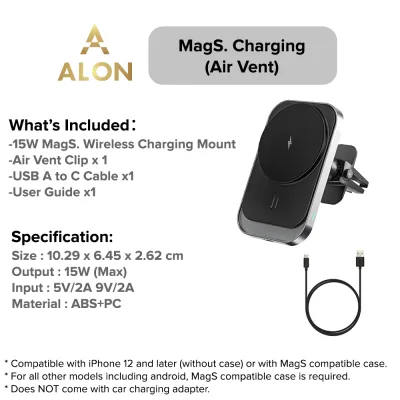
![[SG] 360° Car Phone Holder Gravity Stand with Suction Cup for Dashboard/Windscreen/Curved Dashboard - Adjustable Bracket Mount Car Windscreen Mobile Mount Gravity Double Stable Strong Suction Cup Car Mount Holder for iPhone Huawei Xiaomi](https://img.lazcdn.com/g/p/80cdc8b87227aa42285f1e08973c194e.jpg_400x400q80.jpg_.webp)
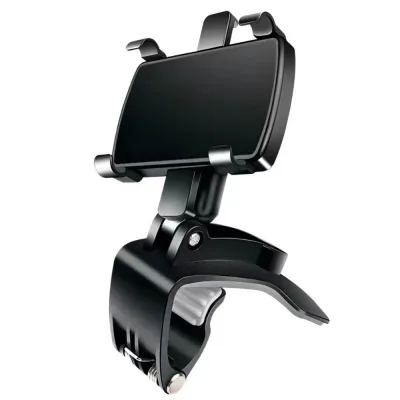
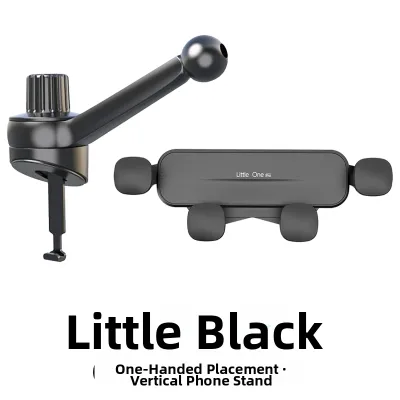
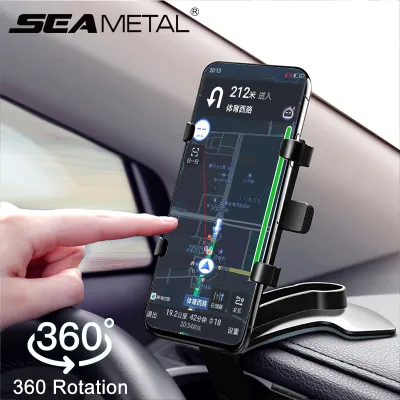
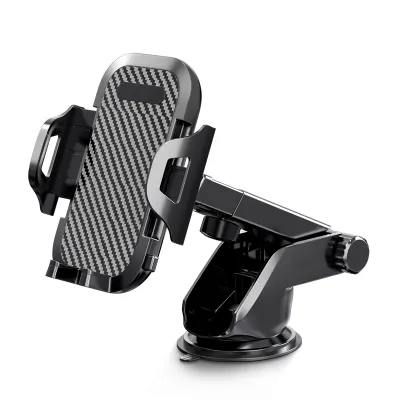
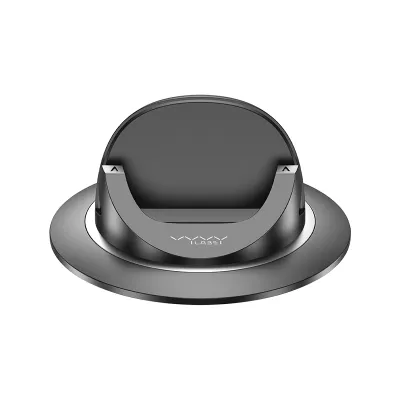
Prices are valid at publication and may change. Please refer to the product page for the latest price.
Interface responsiveness and ease of route input also differ. Dedicated GPS devices run on specialized, lightweight operating systems optimized solely for navigation. While they may lack the ultra-smooth scrolling of modern smartphones, their simplified menus make inputting postal codes or building names straightforward when the vehicle is safely stationary.
Smartphones offer highly responsive capacitive touchscreens and familiar keyboard layouts, allowing for rapid address entry. However, the multitasking nature of a phone means incoming calls, messaging notifications, or background app updates can occasionally interrupt the navigation interface at critical junctions.
Thermal management during extended use is where dedicated units hold a significant advantage. Operating a device continuously on a Singapore dashboard exposes it to extreme solar radiation and ambient cabin heat. Dedicated GPS units are engineered with robust internal heat sinks and lack power-hungry cellular modems, allowing them to operate reliably without thermal shutdown.
Smartphones, conversely, generate significant internal heat from simultaneous GPS tracking, screen backlighting, and cellular data processing. When mounted on a sunny dashboard, a smartphone can quickly reach its thermal threshold, leading to dimmed screens, sluggish performance, or sudden safety shutdowns to protect the lithium-ion battery.
Dashboard Mount Stability and Safety Considerations
The physical mounting requirements and safety implications of placing a device on your dashboard require careful planning. The choice of dashboard mount must match the physical footprint and weight of your chosen device. Heavier dedicated GPS units or large-screen smartphones require heavy-duty suction cups or mechanical clamps to prevent them from vibrating or detaching during sudden stops.

Vent clips offer an alternative mounting position that keeps the device cool by placing it directly in the path of the air conditioning flow. However, this setup can block airflow into the cabin and may put undue stress on delicate vent slats, especially when supporting heavier modern smartphones.
Adhesive pads provide a semi-permanent mounting solution on flat dashboard surfaces but are highly sensitive to surface texture and material composition. Soft-touch plastics, leather-wrapped dashboards, or textured vinyl can prevent the adhesive from forming a secure bond, risking a sudden drop while driving.
Heat exposure severely impacts mount longevity and adhesion. The intense heat radiating from a dashboard parked under the sun can degrade the suction cup’s rubber or melt the adhesive backing of a dashboard mount, causing the entire assembly to collapse unexpectedly.
Windshield and dashboard obstruction limits are governed by local traffic safety guidelines. Placing a large navigation device directly in the center of the windshield can create dangerous blind spots, particularly when turning or scanning for pedestrians.
To ensure compliance and safety, drivers should position their dashboard mount low on the dashboard or in the bottom-right corner of the windshield. This placement keeps the device within the driver’s peripheral vision while ensuring the primary sightline remains completely clear of obstructions.
Connectivity, Traffic Data, and Offline Reliability
Real-time traffic updates and rerouting capabilities are essential for navigating Singapore’s dynamic road network. Smartphones excel in this area because they rely on continuous mobile data connections to pull live traffic feeds, road closure alerts, and crowd-sourced accident reports. This allows drivers to bypass sudden congestion on major expressways like the PIE or CTE.
Dedicated GPS units traditionally rely on offline map databases stored on internal memory or memory cards. While some premium models feature built-in SIM cards or connect to your phone’s Wi-Fi hotspot for live updates, basic units may not offer real-time rerouting unless manually updated or paired with an external data source.
Offline reliability is crucial in areas with poor cellular coverage, such as underground expressways, tunnels, and high-density high-rise areas. Dedicated GPS units with high-sensitivity satellite receivers and pre-loaded offline maps continue to track your position and provide turn-by-turn directions even when mobile networks drop.
While smartphone navigation apps allow users to download offline map regions, these files require manual management and can consume significant internal storage. If you enter an underground tunnel without pre-downloaded maps or a stable cellular connection, your smartphone app may freeze or lose tracking.
Navigating Singapore’s roads also requires constant awareness of ERP gantries and operating hours. Some localized navigation apps and specialized GPS units offer integrated ERP rate calculators and route planning that factors in toll costs, helping drivers choose the most cost-effective path.
Upfront Costs and Long-Term Value
Breaking down the financial commitment and hidden costs reveals distinct long-term value propositions for each setup. Utilizing an existing smartphone for navigation requires minimal upfront cost, typically limited to purchasing a high-quality dashboard mount and a compatible charging cable. This makes it a highly accessible option for budget-conscious drivers.
Dedicated GPS units represent a more significant initial financial commitment, with prices varying based on screen size, map coverage, and connectivity features. However, this one-time purchase provides a standalone device that does not tie up your primary communication tool while driving.
While smartphone navigation apps are often free to use, they consume mobile data, which may lead to additional charges if your data plan is limited. Dedicated GPS units usually include lifetime map updates at no extra cost, though some advanced real-time services may require a subscription after an initial trial period.
Subjecting a smartphone to continuous charging, high screen brightness, and intense dashboard heat accelerates battery degradation. Over time, this thermal stress can lead to reduced battery capacity, swollen batteries, and potential hardware failure, offsetting the initial savings of not buying a dedicated GPS.
Dedicated GPS units are built with industrial-grade components designed to withstand the harsh automotive environment. They do not rely on sensitive lithium-ion batteries in the same way smartphones do, meaning they can deliver years of reliable service on your dashboard without performance degradation.
Decision Framework: Which Setup Fits Your Driving Needs?
Choosing the right setup depends on your daily driving patterns and hardware preferences. A dedicated car GPS is the ideal choice for high-mileage drivers, commercial drivers, or those who prioritize device longevity, zero phone battery drain, and a distraction-free driving interface that remains functional in any thermal condition.
Smartphone navigation is best suited for daily commuters who want the most accurate, real-time traffic data, frequent map updates, and seamless integration with other mobile apps. It offers a highly flexible and cost-effective solution, provided you invest in a high-quality dashboard mount and manage cabin temperatures.
Before making a final decision, inspect your vehicle’s dashboard material to ensure it can support your preferred dashboard mount type. Soft, textured, or heavily curved surfaces may require a specialized vent mount or a windshield suction mount rather than a standard adhesive pad.
Always verify local traffic regulations regarding windshield obstructions and device placement. Ensure that whichever setup you choose, the device is positioned safely out of your direct line of sight while remaining easily viewable with a quick glance, keeping your focus firmly on the road.
Frequently Asked Questions (FAQ)
Can I use an adhesive dashboard mount on a textured or soft-touch surface?
Adhesive dashboard mounts generally require a smooth, hard, and non-porous surface to establish a secure bond. Textured vinyl, leather, or soft-touch plastics prevent the adhesive from making full contact, which often leads to the mount detaching under the weight of your device. If your dashboard features these materials, consider using a high-quality windshield suction mount, a friction-based beanbag mount, or a secure air vent clip instead.
Does phone navigation consume significantly more mobile data than a dedicated GPS?
Phone navigation apps do consume mobile data to download map tiles, real-time traffic updates, and routing information on the go. However, this consumption can be significantly reduced by downloading offline maps of Singapore over Wi-Fi before your journey. Dedicated GPS units do not consume mobile data unless they are tethered to your phone’s hotspot or feature an active built-in SIM card for live traffic services.
Are there legal restrictions on where I can place a dashboard mount in Singapore?
Yes, local traffic safety guidelines dictate that any device mounted on your windshield or dashboard must not obstruct your view of the road or traffic conditions. To remain compliant, avoid placing your dashboard mount directly in your primary line of sight or in the center of the windshield. The safest and most legally compliant positions are low on the dashboard or in the bottom-right corner of the windshield, where the device does not block your view of pedestrians or oncoming traffic.

Community discussion
Share your experience or ask a question. Comments are reviewed before publication.