
Quick Answer: Navigating Freshener Choices in Tropical Weather
Finding a reliable car freshener in Singapore requires understanding how extreme cabin heat and high humidity interact with different materials. There is no single format that works perfectly for every driver, as the physical state of the product—whether it is a solid, liquid, gel, or active spray—directly dictates how well it survives the tropical climate.
When cars are parked in open-air lots under the intense afternoon sun, interior temperatures can spike rapidly, causing rapid evaporation, physical melting, or even structural warping. High ambient humidity also introduces the risk of mold growth on porous materials like paper or wood.
To make an informed choice, you must evaluate how your daily parking habits and air-conditioning usage affect these products. This guide compares the most common formats to help you select a stable, long-lasting option that keeps your cabin smelling clean without creating a mess.
Products mentioned in this guide
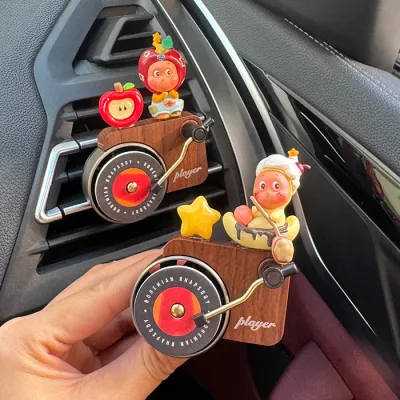

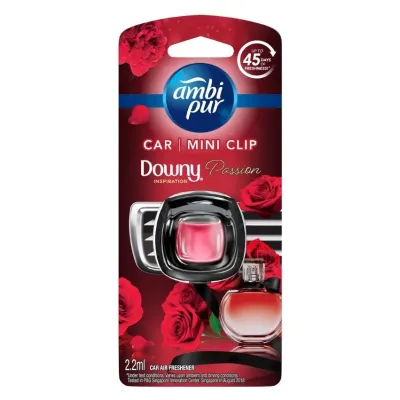
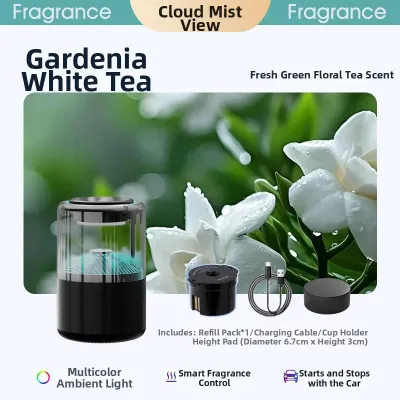
![[NEW ARRIVAL] Bullsone Polar Anywhere Home Air Refreshener or Car Perfume 10PCS x 4ML](https://img.lazcdn.com/g/p/cc6bf1db683dd1f7ba0b9ead9f10a3a6.png_400x400q80.png_.webp)
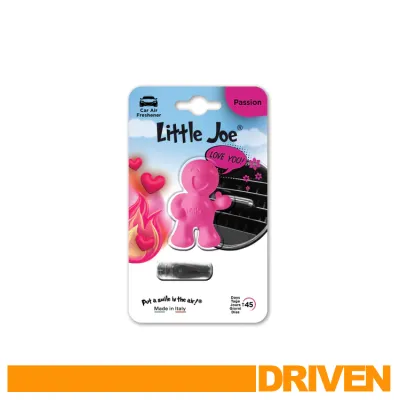
![[Wholesale $1.38/pack] Glade Hang It Fresh Fragrance Beads Air Freshener for Homes Wardrobe Cars 8g/pack](https://img.lazcdn.com/g/p/26a0c52ac1321e4fe183207ea9ea9833.png_400x400q80.png_.webp)
Prices are valid at publication and may change. Please refer to the product page for the latest price.
How Cabin Heat and Humidity Change Freshener Performance
The interior of a vehicle parked outdoors acts like a greenhouse, trapping solar radiation and raising cabin temperatures far above the ambient outdoor level. This intense heat dramatically accelerates the kinetic energy of fragrance molecules, causing liquid and gel-based fresheners to evaporate at an unsustainable rate. A product designed to last for a month in temperate climates might dry up or lose its efficacy within a week when subjected to daily tropical heat spikes.

At the same time, Singapore’s high relative humidity introduces moisture-related challenges that affect how scent is carried and how materials degrade. Moisture-absorbing materials, such as cardboard, paper, or untreated wood, can absorb water vapor from the air, which dilutes the fragrance oils and can cause the material to warp, sag, or develop mold. This dampness not only ruins the aesthetic of the accessory but can also introduce musty odors that defeat the purpose of a freshener.
Furthermore, the transition between a cold, air-conditioned cabin while driving and a hot, humid environment when parked creates a cycle of condensation. When the air conditioner runs, it dehumidifies the air and cools the surfaces, slowing down scent dispersion. Once the engine is turned off and the car warms up, condensation can form on the freshener housing, potentially causing liquid products to drip or solid materials to soften and degrade prematurely.
Vent Clips, Hanging Cards, and Paper Formats
Vent clips are a popular choice because they utilize the vehicle’s active ventilation system to distribute fragrance throughout the cabin. When the air conditioning is running, the cool airflow passes over or through the clip, dispersing the scent efficiently without requiring high temperatures to vaporize the liquid. However, when the car is parked in the heat, the liquid reservoir inside a vent clip remains exposed to high ambient temperatures, which can lead to rapid, passive evaporation through the membrane or wick.
Hanging cards and paper formats represent a more traditional, low-cost option, but they are highly susceptible to the punishing tropical climate. Because these formats rely on porous paperboard saturated with fragrance oils, they have no protective barrier against high humidity. The paper absorbs moisture from the humid air, which can cause the card to warp physically and release its scent in a rapid, uncontrolled burst before fading completely within a few days.
When using these formats, regular visual inspections are necessary to prevent damage to your car’s interior. For liquid vent clips, check the plastic housing and seal regularly for signs of warping, cracking, or saturation leaks, as concentrated fragrance oils can melt dashboard plastics or strip paint upon contact. For hanging paper cards, look for signs of structural breakdown, discoloration, or dampness, and ensure they do not touch any interior surfaces directly.
Gels, Solid Cans, and Bead Formats
Gel-based car fresheners are widely available, but they carry distinct physical risks when exposed to direct sunlight or high dashboard temperatures. Many standard gels are water- or polymer-based, meaning they can liquefy or melt entirely when the cabin temperature crosses a certain threshold. Once liquefied, the gel can spill out of its container, creating a sticky, difficult-to-clean residue that can permanently stain upholstery or damage plastic trim.
In contrast, solid cans containing scented organic fiber pads, compressed wood blocks, or ceramic beads offer a much more heat-resistant profile. These formats do not rely on a liquid or gel state to hold the fragrance, meaning they will not melt or liquefy even if the vehicle is parked in an unshaded lot all day. The evaporation rate of solid formats is naturally slower and more controlled, providing a consistent scent throw that resists the rapid depletion caused by tropical heat.
To maximize the lifespan of these semi-solid and solid products, placement is key to avoiding thermal degradation. Avoid placing gel containers on the dashboard or in cup holders that receive direct sunlight through the windshield. Instead, tuck solid cans or bead pouches under the seats or in door pockets where they are shielded from direct ultraviolet rays and extreme heat concentration, allowing them to release their scent gradually.
Sprays, Essential Oil Diffusers, and Electronic Units
Sprays offer immediate odor control, but their effects are highly temporary in a hot, humid cabin. When you spray a fragrance into the air, the fine droplets quickly evaporate or settle onto surfaces, and the high ambient temperature accelerates this dissipation, often requiring daily reapplication. Additionally, storing pressurized aerosol cans inside a hot vehicle carries safety risks, as extreme heat can cause the internal pressure to rise, potentially leading to container failure.
Passive reed diffusers and electronic nebulizers have become more common, but they require careful management regarding spill risks and power needs. Passive diffusers with open liquid reservoirs are highly risky in a moving vehicle, as sudden stops or turns can cause the concentrated oils to spill and damage sensitive interior surfaces. Electronic units, which atomize essential oils using ultrasonic or heat-based technology, offer precise control over scent delivery but must be checked for battery safety and heat tolerance if left in a parked car.
If you choose an active or electronic system, always perform routine safety checks on the hardware. Verify that glass containers are securely mounted to prevent breakage, and ensure that liquid reservoirs have sufficient headspace to accommodate thermal expansion without leaking. For electronic diffusers, check the manufacturer’s operating manual to confirm the maximum safe storage temperature for the internal battery and electronic components before leaving the device in the vehicle.
Label Checks and Structural Features to Look For
Before purchasing any car freshener, it is wise to inspect the packaging and product design to ensure it can withstand tropical conditions. Look for label indicators that specify temperature tolerance ranges or explicitly state that the product is designed to resist melting in high heat. Some manufacturers use advanced slow-release formulations or semi-permeable membranes that regulate the evaporation rate regardless of external temperature fluctuations.
The physical construction of the freshener housing is just as important as the fragrance medium inside. Opt for products that feature spill-proof membranes, robust sealing rings, and secure clipping mechanisms that will not soften or deform when exposed to hot air from the vents. Non-corrosive housing materials, such as high-grade, heat-resistant plastics or anodized aluminum, are preferable to cheap plastics that can degrade or become brittle over time under UV exposure.
Do not rely solely on vague marketing terms like “long-lasting” or “tropical strength” without verifying the physical format’s actual heat compatibility. A product’s structural integrity and physical state are the true indicators of how it will perform in a hot cabin. By checking the design features and material specifications, you can avoid products that are prone to leaking, melting, or losing their scent prematurely.
Safe Placement and Maintenance in a Hot Vehicle
Proper installation and strategic placement are essential to ensure your car freshener performs safely and lasts as long as possible. Define safe placement zones in your cabin that are shielded from direct sunlight, such as under the front seats, inside door side pockets, or clipped securely to lower air vents. Never place fresheners on top of airbag deployment covers, directly on the instrument cluster, or near sensitive electronic dashboard areas where a leak could cause costly electrical damage.
Maintaining your freshener involves simple, routine checks to prevent environmental factors from ruining the product or your car’s interior. Periodically wipe away any condensation that accumulates on the exterior of the freshener housing, especially after transitioning from a cold, air-conditioned drive to outdoor parking. If your vent clip features an adjustable scent dial, close it partially when parking the car for extended periods to slow down passive evaporation.
Establish clear stop conditions to protect your vehicle’s interior from permanent damage. If you observe any signs of melting, structural warping, liquid leakage, or mold growth on a paper card, remove and discard the freshener immediately. Prompt action prevents concentrated oils from stripping dashboard paint, melting plastic trims, or leaving stubborn stains on your upholstery that are difficult and expensive to repair.
Frequently Asked Questions (FAQ)
Can I leave a gel car freshener on the dashboard in Singapore?
Leaving a gel car freshener on the dashboard is not recommended due to the extreme heat concentration near the windshield. Dashboard temperatures can easily exceed the melting point of gel polymers, causing the product to liquefy, warp, or leak. To prevent messy spills and ensure a more controlled scent release, place gel fresheners in shaded areas like under the seats or in lower door compartments.
Do natural essential oils last longer than synthetic sprays in humid weather?
The longevity of a fragrance depends more on its physical delivery format and exposure to heat than whether the ingredients are natural or synthetic. Both natural essential oils and synthetic sprays will dissipate quickly if exposed to high temperatures and rapid airflow. For lasting results in humid weather, choose a solid-state or membrane-controlled format that regulates evaporation, rather than relying on open liquids or simple ambient sprays.

Community discussion
Share your experience or ask a question. Comments are reviewed before publication.