
To withstand Singapore’s intense cabin heat and high humidity, the most reliable car fragrance diffusers are those with adjustable diffusion rates, solid or semi-solid media that resist melting, or electronic vent-clip designs that rely on active airflow rather than passive evaporation. Passive liquid diffusers and soft gels often deplete rapidly or degrade under direct sunlight, making structural heat tolerance and strategic placement the key factors for longevity. Selecting the right format requires understanding how tropical climates interact with different fragrance delivery systems.
Understanding Heat and Humidity Impacts on Car Fragrances
When a vehicle is parked outdoors under direct sunlight in Singapore, interior cabin temperatures can rise significantly above the ambient outdoor temperature. This intense heat accelerates the evaporation rate of volatile organic compounds within fragrance oils, causing them to release their scent rapidly and deplete far sooner than expected. Direct solar radiation also degrades the chemical structure of the fragrance molecules, often altering the scent profile or causing it to fade prematurely.
The greenhouse effect inside a closed vehicle can elevate dashboard temperatures to levels that exceed the thermal limits of standard consumer plastics and fragrance carriers. As the air inside the cabin heats up, the kinetic energy of the fragrance molecules increases, leading to an uncontrolled release of scent. This initial burst is often overwhelming, but it is quickly followed by a complete loss of aroma as the volatile components are entirely exhausted.
Products mentioned in this guide
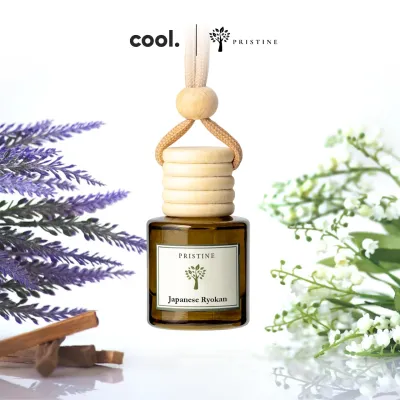
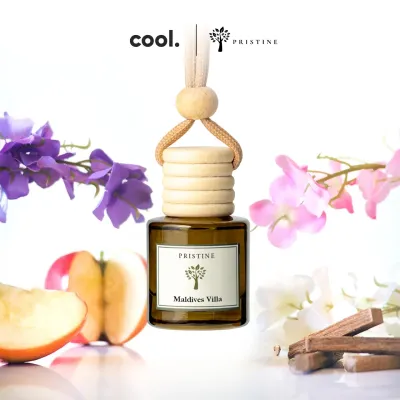
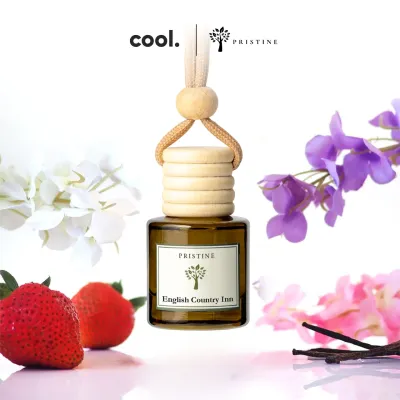


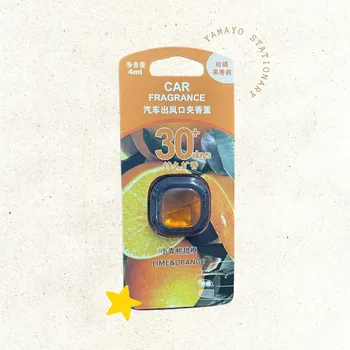

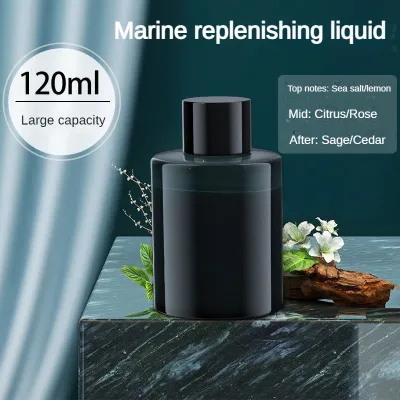
Prices are valid at publication and may change. Please refer to the product page for the latest price.
High relative humidity adds another layer of complexity to cabin scent management. Moisture-sensitive materials, such as natural fiber hanging cards, porous wood diffusers, or unsealed paper elements, can absorb ambient water vapor from the air. This moisture absorption can lead to fiber clumping, reduced scent throw, or even mold growth if the vehicle remains damp and unventilated for extended periods.
The contrast between a parked, uncooled cabin and the cool, air-conditioned environment during driving creates rapid temperature and humidity cycles. These fluctuations cause materials to expand and contract, which can compromise adhesive seals, crack plastic housings, or cause sudden bursts of scent followed by periods of weak diffusion. Understanding these physical challenges is essential when selecting a diffuser format that can maintain a consistent scent profile.
Furthermore, high humidity levels affect the boundary layer of air surrounding the diffuser. When the air is saturated with water vapor, the rate of diffusion for other volatile substances can become unpredictable. This often results in a weak scent throw during rainy periods, followed by an intense, overwhelming release of fragrance once the air conditioning system dries out the cabin air.
Evaluating Diffuser Types for High-Temperature Cabins
Solid and gel-based diffusers are popular for their spill-proof designs, but their performance depends heavily on their chemical composition. Some gel formulations have relatively low melting points and can liquefy when the cabin temperature spikes, leading to potential leaks or sticky residues on interior surfaces. Solid polymer or ceramic diffusers generally offer better structural stability under extreme heat, providing a more consistent evaporation rate without the risk of melting.

Solid-state polymer diffusers, often made from ethylene-vinyl acetate (EVA) or similar heat-stable plastics, encapsulate the fragrance oils within the material matrix. This design prevents the fragrance from leaking even if the housing is subjected to high temperatures. Ceramic core diffusers also perform exceptionally well in hot cabins, as the porous ceramic material holds the oil securely and releases it slowly without structural degradation.
Liquid and essential oil diffusers often deliver a strong initial scent, but they present distinct challenges in hot climates. The liquid can evaporate extremely quickly when exposed to high temperatures, requiring frequent refills. Furthermore, if a liquid diffuser tips over or leaks due to heat-induced pressure buildup, the concentrated oils can cause permanent damage, staining, or warping to plastic dashboards, leather upholstery, and sensitive electronic components.
Many liquid diffusers rely on a wooden collar or a reed wick to draw the oil upward for evaporation. In high humidity, these wooden components can become oversaturated with moisture, blocking the capillary action that draws the fragrance oil. This can lead to a complete cessation of scent delivery, even though the reservoir remains full of liquid.
Vent clips and hanging cards offer simple installation but behave differently under tropical conditions. Hanging cards are highly susceptible to humidity absorption and rapid scent loss because their entire surface area is constantly exposed to the cabin air. Vent clips, on the other hand, rely on active airflow from the air conditioning system to distribute the scent, which allows for better control over when and how the fragrance is dispersed.
Vent-clip diffusers that feature a mechanical shutter allow you to close the vents completely when the vehicle is parked. This simple feature prevents the fragrance from evaporating into the empty cabin while the car sits in the sun, significantly extending the lifespan of the scent cartridge. Hanging cards lack this control, meaning they continue to deplete at an accelerated rate even when the vehicle is unoccupied.
Electronic and solar-powered diffusers use mechanical components or ultrasonic vibration to release fragrance at set intervals. While these devices offer precise control over scent intensity, you must verify the heat tolerance of their plastic housings and internal batteries. Rechargeable lithium-ion batteries can pose safety risks if left in a hot car parked under direct sunlight, so models powered directly by USB or those utilizing high-temperature-rated capacitors are generally safer options.
Solar-powered diffusers often use small solar panels to drive a rotating mechanism that aids scent dispersion. While innovative, these devices must be placed on the dashboard to receive sunlight, exposing them to the highest temperatures in the vehicle. Ensure that any solar-powered model you choose is constructed from high-grade, heat-resistant materials that will not warp or malfunction after prolonged exposure to intense solar radiation.
Verifying Heat-Tolerant Features and Product Labels
Before purchasing a car fragrance diffuser, carefully review the manufacturer’s product labels and technical specifications for temperature tolerance ranges. Reliable products often specify an upper operating temperature limit, indicating whether the housing and fragrance medium can safely withstand typical parked cabin temperatures. Look for explicit storage warnings regarding direct sunlight exposure or high-humidity environments.
Examine the construction materials of the diffuser housing to ensure they are rated for automotive interior use. High-quality diffusers typically utilize UV-resistant plastics, such as acrylonitrile butadiene styrene (ABS) or polycarbonate, or anodized aluminum, which resist warping, cracking, and discoloration under solar heat. Avoid thin, brittle plastics that can degrade quickly when exposed to UV rays through the windshield.
Prioritize diffusers that feature verifiable spill-proof mechanisms, such as sealed reservoirs, membrane-based delivery systems, or solid-state fragrance cartridges. Adjustable diffusion rates, such as manual vents or electronic intensity settings, allow you to restrict airflow to the fragrance medium when the car is parked, preserving the scent life. These physical features provide a more reliable indication of longevity than generic marketing claims like “long-lasting” or “tropical-rated.”
When evaluating liquid or oil-based options, look for products that utilize specialized semi-permeable membranes. These membranes allow the fragrance molecules to pass through while keeping the liquid securely contained, even if the diffuser is turned upside down or subjected to pressure changes. This technology significantly reduces the risk of accidental spills on your vehicle’s interior surfaces.
Be cautious of marketing terms that promise universal longevity without explaining the underlying technology. Claims of “all-natural” or “organic” do not automatically translate to heat tolerance; in fact, natural essential oils often have lower flash points and degrade faster under heat than synthetic fragrances specifically formulated for automotive environments. Look for technical specifications regarding UV stability and heat resistance rather than relying solely on lifestyle branding.
Optimizing Placement and Maintenance for Hot Climates
To maximize the lifespan of your car fragrance and protect your vehicle’s interior, avoid placing any diffuser in direct sunlight zones, such as the top of the dashboard or hanging from the rearview mirror. These areas experience the highest temperatures and UV exposure, which accelerate evaporation and increase the risk of material warping or chemical degradation.
Instead, utilize shaded areas of the cabin that maintain more stable temperatures. Lower air conditioning vents, under-seat storage compartments, or door pockets are excellent alternative placements. Placing a vent-clip diffuser on a lower vent keeps it out of direct sunlight while still allowing the air conditioning system to distribute the scent effectively when the vehicle is in use.
For solid or gel diffusers, placing them under the front seats can shield them from direct solar radiation while utilizing the vehicle’s floor-level airflow to circulate the scent. This placement also keeps the diffuser out of sight, maintaining a clean dashboard aesthetic and reducing the risk of accidental physical contact or spills.
Establish a routine maintenance schedule to inspect your diffuser for signs of wear, especially after the car has been parked in the sun for an extended period. Check for any fluid leaks, casing discoloration, cracking, or structural softening. If you notice any liquid pooling or residue on your dashboard or vents, wipe it off immediately with a damp microfiber cloth to prevent chemical damage to the interior surfaces.
If a spill does occur, avoid using harsh chemical cleaners or solvents, as these can react with the fragrance oils and cause further damage to your dashboard’s plastic or leather coatings. Instead, use a mild soap solution and warm water to gently clean the area, then dry it thoroughly with a clean towel.
Store spare fragrance refills or cartridges in a cool, dark place inside your home rather than keeping them in the glovebox or center console. The glovebox can still reach high temperatures when the car is parked in the sun, which can degrade the unopened refills before you even have a chance to use them.
Stop using the diffuser immediately if you observe significant physical changes, such as a gel completely liquefying, a plastic housing warping, or the fragrance emitting an unusual, burnt, or sour odor. In such cases, consult the manufacturer’s guidelines or contact their customer support to verify if the product has failed or if it requires replacement parts.
Frequently Asked Questions (FAQ)
Can I leave a liquid car fragrance on the dashboard in the sun?
No, you should avoid leaving liquid car fragrances on the dashboard where they are exposed to direct sunlight. The intense heat can cause the liquid to expand, build up pressure inside the container, and potentially leak or spill onto your dashboard. Concentrated fragrance oils can dissolve plastics, damage leather, and ruin electronic components, so always check the manufacturer’s placement instructions and keep liquid diffusers in shaded areas.
Do solid gel diffusers melt in a parked car?
Some solid gel diffusers can melt or liquefy if the cabin temperature exceeds their specific melting point, which is common in cars parked outdoors in hot climates. To prevent messy spills and sticky residues, check the product specifications for heat thresholds before purchase. If you notice a gel diffuser becoming watery or changing shape, remove it from the vehicle immediately and clean any residue according to the manufacturer’s instructions.
How often should I replace the fragrance in a humid climate?
In a humid climate, you may need to replace your car fragrance more frequently than the standard manufacturer estimate, typically every three to six weeks depending on the diffuser type. High humidity can saturate porous materials or dilute exposed fragrance oils, reducing their effectiveness. Monitor the scent throw and inspect the physical condition of the diffuser regularly, replacing the cartridge or medium when the aroma fades or shows signs of moisture degradation.

Community discussion
Share your experience or ask a question. Comments are reviewed before publication.