
Quick Answer: Which Paint Protection Should You Choose?
The best paint protection method for your vehicle depends on your available time, budget, and how often you are willing to reapply the product.
Car exterior wipes offer the ultimate convenience for quick maintenance. They are ideal if you live in an apartment with limited washing bay access and need to clean light dust while adding a temporary hydrophobic layer in minutes.
Traditional wax suits hands-on car owners who enjoy spending a weekend morning detailing their vehicle. It provides a classic, warm gloss and moderate protection at a highly accessible price point.
Products mentioned in this guide
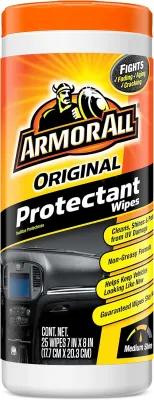
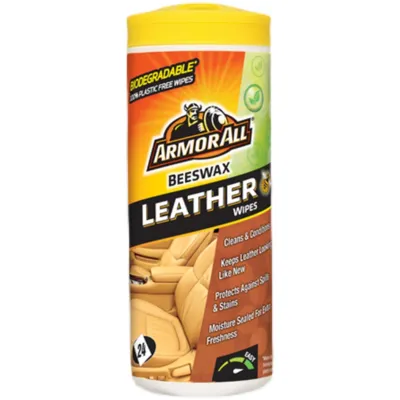
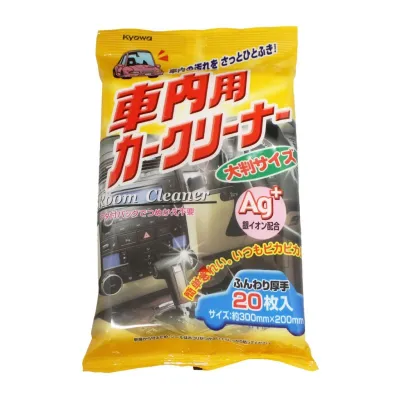
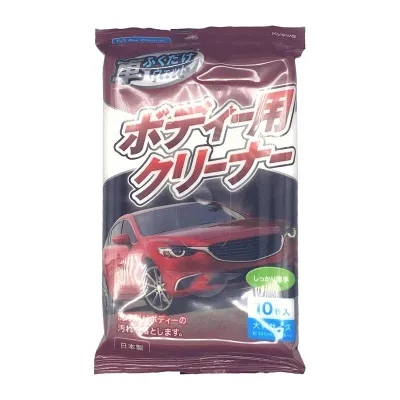
Prices are valid at publication and may change. Please refer to the product page for the latest price.
Ceramic coatings represent the premium, long-term solution. They require a significant upfront investment of time or money but deliver durable, semi-permanent protection that minimizes ongoing maintenance for years.
Ultimately, the optimal method depends entirely on your personal routine, available detailing space, and expectations for reapplication frequency.
Understanding the Contenders: Wipes, Wax, and Ceramic Coatings
To make an informed decision, you must understand how these three protective options interact with your car’s clear coat. Each product uses a distinct chemical or physical mechanism to shield the paint from environmental wear.

Car exterior wipes are pre-saturated, single-use cloths infused with quick-detailing agents, mild lubricants, and synthetic polymers. They are engineered to lift light surface dust safely while leaving behind a thin, hydrophobic barrier. Because they do not require water or separate microfiber towels, they serve as an excellent spot-cleaning tool for urban drivers.
Traditional wax relies on natural ingredients like carnauba or synthetic polymers to form a physical barrier. When applied to the paint, the wax fills in microscopic imperfections in the clear coat, creating a smooth, reflective surface. This sacrificial layer sits directly on top of the paint, absorbing environmental abuse instead of your clear coat, but it gradually wears away with heat and washing.
Ceramic coatings utilize silicon dioxide (SiO2) or silicon carbide (SiC) liquid polymers. Unlike waxes that sit on the surface, ceramic coatings chemically bond with the clear coat at a molecular level. This reaction cures into a semi-permanent, glass-like shield that is significantly harder and more heat-resistant than traditional wax.
The fundamental difference lies in how these products attach to your vehicle. Wipes and waxes are temporary surface toppers that require frequent reapplication, whereas ceramic coatings establish a semi-permanent chemical bond that integrates with the paint itself.
Comparing Protection, Durability, and Application Effort
Evaluating these methods requires looking at how they perform against environmental hazards, how long they last, and the effort required to apply them. In tropical climates with intense UV exposure and sudden downpours, choosing the right balance is essential for preserving your paint.
Protection Level and Environmental Resistance
Ceramic coatings offer the highest level of resistance against environmental contaminants among these options. Their chemical structure provides robust defense against bird droppings, tree sap, acid rain, and harsh UV rays. While they cannot prevent deep scratches or stone chips, they offer minor resistance to light marring during washing.
Traditional wax provides moderate protection against UV rays and water spots, but its organic components break down quickly under high temperatures. Acidic contaminants like bird droppings can easily penetrate a wax layer if not cleaned off immediately.
Car exterior wipes offer light, temporary protection. They are excellent for boosting water bead performance and shielding against light dust, but they do not provide a substantial barrier against heavy environmental contaminants or physical abrasion.
Durability and Lifespan
The lifespan of each method dictates your maintenance schedule. Car exterior wipes are designed for short-term performance, often requiring reapplication after every wash or every few weeks to maintain their hydrophobic properties.
Traditional wax typically lasts between one to three months, depending on the product formulation, weather conditions, and how often the vehicle is washed. Synthetic sealants may extend this durability slightly, but regular reapplication remains a necessity.
Ceramic coatings are highly durable, with professional-grade options lasting several years when properly maintained. Even consumer-grade DIY ceramic kits can offer protection for a year or more, significantly reducing the frequency of paint protection tasks.
Application Effort and Skill
Application complexity varies dramatically across these three options. Car exterior wipes require the least effort; you simply wipe the product onto a clean surface and buff it dry with a clean microfiber cloth, making it a fast, tool-free process.
Applying traditional wax requires a dedicated block of time. The paint must be thoroughly washed and dried before you apply the wax in thin, even circular motions, wait for it to haze, and then buff it off by hand.
Ceramic coating application is a meticulous, multi-step process that demands precision. It requires extensive paint preparation, including washing, claying, and often professional paint correction to remove swirls and scratches, as any paint defects will be locked beneath the cured coating.
Visual Finish and Aesthetics
The aesthetic outcome is a matter of personal preference. Traditional carnauba wax is famous for producing a warm, deep, and wet-looking shine that enhances the natural color of the paint, making it a favorite for classic cars and show vehicles.
Ceramic coatings deliver a highly reflective, glass-like gloss that emphasizes sharp lines and metallic flakes. This finish is exceptionally bright and modern, giving the vehicle a constantly polished appearance.
Car exterior wipes provide a clean, respectable shine that boosts gloss temporarily, though they lack the deep optical clarity of a freshly waxed or ceramic-coated surface.
Cost and Value: Upfront Price vs Long-Term Investment
When analyzing the financial aspect of paint protection, you must weigh the immediate upfront cost against the long-term value and recurring expenses over several years.
Car exterior wipes have a very low upfront cost, typically priced at a few dollars per pack. However, because they are single-use and require frequent reapplication, the cost can accumulate over time if they are your primary method of paint maintenance.
Traditional wax represents a moderate upfront investment. A single tub of high-quality wax can cost anywhere from S$20 to S$80, but because a little product goes a long way, one container can last for several years of DIY applications. The primary cost here is your personal time and physical effort.
Ceramic coatings require the highest upfront investment. A professional application, which includes essential paint correction and surface preparation, can range from several hundred to over a thousand dollars. DIY ceramic kits are more affordable but still require purchasing specialized prep sprays, applicators, and microfiber towels.
To determine the best value for your budget, calculate your estimated cost-per-year. If you prefer a low-effort, hands-off approach, paying a higher upfront cost for a professional ceramic coating can save you money on detailing products and car washes over a three-year period. Conversely, if you enjoy maintaining your car yourself, traditional wax offers exceptional value for a modest financial outlay.
How to Choose the Right Method for Your Car Care Routine
Selecting the ideal paint protection method requires aligning the product’s characteristics with your living situation, detailing experience, and vehicle usage.
Choose car exterior wipes if:
- You live in an apartment or HDB flat with shared washing bays where water access is restricted.
- You have a busy schedule and want to maintain your car's appearance in under fifteen minutes.
- You need a convenient, portable solution to clean bird droppings or water spots immediately while on the go.
Choose traditional wax if:
- You find the process of washing and detailing your car on weekends therapeutic and rewarding.
- You prefer a deep, warm, organic gloss over a sharp, glass-like reflection.
- You want reliable paint protection on a budget and do not mind reapplying the product every few months.
Choose ceramic coating if:
- You want a high level of protection against UV rays, bird droppings, and light environmental wear.
- You want to make your weekly car washes incredibly fast and easy due to extreme water-beading properties.
- You are willing to invest the necessary time and money upfront for long-term, multi-year durability.
Before committing to any method, always verify the condition of your clear coat. If your paint has heavy oxidation, deep scratches, or clear coat peeling, applying a ceramic coating or wax will not fix these issues and may even highlight them. In such cases, consult a professional detailer to assess whether your vehicle requires paint correction or a respray before applying any protective layers. Additionally, always check the product labels to ensure the wipes or waxes you choose are safe for your specific paint finish, especially if your vehicle has a matte wrap or satin paint.
Frequently Asked Questions (FAQ)
Can I apply car exterior wipes over a ceramic coating?
Yes, but compatibility depends entirely on the chemical formulation of the wipes and the guidelines provided by your ceramic coating manufacturer. Many modern car exterior wipes are infused with SiO2 or synthetic polymers designed specifically to act as ceramic boosters. These wipes can safely clean light dust while replenishing the hydrophobic properties of the underlying ceramic layer. However, you must check the product label to ensure the wipes do not contain harsh solvents, heavy wax, or abrasive cleaning agents that could degrade or cloud the ceramic coating.
Do I still need to wash my car if it has a ceramic coating or wax?
Yes, regular washing remains essential regardless of the protection method you use. While ceramic coatings and waxes create a hydrophobic surface that repels water and dirt, they do not make your car completely self-cleaning. Over time, road grime, brake dust, and environmental fallout will still settle on the surface and can degrade the protective layer if left untouched. Fortunately, these protective coatings make the washing process much easier and safer, as dirt cannot bond strongly to the slick surface. For best results, always use a pH-neutral car shampoo and follow the specific maintenance instructions provided by your coating or wax manufacturer.

Community discussion
Share your experience or ask a question. Comments are reviewed before publication.