
Achieving that coveted, pristine cabin aroma without triggering a headache is a common goal for car owners. The ideal new car scent should feel like a subtle, clean background note rather than an aggressive chemical cover-up. To replicate this authentic atmosphere successfully, you must look beyond generic “fresh” marketing labels and understand how different fragrance delivery systems interact with your vehicle’s interior. By selecting the right diffuser mechanism and adjusting for environmental factors, you can maintain a sophisticated, long-lasting scent profile that enhances every journey.
Managing this balance requires a strategic approach to product selection. Many drivers purchase air fresheners only to find the scent overpowering in the first week and completely gone by the second. By focusing on scent composition, diffusion control, and climate compatibility, you can establish a consistent, pleasant cabin environment that truly mimics a factory-fresh vehicle.
Understanding the Authentic New Car Scent Profile
An authentic new car smell is not a single fragrance, but rather a complex combination of materials used during the vehicle’s manufacturing process. This distinct aroma is historically composed of trace scents from leather upholstery, treated vinyl, clean carpets, and the specialized adhesives used to assemble the dashboard and door panels. When looking for a diffuser that replicates this experience, you should seek out formulations that list sophisticated base notes like soft suede, birch tar, clean cotton, and subtle ozonic or marine accords. These elements work together to create a crisp, airy, and slightly dry scent profile that feels clean without being sweet.
Products mentioned in this guide




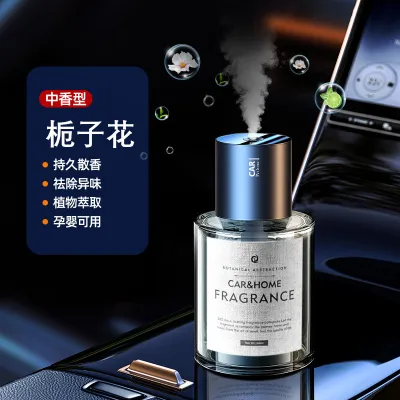
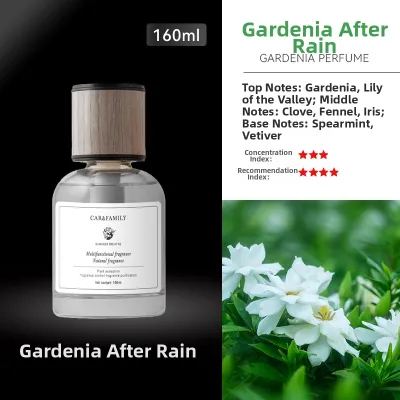
![[SG STOCKS] Car Fragrance Car Air Freshener Auto Perfume Diffuser With Formaldehyde Purifier Metal Aromatherapy Cup Diffuser Starry Sky Roof Rechargeable Auto Start/Stop 160ML Large Capacity SupplementCologne Ocean Gardenia Sandalwood Oolong](https://img.lazcdn.com/g/p/271bbc34a8834835061ca59e4ef11dcf.jpg_400x400q80.jpg_.webp)
Prices are valid at publication and may change. Please refer to the product page for the latest price.
In contrast, many low-cost synthetic blends marketed under generic “new car” labels rely heavily on sweet, cloying top notes like vanilla, cherry, or heavy musk. Manufacturers often use these strong compounds because they are inexpensive to produce and highly effective at masking bad odors. However, these formulations quickly become overpowering in the confined space of a vehicle cabin, leading to sensory fatigue or mild headaches. When evaluating product descriptions, avoid any options that highlight sugary, fruity, or heavily floral undertones, as these depart significantly from the authentic, clean-polymer profile of a brand-new vehicle.
It is also important to differentiate between a true “new car” scent and a generic “clean car” profile. Clean car scents typically mimic household cleaning products, relying on sharp citrus, pine, or heavy laundry detergent fragrances. While these can make a cabin smell sanitized, they do not replicate the premium, understated atmosphere of a newly manufactured vehicle. An authentic new car scent should always lean toward dry, woody, and leather-like notes, providing a neutral background that blends seamlessly with your car’s natural interior materials.
Choosing the Right Diffuser Mechanism for Scent Control
To prevent a fragrance from overwhelming your cabin, the delivery mechanism is just as critical as the scent itself. Diffusers generally fall into two categories: passive and active. Passive diffusers, such as hanging paper cards, ceramic discs, and solid gel blocks, rely on natural evaporation to disperse fragrance into the air. While simple and cost-effective, passive methods offer very little control over scent intensity. They often release a massive burst of fragrance when first opened, followed by a rapid decline in performance as the volatile top notes evaporate.

Active and semi-active diffusers, such as vent clips and electronic nebulizers, offer much greater control over the scent throw. Vent clips utilize the vehicle’s heating, ventilation, and air conditioning (HVAC) system to distribute the fragrance. When the air conditioning is turned off, the scent dispersion slows down significantly, preventing the cabin from becoming saturated while the car is parked. Electronic diffusers, which use ultrasonic or heat-free atomization technology, allow you to customize the scent delivery by setting specific diffusion intervals or adjusting the mist volume through a digital interface.
Airflow and surface area are the primary physical factors that dictate how quickly a fragrance is released. Many high-quality vent clips and membrane-based diffusers feature adjustable mechanical sliders. These sliders allow you to physically restrict or expand the surface area of the scented material exposed to the cabin’s airflow. By starting with the smallest possible opening, you can achieve a subtle, slow-release effect that keeps the fragrance at a comfortable, low-intensity level during daily driving.
For those who prefer a completely hands-off approach, look for diffusers designed with a natural fade-out or a dry-polymer matrix. These materials are engineered to release fragrance molecules at a highly stable, linear rate rather than dumping them all at once. This prevents the common cycle of intense scent followed by sudden emptiness, ensuring a predictable and gentle background aroma over several weeks.
Adapting Fragrance Performance to Tropical Climates
Operating a car diffuser in a tropical climate like Singapore introduces unique environmental challenges that do not apply to temperate regions. High ambient temperatures and intense humidity dramatically accelerate the volatility of fragrance compounds. When a vehicle is parked in an open-air carpark under direct sunlight, cabin temperatures can easily soar past 60°C. This extreme heat causes liquid and gel-based fragrances to evaporate at an alarming rate, which can quickly saturate the cabin with an overwhelming, concentrated blast of perfume when you first open the door.
To mitigate the effects of high cabin heat, strategic placement is essential. Avoid mounting diffusers in areas that receive direct, prolonged sunlight, such as the top of the dashboard, the center console, or hanging directly from the rearview mirror. Instead, opt for shaded areas of the cabin. Placing a diffuser in a lower door pocket, under a seat, or on a lower air conditioning vent keeps the product cooler and slows down the evaporation process, resulting in a much more stable and pleasant scent release.
Furthermore, you must pay close attention to product labels regarding heat stability and chemical emissions. Low-quality plastic diffusers or cheap gel canisters can warp, melt, or crack when exposed to extreme cabin temperatures. This not only ruins the product but can also release harmful volatile organic compounds (VOCs) into the air. Always verify that the diffuser housing is constructed from heat-resistant materials, such as high-grade aluminum, glass, or specialized thermoset plastics, and look for formulations that are explicitly certified as stable under high-temperature conditions.
Safety, Ingredients, and Placement Boundaries
Prioritizing safety and material compatibility is essential when introducing any chemical or fragrance product into your vehicle. Liquid diffusers, particularly those containing concentrated essential oils or synthetic solvents, pose a significant risk to your car’s interior trim. If a liquid diffuser leaks or spills, the active solvents can rapidly dissolve or bubble dashboard plastics, peel away painted trim coatings, and permanently stain leather upholstery or sensitive infotainment screens. To prevent costly damage, always verify that liquid diffusers are mounted securely in an upright position, or choose leak-proof membrane and solid-polymer designs that eliminate the risk of liquid spills entirely.
Occupant health is another critical consideration, especially if you frequently carry passengers with respiratory sensitivities, asthma, or allergies. Many commercial air fresheners contain phthalates, synthetic musks, and harsh chemical solvents that can irritate the eyes, nose, and throat in a confined space. Before purchasing, check product labels for certifications such as phthalate-free, hypoallergenic, or natural-solvent formulations. Opting for brands that disclose their ingredient lists allows you to make an informed decision and ensures a safer breathing environment for everyone in the vehicle.
Finally, you must establish clear placement boundaries to ensure the diffuser does not interfere with safe vehicle operation. Never mount an accessory in a location that obstructs your physical view of the road, side mirrors, or instrument cluster. Most importantly, avoid placing any clip, pendant, or electronic device on or near the vehicle’s airbag deployment zones. This includes the center of the steering wheel, the passenger-side dashboard panel, and the front A-pillars. Consult your vehicle’s owner manual to identify these safety boundaries, ensuring that your diffuser will not become a dangerous projectile in the event of a collision.
Condition-Based Shortlist by Diffuser Type
To help you select the ideal product for your specific driving habits and cabin layout, we have categorized the primary diffuser options below. Each type offers distinct advantages and trade-offs depending on how you use your vehicle.
Vent Clips
Vent clips are highly recommended for drivers who want immediate, adjustable control over their cabin’s fragrance levels. Because they rely on the vehicle’s HVAC system, they only disperse scent when the air conditioning is active, making them highly efficient for daily commuters.
- Application Check: Before purchasing, inspect your vehicle's air vents. Some modern cars feature unique vertical, circular, or ultra-thin vent blades that may not accommodate standard horizontal clips. Always verify that the clip's mounting mechanism is compatible with your specific vent design.
- Safety Boundary: Ensure the clip features a soft, rubberized grip to prevent scratching or gouging the delicate plastic vent blades. Avoid heavy or oversized clips that put excessive downward pressure on the vent mechanism, which can snap the internal directional linkages.
Hanging Pendants
Hanging pendants offer a classic, passive diffusion method that is both budget-friendly and visually low-profile. They are best suited for drivers who prefer a gentle, continuous fade-out over time without the need for active airflow.
- Application Check: Hanging pendants must be suspended freely. Ensure there is sufficient clearance around the mounting point so the pendant does not strike the windscreen, rearview mirror housing, or dashboard during sudden braking or cornering.
- Safety Boundary: Never allow a scented pendant to rest directly against any plastic, vinyl, or leather surface. The concentrated fragrance oils embedded in the material can transfer onto your interior trim, causing permanent discoloration or chemical degradation.
Gel Cans and Solids
Gel cans and solid-polymer blocks are excellent for drivers who want a consistent, long-lasting background scent while keeping the diffuser completely hidden from view. They can be easily tucked away in a cup holder, door pocket, or under a seat.
- Application Check: In tropical climates, standard wet gels can liquefy and shrink rapidly when exposed to high heat. Look for high-temperature solid polymers, dry-matrix blocks, or ceramic cartridges that maintain their physical integrity even in a hot, parked car.
- Safety Boundary: Secure the canister or block so it cannot slide around the cabin floor. A loose canister sliding under the driver's seat can lodge behind the brake pedal, creating a severe safety hazard. Use hook-and-loop fasteners or non-slip pads to keep the unit firmly in place.
Fabric Sprays
Fabric sprays provide an on-demand scent refresh, making them ideal for drivers who only want a pleasant aroma on specific occasions, such as before picking up passengers or after carrying groceries.
- Application Check: Always read the manufacturer's label to ensure the spray is authorized for use on automotive textiles. Never spray these products directly onto hard plastics, touchscreens, or leather seats, as the chemical carriers can damage protective coatings.
- Safety Boundary: Before applying the spray to your entire cabin, perform a spot-test on a small, hidden area of your carpet or fabric upholstery. Wait for the test area to dry completely to verify that the formula does not cause staining, water-spotting, or color bleeding.
Frequently Asked Questions (FAQ)
How long does a typical new car scent diffuser last?
The lifespan of a car diffuser depends heavily on the delivery mechanism, cabin temperature, and how often you drive. In a tropical climate with high heat and humidity, a standard passive diffuser that is rated for 4 to 6 weeks in temperate regions may only last 2 to 3 weeks before depleting. Active vent clips will also deplete faster if you regularly run your air conditioning on high fan speeds. You can easily identify when a diffuser has expired when the lighter, clean top notes disappear completely, leaving behind a faint, flat, or slightly chemical base note, or when the physical scent medium has visibly shrunk or dried out.
Can I mix two different car diffusers to create a custom scent?
Mixing different fragrance products in the small, enclosed space of a vehicle cabin is generally not recommended. Combining different synthetic chemical formulations can result in clashing scent notes that quickly become overwhelming, potentially causing headaches, nausea, or sensory irritation. If you are trying to combat persistent cabin odors, a safer and more effective approach is to pair a single, mild new car scent diffuser with an unscented odor absorber, such as a bag of activated charcoal or a baking soda-based canister. This combination neutralizes unpleasant smells at the source while allowing your chosen new car fragrance to remain clean, subtle, and authentic.

Community discussion
Share your experience or ask a question. Comments are reviewed before publication.